


Edwardian Travel Luggage Trunk
An edwardian travel luggage trunk offers a tangible link to historical journeys, combining robust utility with period craftsmanship.
Edwardian Travel Luggage Trunk
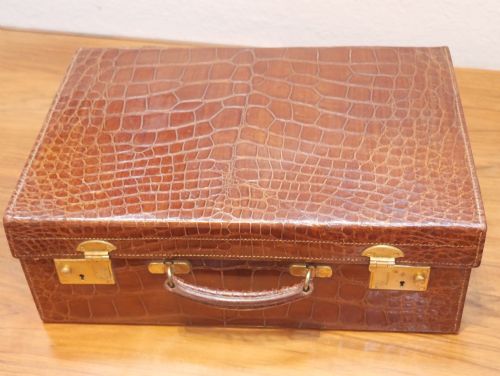
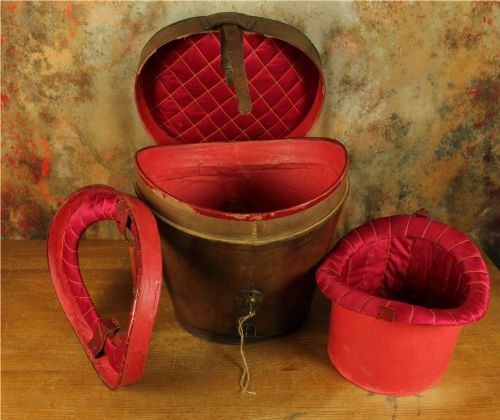
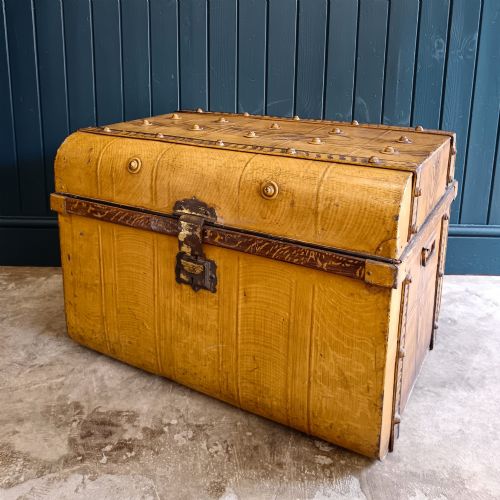
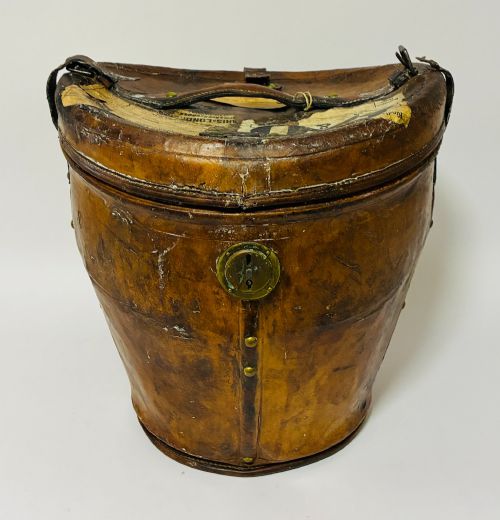
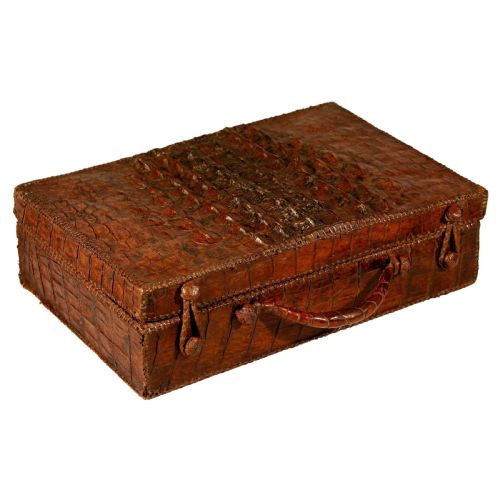
When searching for an edwardian travel luggage trunk, buyers encounter a diverse range of containers designed for transit, from large steamer chests to compact hat boxes. The selection reflects domestic and international travel methods of the late nineteenth and early twentieth centuries, featuring pieces tailored for specific items like top hats, guns, and vanity accessories.
The objects span periods from the Victorian era through the 1930s, with Edwardian examples frequently appearing alongside nineteenth-century campaign pieces and early twentieth-century steamer trunks. Formats include dome-top chests, flat-topped shipping cases, and multi-compartment luggage designed to fit beneath cabin berths or within railway carriages.
How They Were Made
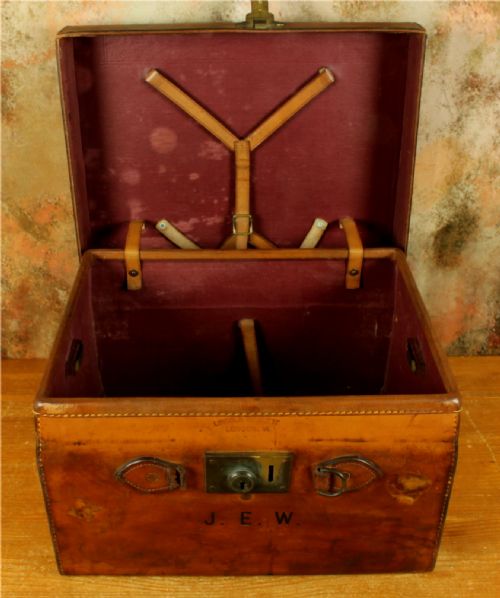
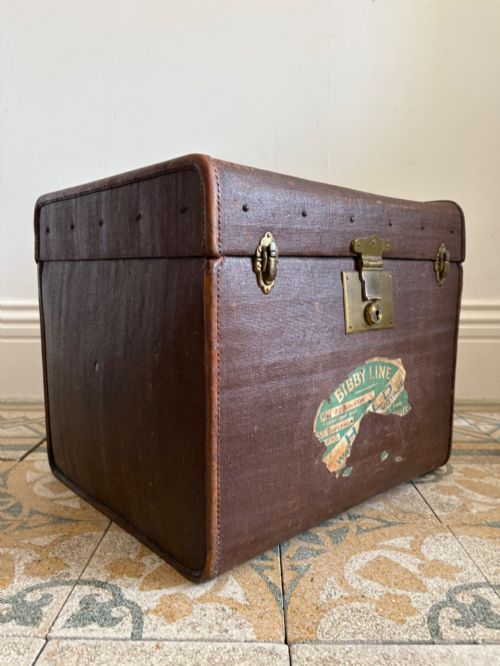
Construction relies heavily on durable combinations of leather, canvas, wood, and metal, often reinforced with brass hardware, iron brackets, and wooden slats to withstand the rigours of transit. Interiors frequently utilise fitted wooden compartments, paper linings, and canvas webbing to secure contents during motion.
Specialised workshops employed meticulous stitching for leather-bound surfaces and applied waterproof coatings or painted finishes to sheet metal and canvas exteriors. Zinc linings appear in military and campaign chests to protect contents from moisture and tropical climates.
Several trunks retain historical travel labels from grand hotels, hinting at forgotten voyages across ocean liners and continental railways.
What Varies in Quality
Quality diverges between utilitarian containers meant for heavy cargo hold storage and bespoke luggage fashioned by premier makers for affluent travellers. The choice of materials, such as heavy-grade bridle leather versus basic painted metal, dictates the original tier of the piece.
Internal complexity and survival of original fitted compartments, trays, and keys separate standard trunks from superior examples. The presence of authentic travel labels, provenance, and maker stamps adds documentary depth that elevates certain specimens above anonymous counterparts.
Lincoln Bennett·Army and Navy·Allen of London·John Pound·Harrods·C. Antrobus·Finnegans of Bond Street London·Louis Vuitton·Goyard
The Edwardian Travel Luggage Trunk Glossary
- Steamer trunk
- A lower-profile luggage chest designed to fit beneath the bed in a ship cabin during ocean voyages. These pieces usually feature flat tops for stacking.
- Campaign case
- Portable furniture and storage utilised by military officers and travellers on expedition. These items often incorporate brass corners and recessed drop handles for portability.
- Hat box
- A specialised rigid container shaped to hold top hats or bowlers without crushing the brims. They frequently include internal leather straps or wooden mountings.
- Portmanteau
- A large leather suitcase that opens into two equal compartments. The term derives from French roots describing a case for cloaks and garments.
- Vellum
- Fine parchment prepared from calfskin, utilised as an outer covering on luxury luggage trunks. It provides a smooth, resilient surface for travel.
Edwardian Travel Luggage Trunk: Frequently Asked Questions
How do I clean a leather trunk?
Dust the surface gently with a dry, soft cloth to remove loose particles. Apply a mild, pH-balanced leather conditioner sparingly to maintain suppleness without saturating aged hides.
Avoid using modern chemical cleaners or excessive water on antique leather and canvas. Test any treatment on a hidden area first to ensure the finish remains stable.
Can I use these trunks for modern storage?
These sturdy containers function well for storing blankets, seasonal clothing, or books in contemporary homes. Their generous proportions provide practical concealment for household items while adding historical character to a room.
Ensure items stored inside are clean and dry to prevent moisture retention within enclosed historic spaces. Avoid placing heavy loads on top of trunks with fragile dome lids.
How do I date an antique trunk?
Examine the materials, construction methods, and hardware such as locks, latches, and hinges. Brass brackets, iron rivets, and canvas types often shift in style across the Victorian, Edwardian, and Art Deco periods.
Look for maker stamps, retailer labels, or historical travel stickers that offer clues to the manufacturing date. Patent dates stamped onto metal fittings also provide a reliable terminus post quem.
What is a fitted interior?
A fitted interior contains specialised compartments, removable trays, watch pockets, or straps designed to organise specific garments and accessories. Gentleman's valet cases often include sections for grooming kits, brushes, and spare collars.
These elaborate internal layouts indicate luggage made for affluent travellers who required portable wardrobe organisation. The survival of complete internal trays significantly enhances the historical integrity of the piece.