




Vintage Stone Brooch
A vintage stone brooch brings together centuries of lapidary skill and precious metalwork, offering wearable history that ranges from Victorian paste creations to Art Deco jewels.
Vintage Stone Brooch
A vintage stone brooch encompasses a diverse array of ornamental fastenings set with precious gems, semi-precious stones, or paste. The pieces found here span multiple eras, including Victorian, Edwardian, and Art Deco periods, showcasing distinct design sensibilities from each time.
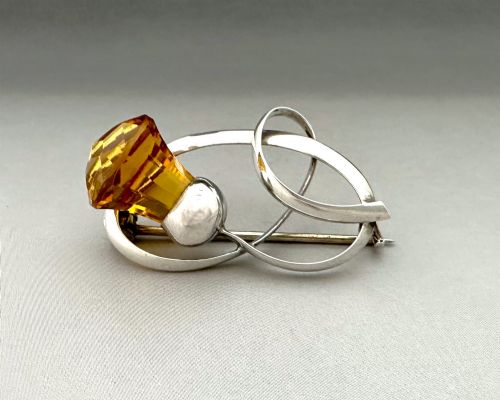
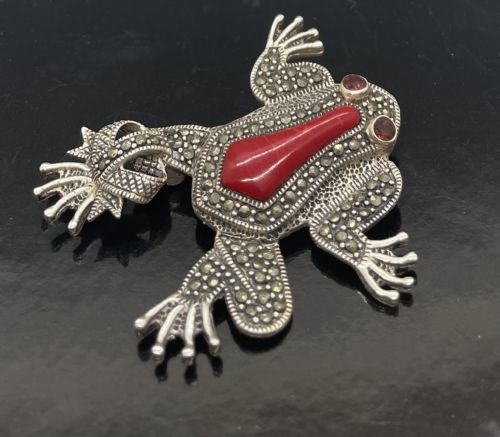
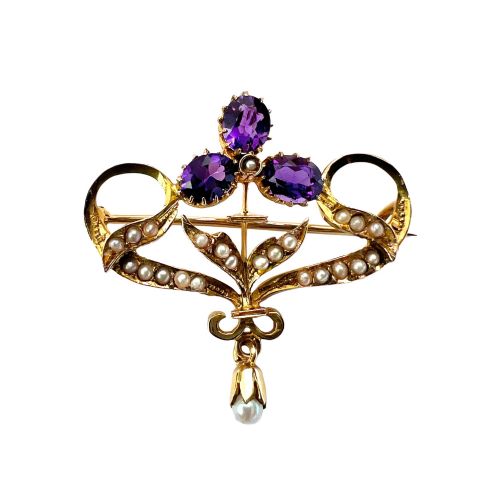
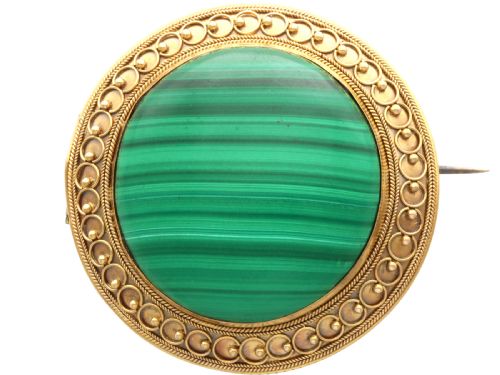
The most frequent examples appearing in these listings combine silver or gold settings with stones such as amethyst, sapphire, diamond, and malachite. Formats vary from simple bar brooches to elaborate floral baskets, crescent shapes, and figural designs like frogs and lizards.
Buyers will encounter both high-karat gold and sterling silver frameworks holding everything from fine old-cut diamonds to colourful glass paste. Certain items function dually as pendants, offering versatility in how they can be worn.
Materials and construction
These items are constructed using precious metals like 9ct, 14ct, and 18ct gold, platinum, and sterling silver to form secure mounts for the set stones. Metalwork techniques range from fine wirework seen in Etruscan Revival pieces to solid cast bars and pierced Art Deco geometric frames.
Stones are secured using various setting methods, including prong, bezel, and flush settings, designed to showcase the brilliance of diamonds, amethysts, and sapphires or the smooth surfaces of malachite and paste. Gemstones are frequently hand-cut, displaying old European cuts, step cuts, or flat-backed foils in paste examples.
The listings feature pieces spanning the Victorian, Edwardian, and Art Deco eras, constructed from silver, gold, platinum, and various gemstones.
Distinguishing quality in stone brooches
The standard of a piece rests upon the quality of the central stones and the precision of the metalwork. Finer examples feature well-matched natural gemstones with lively cut and deep colour saturation, set within substantial gold or platinum rather than plated base metals.
Craftsmanship is evident in the integrity of the settings and the delicacy of the decorative elements, such as granulation or pierced gallery work. Pieces that retain their original pin mechanisms and stones without replacement parts command greater appreciation among collectors.
The Vintage Stone Brooch Glossary
- Paste
- Hand-cut glass used to imitate gemstones, highly valued in antique jewellery for its own distinct lustre and brilliance. Paste settings are frequently found in Georgian and Victorian pieces.
- Old cut
- A diamond cutting style prevalent before the modern brilliant cut was standardised, featuring a smaller table and larger culet. These stones catch candlelight particularly well.
- Bar brooch
- A slender horizontal metal pin, often mounted with a central gemstone or cluster of stones. They were immensely popular during the Edwardian period.
- Giardinetti
- A jewellery design style depicting a small garden in a flower pot or basket, typically rendered in multi-coloured gemstones or paste. The term translates from Italian as little garden.
- Etruscan Revival
- A Victorian design movement inspired by archaeological discoveries, characterising jewellery by granulation and filigree work on gold.
Vintage Stone Brooch: Frequently Asked Questions
How do I wear a vintage brooch?
These pieces can be pinned to lapels, coat collars, scarves, or hats to add a distinct focal point to daily attire.
Heavier items require sturdy fabrics such as wool or tweed to support the weight without sagging, while lighter silver and paste designs suit silk or cotton.
Are these brooches made with real gold?
The selections include items fashioned from various purities of gold, including 9ct, 14ct, and 18ct, alongside platinum and sterling silver.
Hallmarks and metal tests help determine the exact composition of the mount for each individual piece.
What is a witches heart brooch?
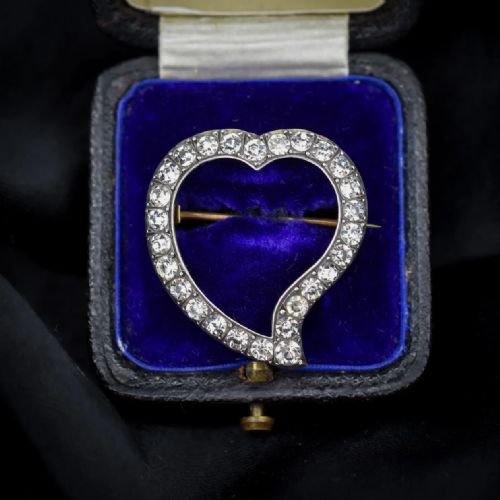
A witches heart is a specific jewellery motif featuring a heart shape with a twisted tail curving to one side. This design was believed to ward off evil or symbolise being consumed by love.
Victorian and older versions often pair this shape with paste or coloured gemstones set in silver.
How do I date a stone brooch?
Dating relies on examining the metal alloys, setting techniques, stone cuts, and overall stylistic motifs. For instance, geometric platinum work typically points to the Art Deco era, while granulation indicates Victorian revival styles.
Pin mechanisms and catch types also provide reliable clues regarding the period of manufacture.