



Vintage Sterling Mirror
These vintage sterling mirror pieces bring genuine dressing-table character to a room, offering tactile silver mounts, glass, and period design.
Vintage Sterling Mirror
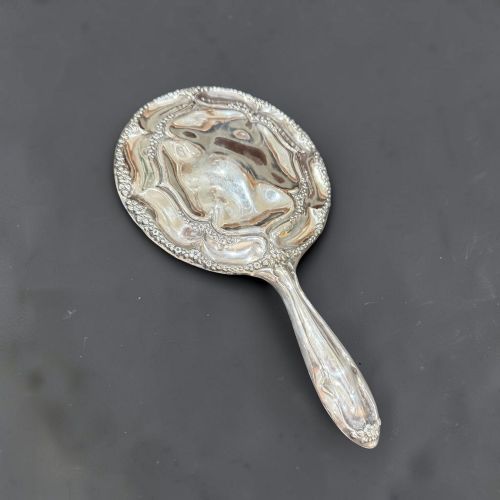
A vintage sterling mirror encompasses handheld vanity items, dressing table pieces, compacts, and strut mirrors created across the Victorian, Edwardian, Art Nouveau, and Art Deco periods. When buyers search for a vintage sterling mirror, they encounter portable hand mirrors alongside larger tabletop and vanity accessories.
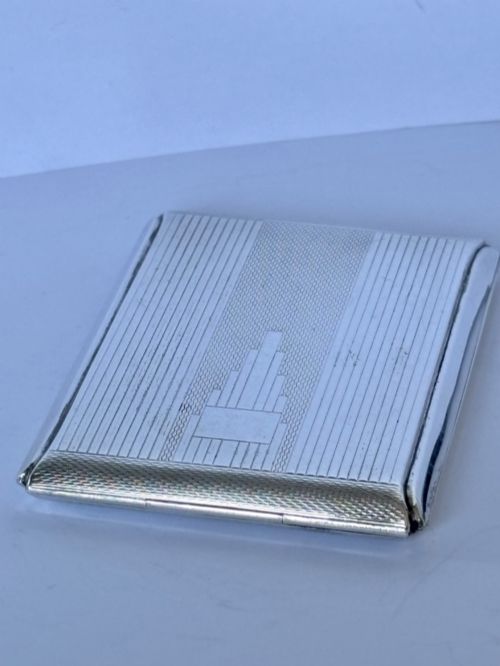
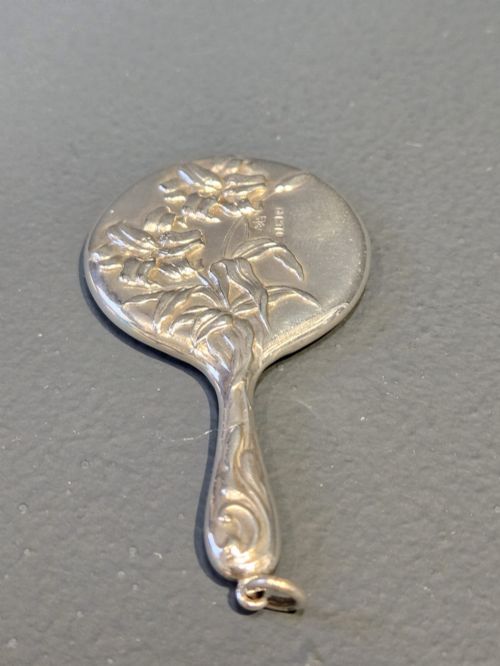
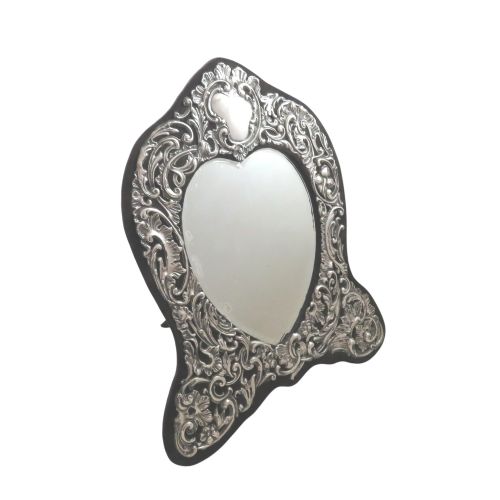
The selection on this page centres primarily on hand mirrors, powder compacts, vanity mirrors, and dressing table sets fashioned from sterling silver. These functional dressing table objects span decades of domestic use, reflecting changing tastes from ornate Victorian embossing to geometric Art Deco lines.
Originating largely from British makers and assay offices such as Birmingham and London, these pieces combine reflective glass with solid silver mounts. Buyers find everything from miniature purse mirrors to large fourteen-inch dressing table mirrors designed to stand on a surface.
Materials and construction
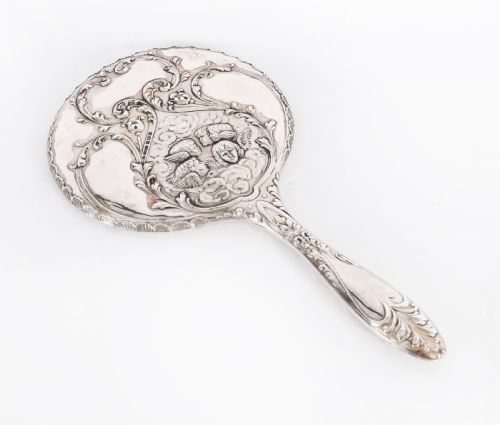
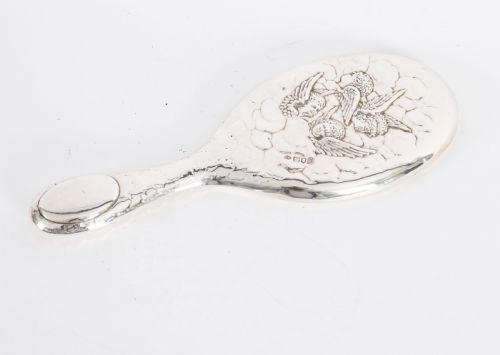
Makers constructed these pieces using sterling silver frames and mounts paired with mirror glass, frequently incorporating natural bristle brushes, velvet backings, and faux tortoiseshell panels. Silver smiths shaped the metal through casting, embossing, and engine turning to create textured geometric or floral patterns.
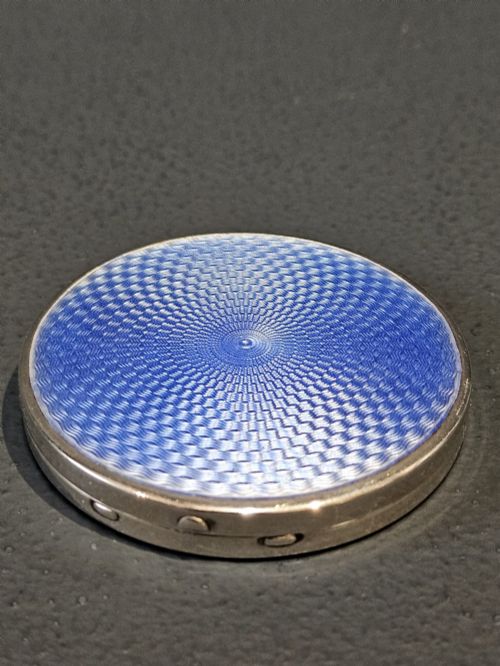
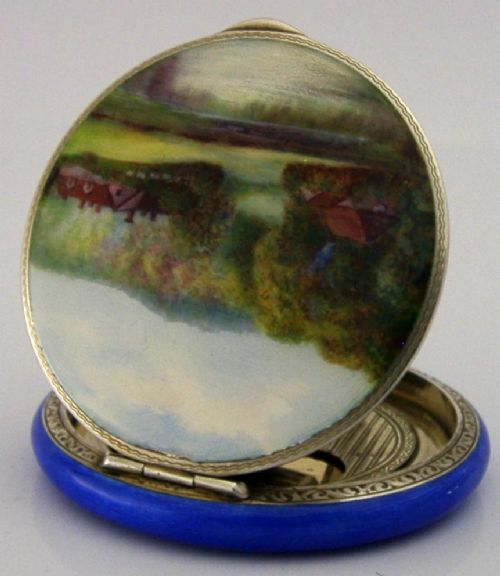
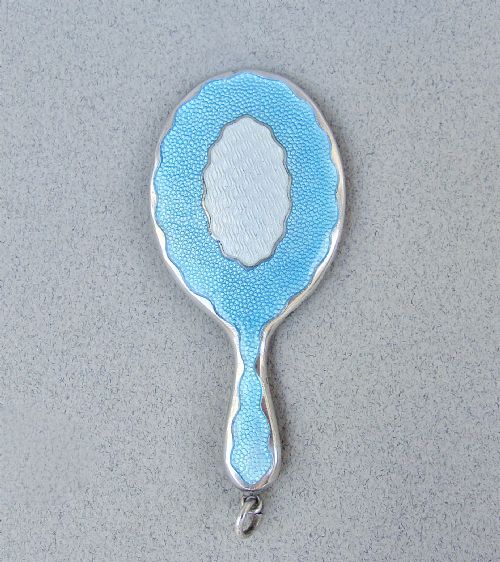
Enamel work appears frequently, particularly guilloche enamel applied over engraved metal bases in Art Deco pieces. Hallmarks stamped directly into the silver record the assay town, purity, and year of manufacture.
Vintage Sterling Mirror Retail Price Guide 2026
Typical asking prices for vintage sterling mirror among the pieces listed under this phrase on Sellingantiques today, from the lower quarter to the upper quarter. They describe what is for sale here now, not the wider market.
Several mirrors retain tiny concealed compartments designed for powder puffs, reminding us of early twentieth-century vanity rituals.
Assessing quality
The distinction between standard examples and superior pieces rests on the complexity of the silver work and the condition of decorative elements like enamel. Deeply embossed chased designs or intricate engine turning indicate higher craftsmanship than plain polished surfaces.
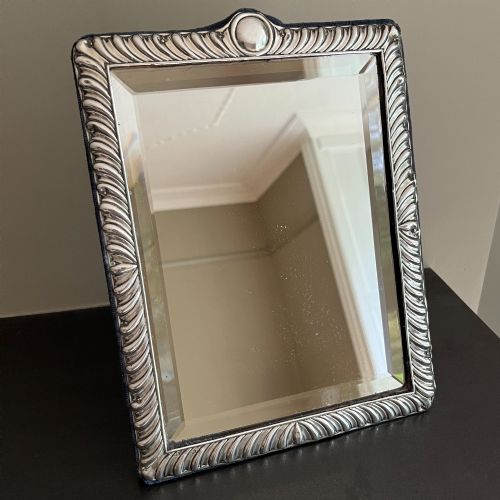
Intact guilloche enamel free from chips or extensive hairline cracks elevates a piece, as does the retention of original bevelled mirror glass and matching components in vanity sets. Clear, crisp hallmarks provide reliable evidence of origin and maker identity.
Henry Williamson·Charles Boyton·S Blanckensee and Son·Henry Matthews
The Vintage Sterling Mirror Glossary
- Sterling silver
- A silver alloy containing 92.5 percent pure silver by mass and 7.5 percent other metals, usually copper. This standard composition forms the primary metal body of these mirrors.
- Guilloche enamel
- A decorative technique where an intricate mechanical pattern is engraved beneath transparent enamel. This method produces shimmering geometric waves on many Art Deco compacts and mirrors.
- Strut mirror
- A freestanding mirror supported by a hinged prop or leg on the reverse side. These pieces sit upright on dressing tables or desks without requiring a hand to hold them.
- Assay office
- An official body that tests the purity of precious metals and stamps items with hallmarks. Birmingham and London offices frequently mark these pieces.
- Engine turned
- A method of mechanical engraving that cuts precise geometric patterns into metal surfaces. It provides a tactile, non-slip texture on compacts and mirror backs.
Vintage Sterling Mirror: Frequently Asked Questions
What is a vintage sterling mirror?
A vintage sterling mirror is a handheld or tabletop vanity glass framed in hallmarked sterling silver, dating from the Victorian era through the mid-twentieth century.
These items range from small purse mirrors to large fourteen-inch dressing table pieces created for daily grooming.
How do I date a sterling mirror?
Dating relies upon the stamped hallmarks, which include assay office symbols, date letters, and the lion passant denoting sterling silver.
Stylistic cues such as Edwardian floral embossing or Art Deco geometric enamel also help place the piece within a specific decade.
Were these mirrors sold individually?
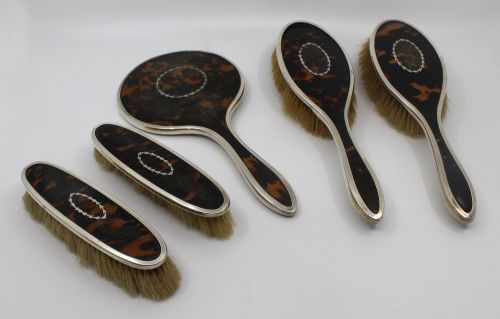
Makers produced them both as standalone handheld pieces and as part of larger matching dressing table sets that included brushes and powder compacts.
Vanity sets offered a cohesive aesthetic for the dressing table surface using shared decorative motifs.
How should I clean my silver mirror?
Careful cleaning involves using a specialist silver cloth on the metal mounts while avoiding harsh polishes that might damage enamel or glass.
Keeping moisture away from the mirror edge prevents tarnishing behind the glass plate.