



Vintage Sterling Forks
Vintage sterling forks bring genuine weight and silver shine to the table, ranging from single serving pieces to boxed canteens.
Vintage Sterling Forks
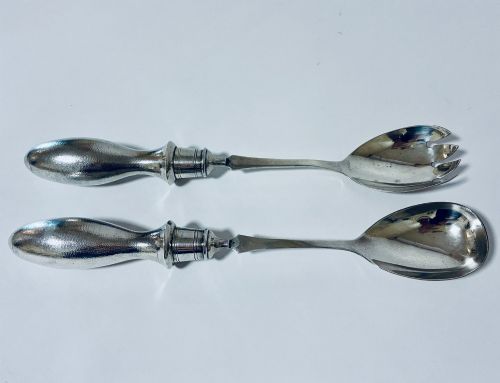
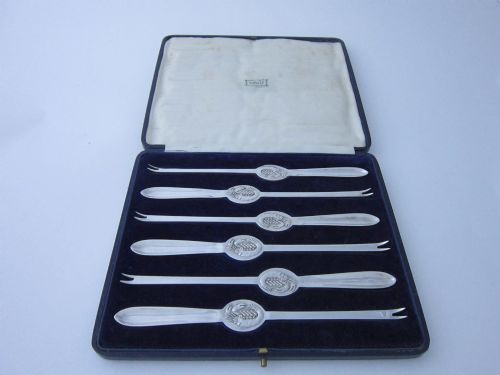
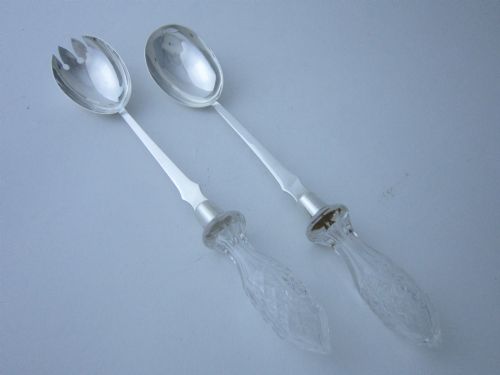
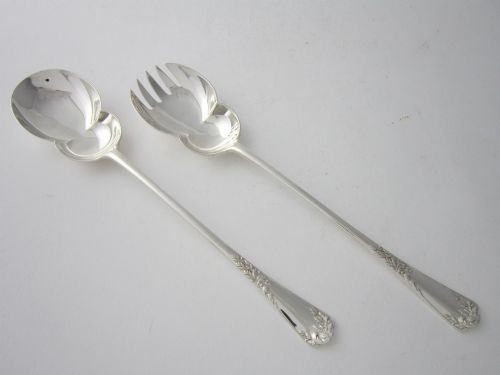
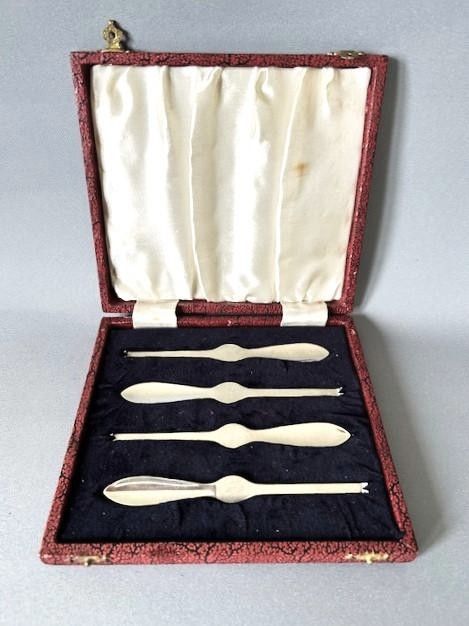
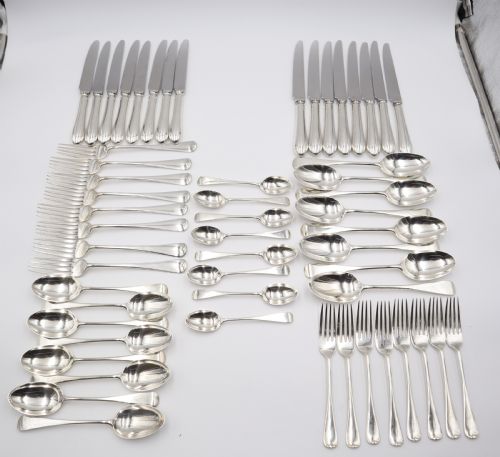
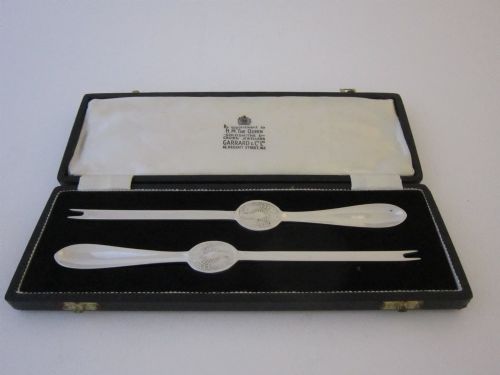
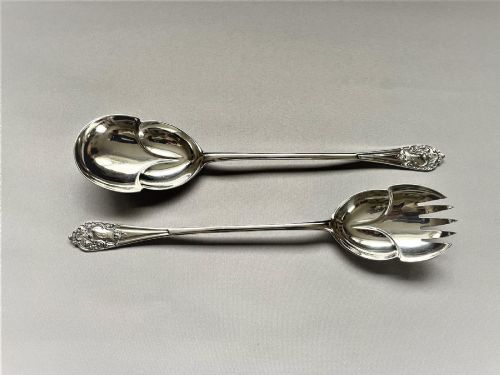
When you search for vintage sterling forks, you encounter a varied selection of cutlery including salad servers, bread forks, lobster picks, and complete canteens. These pieces span the Victorian, Edwardian, and mid-century periods, reflecting the dining habits of past decades.
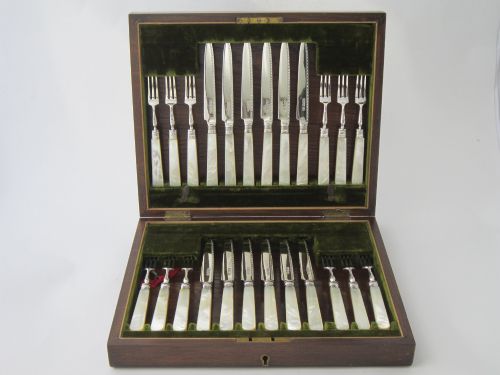
The most common forms on this page are Edwardian and George V serving pieces, often featuring specialised designs for seafood, dessert, or salad. Many of these items survive in fitted boxes lined with velvet or silk.
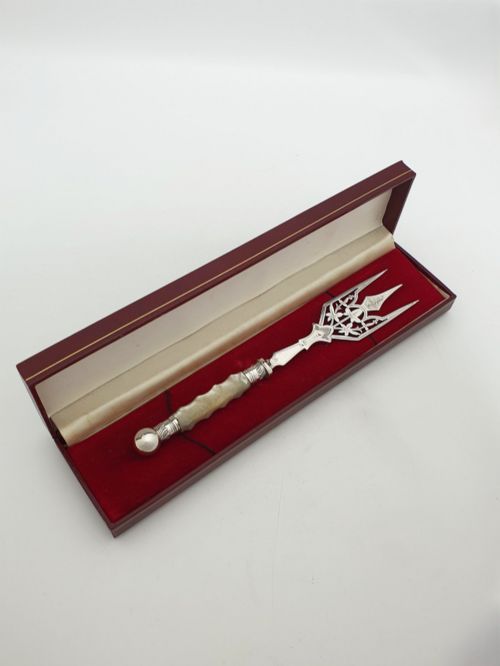
Makers and silversmiths from Sheffield, Birmingham, and international workshops shaped these utensils from solid silver, sometimes pairing the metal with mother-of-pearl handles or glass components.
Materials and construction
Silversmiths shaped sterling silver into practical cutlery and serving forks, utilising traditional methods of casting, hammering, and engraving. Handles frequently incorporate natural materials such as mother-of-pearl secured with metal pins.
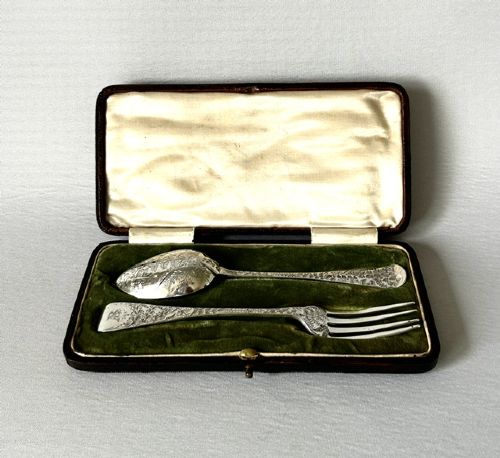
Cased sets often include storage boxes lined with velvet, silk, or leatherette to protect the polished metal and delicate handles from tarnish and wear over time.
Vintage Sterling Forks Retail Price Guide 2026
Typical asking prices for vintage sterling forks among the pieces listed under this phrase on Sellingantiques today, from the lower quarter to the upper quarter. They describe what is for sale here now, not the wider market.
Listings feature sterling silver utensils from the Victorian, Edwardian, and mid-century periods, incorporating materials like mother-of-pearl, velvet, and glass.
Assessing quality and craftsmanship
Quality rests in the crispness of the chased or engraved detail on the fork tines and handles, alongside the structural integrity of fitted presentation boxes. Maker marks and clear hallmarks indicate established silversmith workshops and reliable silver purity.
The integration of secondary materials, such as mother-of-pearl handles or glass inserts, distinguishes finer service pieces from standard production cutlery.
Suckling Ltd.·William Devenport·Georg Jensen·International Silver Co·Alvin
The Vintage Sterling Forks Glossary
- Sterling silver
- A silver alloy containing 92.5 percent pure silver by mass and 7.5 percent other metals, usually copper. This standard ensures the durability required for everyday cutlery and serving utensils.
- Hallmark
- An official stamp applied to precious metals in Britain, indicating the assay office, maker, and year of testing. These marks provide a reliable guide to a piece's age and origin.
- Canteen
- A fitted box or chest designed to hold a complete set of matching cutlery for a specific number of diners. These containers often feature multiple tiers lined with protective fabrics.
- Rat tail
- A traditional reinforcement stripe running down the back of a spoon or fork bowl where it joins the handle shaft. It adds strength to the junction in older silver items.
- Serveware
- Utensils larger than standard place settings, utilised for dishing portions at the table. This category includes salad servers, fish servers, and specialised forks.
Vintage Sterling Forks: Frequently Asked Questions
What are vintage sterling forks used for?
These utensils serve specific dining functions ranging from formal course management to serving salads, seafood, or desserts. Many pieces are designed for specialist tasks like picking lobster or serving sardines.
Complete canteens and boxed sets provide matching implements for hosting larger dining parties, reflecting historical table service traditions.
How do I care for sterling silver forks?
Silver benefits from regular, gentle cleaning with a specialist polish to maintain its reflective shine and remove tarnish. Hand washing with mild soap preserves organic handle materials like mother-of-pearl.
Proper storage in lined boxes or anti-tarnish rolls protects the metal surfaces from atmospheric sulfur and physical scratches.
Are cased sets original to the forks?
Fitted presentation boxes often accompany Edwardian and later sets, featuring interior contours matched to the specific utensils. Velvet and silk linings cushion each fork securely.
Maker details inside the box lid frequently correspond to the hallmarks stamped on the silver handles.
How can I tell the period of a fork?
Hallmarks stamped onto the sterling silver provide direct evidence of the assay office and the exact year of manufacture. Stylistic indicators, such as Edwardian restraint or Art Deco geometry, also point to specific eras.
Associated materials like mother-of-pearl or fitted leatherette boxes align with the manufacturing preferences of Victorian and early twentieth-century workshops.