
Vintage Steel Timepiece
A vintage steel timepiece offers solid mechanical reliability combined with mid-century design, making it a practical and enduring accessory for daily wear.

Vintage Steel Timepiece
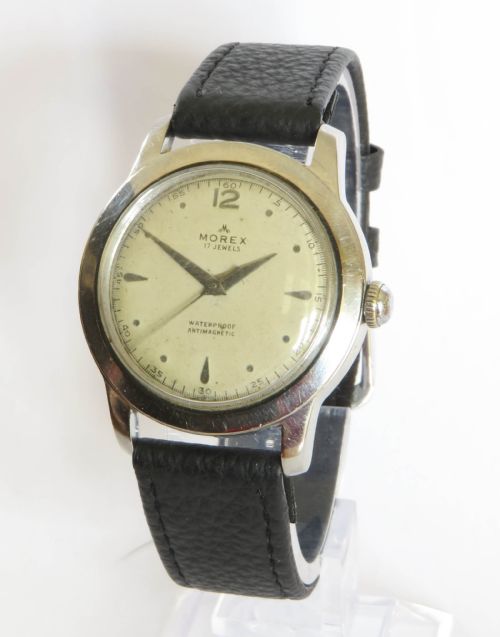
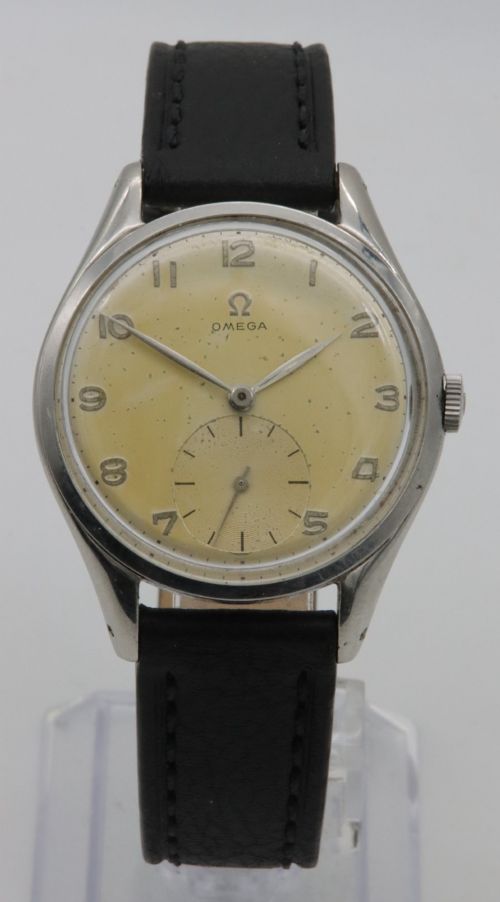
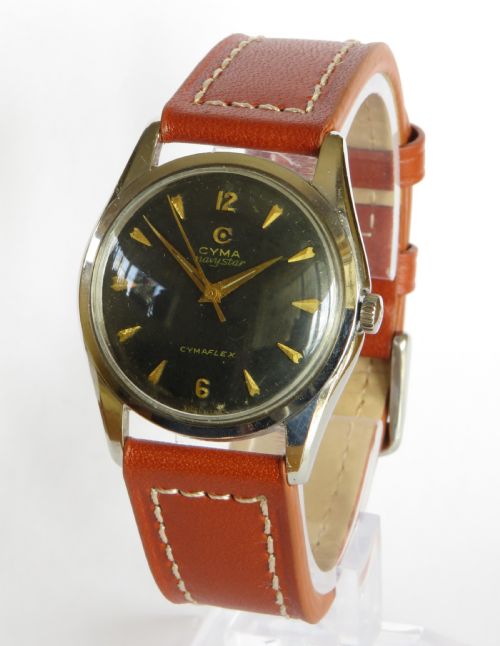
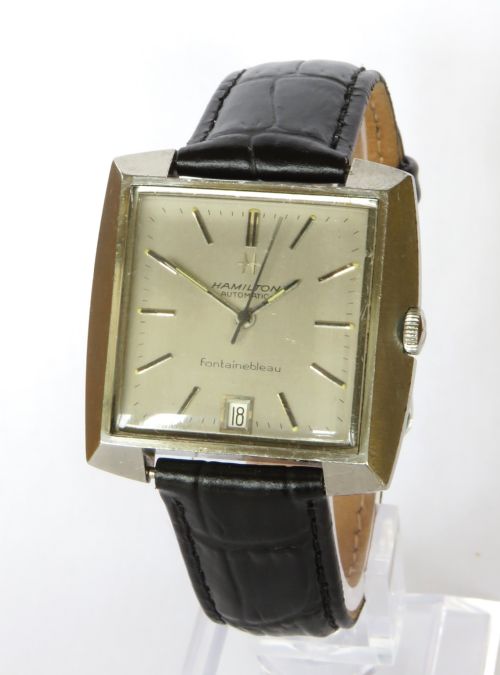
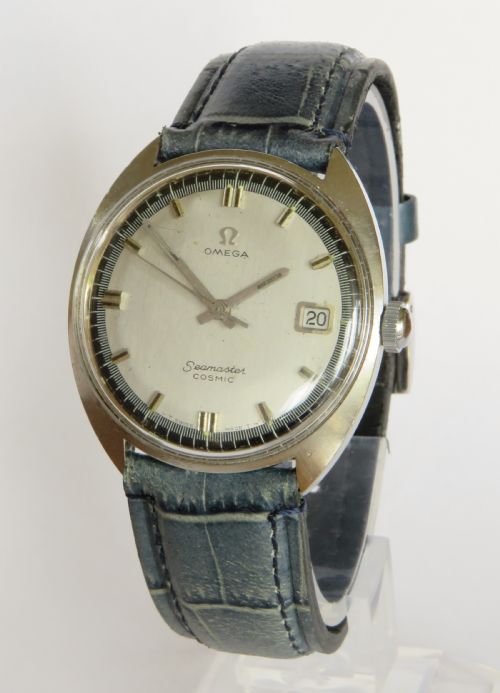
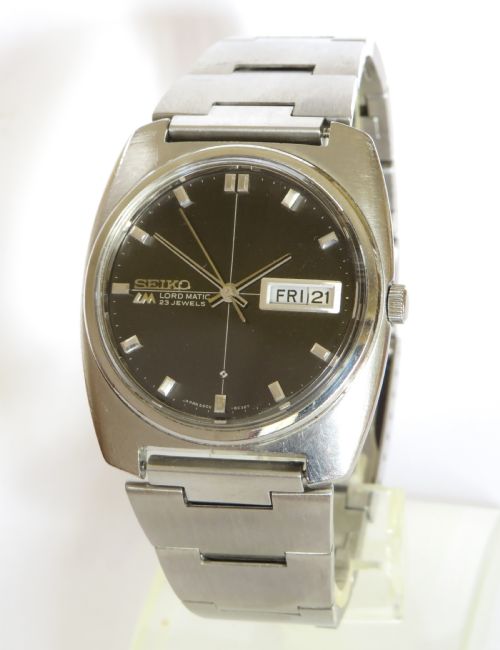
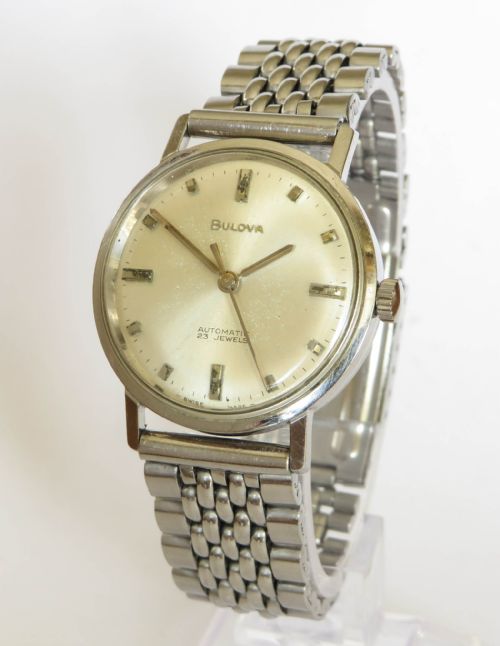
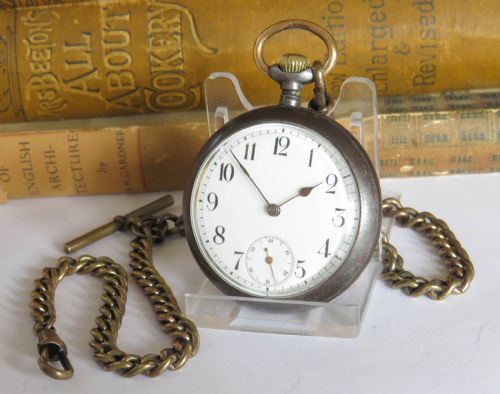
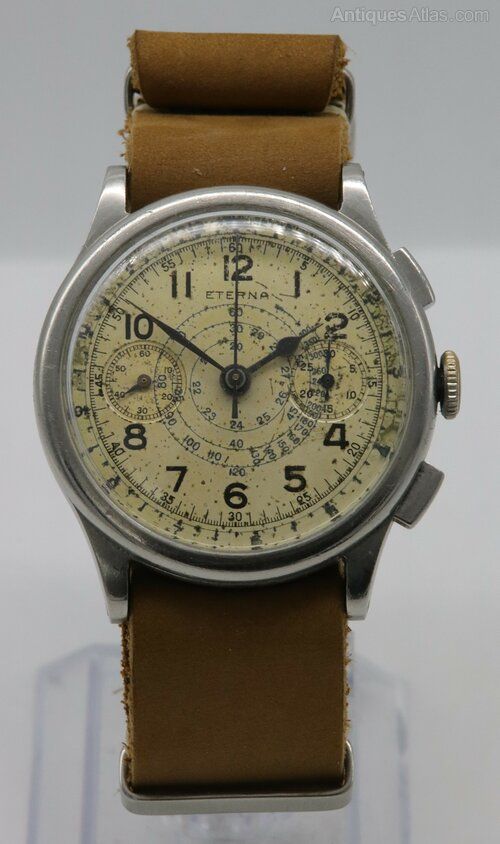
A vintage steel timepiece encompasses wristwatches and pocket watches spanning from the early twentieth century through the nineteen-seventies, featuring styles such as Art Deco and Mid-Century Modern. These items originate from periods when robust metal housings became standard for daily wear, moving away from precious metals to more durable alloys.
Materials and Construction
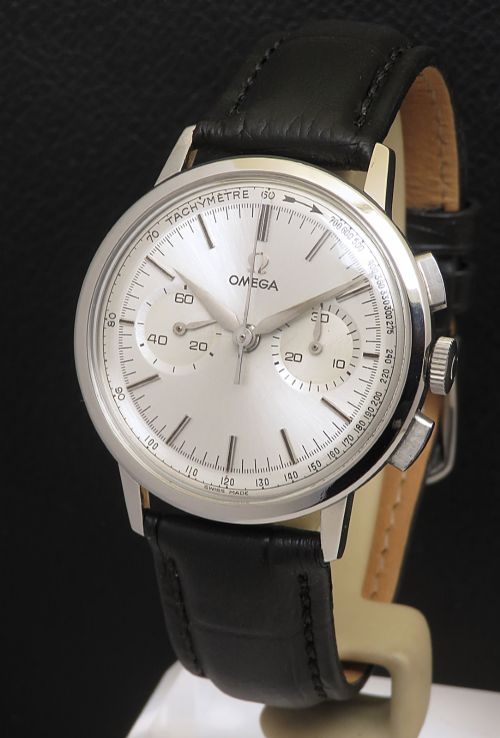
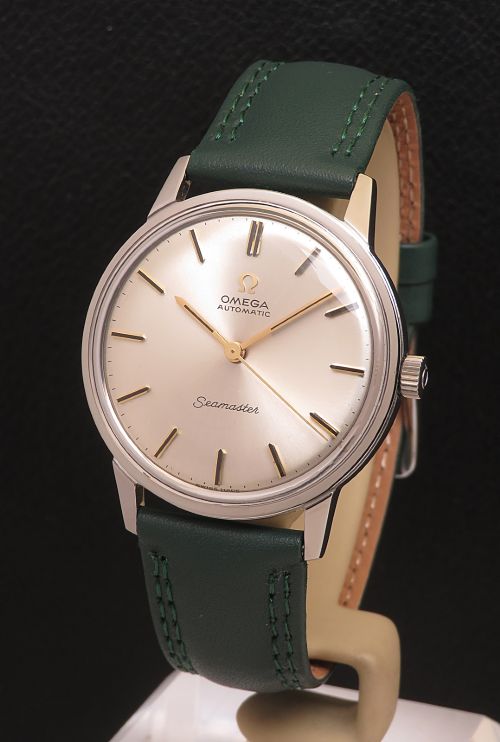
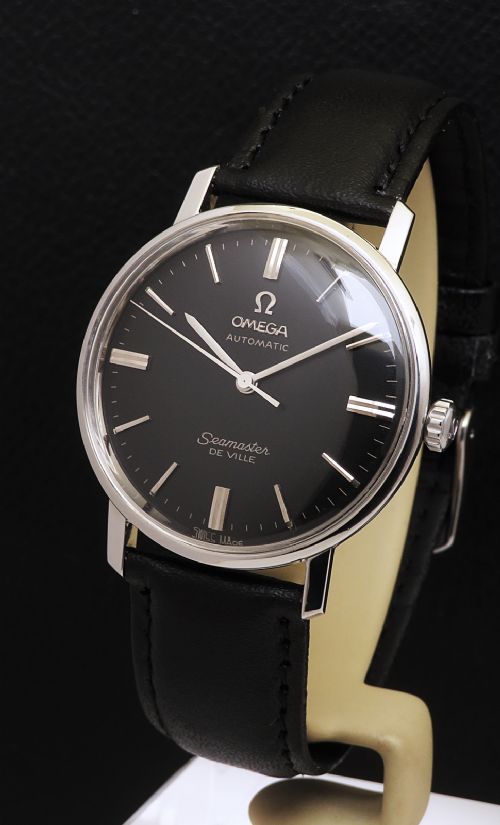
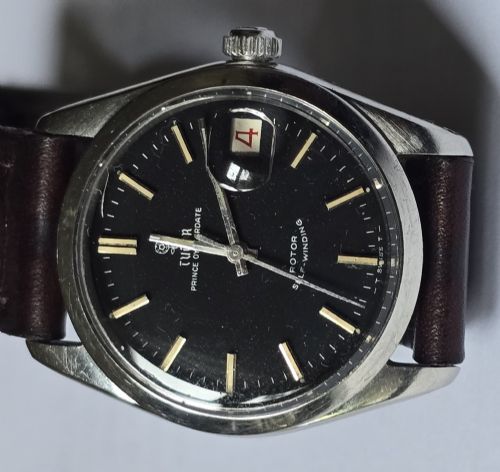
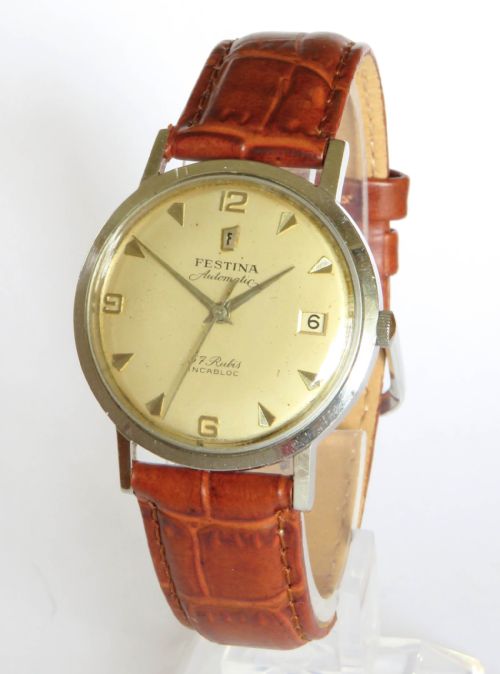
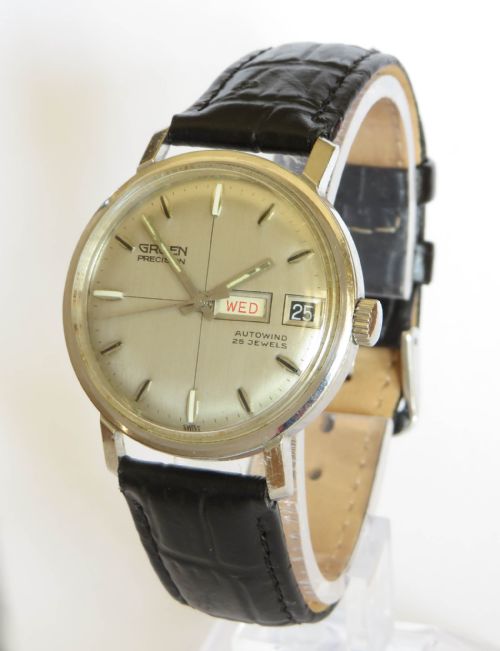
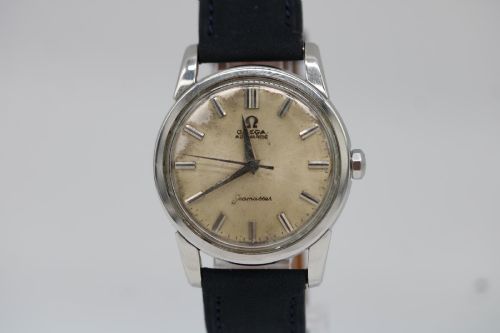
Cases rely primarily on stainless steel and chrome-plated brass, paired with acrylic or glass crystals to protect the dial. These components are frequently complemented by leather straps that secure the watch to the wearer.
Movements inside these pieces depend on intricate brass gear trains, jewels to reduce friction, and steel springs assembled by hand. Dials incorporate enamel or metal finishes, often featuring printed markers and subsidiary seconds counters.
Vintage Steel Timepiece Retail Price Guide 2026
Typical asking prices for vintage steel timepiece among the pieces listed under this phrase on Sellingantiques today, from the lower quarter to the upper quarter. They describe what is for sale here now, not the wider market.
Listings feature stainless steel and brass cases enclosing mechanical movements across decades spanning from the early nineteen-hundreds to the nineteen-seventies.
Evaluating Quality in Mechanical Watches
Quality separates pieces by the precision and complexity of the internal calibre, ranging from simple manual-wind movements to sophisticated chronographs with multiple complications. The reputation of the manufacturing house and the integrity of the original components heavily influence desirability.
Condition plays a major role, particularly regarding the preservation of the dial, the sharpness of the steel case edges, and whether the mechanical movement retains its original parts. Pieces that have maintained their factory finishes without heavy polishing stand apart from those altered over decades of service.
Omega·Tudor·Montilier·Cyma·Hamilton·Seiko·Bulova·Eterna·Antoremi·Festina·Gruen·Longines·Venus·Zenith·Kered
The Vintage Steel Timepiece Glossary
- Calibre
- The specific internal movement design and model created by a watchmaker. This identifier helps specialists distinguish between different mechanical generations.
- Chronograph
- A watch equipped with a stopwatch function alongside its standard timekeeping display. These pieces use independent second hands controlled by pushers on the case.
- Automatic
- A self-winding mechanical movement that uses a weighted rotor to tension the mainspring from the natural motion of the wearer's wrist.
- Crystal
- The transparent cover positioned over the watch face to shield the dial and hands. Acrylic and glass are the primary materials found on these historical pieces.
- Complication
- Any feature on a watch beyond the basic display of hours, minutes, and seconds. Examples include calendar displays and chronograph functions.
Vintage Steel Timepiece: Frequently Asked Questions
How do I wind a manual watch?
Turn the crown gently clockwise between your thumb and forefinger until you feel firm resistance. Stop immediately to avoid over-winding and damaging the internal mainspring.
Perform this action at roughly the same time each day to maintain consistent tension and accurate timekeeping.
Can I wear my vintage watch daily?
Many of these pieces were built for everyday utility, but their older seals mean they lack modern water resistance. Avoid submerging them or exposing them to heavy moisture.
Regular servicing by a professional watchmaker keeps the internal lubricants fresh and ensures reliable daily operation.
What is a bumper movement?
A bumper automatic uses a partial-rotation weighted rotor that swings back and forth against internal springs rather than spinning in a full circle. You can often feel a gentle tap on your wrist as the rotor moves.
This early automatic mechanism represents a transitional phase between manual winding and modern full-rotor self-winding systems.
How do I read a chronograph?
Use the pushers on the side of the case to start, stop, and reset the central stopwatch hand independently of the main time display. Subsidiary dials often record elapsed minutes and hours.
Ensure the stopwatch function is stopped before pressing the reset pusher to protect the internal levers.