


Vintage Stained Glass Panel
A vintage stained glass panel brings colour and narrative into a room, filtering daylight through leaded and hand-painted panes.
Vintage Stained Glass Panel
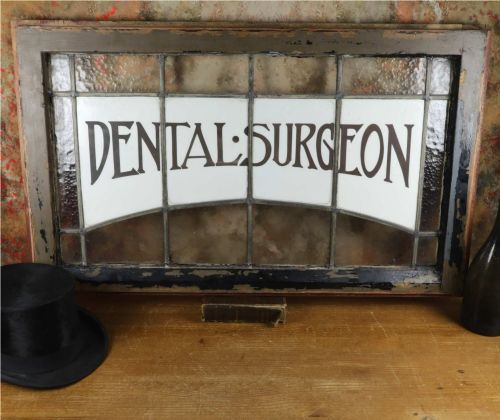
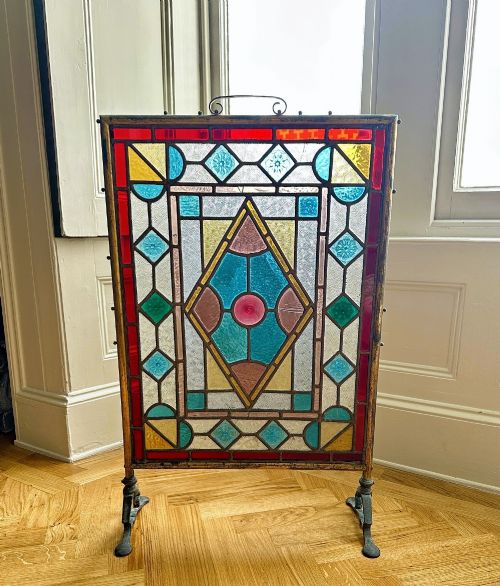
When you search for a vintage stained glass panel, you encounter architectural salvage and decorative glazing originating from periods such as the Victorian era, the Edwardian years, and the 1930s. The selection ranges from domestic window panels and shop signs to fire screens set upon brass or iron stands.
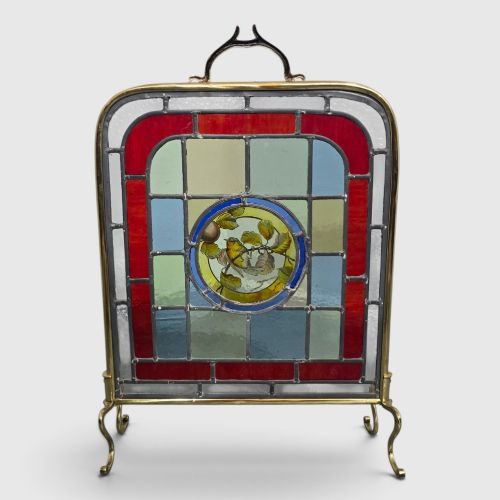
The most common pieces on this page are leaded glass windows featuring hand-painted central scenes, including countryside views, farmhouses, birds on branches, and figurative designs. Alongside these pictorial works, simpler geometric layouts with amber bullseyes and arch top church windows appear regularly.
Materials and construction
These pieces are built from sheets of coloured or clear glass joined together by flexible lead cames, which form the structural grid of the design. Many examples incorporate hand-painted details fired onto the glass surface to depict landscapes, figures, and floral swags with lasting precision.
Framing materials provide physical support for the glass matrix, utilising timber such as pine alongside structural elements of brass and iron. Fire screens integrate the fragile glass panels into sturdy metal stands for domestic hearth placement.
The listings span from 1880 through the Edwardian period and the 1930s, incorporating lead, timber, brass, and iron materials.
Distinctions in quality
Quality rests upon the artistry and execution of the hand-painted elements within the glass, where finely detailed countryside scenes or complex pictorial subjects elevate a piece above standard geometric glazing. The depth of colour and the inclusion of decorative components like amber bullseyes also distinguish finer examples.
The integrity of the lead matrix and the framing materials determines the structural merit of the panel. Pieces retaining their original timber frames, brass firescreen mountings, or architectural proportions demonstrate superior preservation.
The Vintage Stained Glass Panel Glossary
- Came
- A slender, grooved strip of lead used to hold pieces of glass together in a window panel. These flexible strips are soldered at the joints to form the structural network of the design.
- Bullseye
- A small, rounded disc of glass formed by the centre of a glassblower's punty rod. They provide distinct textured accents within leaded windows.
- Architectural salvage
- Building elements rescued from older structures for reuse or display. This category includes church windows, practice glazing, and door panels.
- Fire screen
- A protective screen placed before a fireplace when not in use. Many examples use decorative glass panels mounted on metal or brass stands.
Vintage Stained Glass Panel: Frequently Asked Questions
How do I hang a heavy stained glass panel?
Support the weight of the panel using a substantial chain or wire secured directly to the window frame rather than relying solely on the lead cames. Professional installation ensures the structural load distributes evenly across the timber or metal edges.
Alternatively, mount the panel within a wooden window reveal or display it securely on a dedicated stand upon a mantel or table.
Are these panels suitable for exterior installation?
Most of these pieces originate as interior architectural salvage or decorative screens. Placing them outdoors exposes the historic lead work and hand-painted surfaces to weathering.
For exterior use, secondary protective glazing is typically required to shield the fragile leaded and painted glass from wind and moisture.
How do I clean antique stained glass?
Clean the glass surface gently with a soft cloth and mild, non-abrasive soap. Avoid harsh chemical cleaners that can damage the antique paint or loosen the old lead solder.
Take care around hand-painted areas, as historic pigments can be sensitive to excessive moisture and scrubbing.
What styles are common in these panels?
The listings encompass various design movements including Victorian, Edwardian, Arts and Crafts, Art Nouveau, and Gothic Revival. Each style brings distinct motifs, from floral swags and birds to religious subjects and pastoral scenes.
Architectural forms range from simple domestic window panes to large arch top church configurations.