

Vintage Sports Artwork
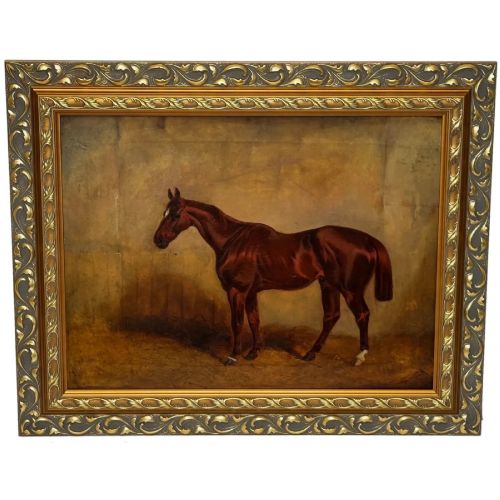
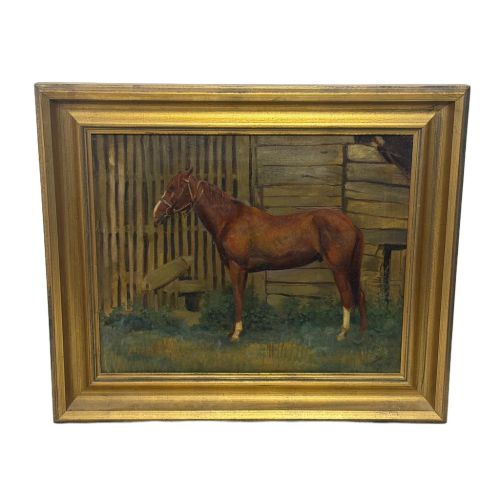
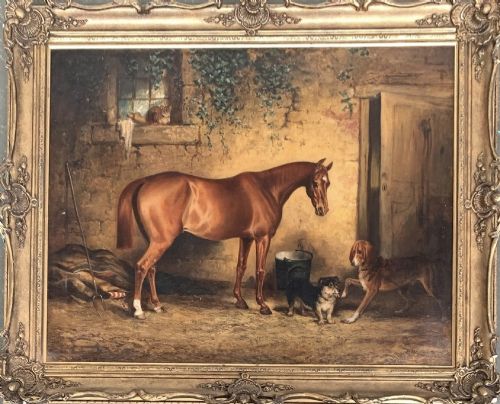
Vintage sports artwork encompasses historic paintings, prints, and drawings capturing equestrian scenes, hunts, and canine portraits from past centuries.
Vintage Sports Artwork
Vintage sports artwork brings together centuries of competitive pastimes, field sports, and equestrian pursuits rendered by British and European artists. When searching this phrase, buyers encounter a rich assortment of paintings, engravings, and framed prints depicting horses, hounds, racing pigeons, and field sports.
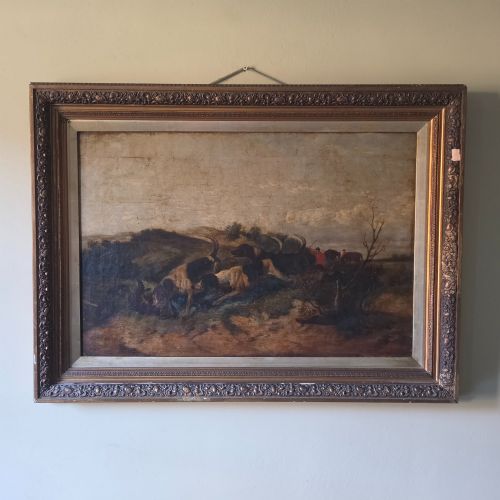
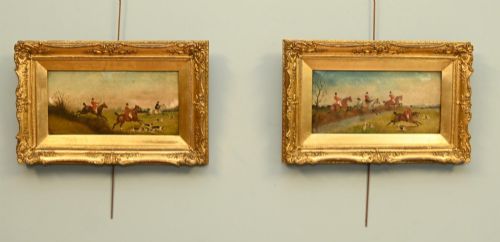
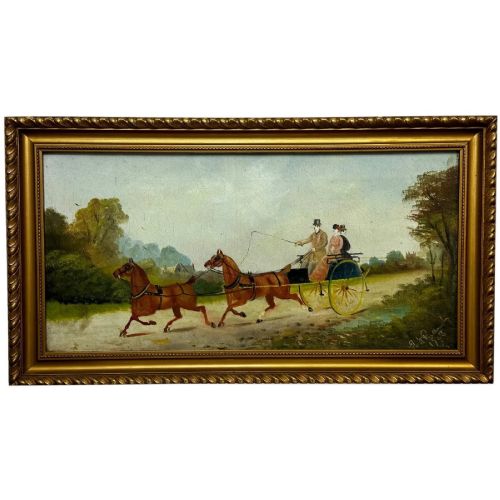
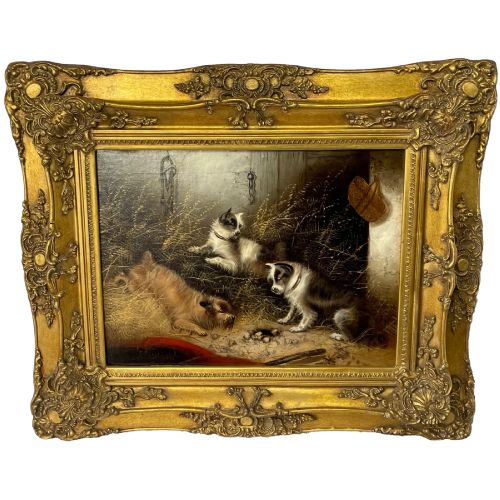
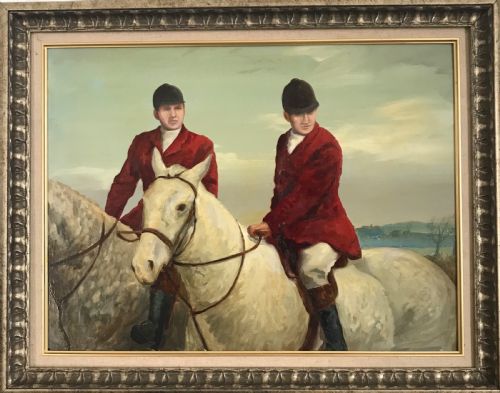
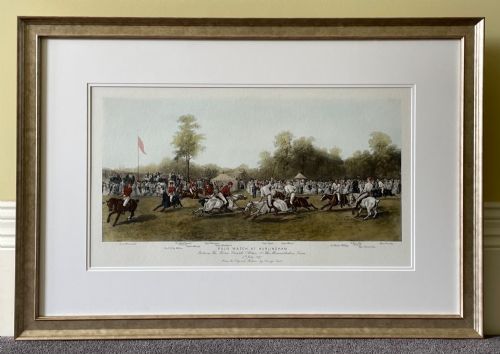
The selection ranges from detailed nineteenth-century oil paintings of fox hunts and carriage journeys to mid-century depictions of the Olympic games and boxing matches. Works span Georgian, Victorian, Edwardian, and mid-century periods, showcasing subjects like polo matches, fishing scenes, and working terriers.
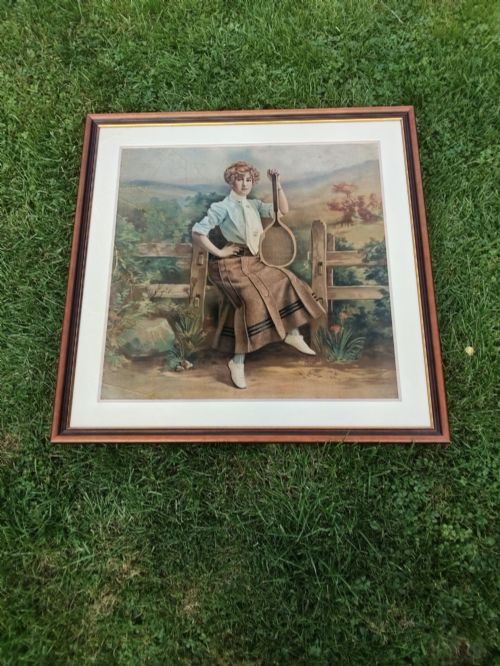
Oil on canvas and paper prints dominate the offerings, often housed within period frames and glazed enclosures. These pieces capture the energetic movement and cultural importance of historic sport through portraits of famous racehorses, working dogs, and athletes in action.
How they were made
Artists utilised oil paint on canvas or wood panels, alongside watercolours, pastels, and ink on paper to render dynamic sporting subjects. Lithographs and engravings reproduced popular compositions for wider distribution, often after works by prominent painters.
Many works incorporate traditional framing techniques utilising wood, giltwood, and glass protection to preserve paper prints and watercolours. The combination of pigment, gold leaf, and robust wooden supports reflects standard workshop practices across the nineteenth and twentieth centuries.
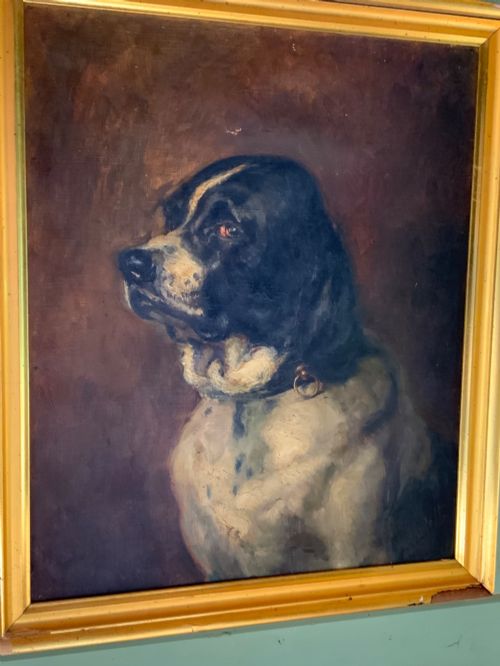
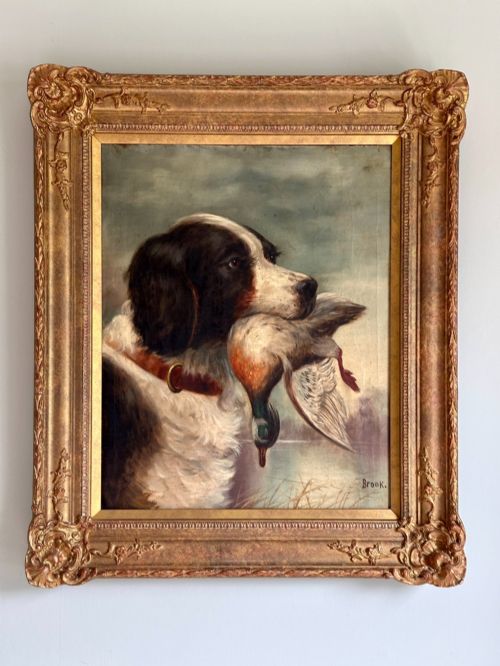
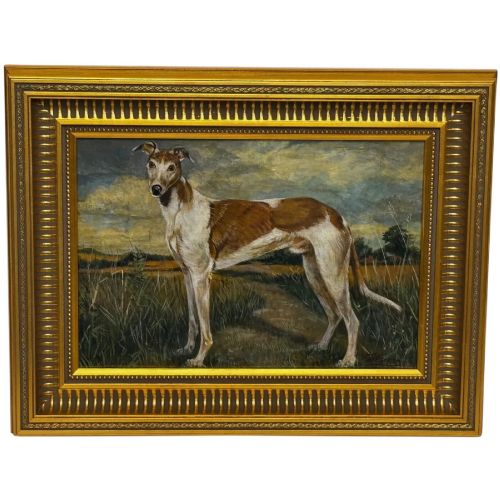
Dogs make frequent appearances in these artworks, doubling as steadfast hunting companions and surprisingly expressive portrait subjects.
What varies in quality
The standard of an artwork is determined by the artist's ability to capture anatomical accuracy in horses, hounds, and human figures during motion. Masterful brushwork and depth of composition distinguish accomplished academic or professional painters from anonymous school works.
Preservation of the original medium, the condition of the paper or canvas, and the authenticity of the accompanying period frame influence the standing of each piece. Provenance linking a painting to specific estates or established galleries adds historical weight to the item.
Lionel Ellis·Henry Barraud·Edmund Bristow·Edward Armfield·William Woollett·George Stubbs·Thomas Smythe·James Stroudley·Samuel Rabin·George Wright·William Albert Clarke·Fred Fitzpatrick·C. H. Weigall·Ernest Payne·J. C. Dollman·John Frederick Herring Snr·John Emms
The Vintage Sports Artwork Glossary
- Lithograph
- A print produced by a printing process on a flat surface using oil and water repulsion. This technique allowed artists to reproduce detailed drawings and paintings for collectors.
- Giltwood
- Wood that has been coated with a thin layer of gold leaf or gold paint. Frames utilising this material were designed to enhance the visual appeal of oil paintings and prints.
- Triptych
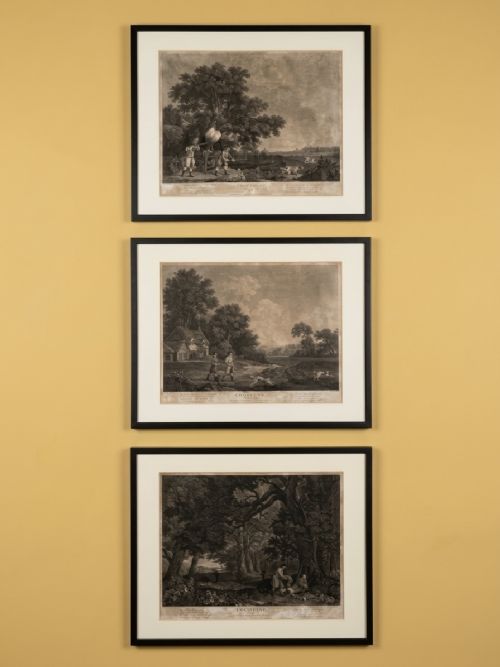
- A picture or relief carving on three panels hinged together side by side. Artists utilised this format to present sequential sporting events or multi-part athletic scenes.
- Grisette
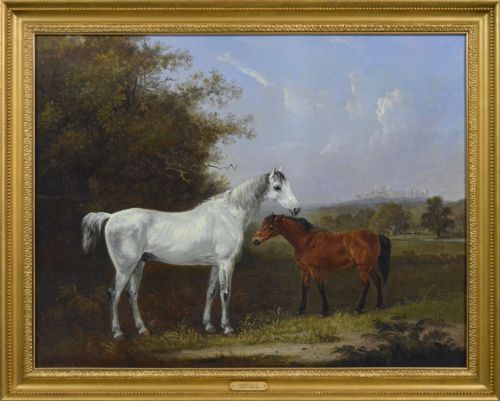
- A term historically used in naming grey female horses or depicting specific equine coats. Equestrian artists employed this description for grey mares within portrait titles.
- Aquatint
- A etching method used to produce tones resembling watercolours. Printmakers applied this technique to create shaded prints of sporting and coaching scenes.
Vintage Sports Artwork: Frequently Asked Questions
What subjects appear in vintage sports artwork?
These works depict a wide variety of traditional pastimes, including fox hunting, horse racing, polo matches, fishing, and boxing.
Artists also frequently focused on animal portraits, particularly racehorses, hunters, gundogs, and working terriers in landscape settings.
How do I identify the age of a piece?
Dating relies on stylistic evidence, artist signatures, framing materials, and traditional inscriptions recorded on the canvas or reverse of the wood panel.
Reference to specific periods such as the Edwardian era, Georgian period, or mid-century modern style provides a reliable timeframe for creation.
Were these artworks created as originals or prints?
The selection includes both unique handmade creations and mass-produced reproductions of famous compositions.
Original oil paintings and watercolours exist alongside period engravings and lithographs published after established painters.
How should I display framed paper pieces?
Framed prints, watercolours, and drawings require placement away from direct sunlight to prevent fading of the paper and pigments.
Maintaining stable indoor humidity levels helps preserve the integrity of the paper supports, glass glazing, and wooden frames.