

Vintage Sporting Art Painting
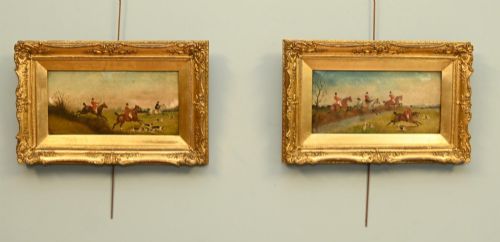
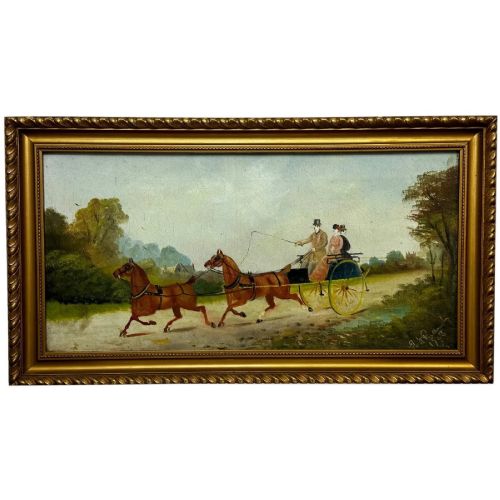
Vintage sporting art painting captures the speed, power and tradition of equestrian life, racing and field sports through centuries of skilled brushwork.
Vintage Sporting Art Painting
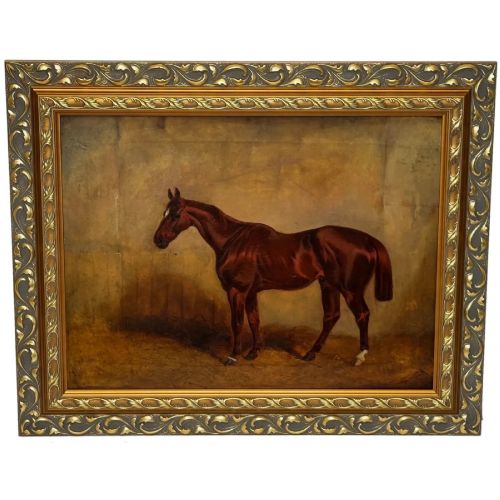
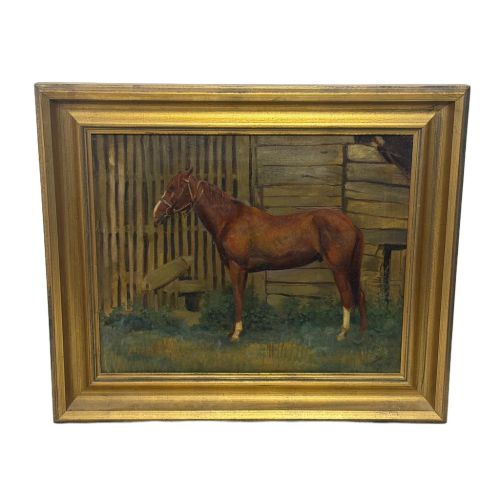
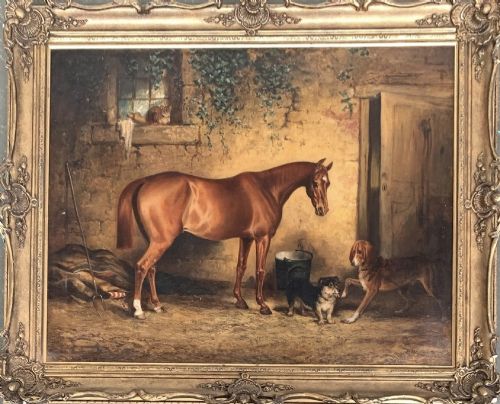
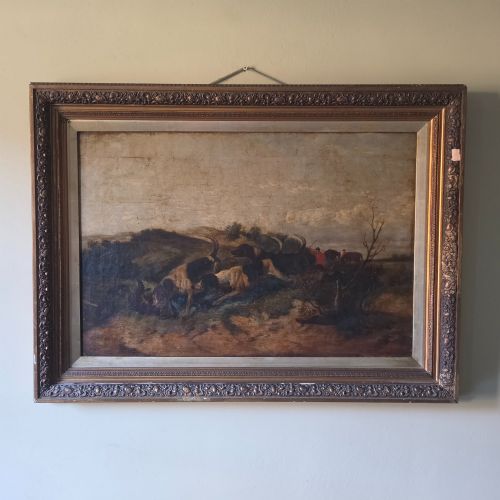
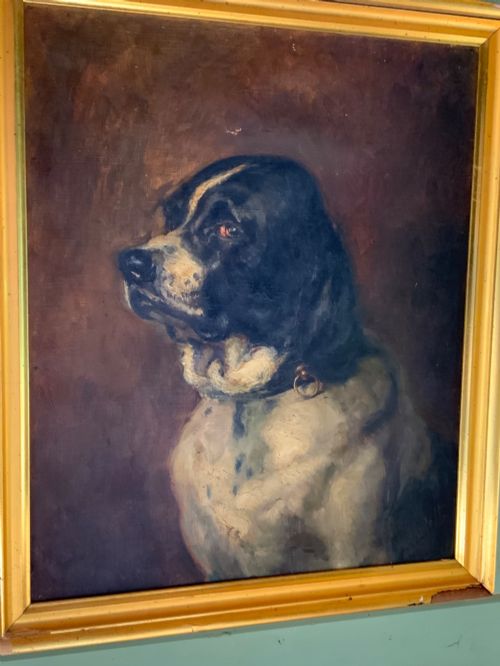
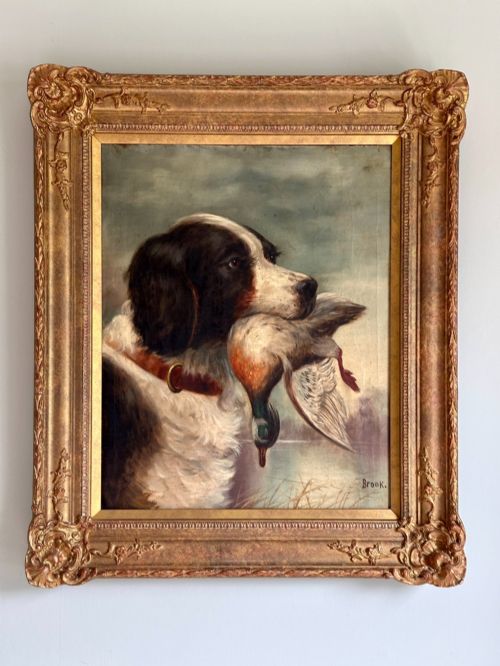
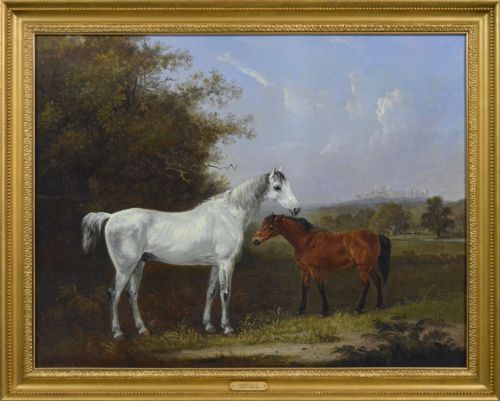
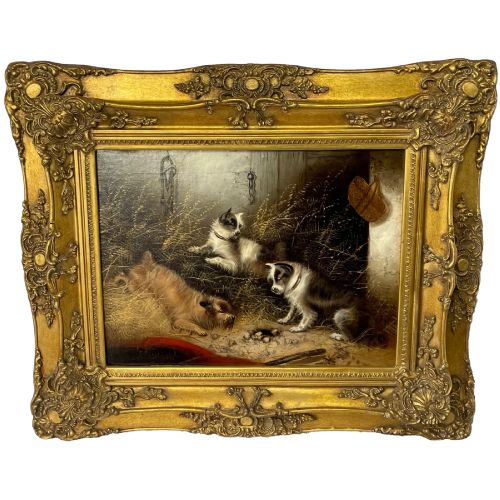
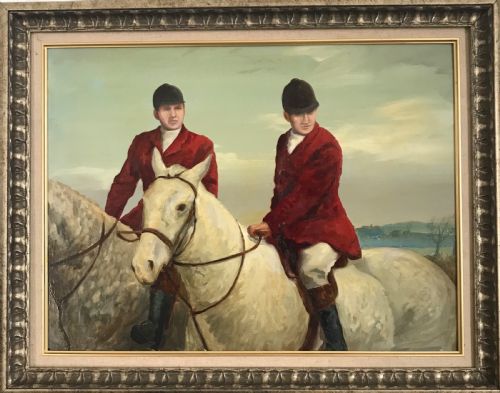
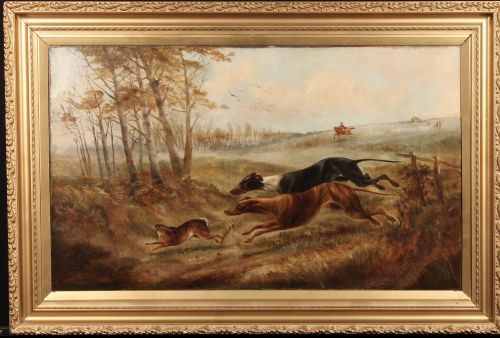
A vintage sporting art painting records the pursuits of the countryside and the track, focusing heavily on horses, hounds, game birds and racing scenes. Buyers searching this phrase encounter equine portraits, hunting landscapes, and depictions of polo, fishing and racing.
The material on this page spans the nineteenth century through the mid twentieth century, encompassing Victorian and Edwardian periods as well as mid-century modern interpretations. Works range from detailed oil on canvas portrayals of prize hunters to lighter watercolours and gouache studies of dogs and racing paddocks.
How they were made
Techniques varied from meticulous academic realism capturing the exact conformation of a racehorse to looser, impressionistic brushwork and gouache studies that prioritised movement and atmosphere over fine detail.
Listings span the nineteenth and twentieth centuries, incorporating oil on canvas, watercolour, paper, wood, and giltwood framing.
What varies in quality
Quality rests on the artist's anatomical precision, particularly in rendering the muscle structure and posture of horses and dogs, alongside the liveliness of the composition. A superior canvas conveys tension and motion naturally, whereas weaker examples lapse into stiff and formulaic portraiture.
The handling of light and landscape context also distinguishes the tier of work. Stronger pieces integrate the animal fully into a believable setting, using tone and atmosphere to anchor the subject rather than placing it against a generic backdrop.
Henry Barraud·George Armfield·Thomas Smythe·James Stroudley·Samuel Rabin·George Wright·William Albert Clarke·Fred Fitzpatrick·Ernest Payne·George Rankin·Philip Rideout·Thomas Walker Bretland·John Frederick Herring Snr·John Emms·Alfred Munnings·John Rattenbury Skeaping·Arthur Wardle·Albert Clark·Gertrude Halsband
The Vintage Sporting Art Painting Glossary
- Giltwood
- Wood carved and coated with gold leaf or a gold-coloured finish. This material is commonly found framing nineteenth-century oil paintings.
- Gouache
- An opaque method of water-based painting that yields bright, solid colours. Artists use this medium on paper for detailed sporting and racing scenes.
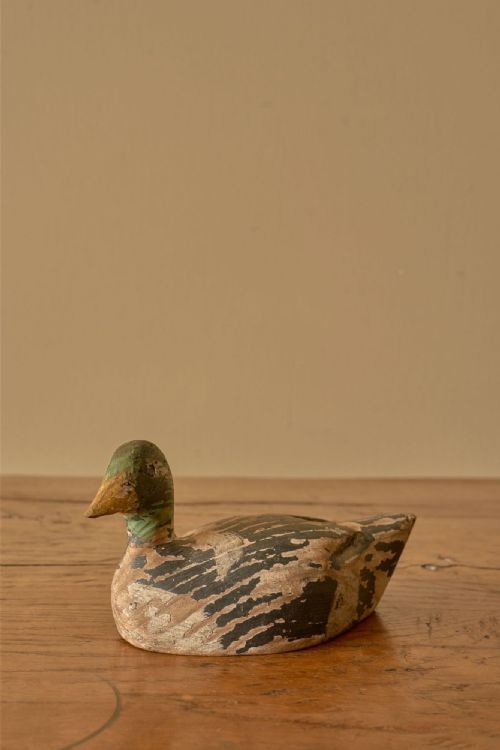
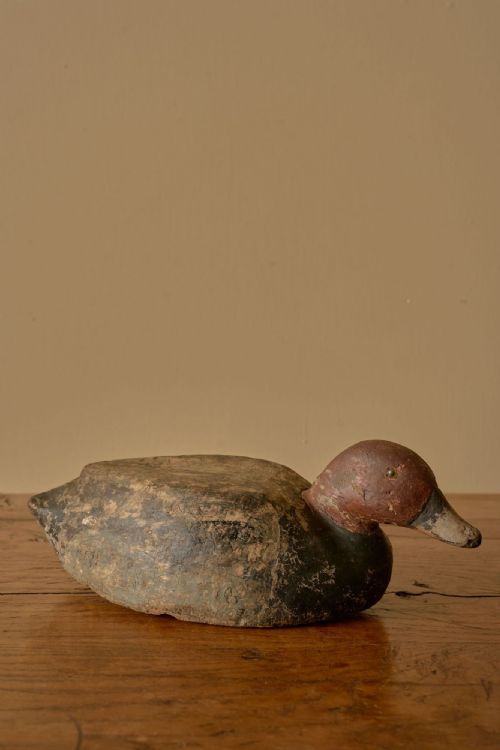
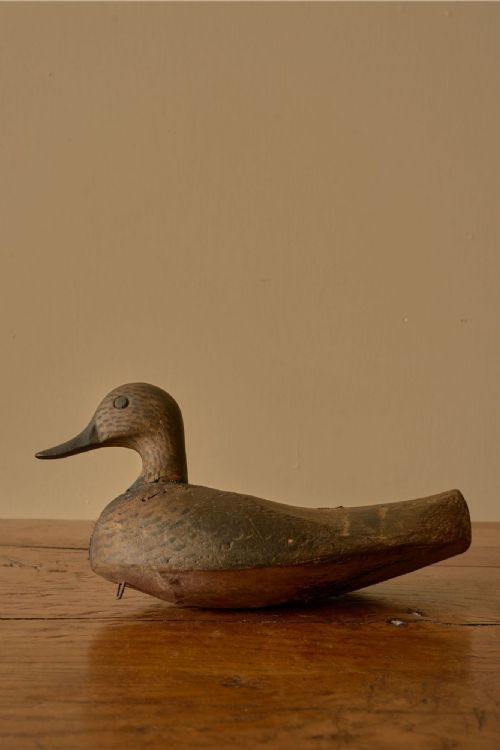
- Decoy
- A carved and painted wooden representation of a bird, such as a duck or pigeon. These objects were utilised in the field before transitioning into decorative art.
- Provenance
- The documented history of ownership belonging to an artwork. Tracing this record confirms authenticity and links a piece to notable collections or estates.
Vintage Sporting Art Painting: Frequently Asked Questions
How do I identify a Victorian sporting painting?
Victorian sporting works typically feature rich oil on canvas mediums, dark varnishes, and detailed depictions of hunters, hounds, or coaching scenes framed in ornate giltwood.
The brushwork prioritises anatomical accuracy and realistic textures in animal coats, frequently reflecting the formal aesthetic of nineteenth-century British country life.
Where should I hang a large equine painting?
Large equine portraits demand substantial wall space and benefit from placement in a principal room where adequate lighting can highlight the canvas.
Keep them away from direct sunlight and damp environments to protect the oil paint and historical wooden frames from deterioration.
What is the difference between oil and watercolour sporting art?
Oil paintings on canvas offer deep colour saturation and a heavy, textured presence well-suited to formal nineteenth-century animal portraiture. Watercolours on paper provide a lighter, more fluid impression often favoured in twentieth-century studies.
Watercolours require glass protection, whereas oil canvases remain open to the air within their frames.