




Vintage Spirit Caddy
A vintage spirit caddy secures your finest bottles with clever lockwork or displays them in neat frames, bringing both hospitality and period craftsmanship to the sideboard.
Vintage Spirit Caddy
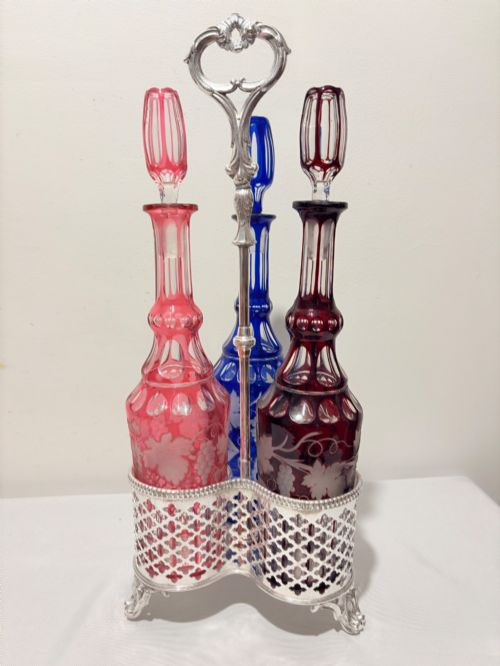
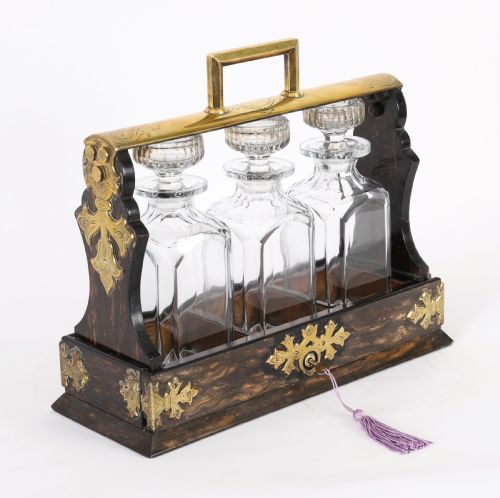
A vintage spirit caddy brings together several forms of antique barware, from locking tantalus frames and decanter stands to cellarets and liqueur sets. You will most frequently encounter oak and mahogany tantalus designs alongside silver plated decanter frames and glass dispensers dating from the Victorian and Edwardian periods.
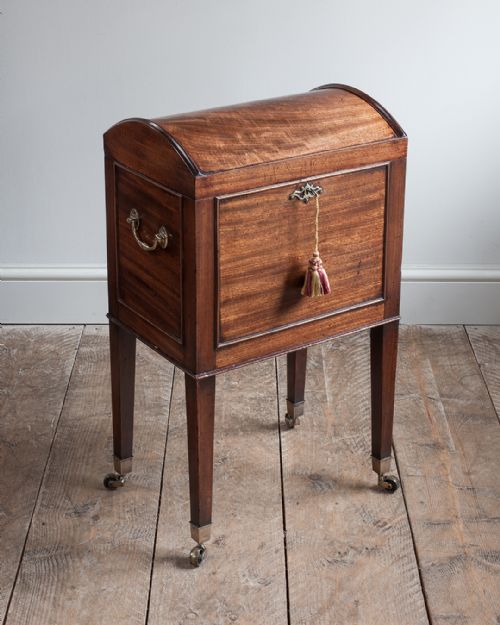
The assortment on this page ranges from George III and 18th century cellarettes to Art Deco chrome and glass modernism and French cocktail sets. Each piece serves the primary purpose of holding spirits securely or presenting decanters and glasses with formal elegance.
Materials and construction
Cabinet makers utilised dense hardwoods such as oak and mahogany to build the frames, cellarets, and carrying cases, often mounting them with brass corners, lock mechanisms, and handles. These wooden structures hold the bottles firmly, whether in a floor-standing cellaret or a tabletop locking tantalus.
Metalworkers applied silver plating over base metals or shaped chrome to create the decanter stands, bottle frames, and cocktail accessories. Cut glass, frosted crystal, and coloured glass form the decanters, barrels, and beakers that sit inside these metal and wooden housings.
The tantalus gets its name from Greek mythology, keeping drinks visible yet tantalisingly out of reach until someone finds the key.
Distinguishing quality in spirit caddies
The sophistication of the mechanical locking mechanism and the integrity of the fitted key separate standard production items from finer examples. Superior pieces feature robust brass mounting and smooth-working locking bars that secure every decanter neck simultaneously.
The weight and clarity of the cut crystal or glass, coupled with the heaviness of the silver plating on the frame, dictate the overall standard. Artisanal cabinet work with well-figured mahogany or quarter-sawn oak indicates a higher grade of manufacture.
Walkers Whisky·Jacques Adnet·Maison Barra
The Vintage Spirit Caddy Glossary
- Tantalus
- A locking drink container that keeps decanters secure behind a wooden or metal bar. The bottles cannot be removed without a key, hence the name derived from mythological torment.
- Cellaret
- A lockable cabinet or standalone chest designed to store bottles of wine and spirits safely. These pieces often feature fitted interiors and heavy timber construction.
- Liqueur set
- A matching collection of small bottles and beakers, sometimes housed in a dedicated leather or wooden carrying case. They are intended for serving after-dinner drinks.
Vintage Spirit Caddy: Frequently Asked Questions
How do you open a vintage tantalus?
Most tantalus frames require a matching key to turn the lock mechanism, which lifts or swings the top retaining bar away from the decanter stoppers.
Once the bar clears the glass necks, the decanters lift freely out of their wooden base slots.
What is the difference between a tantalus and a cellaret?
A tantalus is an open-framed holder with a locking bar across the decanters, allowing guests to see the bottles while preventing unauthorised pours.
A cellaret is a larger enclosed box, chest, or cabinet designed to store multiple bottles out of sight.
How can I date a wooden spirit caddy?
Dating relies on identifying the timber species, joinery methods, and the style of brass mounts or lock hardware.
Georgian and 18th century pieces use heavy mahogany with subtle hand-cut joints, while Victorian and Edwardian examples frequently feature quarter-sawn oak with stamped brass or plated fittings.
Are the decanters original to the frames?
Many pieces retain their matched cut crystal decanters, but replacement bottles are common due to breakage over decades of use.
Examining the fit in the base and the pattern of the cut glass helps determine if the bottles belong to the original frame.