



Vintage Soldier Wall Art
These vintage soldier wall art pieces capture centuries of military character through oils, watercolours and panels, offering a striking focal point for any interior.
Vintage Soldier Wall Art
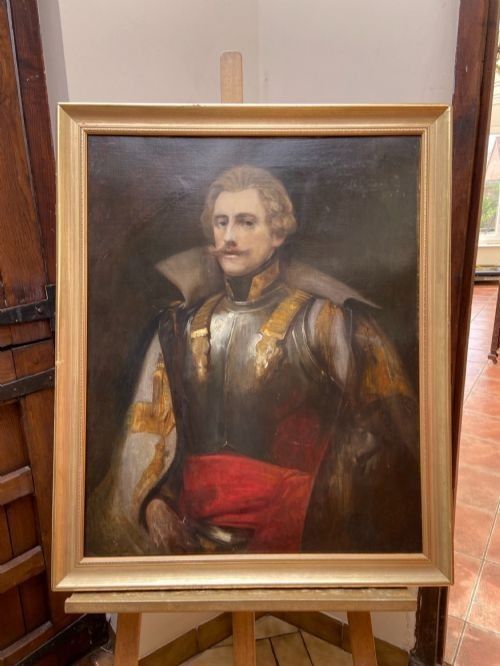
Vintage soldier wall art encompasses painted panels, framed portraits, and detailed watercolours depicting military figures across various historical periods. Buyers pursuing this theme often encounter works ranging from early twentieth century depictions to nineteenth century portraits.
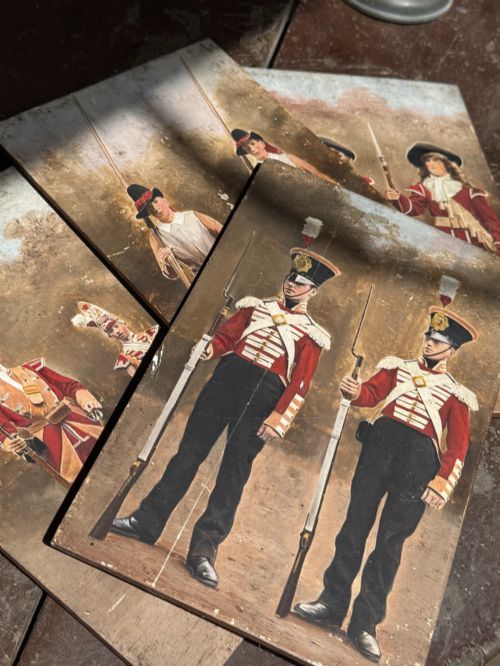
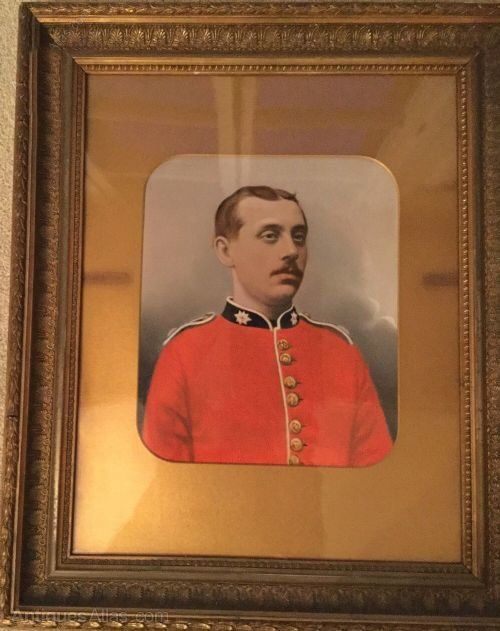
The selection includes specific military depictions such as First World War subjects, Coldstream guardsmen, and sixteenth century cavaliers. These pieces frequently manifest as framed art, oil paintings, and hand painted panels.
Examples span several distinct eras, incorporating Edwardian watercolours, Art Deco mirrors featuring military motifs, and mid twentieth century oil paintings on board. Each object presents a unique perspective on military personnel and historical battle scenes.
Materials and construction
Makers utilised traditional supports including wood panels, canvas, paper, and glass for these works. Oil and watercolour paints predominate, often applied with fine detail to capture uniforms and facial expressions.
Framed pieces incorporate wood surrounds, such as oak, to protect the delicate paper or canvas surfaces. Hand painted panels and porcelain wall plaques demonstrate alternative techniques employed to represent military subjects.
Vintage Soldier Wall Art Retail Price Guide 2026
Typical asking prices for vintage soldier wall art among the pieces listed under this phrase on Sellingantiques today, from the lower quarter to the upper quarter. They describe what is for sale here now, not the wider market.
A cheerful fairground figure stands ready to salute any room with unexpected military charm.
Evaluating the standard of pieces
The choice of medium and the condition of the underlying panel, canvas, or paper influence the overall standing of an artwork. Signatures from documented artists or period makers add notable authority to individual pieces.
G Hindle·Jean Sobieski·Frank Dadd
The Vintage Soldier Wall Art Glossary
- Panel
- A flat piece of wood or other rigid material used as a support for painting. Wooden panels are common in early twentieth century works.
- Watercolour
- A painting method where the paints are made of pigments suspended in a water-based solution. These works are typically executed on paper.
- Cavalier
- A horse soldier or cavalryman, frequently depicted in historical revival art and portraits. This subject appears across nineteenth and early twentieth century works.
- Oil painting
- The process of painting with pigments that with a medium of drying oil. This technique provides rich colour depth in military portraits.
- Gouache
- An opaque water-based paint often used alongside watercolour in illustrative sketches. It offers solid colour areas in detailed battle scenes.
Vintage Soldier Wall Art: Frequently Asked Questions
What periods do these artworks cover?
The selection spans multiple eras, beginning with nineteenth century portraits and extending through Edwardian and First World War pieces into the mid twentieth century. Later twentieth century hand painted panels also appear within the category.
Each period brings distinct artistic styles, ranging from traditional oil paintings to folk art figures and Art Deco wall mirrors.
What materials were used?
Artists employed oil and watercolour paints on canvases, paper sheets, and wooden panels. Glass and porcelain also feature in specific decorative wall plaques and mirrors.
Wooden frames, including oak examples, frequently enclose these artworks to provide structural support and protection.
How should I hang these pieces?
Ensure your wall can support the weight of heavier wooden panels or framed oil paintings. Use appropriate fixings suited to the specific wall type in your home.
Position the artwork away from direct sunlight to protect watercolours and painted surfaces from fading over time.
Are these works signed?
Certain pieces feature artist signatures, such as works by G Hindle or Frank Dadd, which help identify the creator. Other items remain unsigned, reflecting anonymous studio production or folk art traditions.
Signatures typically appear in the corners of paintings or on accompanying printed cards.