



Antique Soldier Illustrations
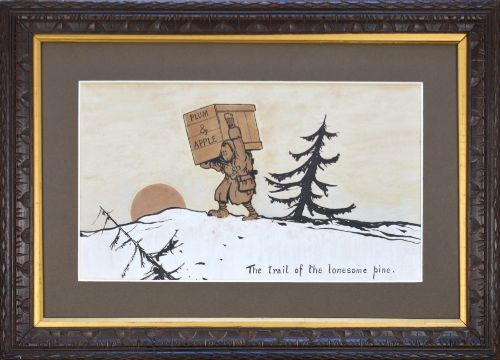
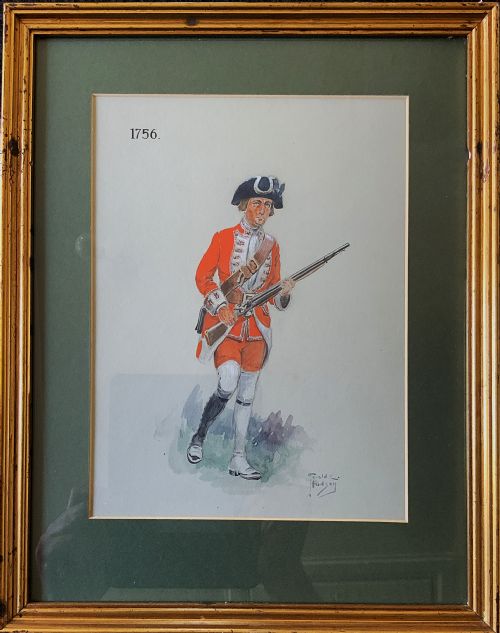
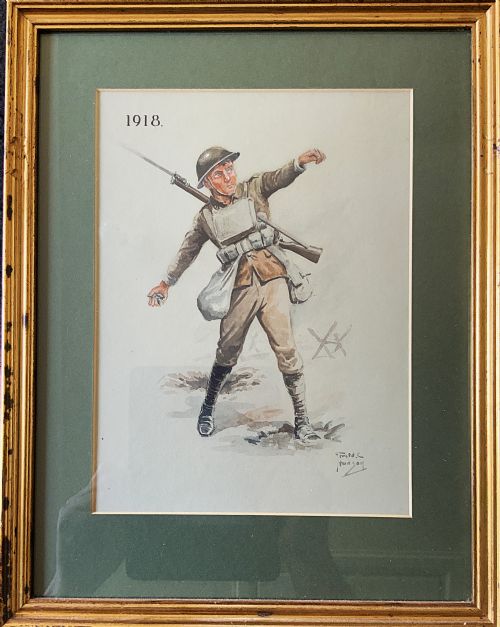
These antique soldier illustrations capture military history on paper through original watercolours, ink drawings, and period prints.
Antique Soldier Illustrations
When you search for antique soldier illustrations, you find original watercolours, ink drawings, and period portrait paintings depicting military figures and battle scenes. The pieces on this page span from the nineteenth century through the Edwardian era and the First World War.
You are most likely to meet framed watercolour paintings and charcoal battlefield drawings produced across various decades. These artworks range from portraits of British and Belgian soldiers to detailed depictions of historical campaigns.
The selection includes individual works as well as sets and pairs, showing subjects from the Napoleonic era up to the mid-twentieth century.
How they were made
The resulting works are typically housed in traditional frames made of wood or gilt wood, often under glass to protect the delicate paper surfaces from environmental damage.
Antique Soldier Illustrations Retail Price Guide 2026
Typical asking prices for soldier illustrations among the pieces listed under this phrase on Sellingantiques today, from the lower quarter to the upper quarter. They describe what is for sale here now, not the wider market.
The selection includes individual framed portraits, paired sketches of military personnel, and multi-part sets from the Edwardian and First World War periods.
What varies in quality
The distinction between standard works and exceptional pieces lies in the strength of the draughtsmanship and the clarity of the subject matter. Portraits with detailed uniform accuracy and named historical context stand apart from generic sketches.
The quality of the materials and framing also influences the piece, with original period frames and well-preserved pigments retaining greater visual impact.
Bruce Bairnsfather·Leopold Halvoet·Snaffles
The Antique Soldier Illustrations Glossary
- Watercolour
- A painting method in which the paints are made of pigments suspended in a water-based solution. This medium allowed artists to work quickly in the field or studio.
- Wash
- A thin, transparent layer of diluted watercolour or ink applied to paper. It creates smooth backgrounds and subtle shadows in military portraits.
- Charcoal
- A dry drawing medium made from finely ground organic materials held together by a gum or wax binder. It produces rich dark marks suitable for dramatic battlefield scenes.
- Gilt wood
- Wood that has been treated with a thin layer of gold leaf or gold paint. Frames finished in this manner were commonly used for framing important portraits.
Antique Soldier Illustrations: Frequently Asked Questions
What periods do these military illustrations cover?
The listings include works from the nineteenth century, the Edwardian period, and the First World War era. Artists recorded subjects ranging from earlier campaigns up to the mid-twentieth century.
This broad timeline means you can find pieces reflecting distinct military uniforms and artistic styles from different historical decades.
Are these works original or printed?
The majority of pieces on this page are original hand-painted watercolours, pen and ink drawings, or charcoal sketches. Artists produced these works directly on paper.
Some listings also feature vintage printed cards alongside unique painted portraits, depending on the specific item.
How should I frame and display paper artwork?
Because these pieces are created on paper using media like watercolour and ink, they require protection behind glass. Proper framing prevents airborne dust and moisture from damaging the delicate pigments.
Keep framed artworks away from direct sunlight to avoid fading the watercolours and charcoal over time.
What subjects typically appear in these illustrations?
Common subjects include individual military portraits of soldiers and sailors, combat scenes, and battlefield drawings. Some works document specific historical conflicts such as the Napoleonic Wars and the First World War.
Artists often recorded the names of soldiers and specific locations on the works themselves.