


Vintage Smoking Accessories
Vintage smoking accessories are personal and table pieces from past centuries that bring tactile pleasure and historic character to a room.
Vintage Smoking Accessories
Vintage smoking accessories comprise a diverse group of objects designed for tobacco use, spanning floor-standing stands, table lighters, cigarette cases, and pipe racks. These items bridge utilitarian habit and decorative arts, reflecting social rituals from the nineteenth and twentieth centuries.
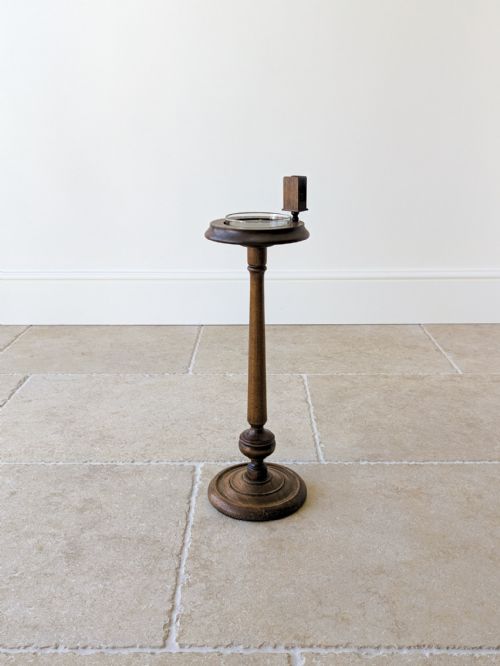
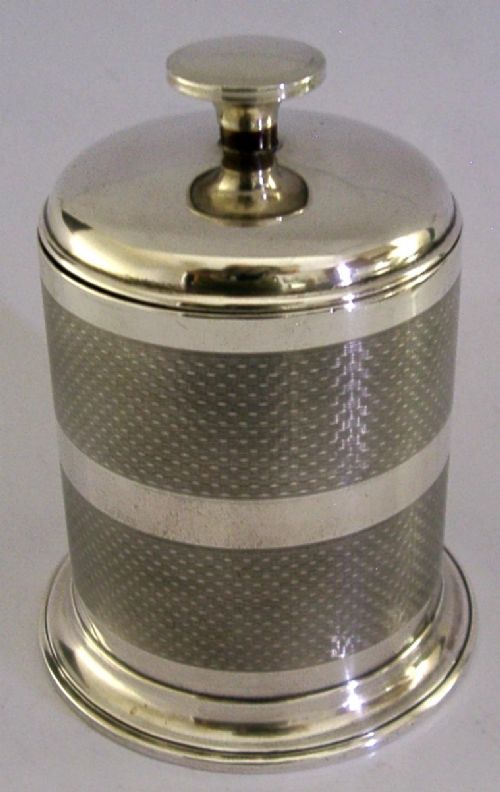
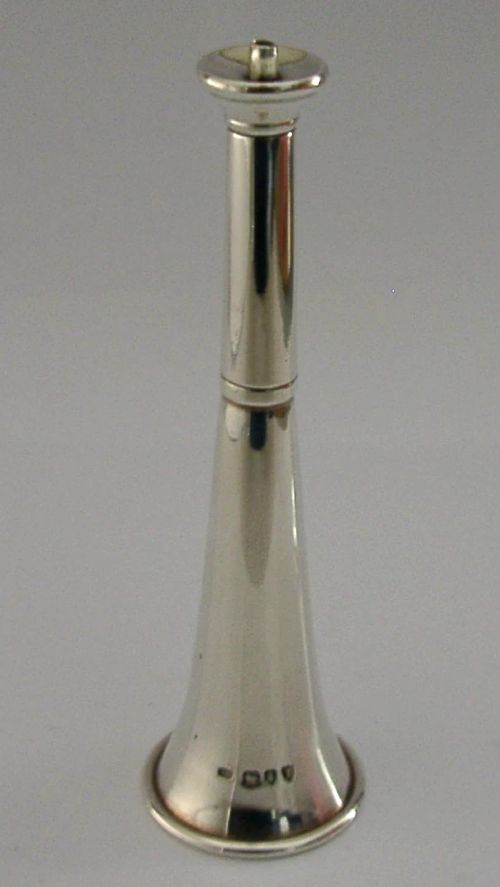
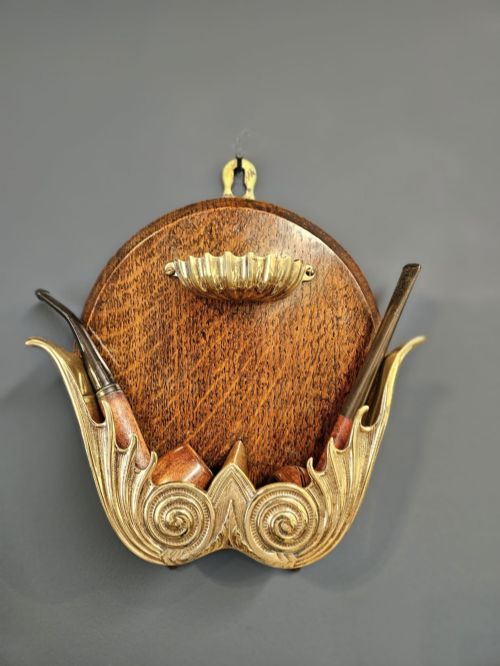
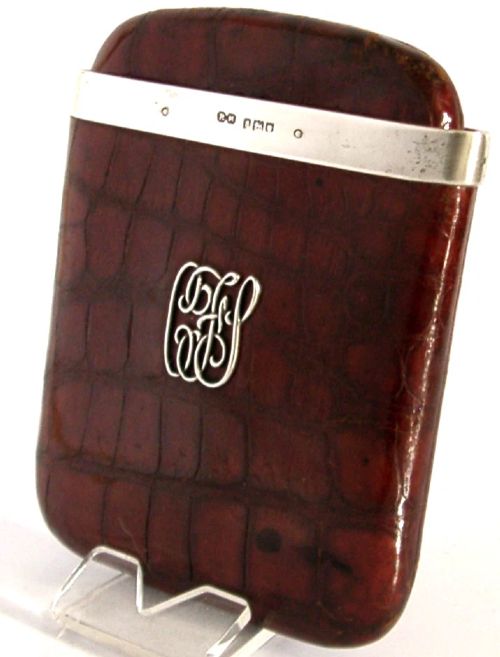
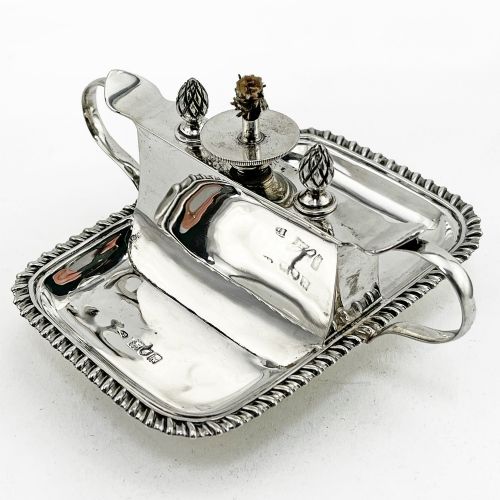
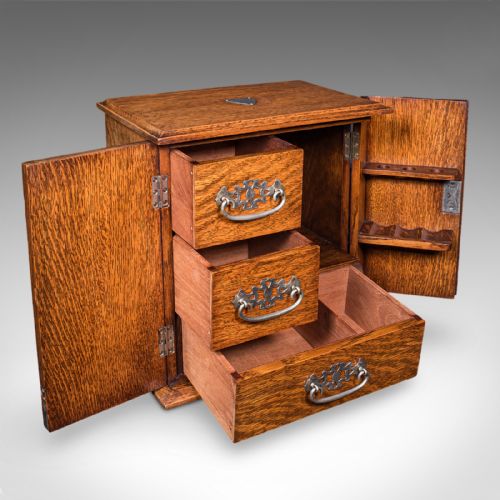
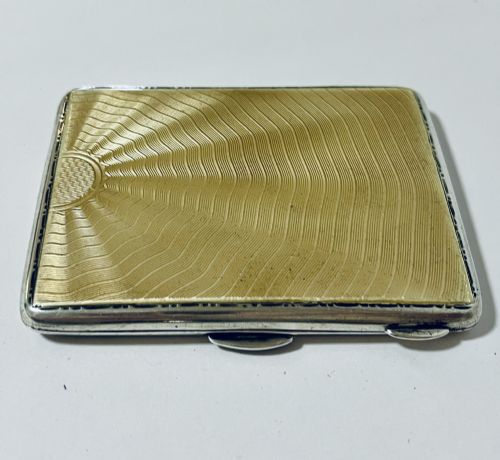
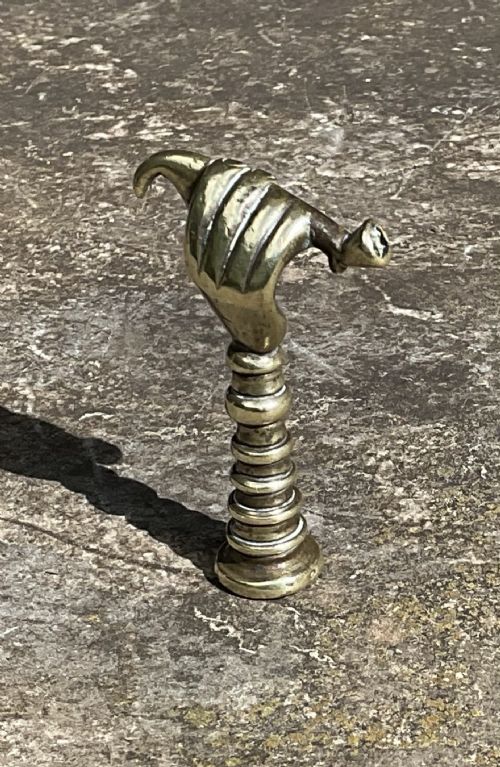
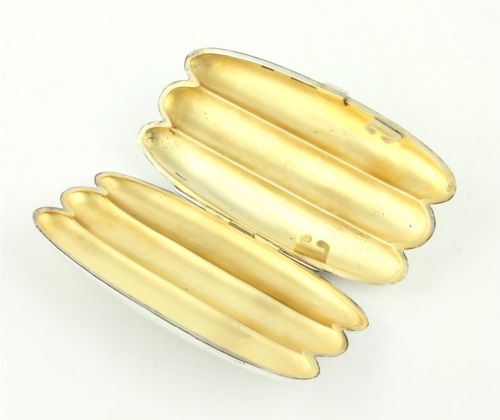
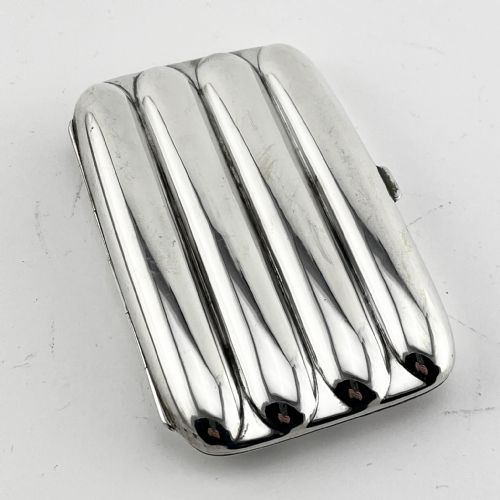
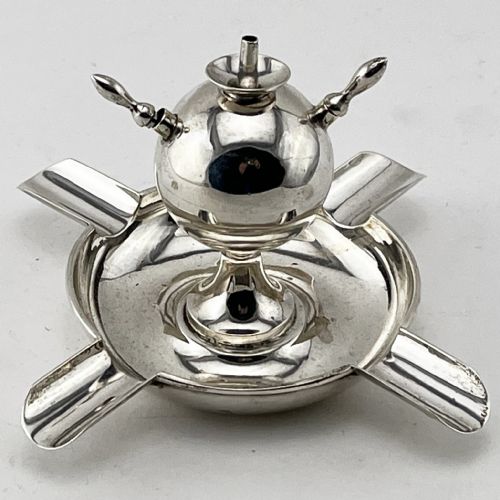
The pieces represented in this selection draw from Victorian, Edwardian, and Art Deco periods, encompassing robust oak and mahogany floor stands alongside pocket cases in silver and leather. Buyers encounter everything from simple brass pipe tampers to elaborate figural table lighters modelled as animals, horns, and classical oil lamps.
Form follows function across the category, dividing broadly into portable items meant for personal carriage and stationary pieces intended for desks, smoking rooms, and drawing tables. Cabinetry, compendiums, and tabletop boxes provide secure storage for cigars, tobacco, and matches.
How they were made
Silversmiths and metalworkers shaped sterling silver, brass, and silver gilt into match safes, lighter bodies, and decorative mounts using traditional techniques of casting, repoussé, and engraving. Many items incorporate functional mechanical elements, such as hinged lids, spring-loaded dispensers, and threaded glass collars.
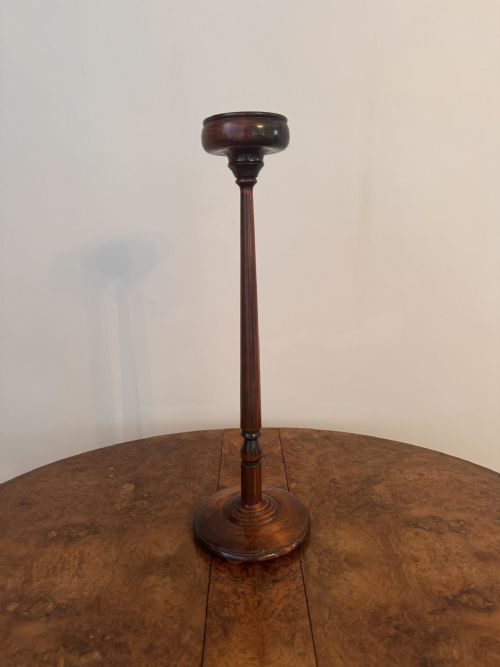
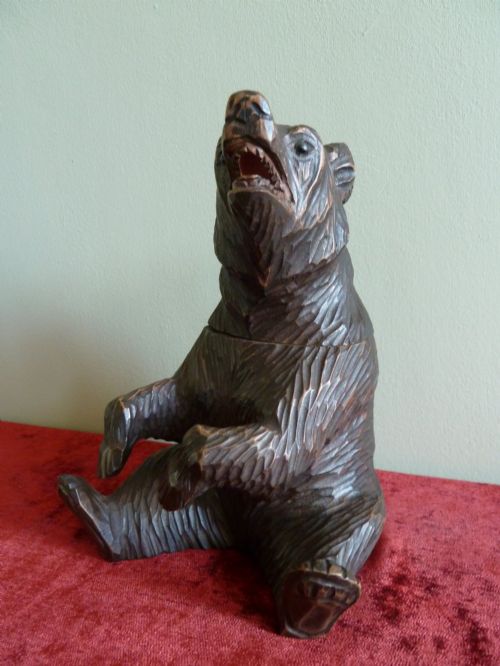
Cabinetmakers and carvers utilised dense hardwoods including mahogany, burr walnut, and oak to construct floor stands, pipe racks, and locking humidors, frequently enhanced by turned brass details. Carved wooden items from the Black Forest region demonstrate intricate manual shaping of bears and natural motifs.
Exotic and luxury materials receive specialised treatment, with crocodile leather, shagreen, glass, and onyx fitted neatly to precious metal frameworks. Pocket cases rely on precise stitching and leather-working skills to secure delicate interior linings and rigid frames.
What varies in quality
Quality rests significantly upon the reputation of the maker and the finesse of the execution, distinguishing standard workshop output from signed luxury goods by established silversmiths and retailers. Hallmarks, maker marks, and retail stamps provide clear benchmarks for provenance and material standard.
The choice and integrity of materials dictate overall merit, separating simple utilitarian pieces from those employing high-grade sterling silver, genuine exotic skins, and select hardwoods with rich figuring. Finely detailed hand-carving and crisply cast figural forms hold greater visual weight than mass-produced alternatives.
Braham·Goldsmith & Silversmith·Zimmerman·Cartier·Hermes, Paris·George Betjemann
The Vintage Smoking Accessories Glossary
- Vesta
- A small pocket container designed to hold matches safely. These often feature textured striking panels on the base.
- Compendium
- A fitted box or stand housing multiple smoking requisites together. They organise matches, cigars, and lighters in one vessel.
- Humidor
- A moisture-controlled box or cabinet built to keep cigars fresh. Lined woods help maintain internal humidity.
- Tamper
- A small tool used to press down burning tobacco inside a pipe bowl. They are frequently cast in brass or carved from metal.
- Shagreen
- Untanned skin from sharks or rays used to cover luxury boxes and cases. It provides a distinctive granular texture.
Vintage Smoking Accessories: Frequently Asked Questions
What are vintage smoking accessories?
These pieces comprise functional and decorative items created for storing, lighting, and consuming tobacco during the nineteenth and twentieth centuries.
They include everything from small pocket silver cases to large wooden floor stands and table lighters.
How were smoking cabinets used?
Locking cabinets provided secure storage for expensive cigars and loose tobacco in gentleman's studies and drawing rooms.
They kept contents organised alongside dedicated pipe racks and ash receptacles.
How do I date an Edwardian piece?
Edwardian items date from the reign of King Edward VII between 1901 and 1910, often displaying hallmarks from London or Birmingham.
Stylistic cues draw from revived classical forms alongside clean early twentieth-century lines.
Are table lighters still functional?
Many vintage table lighters use standard mechanical spark mechanisms that can be refuelled for use.
Collectors often maintain them as decorative desk objects rather than daily ignition tools.
What materials are common?
Common materials include sterling silver, brass, mahogany, oak, and glass alongside luxury additions like crocodile leather and shagreen.
Different makers combined these elements to match contemporary interior styles.