

Vintage Single Bed
A vintage single bed brings period character and solid construction to a smaller room, offering distinct styles from the nineteenth and twentieth centuries.
Vintage Single Bed
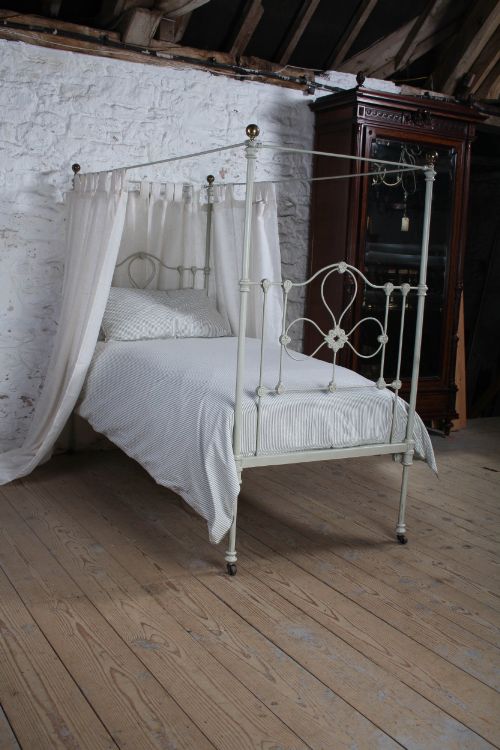
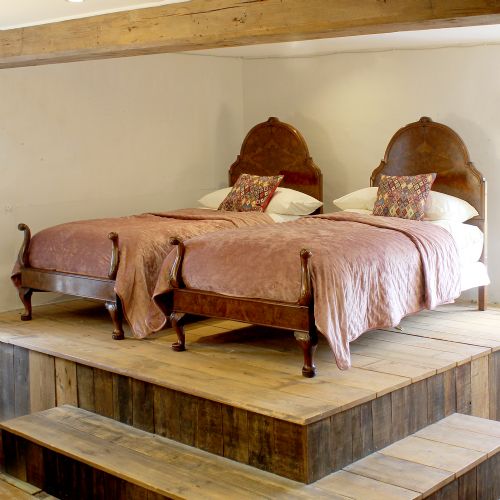
When you search for a vintage single bed, you encounter a wide selection of antique and period sleeping frames ranging from the late nineteenth century through to the Art Deco era of the 1930s. These pieces include metal bedsteads, wooden frames in oak, mahogany and walnut, and occasional four poster designs intended for one person.
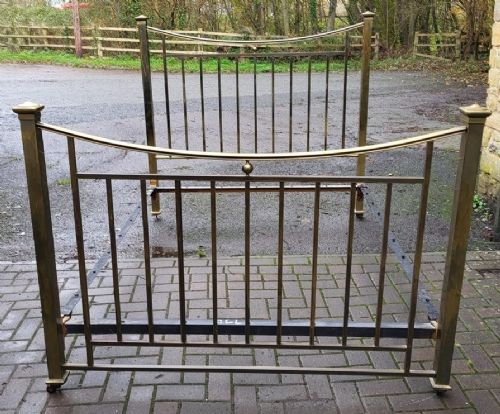
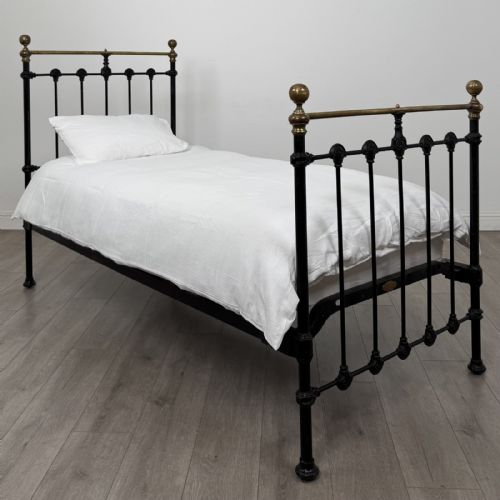
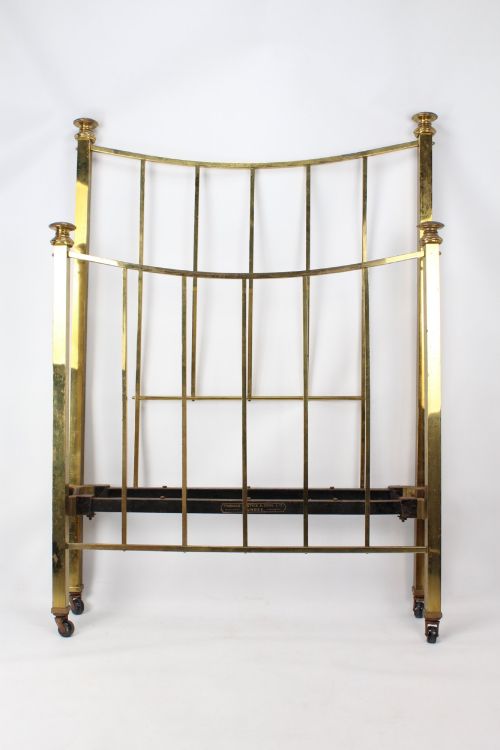
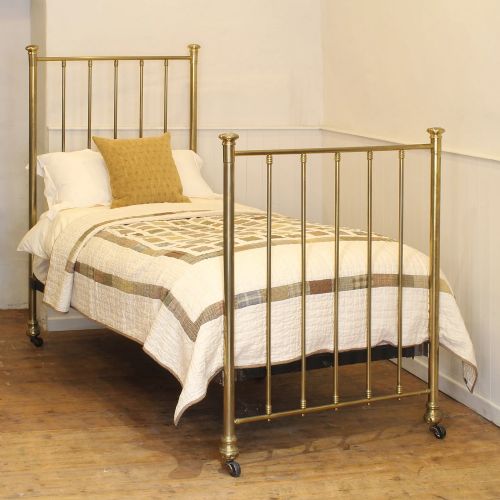
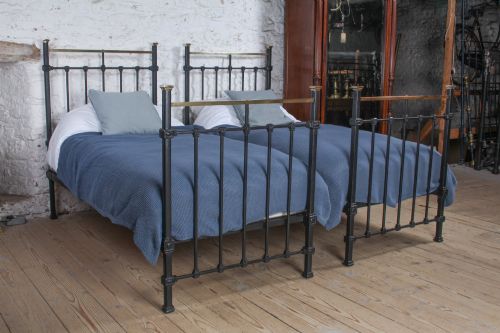
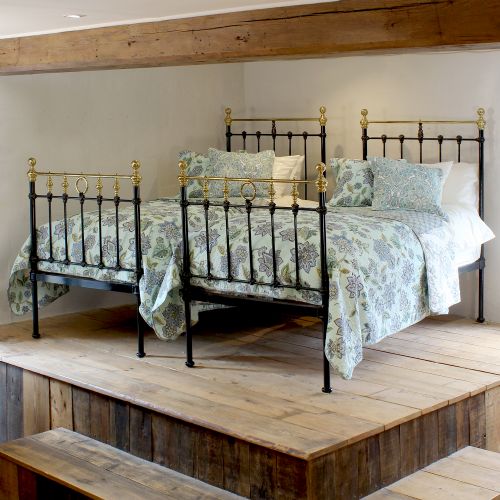
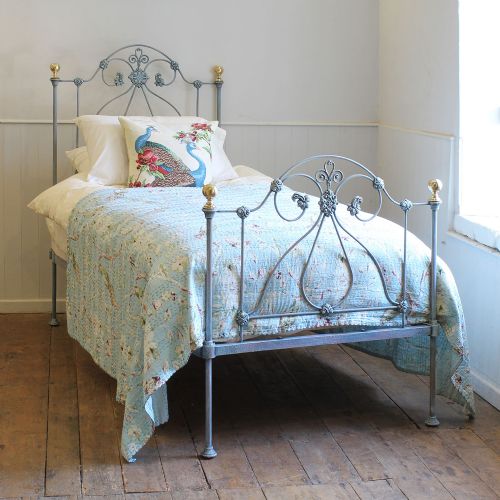
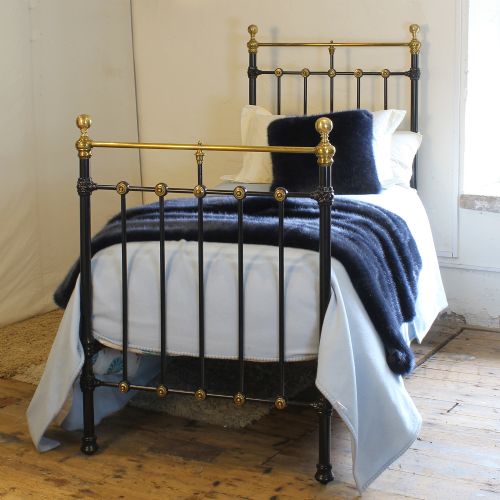
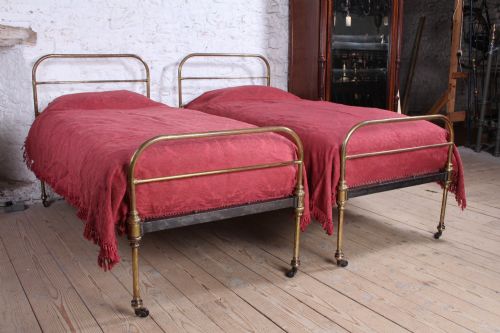
The most common examples on this page are Edwardian and Victorian models, often constructed from brass, iron or cast iron, alongside 1920s and 1930s wooden frames. Many survive as matched pairs, while others are offered as individual items suitable for guest rooms and smaller bedrooms.
How they were made
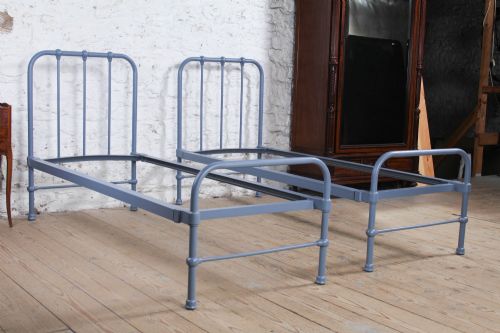
Makers constructed these frames using robust metal techniques alongside traditional cabinetmaking in timbers such as mahogany, oak, fruitwood and burr walnut. Metal beds combine cast iron, wrought iron, brass and nickel plating, frequently incorporating detailed joints and bolted rails designed for daily assembly and disassembly.
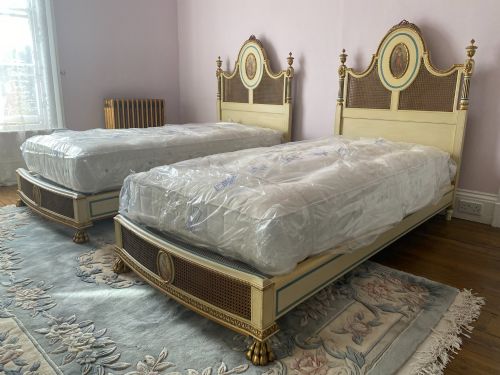
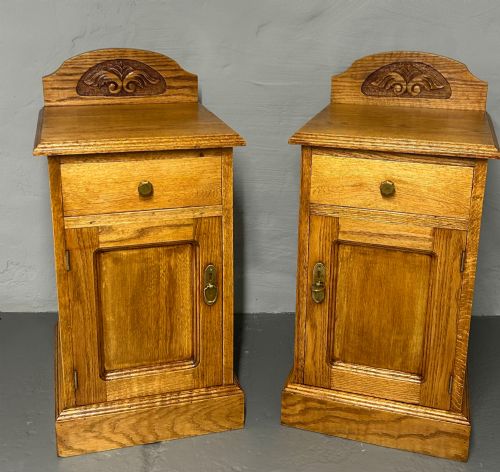
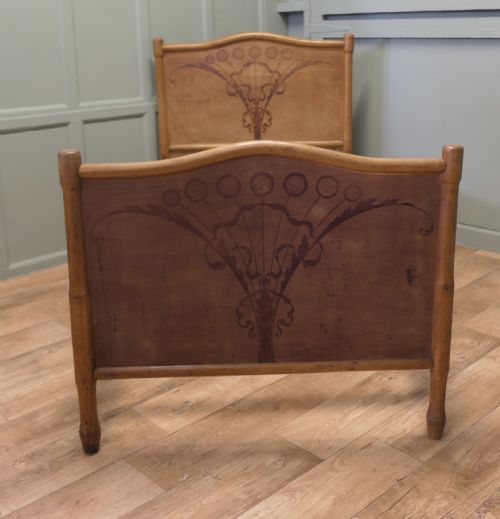
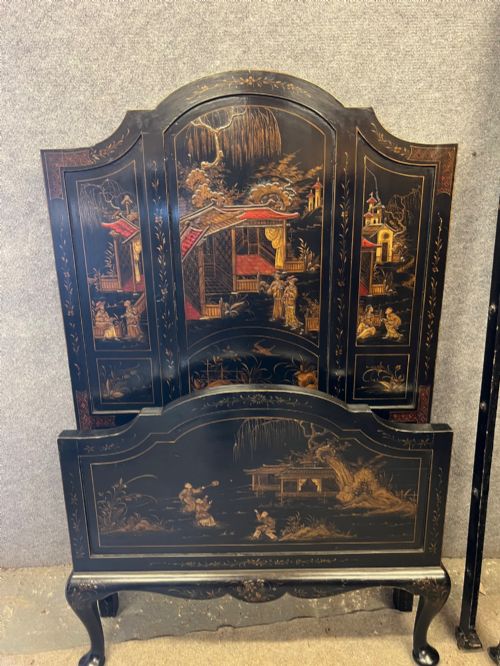
Wooden bed frames display period decorative methods including hand painting, intricate marquetry inlay, carved panelling, and woven cane bergere work. Cabinet pieces such as bedside tables utilise matching veneers and solid timber construction to complement the main bedstead.
Vintage Single Bed Retail Price Guide 2026
Typical asking prices for vintage single bed among the pieces listed under this phrase on Sellingantiques today, from the lower quarter to the upper quarter. They describe what is for sale here now, not the wider market.
Several listings note that individual single beds can be joined together, proving that historical makers anticipated the eternal debate over whether to share a duvet.
What varies in quality
The distinction between standard commercial production and finer work lies in the depth of timber selection, such as figured burr walnut or rich mahogany, and the precision of the joinery and carving. Maker attribution also elevates certain pieces, particularly those bearing labels from known London workshops.
Metal bed quality depends on the weight of the ironwork, the richness of the brass components, and the original plating condition rather than simple decorative embellishment. Intact original fixtures and well-preserved surface finishes distinguish better-surviving examples.
Heals·Oliver Morel·Waring and Gillow·Hoskins and Sewell·R W Winfield
The Vintage Single Bed Glossary
- Bedstead
- A framework of a bed consisting of the headboard, footboard and side rails. This term frequently appears in nineteenth-century and Edwardian descriptions.
- Bergere
- A type of chair or bed panel featuring woven cane work. This technique appears on specific wooden frames from the early twentieth century.
- Toleware
- Painted or lacquered metalware originating from continental Europe. Examples occasionally include specialised single bedsteads.
- Inlay
- A decorative technique where contrasting materials are inserted into the wood surface. Edwardian satinwood and mahogany frames frequently utilise this method.
Vintage Single Bed: Frequently Asked Questions
Will a vintage single bed take a modern mattress?
Many vintage single beds measure around three feet in width, corresponding to standard modern single mattress sizes. However, older frames can vary slightly in length and width, so checking the internal dimensions before purchasing ensures a proper fit.
Some iron and wooden bedsteads require custom support slats or a modern base insert placed within the side rails to accommodate contemporary mattresses securely.
How do I assemble a metal bedstead?
Most antique metal beds utilise a wedge-and-socket system where the side rails slot directly into the corner posts of the headboard and footboard. Tapping these joints gently with a rubber mallet settles the metal components firmly into place.
Bolts and threaded fixings should be tightened evenly across the frame to ensure structural stability before any mattress rests upon the base.
Can iron beds be dismantled for transport?
Victorian and Edwardian iron and brass bedsteads were specifically engineered to separate completely into individual headboards, footboards and side rails. This modular construction makes them straightforward to move between rooms or transport in smaller vehicles.
Care should be taken with older brass components and decorative castings during disassembly to avoid bending threaded pins or scratching lacquered finishes.
How do I distinguish Victorian from Edwardian beds?
Victorian beds often display heavier ironwork, simpler turned wooden elements, or robust brass tubing with explicit structural joinery. Gothic Revival and heavy cast iron styles dominate this earlier period.
Edwardian and 1920s pieces frequently introduce lighter proportions, inlaid satinwood, painted details, and refined Arts and Crafts or Art Deco stylistic influences.