

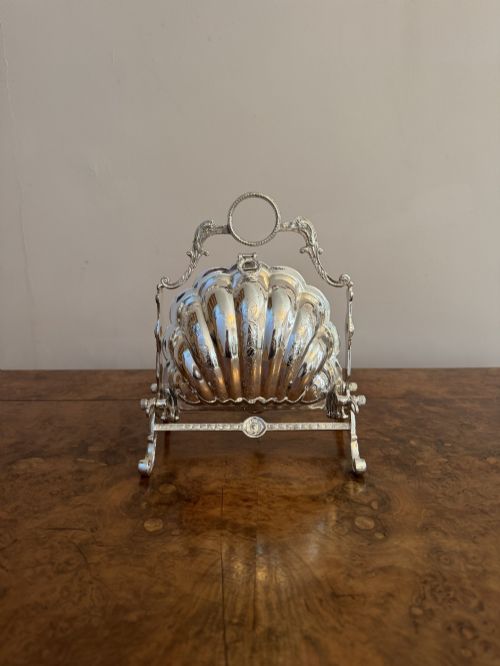
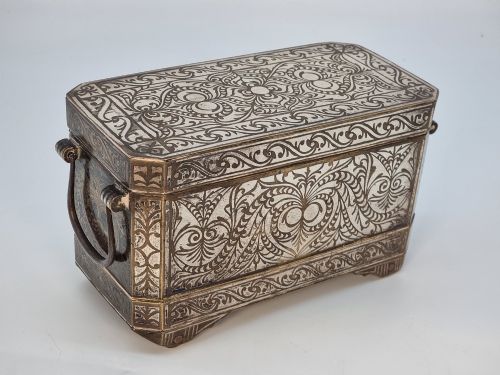
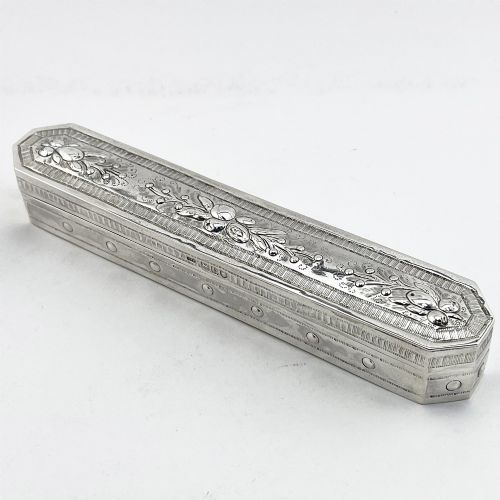
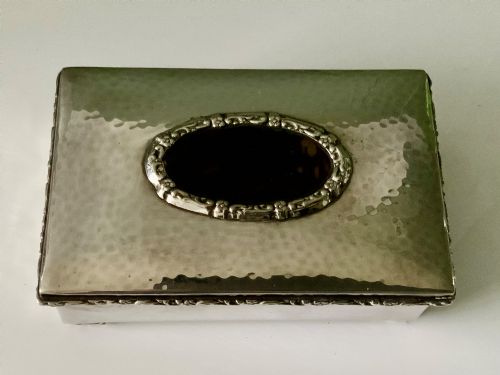
Vintage Silvered Casket
A vintage silvered casket is a container for trinkets, jewellery or keepsakes, offering a tactile piece of history for a dressing table or desk.
Vintage Silvered Casket
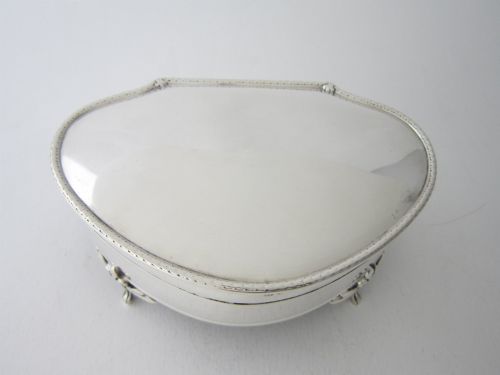
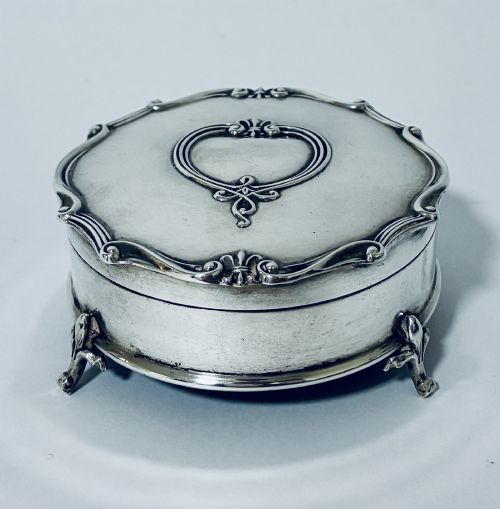
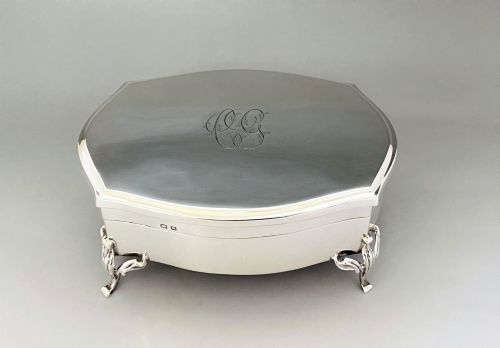
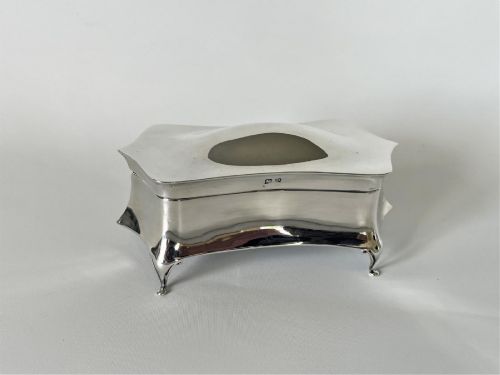
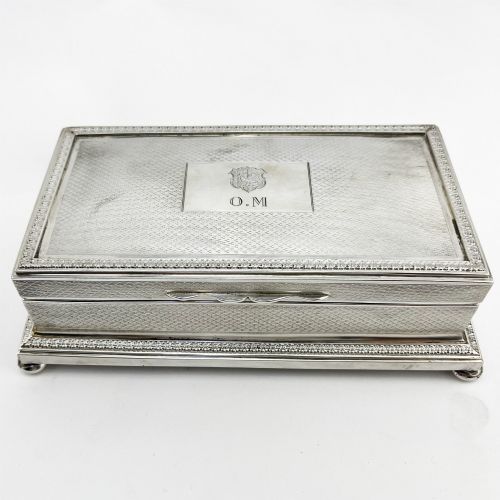
A vintage silvered casket encompasses a variety of protective boxes designed for valuables, frequently described in listings as trinket boxes, jewellery cabinets, or table boxes. These items serve primarily to hold rings, cufflinks, or personal mementos within a lined interior.
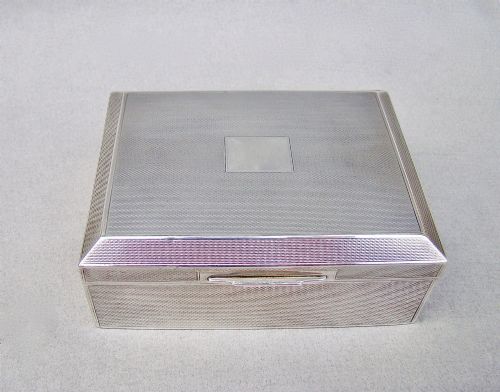
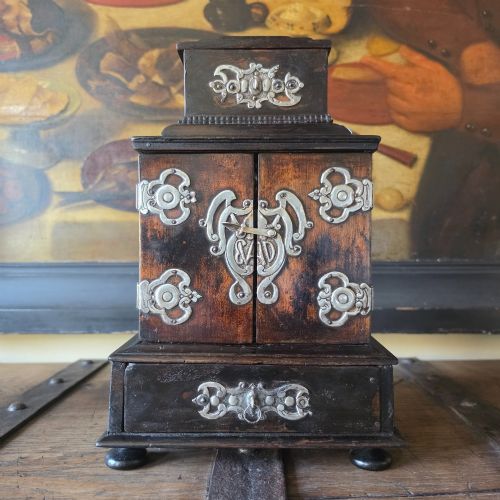
The objects appearing under this search phrase span multiple decades and stylistic movements, stretching from eighteenth-century wooden and metal cabinets to twentieth-century Art Deco and modernist designs. Buyers are likely to encounter sterling silver, silver-plated metal, and mixed materials incorporating wood or tortoise shell.
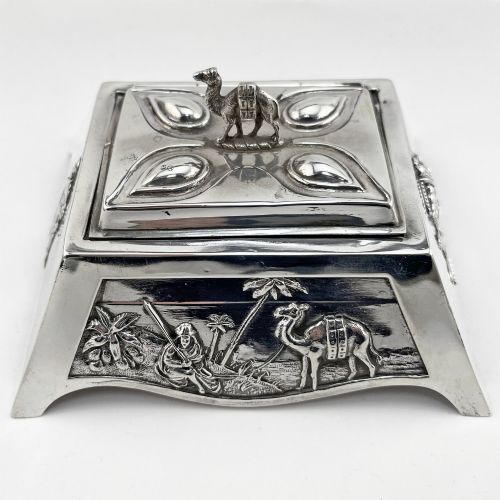
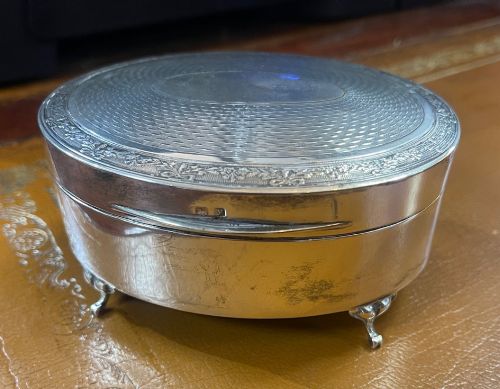
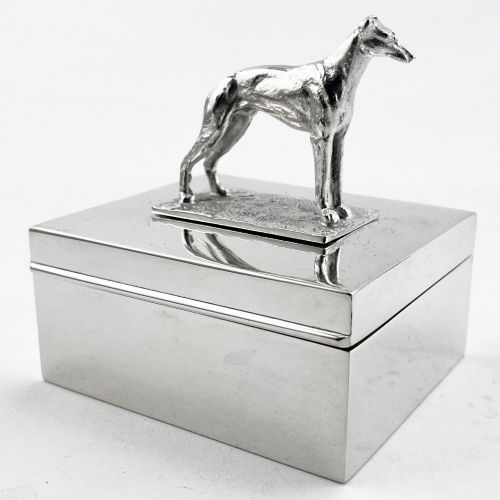
Origins vary widely across the selection, ranging from English provincial workshops to continental European makers, Danish studios, and Asian export houses. Forms range from simple oval footed caskets to elaborate lidded boxes decorated with enamel panels, figural motifs, and chased patterns.
Materials and construction
Construction relies heavily on metals such as sterling silver, silver plate, pewter, and silvered copper over base structures of wood, glass, or ebonised foundations. Artisans shaped these metals through hammering, casting, and plating techniques, often applying hinged lids and clasp mechanisms.
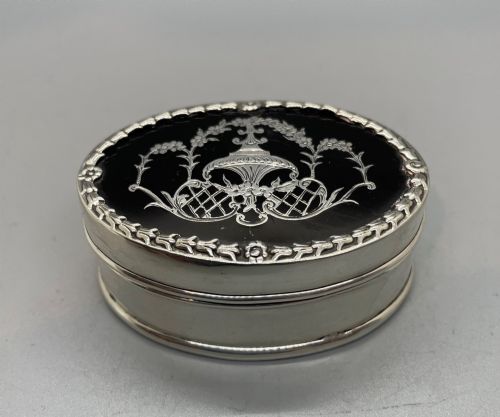
Surface ornamentation integrates decorative elements including vitreous enamel, tortoiseshell panels, niello inlay, and cut glass bodies. Interiors are typically finished with fitted trays and soft linings of fabric such as red velvet or silk to protect delicate contents.
Vintage Silvered Casket Retail Price Guide 2026
Typical asking prices for vintage silvered casket among the pieces listed under this phrase on Sellingantiques today, from the lower quarter to the upper quarter. They describe what is for sale here now, not the wider market.
The inventory includes items originating from British assay offices alongside continental European workshops and Asian export makers.
Evaluating craftsmanship
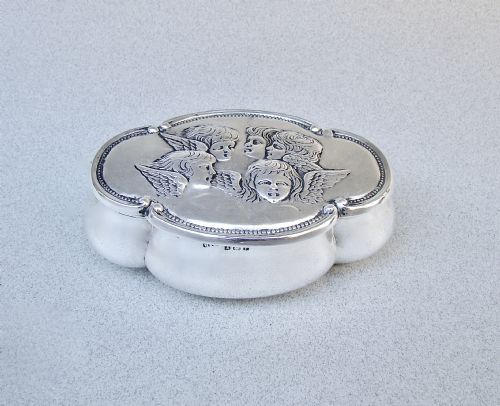
Quality reveals itself in the weight of the metal and the precision of the hinge work, where solid sterling silver and heavy gauge silver plating distinguish sturdier containers from lighter items. The crispness of chased details, such as repoussé angels or dragon motifs, demonstrates the skill of the original silversmith.
The integration of secondary materials like tortoiseshell, enamel work, and fitted wooden interiors contributes significantly to a piece's sophistication. Intact linings and well-preserved maker marks or hallstamps provide additional confirmation of origin and standard.
B & Co Birmingham·Henry Matthews·Mappin & Webb·Wang Hing & Co·Posen of Frankfurt and Berlin·William Neale & Sons·Deakin & Francis
The Vintage Silvered Casket Glossary
- Hallmark
- Official stamps applied to precious metals indicating the purity, maker, and assay office of the item. These marks help determine the exact year and city of manufacture.
- Repoussé
- A metalworking technique where the artisan hammers the design from the reverse side to create a raised relief on the front. This method appears frequently on decorative caskets.
- Pandan
- A traditional box originating from India, used to hold betel nuts or spices, often adapted in trade as an ornate trinket or jewellery container.
- Niello
- A black metallic alloy used as an inlay on engraved metal surfaces, creating contrasting decorative patterns. It is commonly found on early twentieth-century imported boxes.
- Silver plate
- A thin layer of silver applied over a base metal foundation such as brass, copper, or pewter. This technique offered a decorative finish at a lower cost than solid sterling silver.
Vintage Silvered Casket: Frequently Asked Questions
How can I tell the difference between solid silver and silver plate?
Solid sterling silver pieces usually bear official hallmarks indicating the silver standard, such as a lion passant for British manufacture. Silver-plated items generally lack these assay marks and may reveal the base metal underneath where wear occurs.
Weight can also offer a clue, as solid silver objects often feel heavier than plated equivalents of a similar size.
How do I care for a vintage silvered box?
Maintenance requires gentle dusting with a soft, dry cloth to protect delicate surfaces like enamel, tortoiseshell, or wood. Polishing should be approached with caution to avoid wearing down thin silver plate or damaging inset decorative panels.
Keeping the box away from direct sunlight and damp environments helps preserve interior fabric linings and organic materials.
What periods do these boxes represent?
The selections span multiple eras, ranging from eighteenth-century wooden cabinets and nineteenth-century continental caskets to Edwardian and Art Deco pieces from the early twentieth century. Each era brought distinct stylistic choices, from ornate Victorian repoussé work to geometric modernist lines.
Design influences extend across English, European, and Asian traditions, reflecting local craftsmanship of each period.