
Vintage Silver Wrist Watch
A vintage silver wrist watch carries the mechanical integrity and honest wear of decades past, offering a tangible connection to mid-century horology.
Vintage Silver Wrist Watch
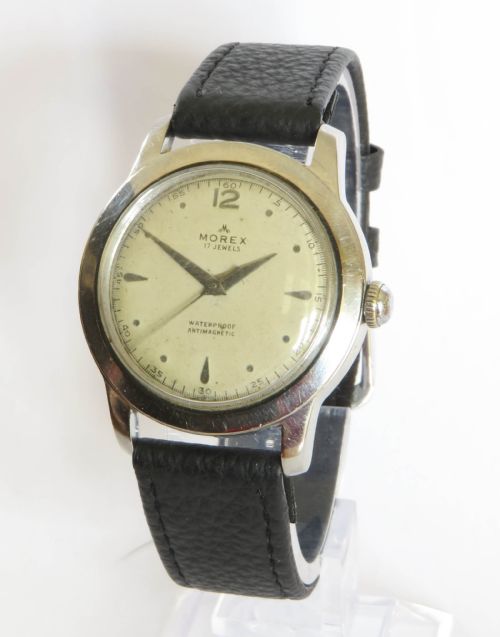
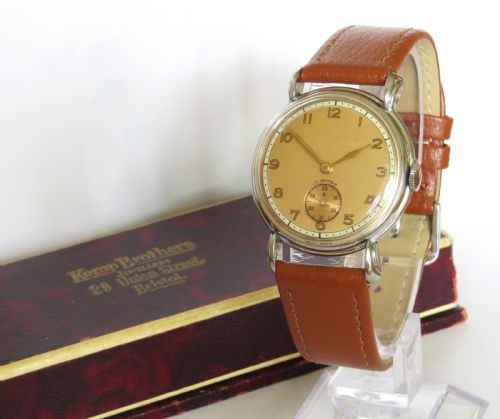
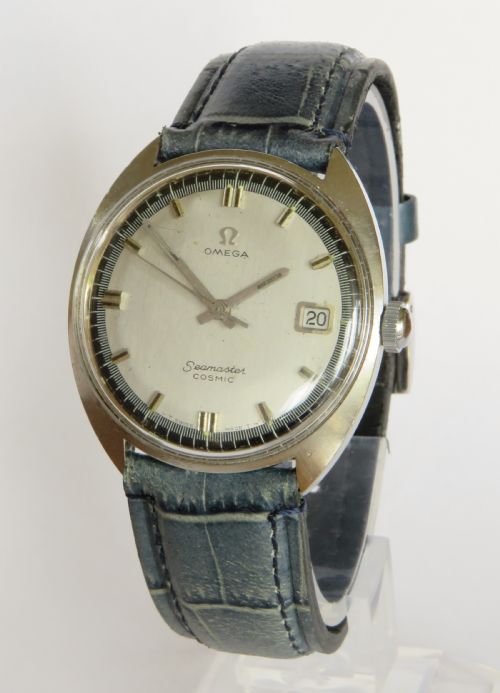
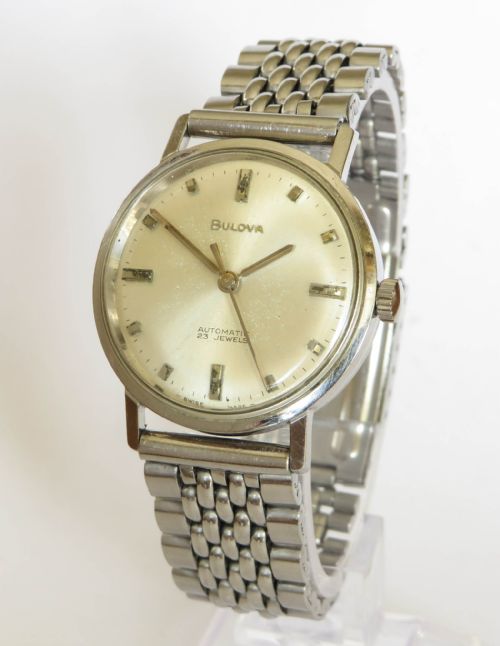
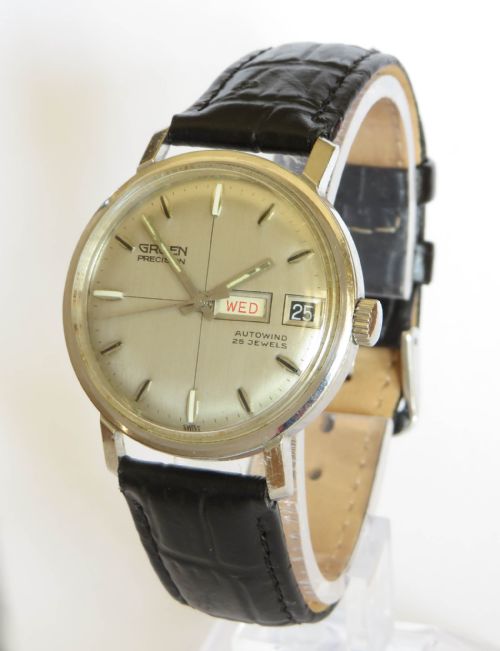
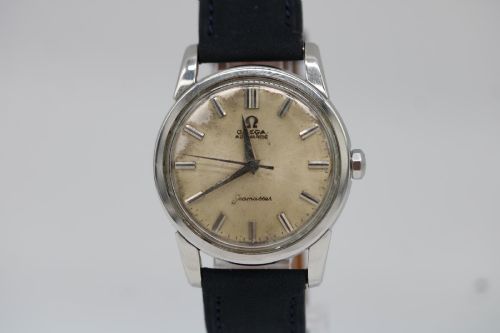
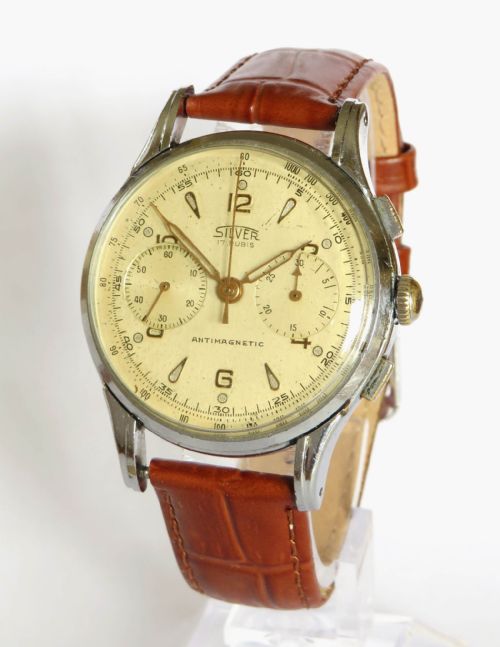
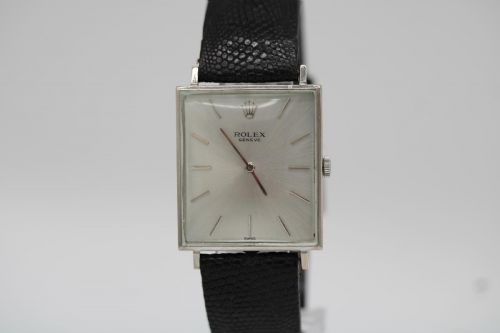
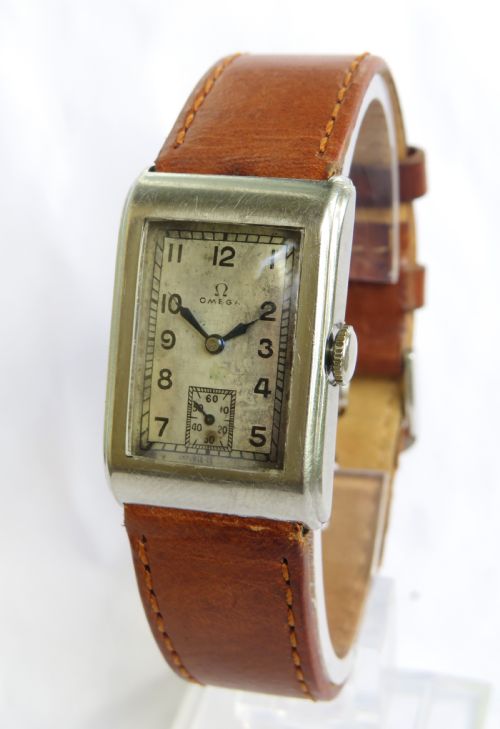
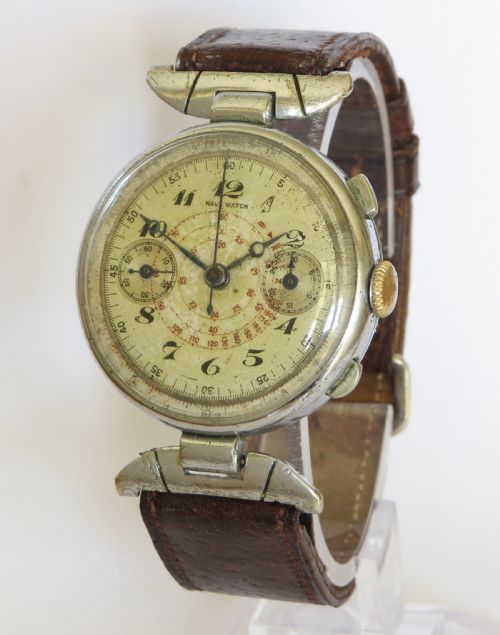
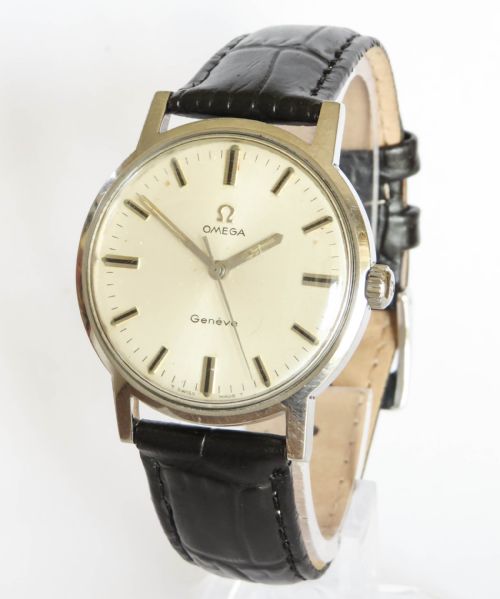
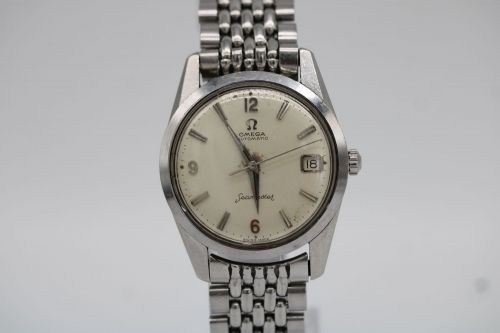
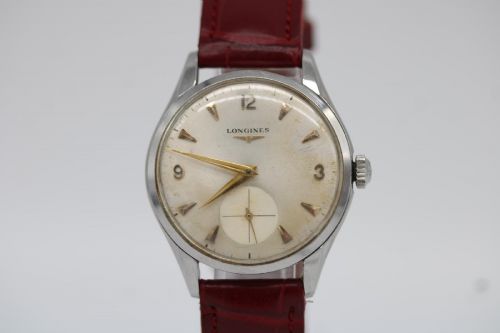
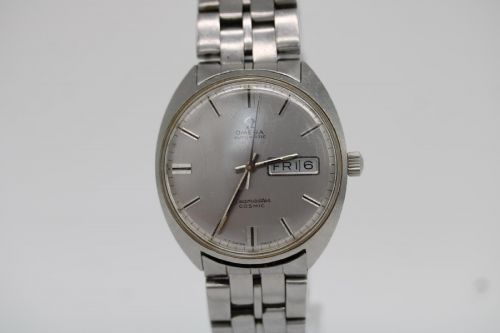
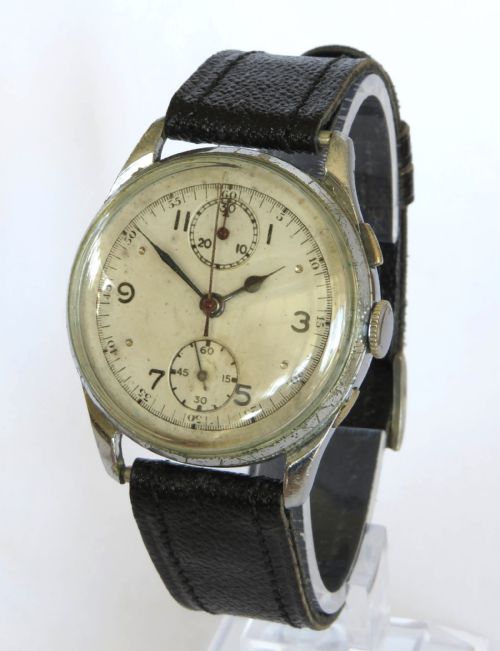
A vintage silver wrist watch encompasses practical dress pieces and robust chronographs spanning the early decades of the twentieth century up through the nineteen-seventies. Most examples encountered here originate from the nineteen-thirties, nineteen-forties, nineteen-fifties, and nineteen-sixties, reflecting major shifts in case design and movement engineering.
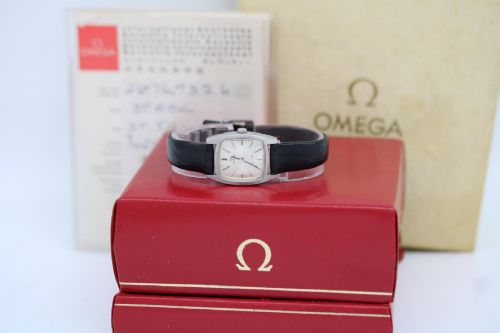
The selection ranges from simple manual-wind dress models to complex chronometers and military-issue pieces housed in stainless steel, chrome, or precious metals. Buyers will frequently find gentlemen's wristwatches featuring classic circular or tonneau cases alongside occasional ladies' models with fitted straps.
Makers represented stretch from major Swiss houses to British and German workshops, demonstrating the widespread adoption of the wristwatch format across various professional and civilian spheres.
Materials and construction
Cases utilise durable metals such as stainless steel and chrome plating, alongside precious options including sterling silver and eighteen-carat white gold. Crystals are typically fashioned from glass or acrylic, protecting dials that often feature applied markers and subsidiary seconds counters.
Movements rely on mechanical gear trains driven by manual-wind or automatic self-winding calibres, sometimes incorporating specialised complications like chronograph functions or calendar displays. Straps are predominantly constructed from leather, completing the traditional assembly of case, movement, and wearable band.
Some military models carry issue numbers on the case back, whispering tales of past service in wartime skies.
Distinctions in standard
Superior quality in a vintage silver wrist watch rests upon the sophistication and finish of its internal movement, where finely adjusted Swiss or British calibres distinguish themselves from standard commercial grades. The integrity of the dial typography and the original sharpness of the case edges indicate how well a piece has survived decades of use.
Additionally, the presence of original components such as signed crowns, matching buckles, and factory documentation elevates the standing of a timepiece among collectors who value historical completeness.
Omega·Bulova·Longines·Seiko·Cartier
The Vintage Silver Wrist Watch Glossary
- Chronograph
- A watch with a stopwatch function alongside its standard timekeeping display. These complications use independent sweep hands controlled by pushers on the case.
- Calibre
- The specific manufacturer's designation for a particular watch movement design. This code identifies the internal mechanics and layout.
- Manual-wind
- A mechanical movement powered by manually turning the crown to tension the mainspring. These pieces lack automatic rotor weights.
- Automatic
- A self-winding mechanical movement that uses a weighted internal rotor driven by the motion of the wearer's wrist. This system keeps the mainspring wound during regular daily wear.
- Acrylic
- A lightweight, shatter-resistant plastic material commonly utilised for watch crystals during the mid-twentieth century. It can be easily polished to remove surface scratches.
Vintage Silver Wrist Watch: Frequently Asked Questions
How do I wind a manual watch?
Gently rotate the crown clockwise between your thumb and forefinger until you feel firm resistance. Stop immediately to avoid damaging the mainspring.
Wind the watch at approximately the same time each day to maintain consistent tension and accurate timekeeping.
Are these watches waterproof?
Vintage timepieces generally lack modern rubber gaskets and screw-down crowns. They should be kept well away from water, swimming pools, and heavy rain.
Moisture can easily bypass aged seals and crystal edges, leading to rust on the delicate steel components inside the movement.
How often need they be serviced?
Mechanical watches require periodic cleaning and lubrication of their internal pivots and gears. Intervals depend on usage, but checking a piece every few years keeps the oils fresh.
A professional watchmaker can disassemble the movement, clean the parts, and regulate the timing for optimal performance.
Can I replace the leather strap?
Strap replacement is straightforward and allows you to alter the appearance of the watch entirely. Standard spring bars secure the leather band between the case lugs.
Ensure you measure the lug width accurately before purchasing a replacement strap to guarantee a proper fit against the case.