
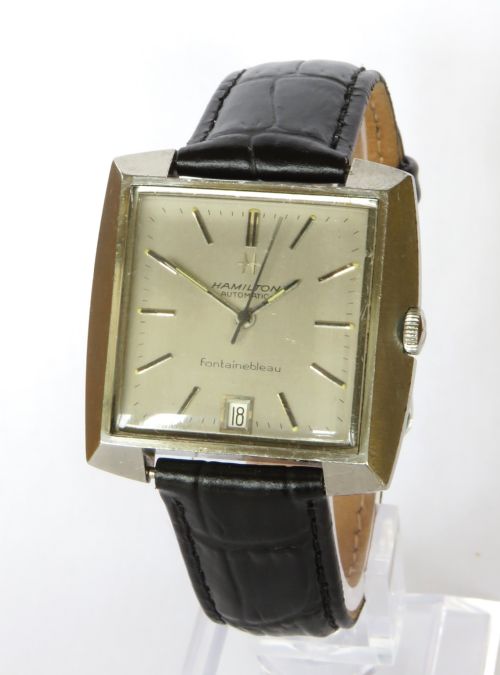
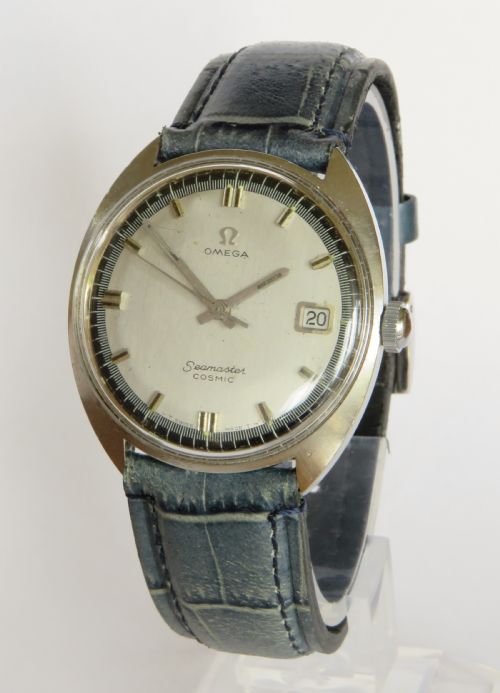
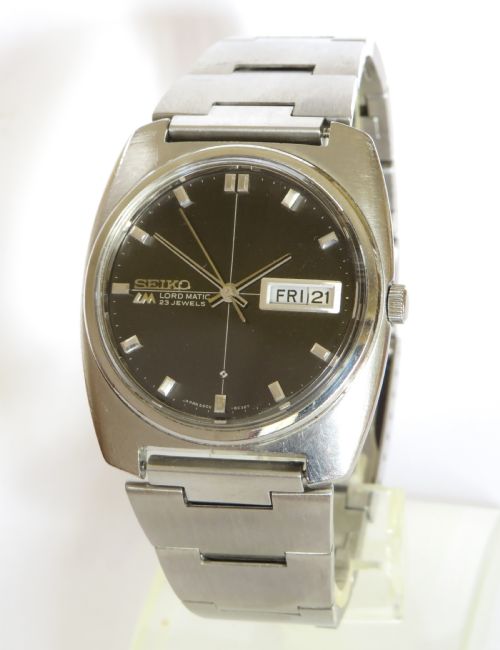
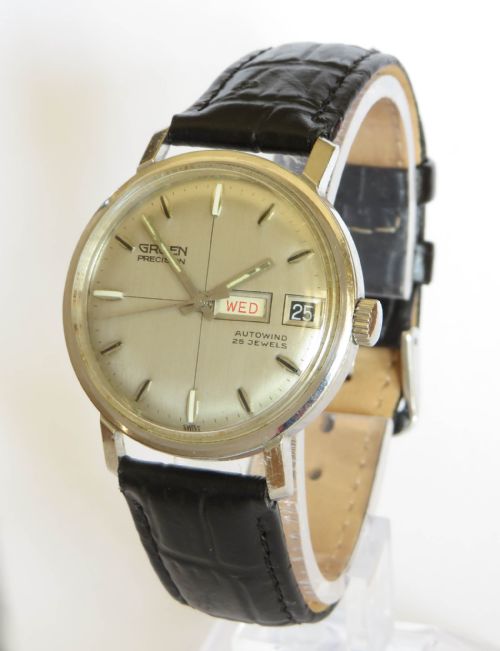
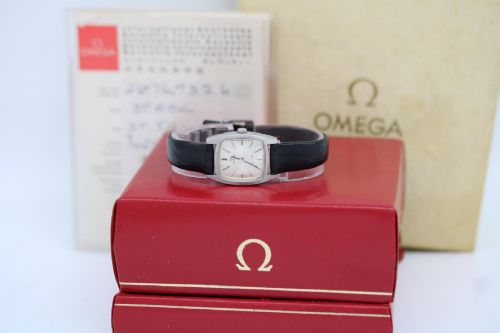


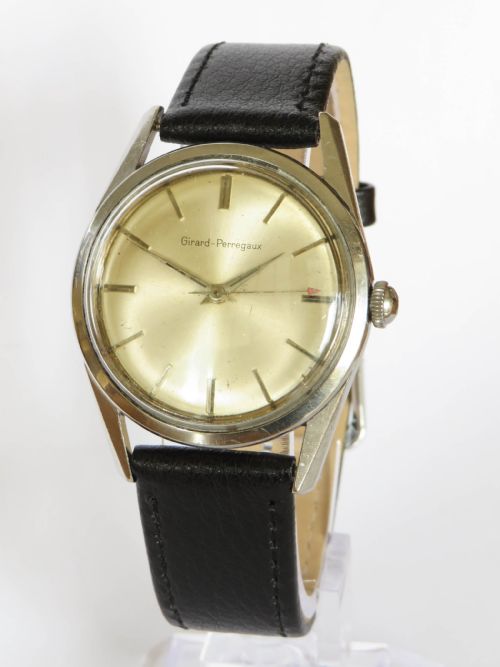


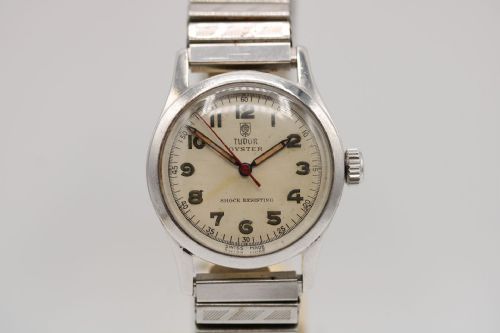

Vintage Steel Case Watch
These wristwatches deliver lasting utility and mechanical charm, bringing sturdy metal construction straight to the wrist.
Vintage Steel Case Watch
A vintage steel case watch spans several decades of design, running from the geometric lines of the nineteen-thirties through to the robust chronographs and dress pieces of the sixties. When exploring a vintage steel case watch, buyers typically encounter wristwatches powered by manual wind or automatic movements housed in durable stainless steel or chrome housings.
The pieces appearing most frequently across this selection hail from the nineteen-sixties, capturing an era of clean dials and reliable timekeeping. Alongside these mid-century examples, earlier iterations display distinctive Art Deco styling and larger jumbo proportions from the nineteen-forties.
How they were made
Makers housed mechanical movements inside robust stainless steel or chrome-plated metal cases designed to resist daily wear. Acrylic glass or standard glass protects the dial, while attached leather straps secure the piece to the wrist.
The combination of durable case metals and dependable inner calibres ensured these wristwatches survived decades of active service. Precision engineering dictated the construction of delicate internal gears alongside hardwearing exterior metals.
What varies in quality
The distinction between standard productions and finer examples lies in the refinement of the movement and the preservation of the case geometry. Superior pieces often feature sophisticated calibres from renowned makers alongside unpolished metal housings that retain their original factory lines.
Dial legibility and overall aesthetic balance further separate everyday utility pieces from collector-grade items. Original finishes on hands and markers command greater appreciation than later replacements.
Hamilton·Omega·Seiko·Gruen·Girard Perregaux·Breitling·Tudor
The Vintage Steel Case Watch Glossary
- Automatic
- A self-winding mechanical movement that uses the natural motion of the wearer's wrist to power the watch. This system removes the need for daily manual winding.
- Manual Wind
- A traditional movement that requires the wearer to turn the crown by hand to tension the mainspring. This mechanism allows for a slimmer case profile.
- Calibre
- The specific internal mechanical movement manufactured for a watch. Collectors use this term to identify the exact technical pedigree of the piece.
- Jumbo
- A colloquial term describing a wristwatch with a case diameter noticeably larger than the standard proportions of its era. These oversized models are particularly sought after by modern collectors.
- Acrylic Glass
- A lightweight, shatter-resistant polymer used for watch crystals instead of mineral glass. It can be easily polished to remove minor surface scratches.
Vintage Steel Case Watch: Frequently Asked Questions
How do I wind a manual watch?
Gently rotate the crown clockwise between your thumb and forefinger until you feel slight resistance. Stop immediately at that point to avoid damaging the mainspring.
Perform this action at the same time each day to maintain consistent timekeeping performance throughout its operation.
Can I wear my vintage watch daily?
Many collectors wear their mechanical pieces regularly, provided the watch receives routine servicing by a qualified technician. Regular movement keeps the internal oils properly distributed.
Keep in mind that older designs generally lack modern water resistance ratings, so exposure to moisture should be strictly avoided.
What does a jumbo case mean?
A jumbo case refers to a wristwatch built with a noticeably larger diameter than was typical for its specific decade of production. These pieces often measure larger across the dial than standard period counterparts.
Such proportions make these items highly desirable for contemporary tastes favouring a more substantial wrist presence.
How do I identify the production era?
Examining the typography on the dial, the shape of the hands, and the overall case geometry provides strong clues to the decade of origin. Design cues shifted markedly from geometric thirties styling to clean mid-century aesthetics.
Matching internal movement numbers or case reference codes against historical records yields the most precise manufacturing date.