



Vintage Silver Utensils
These vintage silver utensils span periods from the Georgian era to the mid-twentieth century, offering functional beauty for the dining table.
Vintage Silver Utensils
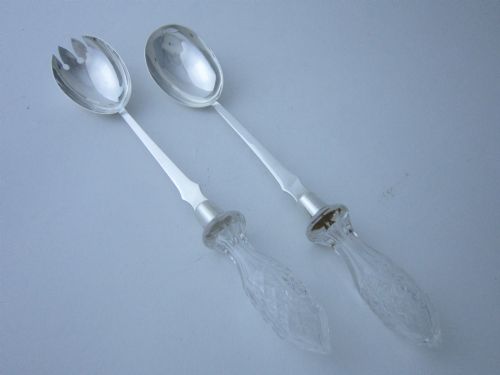
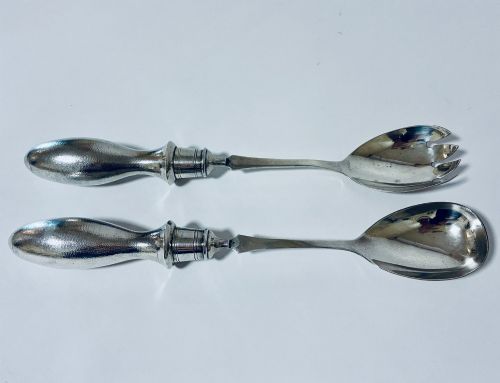
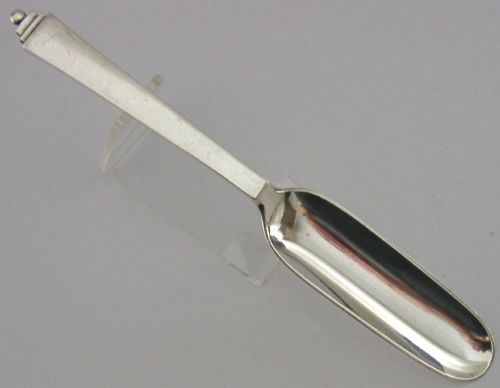
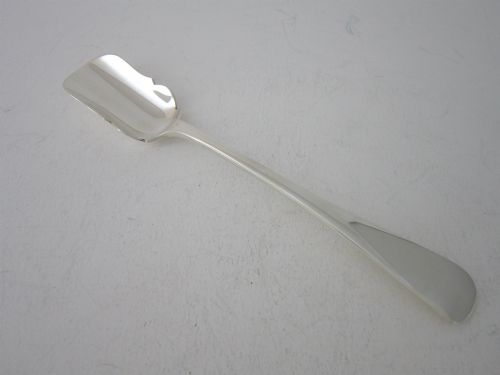
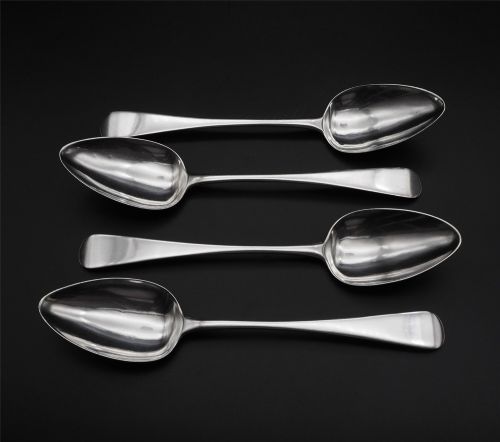
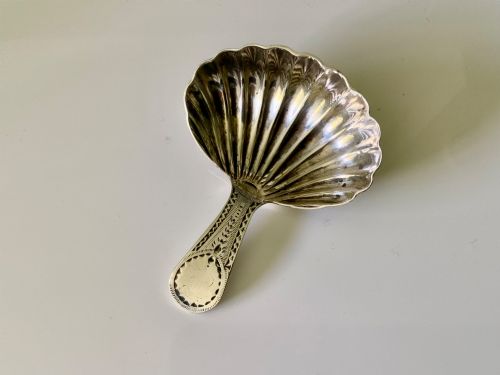
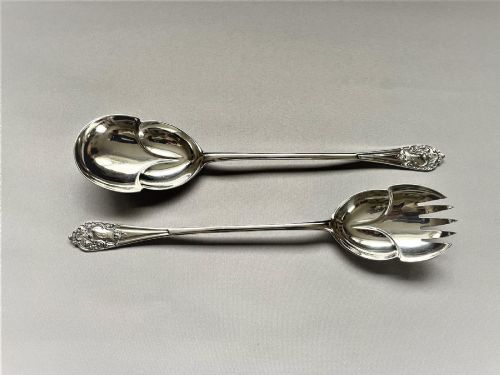
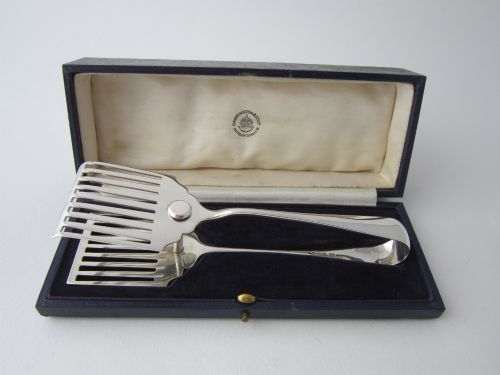
Vintage silver utensils encompass a diverse array of dining implements designed for specific culinary tasks, ranging from salad servers and grape shears to marrow scoops and caddy spoons. Buyers searching for vintage silver utensils encounter specialised serving pieces that reflect the social dining habits of past centuries, including Victorian fish servers and Edwardian asparagus tongs.
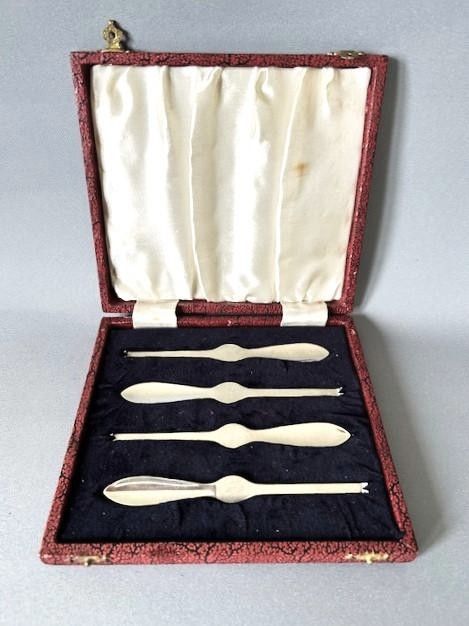
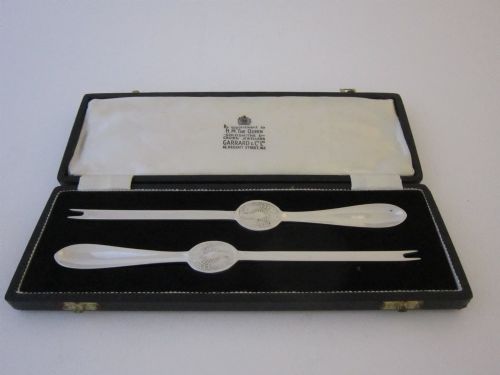
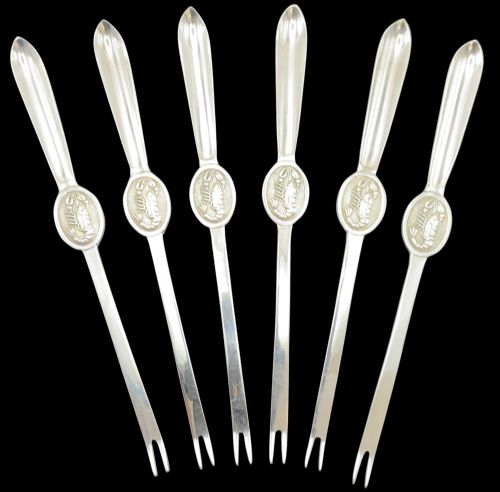
The pieces available on this page lean heavily towards specialised serving implements and cased sets from the Georgian, Victorian, Edwardian, and mid-century periods. Common forms include large berry spoons, lobster picks, and sugar nips, alongside complete cutlery sets intended for formal dining.
Origins vary across British provincial assay offices, London workshops, and international makers such as Danish and American silversmiths. Collectors find both sterling silver and silver-plated examples, often housed in fitted cases lined with velvet or silk.
Materials and Construction
Silversmiths utilised sterling silver and silver plate as the primary structural materials, frequently combining them with supplementary elements like mother-of-pearl handles, steel blades, and cut glass. Handles often incorporate organic materials such as shell or bone, attached securely to metal bowls and tines.
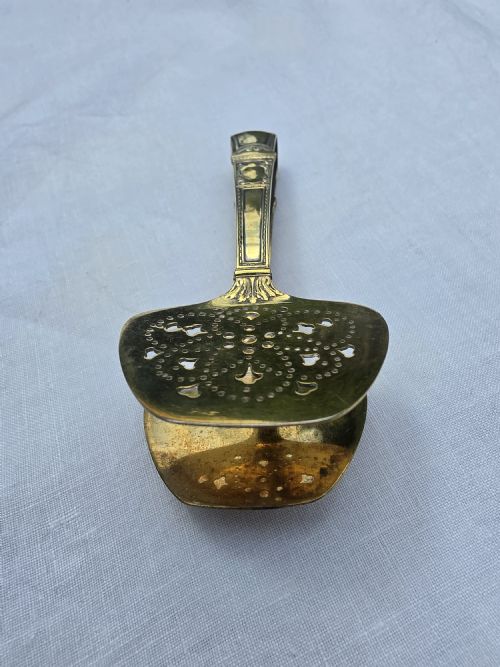
Manufacturing techniques combine traditional hand-forging, casting, and piercing with engraved ornamentation and silver-gilt washes. Pierced ends and rat-tail bowls demonstrate meticulous hand-working by period artisans working within established regional traditions.
Vintage Silver Utensils Retail Price Guide 2026
Typical asking prices for vintage silver utensils among the pieces listed under this phrase on Sellingantiques today, from the lower quarter to the upper quarter. They describe what is for sale here now, not the wider market.
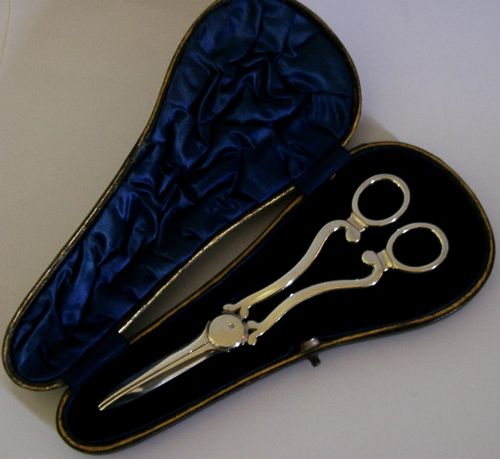
Victorian diners required dedicated lobster picks and grape shears to navigate formal meals without sofing their lace cuffs.
Evaluating Quality
Quality in these implements rests on the crispness of cast or pierced ornamentation and the integrity of the original form. Pieces that retain deep, legible hallmarks and unthinned bowls or tines demonstrate superior survival through decades of use.
The balance of the utensil in the hand and the strength of hinged mechanisms, such as those found on grape shears and sugar tongs, distinguish finer workshop production from standard utility ware. Fitted cases lined with original velvet or leatherette also contribute to the completeness and desirability of an assembly.
Garrard·Tiffany and Company·Georg Jensen·William Devenport·Whiting Co
The Vintage Silver Utensils Glossary
- Sterling silver
- A silver alloy containing 92.5 percent pure silver by mass, with the remainder usually copper. This standard alloy provides the structural rigidity required for functional dining implements.
- Hallmark
- An official stamp applied by an assay office indicating the purity of the metal, the maker, and the year of production. British pieces typically show a sequence of marks including the lion passant and city symbols.
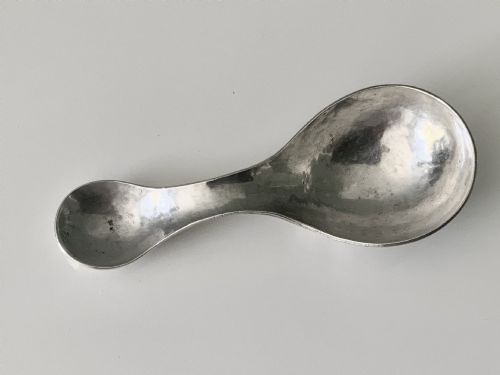
- Caddy spoon
- A short-handled spoon specifically designed for measuring loose tea leaves from a caddy. These small implements often feature shell-shaped bowls and intricate hand-engraved handles.
- Marrow scoop
- A narrow, elongated utensil with trough-like ends designed for extracting bone marrow. Georgian examples feature double-ended bowls of differing widths.
- Silver gilt
- Silver objects that have been coated with a thin layer of gold on the surface. This technique protects the underlying silver from tarnish while providing a rich golden appearance.
Vintage Silver Utensils: Frequently Asked Questions
How do I clean vintage silver utensils?
Wash silver pieces gently in warm soapy water using a soft cloth, avoiding harsh abrasive dips that strip original patination. Dry thoroughly with a lint-free cloth to prevent water spots.
Store items in tarnish-resistant flannel rolls or fitted cases lined with velvet to minimise exposure to atmospheric sulfur.
What is the difference between sterling and plate?
Sterling silver consists of a regulated high purity metal alloy throughout the entire object, marked with official assay stamps. Silver-plated items feature a thin layer of silver bonded over a base metal core such as nickel or copper.
Plate wears down over generations of heavy polishing, whereas solid silver maintains its metallic composition indefinitely.
How do I identify the date of a piece?
British pieces rely on date letters stamped within the assay office hallmark sequence, which change annually according to specific alphabetic cycles. Stylistic clues such as handle shape, bowl engraving, and fitted case construction also help narrow down the decade of manufacture.