
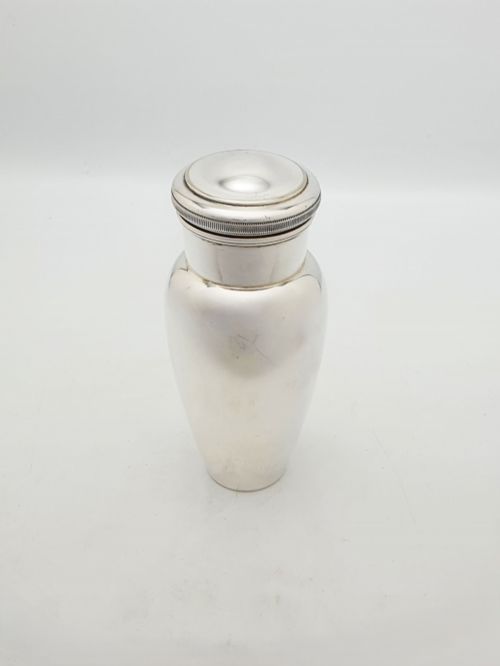
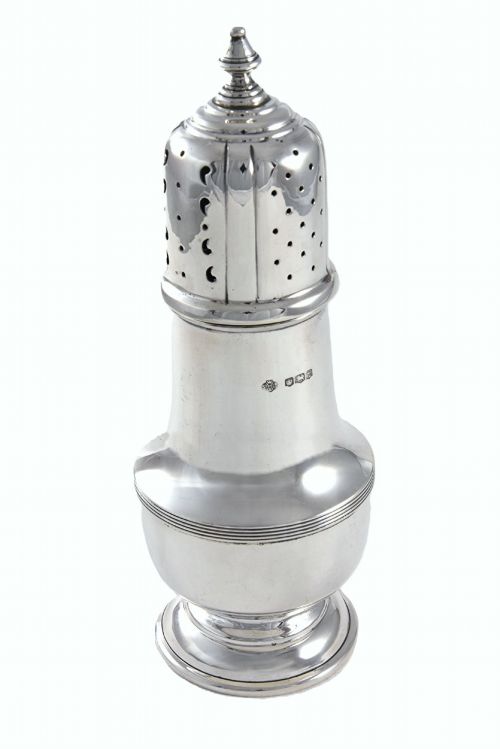
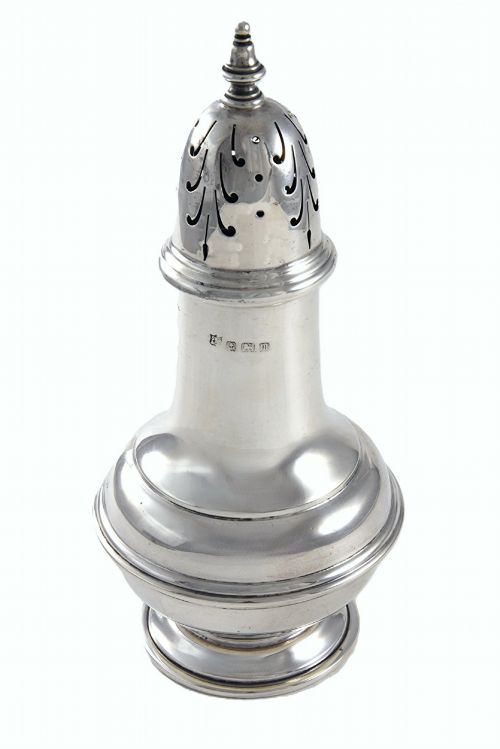

Vintage Silver Shaker
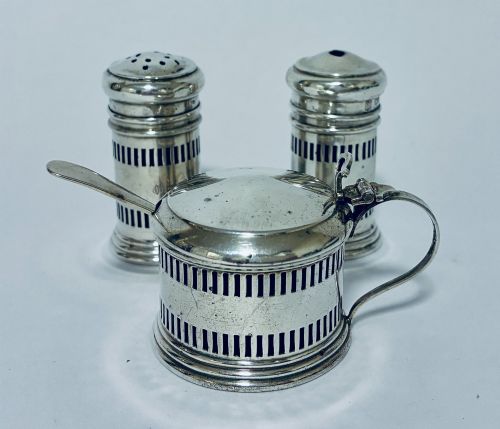
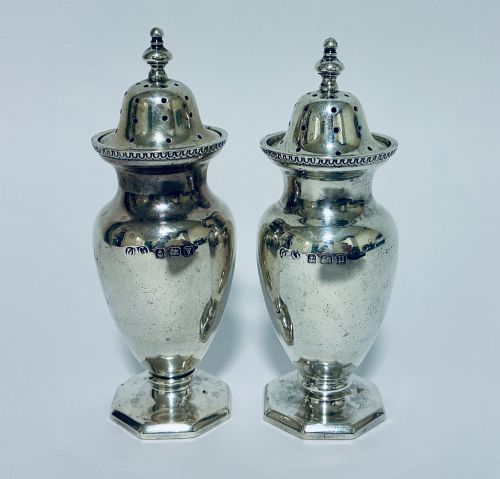
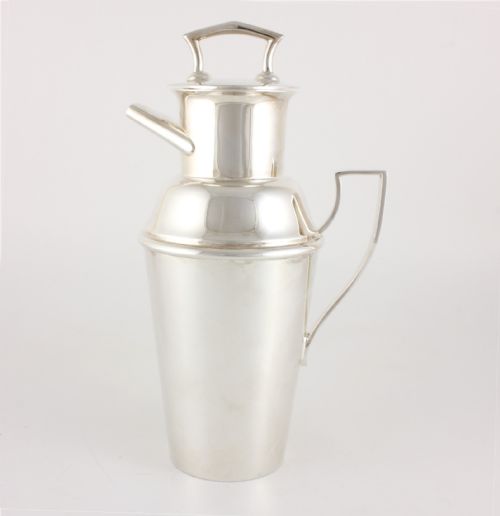
A vintage silver shaker covers cocktail mixers, sugar castors and condiment pots in sterling silver, silver plate and glass.

Vintage Silver Shaker
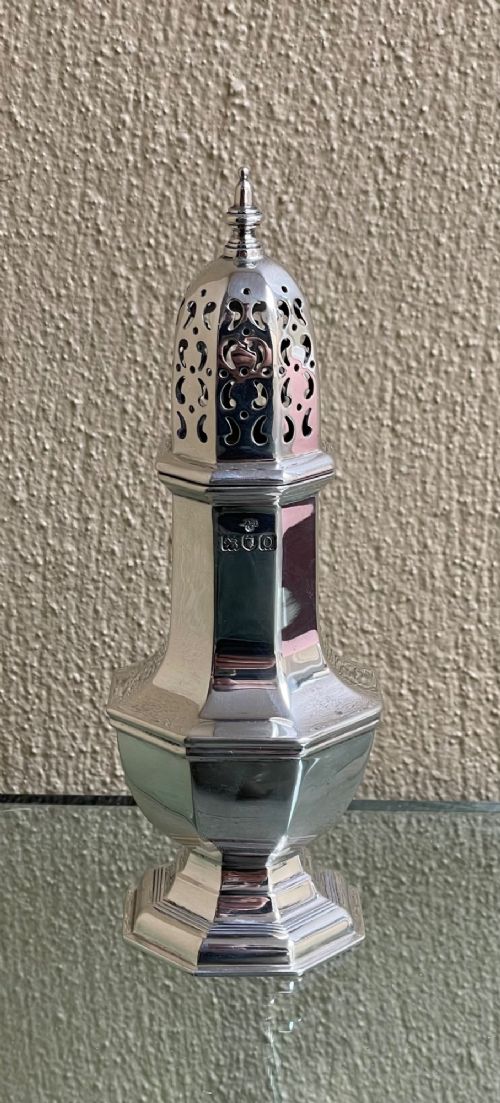
A vintage silver shaker encompasses multiple domestic and barware forms found across the twentieth century. Objects range from tall Art Deco cocktail mixers to traditional sterling sugar castors and small tabletop pepper pots.
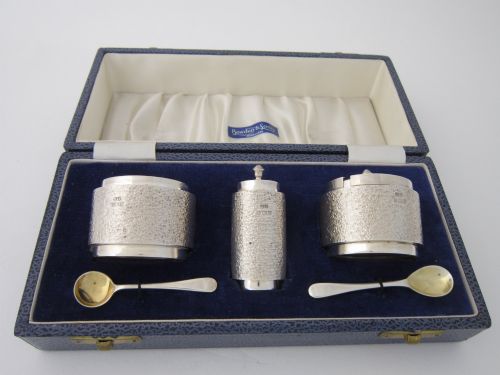
The category spans cocktail shakers with internal ice breakers or recipes, sugar sifters bearing Victorian or George V hallmarks, and cruet sets holding salt and pepper.
Makers produced these pieces in sterling silver and silver plate, frequently pairing metal with glass, enamel, cork or Bakelite during the 1920s and 1930s.

Materials and construction
Makers utilised sterling silver and silver plate over base metal, shaping bodies through spinning, stamping and casting. Many cocktail shakers combine silver-plated metal with clear or crackle glass bodies.
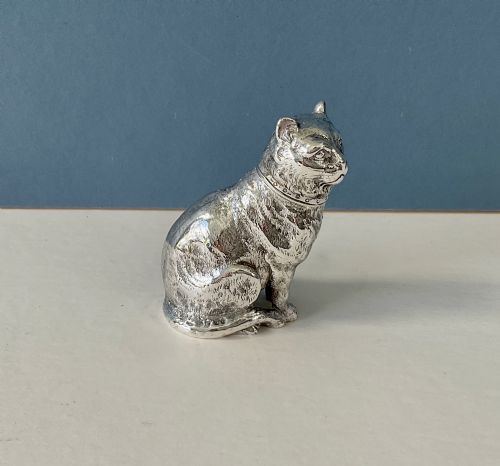
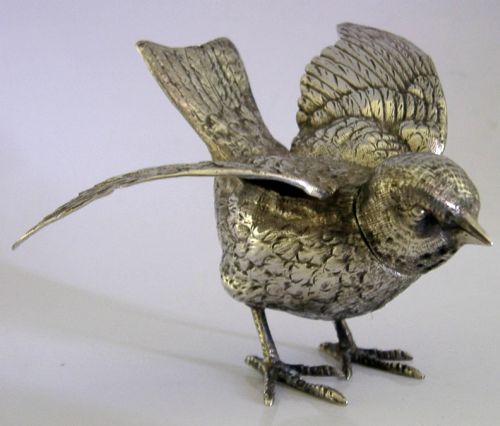
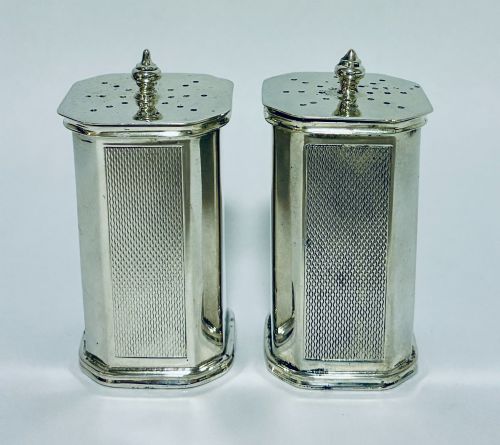
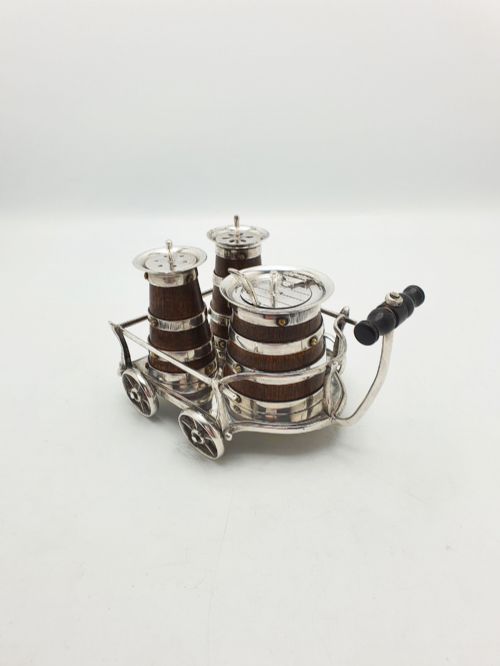
Decorative techniques include engine-turned engraving, applied enamel, and cast animal motifs for novelty cruets. Interiors often incorporate cork seals, internal strainers, and lemon squeezers.
Vintage Silver Shaker Retail Price Guide 2026
Typical asking prices for vintage silver shaker among the pieces listed under this phrase on Sellingantiques today, from the lower quarter to the upper quarter. They describe what is for sale here now, not the wider market.
Makers hid lemon squeezers, ice breakers, and sailing boat paintings inside cocktail shakers to entertain guests.
Judging standard and execution
Quality rests on the weight of the metal, the crispness of hallmarks or maker stamps, and the precision of mechanical elements like rotating recipes and fitted lids. Thicker gauge silver and solid construction separate standard production items from exceptional pieces.
Design integration defines the upper tier, seen in custom ice breakers, integral lemon squeezers, and complex multi-bottle cruet frames with matching stoppers.
James Dixon And Sons·Hukin And Heath·Evald Nielsen·Christofle Paris·Mappin And Webb
The Vintage Silver Shaker Glossary
- Sugar Caster
- A perforate-lidded vessel used for dusting sugar onto food. These tall castors date from Victorian and Georgian Revival periods.
- Cruet Set
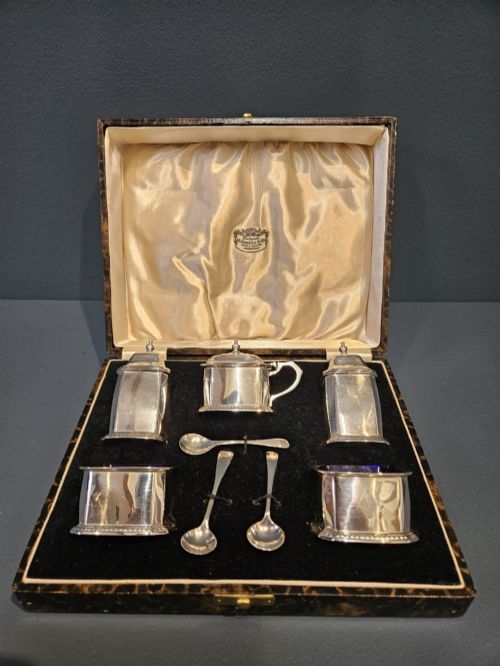
- A matched collection of condiment bottles and pots held in a stand. Sets frequently include mustard pots, oil cruets, and pepper shakers.
- Silver Plate
- A layer of silver bonded to a base metal core. This technique allowed manufacturers to produce large cocktail shakers economically.
- Engine-Turned
- A geometric surface pattern engraved by a lathe. This decoration appears frequently on Art Deco barware.
- Hallmark
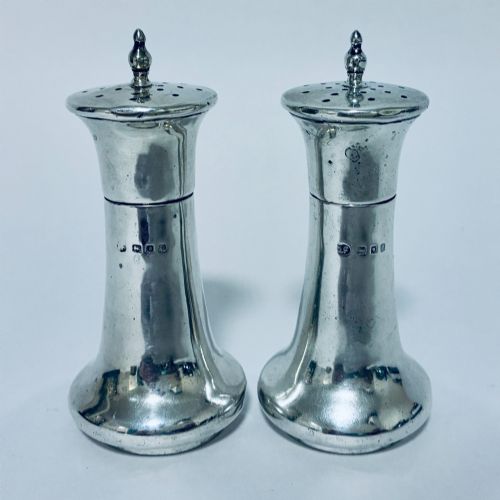
- An official stamp indicating metal purity and origin. British pieces display town marks, maker initials, and date letters.
Vintage Silver Shaker: Frequently Asked Questions
How do I date a silver cocktail shaker?
Dating relies on maker marks, style characteristics, and official assay hallmarks stamped into the metal. Sterling silver pieces feature town marks and date letters that pinpoint the exact year of manufacture.
Silver-plated items lack official date hallmarks but often display registry numbers or maker logos. Stylistic indicators like geometric engine-turning or Bakelite accents typically point toward the 1920s and 1930s Art Deco era.
Are silver plated shakers as good as sterling silver?
Silver-plated shakers are often heavier and more practical for bar use than solid sterling equivalents. Plating allowed manufacturers to build larger cocktail containers without prohibitive bullion costs.
Many of the most inventive barware designs, including rotating recipes and complex lemon squeezers, were executed in silver plate by prominent makers.
How were antique condiment cruet sets used?
Cruet sets held liquid and dry seasonings for the dining table, including salt, pepper, mustard, vinegar, and oil. Servants or diners transferred condiments using spoons or perforated shakers.
These sets sat centrally on dining tables, ranging from simple three-piece arrangements to large revolving frames holding eight individual bottles.