
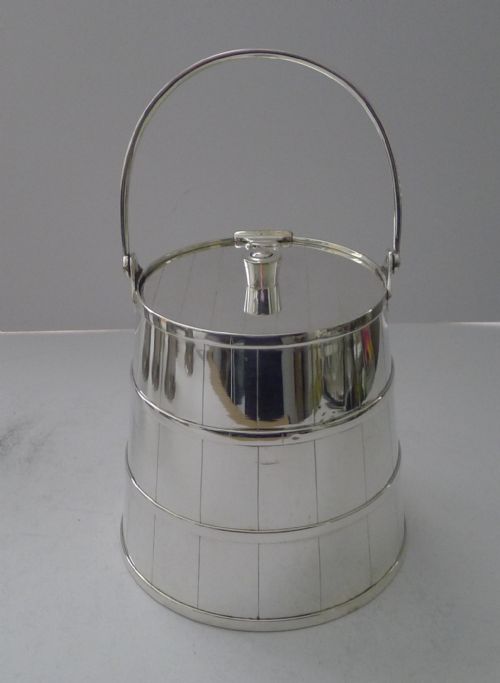
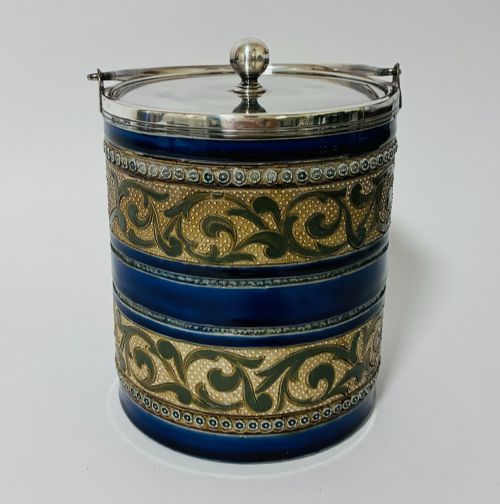
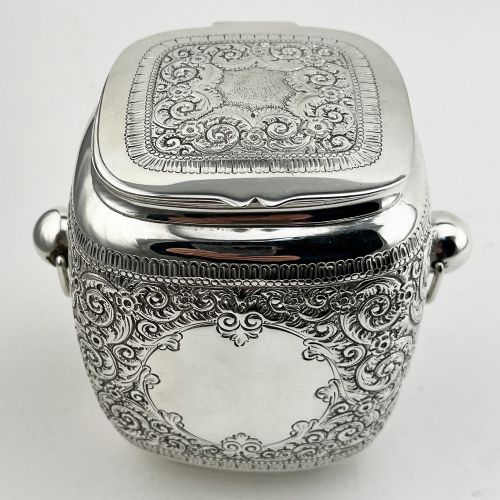
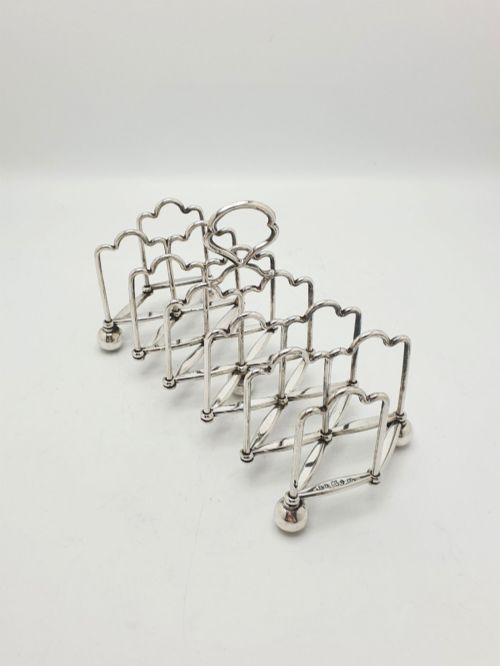

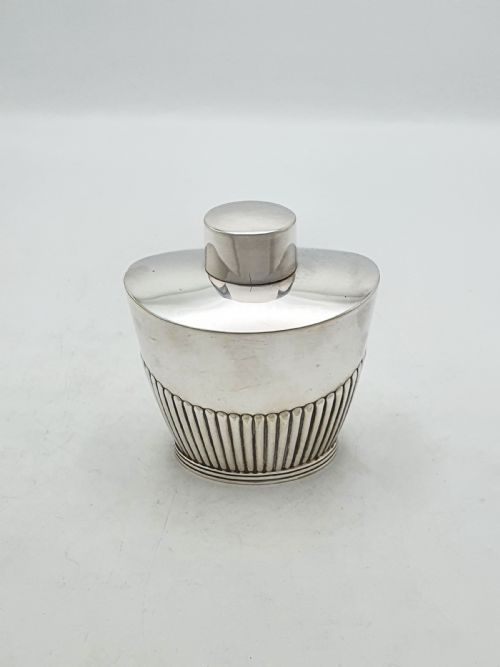


Vintage Silver Plated Caddy
These items offer a practical way to store dried leaves or biscuits, combining plated metal with glass and ceramic elements.

Vintage Silver Plated Caddy
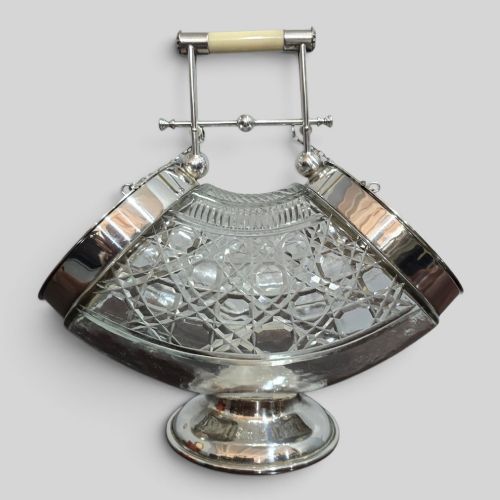
A vintage silver plated caddy refers to containers and receptacles designed for tea storage, biscuits, or condiments, produced across the nineteenth and twentieth centuries. The selection encompasses Victorian and Edwardian examples alongside later Art Deco iterations.
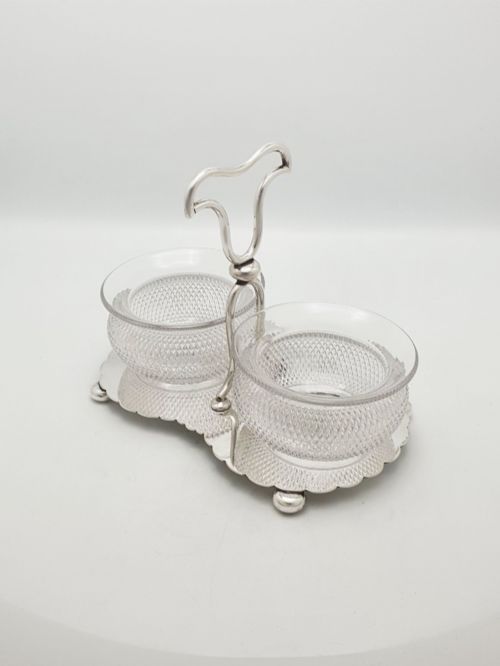
Forms span tea caddies, canisters, biscuit barrels, and relish caddies, often combining metal mounts with glass, earthenware, or oak bodies. Edwardian and Victorian pieces dominate the available range.
Makers utilised these containers for domestic hospitality, placing them on dining tables or tea trolleys to hold dry goods or condiments securely.
Materials and construction methods
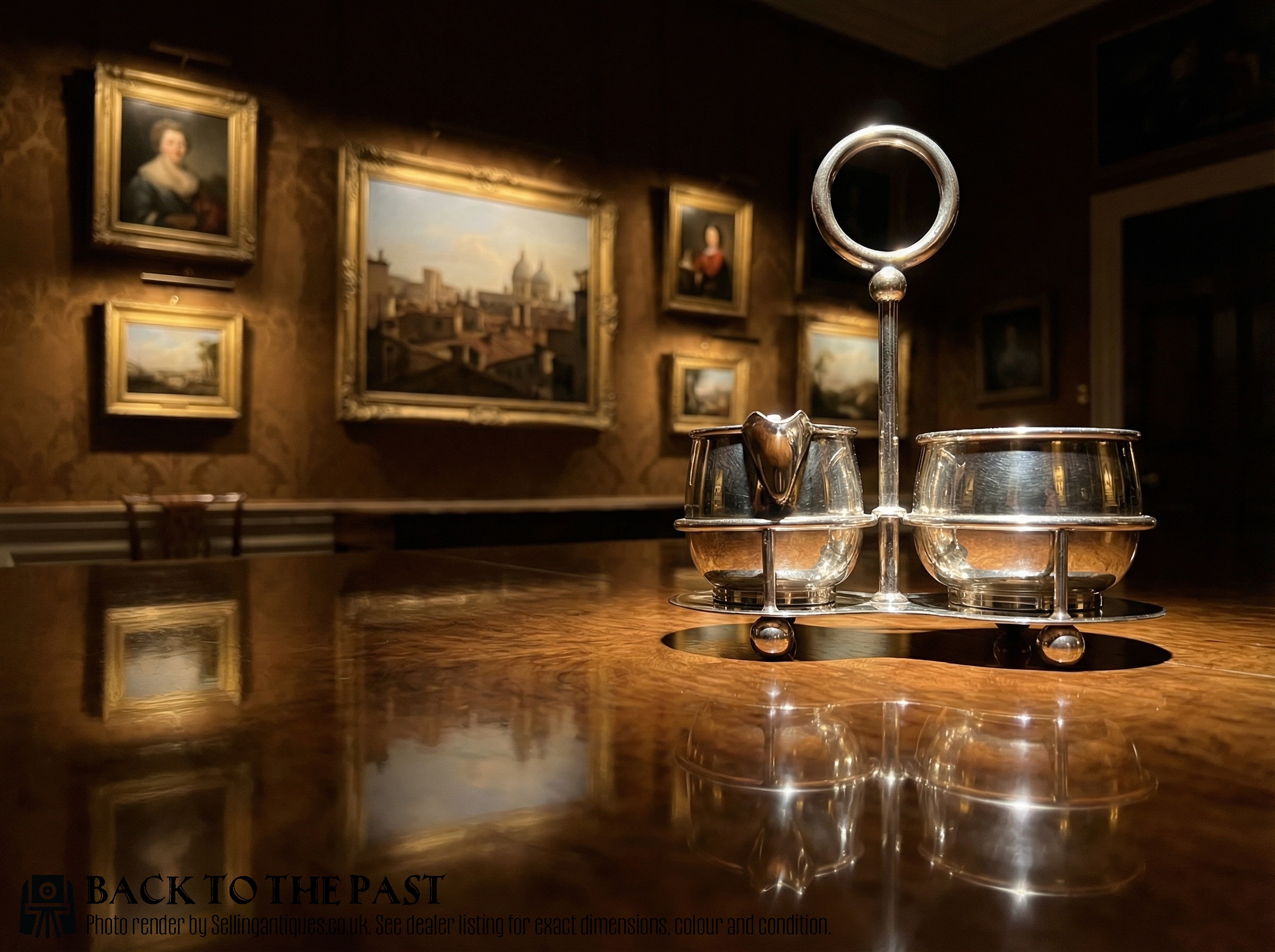
The construction relies heavily on silver plate over base metals like nickel silver, paired with cut glass, hobnail glass, and earthenware bodies such as Doulton Lambeth or Carlton Ware.
Wooden elements like English oak appear in novelty biscuit boxes and tantalus frames, fitted with hinged lids, swing handles, and locking mechanisms.
Casting and pressing techniques formed the metal mounts and toast racks, while cutting and etching decorated the glass inserts and condiment bowls.
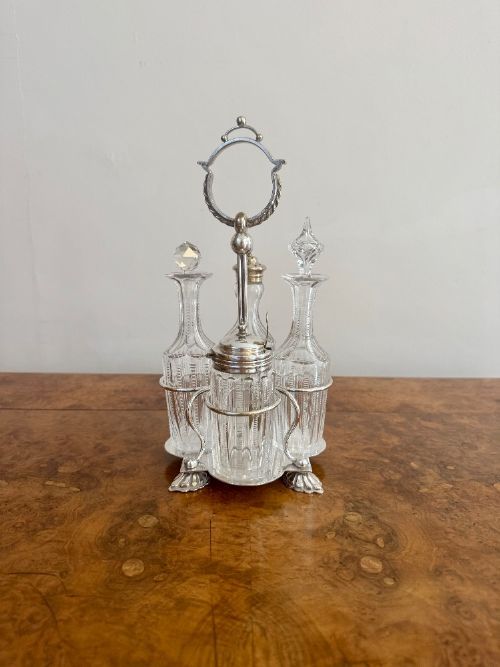
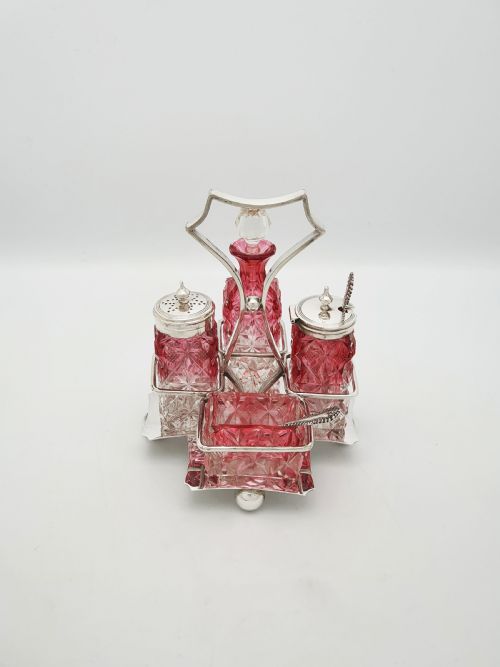
The documented object types include biscuit barrels, cruet sets, toast racks, tea caddies, barware, condiment stands, tantalus decanters, and relish caddies.
Indicators of quality and finish
Quality shows in the crispness of the casting on mounts and handles, the depth of cut glass decoration, and the integrity of the silver plating over the underlying base metal.
Maker marks from established workshops indicate higher standards of craftsmanship and heavier gauge metals, while unmarked items rely purely on their physical execution and material weight.
Martin Hall & Co·Elkington·Mappin & Webb·William Hutton·Asprey
The Vintage Silver Plated Caddy Glossary
- Silver Plate
- A thin layer of silver fused to a base metal such as copper or nickel silver. This technique provided the appearance of solid silver at a lower cost.
- Biscuit Barrel
- A covered container designed to hold dry biscuits on the dining table. They frequently feature ceramic bodies with plated metal rims and swing handles.
- Hobnail Cut
- A pattern of sharp, pyramid-shaped facets cut into glass surfaces. It catches the light and adds texture to nineteenth-century glassware.
- Cruet Set
- A collection of small bottles or jars for holding condiments, fitted into a metal frame or stand. They were standard additions to Victorian and Edwardian dining tables.
- Tantalus
- A locking wooden or metal frame that holds decanters securely while exposing their contents. The locking mechanism prevented unauthorized access to spirits.
Vintage Silver Plated Caddy: Frequently Asked Questions
How do I clean my silver plated caddy?
Use a soft cloth and a dedicated silver polish designed for plated items to maintain the surface. Avoid abrasive cleaners that can wear through the thin silver layer.
Wash glass or ceramic inserts separately in warm soapy water and dry them thoroughly before returning them to the metal frame.
What were biscuit barrels used for?
Biscuit barrels served as decorative containers to keep dry biscuits fresh on Victorian and Edwardian dining tables and tea rooms. They were often brought out during afternoon tea or after-dinner gatherings.
The fitted lids helped protect the contents from moisture and staleness while remaining accessible to guests.
How can I date my silver plated piece?
Examine the style, manufacturing techniques, and any maker marks stamped on the metal base. Victorian and Edwardian items often feature specific aesthetic markers like floral embossing or Arts and Crafts simplicity.
Comparing the form and materials to documented maker timelines helps narrow down the decade of production.
Can I use these caddies for modern food storage?
Many glass and ceramic lined caddies remain suitable for storing dry goods like tea leaves or individually wrapped biscuits. Ensure the interior surfaces are clean and free from old residue before use.
Avoid storing moist or acidic foods directly against vintage silver plate or unglazed ceramics to prevent tarnishing and damage.