

Vintage Silver Plated Box
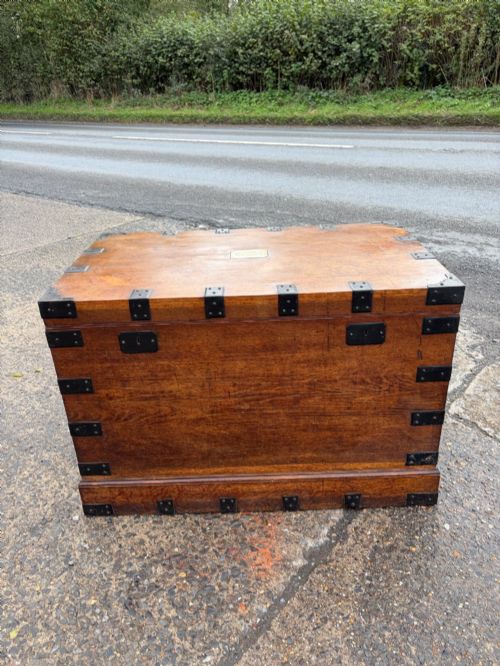
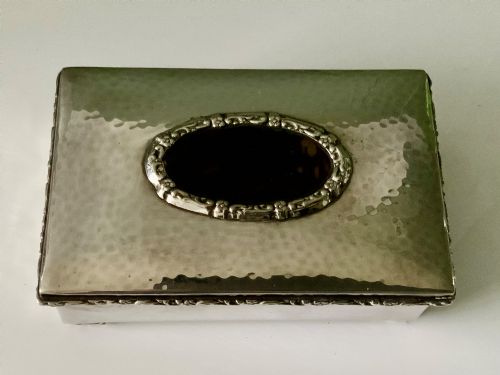
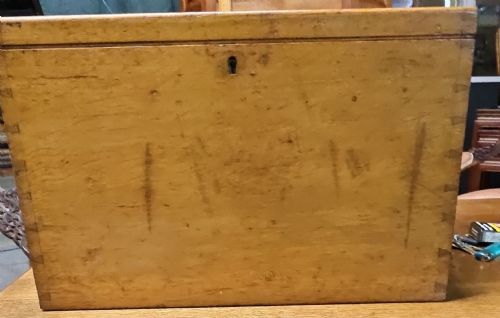
These vintage silver plated box pieces bring practical storage and period detail together, offering a sturdy metal finish over core materials like oak and ceramic.
Vintage Silver Plated Box
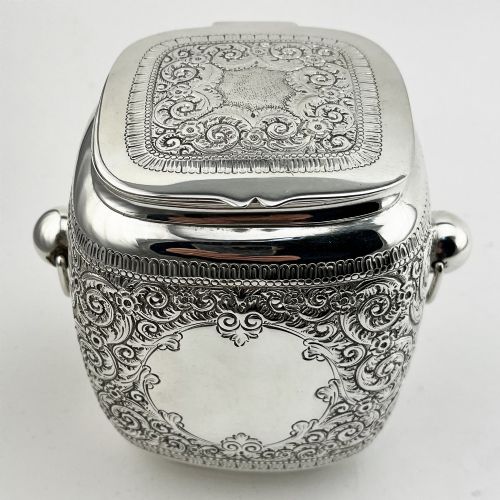
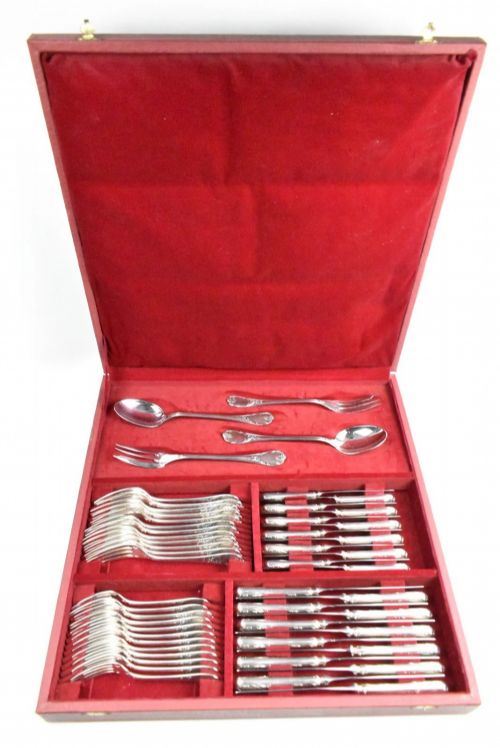
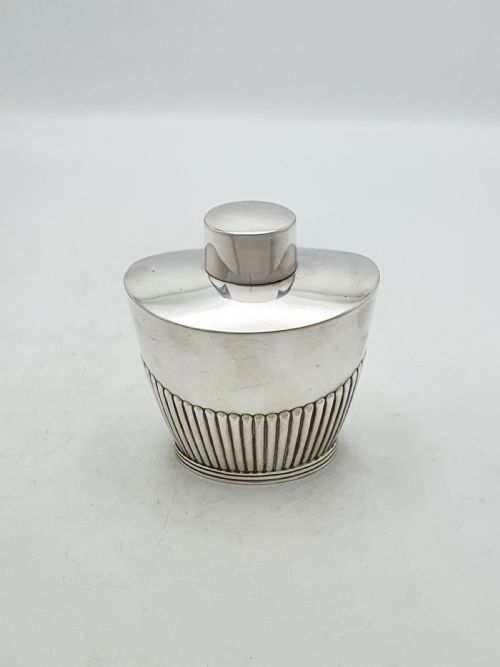
A vintage silver plated box covers a range of lidded containers designed for dry foodstuffs, documents, and personal trinkets. The selection draws heavily on nineteenth and early twentieth century items, including biscuit barrels, tea caddies, and desk accessories.
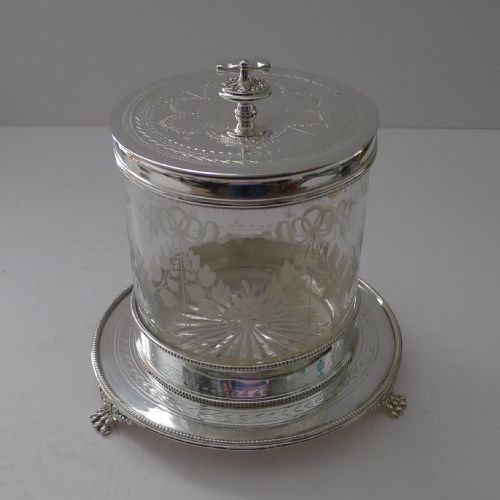
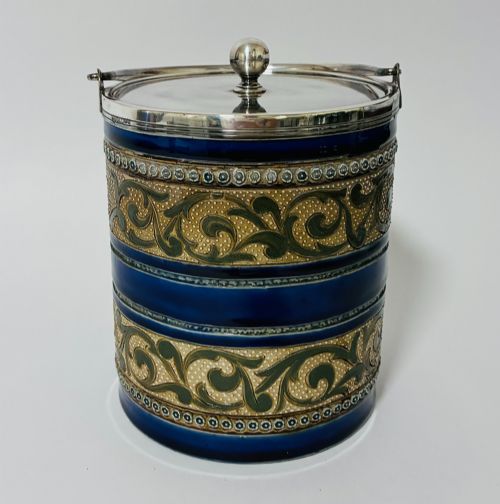
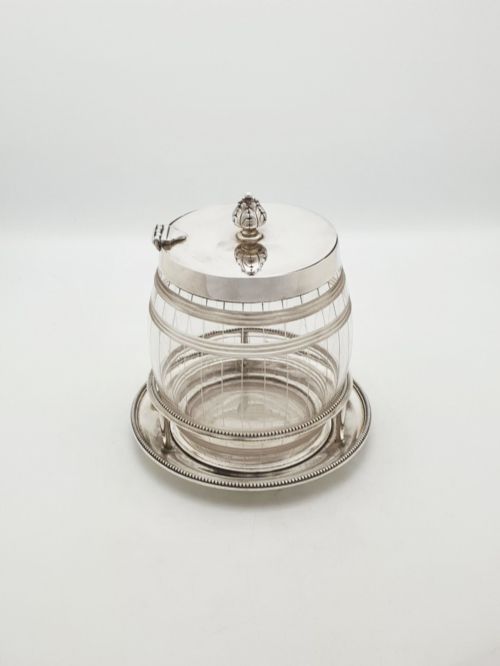
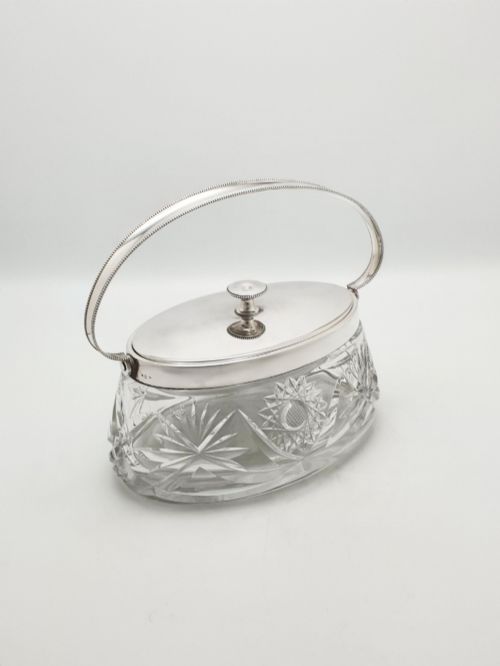
Biscuit barrels form a large part of the available stock, often combining silver plated mounts with cut glass, ceramic bodies like Doulton Lambeth, or oak timber. These household containers reflect the dining habits of the Victorian and Edwardian eras, when table presentation received careful attention.
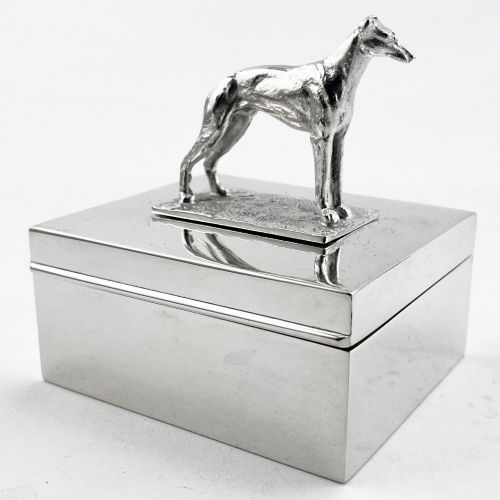
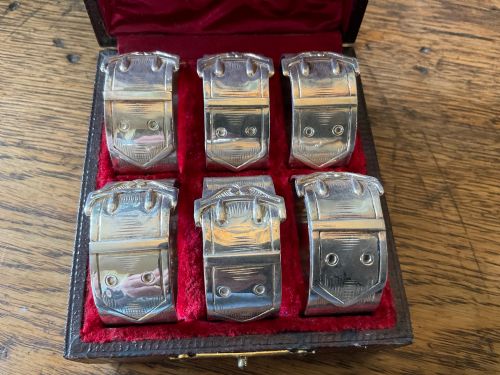
Smaller desk and vanity boxes also appear alongside larger storage pieces, incorporating velvet linings, brass fittings, and hinged lids. Buyers find examples spanning from the Victorian period through to Art Deco designs of the nineteen-thirties.
How they were made
Metalworkers applied thin layers of silver onto base metals such as brass, nickel, or white metal using early plating techniques. This method provided the visual appeal of solid silver without the full cost of the precious metal.
Wooden elements such as oak and structural interiors of cut glass or ceramic added weight and utility to the metal framework. Makers joined these mixed media components using precise hinges, mounts, and lock plates.
Vintage Silver Plated Box Retail Price Guide 2026
Typical asking prices for vintage silver plated box among the pieces listed under this phrase on Sellingantiques today, from the lower quarter to the upper quarter. They describe what is for sale here now, not the wider market.
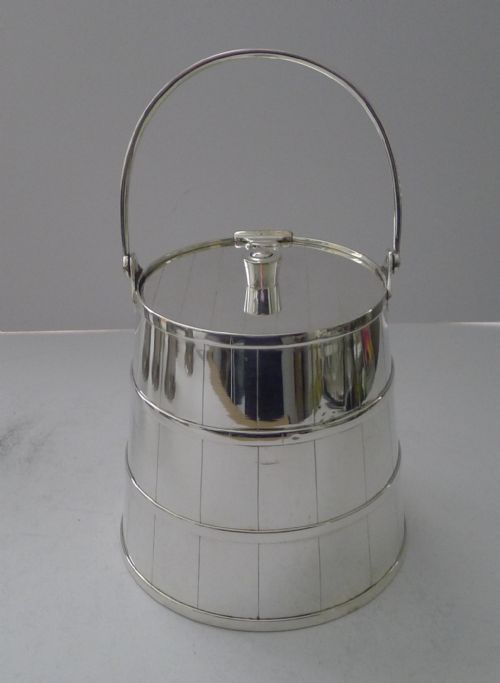
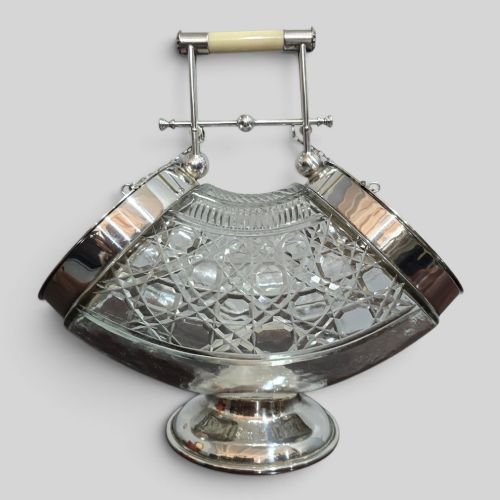
Some nineteenth century biscuit barrels doubled as ice buckets, keeping evening refreshments cold before domestic refrigeration arrived.
What varies in quality
The thickness of the applied silver coating and the durability of the underlying base metal determine how well a piece survives decades of handling. Thicker plating resists wearing through to the base brass or nickel, preserving the reflective surface.
Construction details such as the weight of the hinged lid, the tightness of the closure, and the integration of internal velvet or suede linings distinguish standard domestic items from superior workshop productions.
Martin Hall & Co·Elkington·WMF·Mappin & Webb·Christofle·William Hutton·Egidio Broggi
The Vintage Silver Plated Box Glossary
- Biscuit barrel
- A covered container designed to hold dry biscuits on the dining table during the Victorian and Edwardian periods. These vessels frequently use cut glass or ceramic bodies held within silver plated frames.
- Silver plate
- A manufacturing method where a thin layer of silver is bonded to a base metal such as copper, brass, or nickel. This process gained widespread use during the nineteenth century to produce affordable domestic tableware.
- Tantalus
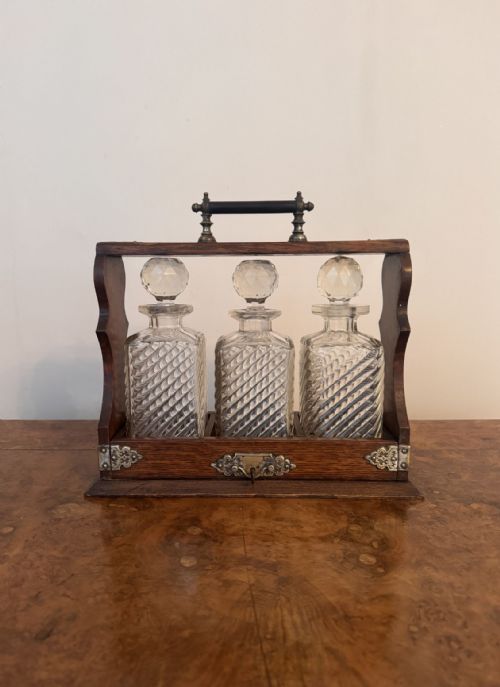
- A locking wooden frame holding decanters or glass bottles, fitted with a metal bar across the stoppers to prevent removal without a key. They often combine oak timbers with silver plated mounts and handles.
- Tea caddy
- A small lidded box or canister made to store tea leaves securely away from moisture and air. Early examples often feature internal compartments and hinged lids.
- Cut glass
- Glassware patterned with deep, geometric cuts made using a grinding wheel to catch and reflect light. It forms the body of many nineteenth century containers.
Vintage Silver Plated Box: Frequently Asked Questions
What were silver plated boxes used for?
These containers served specific domestic functions depending on their form, ranging from storing dry biscuits on the dining table to holding tea leaves or desk supplies. Their sturdy construction allowed them to handle daily household use while presenting an ornamental appearance.
Larger versions accommodated personal documents or valuables, whereas smaller lidded vessels held trinkets, stamps, or matches. The integration of materials like oak and cut glass helped protect the contents from moisture.
How do I clean a silver plated box?
Cleaning requires a soft cloth and a gentle silver polish formulated specifically for plated items to avoid wearing away the thin metal layer. Harsh abrasive cleaners will strip the silver coating from the underlying brass or nickel.
Non-metal parts such as wooden bodies or glass inserts should be wiped with a damp cloth rather than immersed in water, particularly where vintage hinges or velvet linings are present.
How can I tell the period of a piece?
Dating relies on stylistic clues, manufacturing marks stamped into the metal, and the combination of materials used in the construction. Victorian and Edwardian examples often feature heavier ornamentation, floral motifs, or cut glass bodies.
Later designs from the nineteen-thirties lean towards geometric Art Deco lines and simpler forms. Maker hallmarks and registration marks help narrow down the decade of production.
Are silver plated boxes durable?
The durability depends on the thickness of the original plating and how well the box has been cared for over the decades. Solid core materials like oak and heavy glass provide strong structural integrity, though the outer silver layer can thin with repeated polishing.
Items with sound hinges and intact internal linings generally withstand careful everyday use in modern homes without structural issue.