


Vintage Silver Plated Bowl
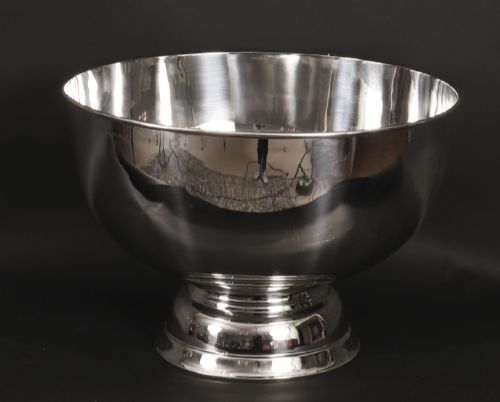
A vintage silver plated bowl brings domestic metalwork from the Victorian, Edwardian, and Art Deco eras to daily use on the table.
Vintage Silver Plated Bowl
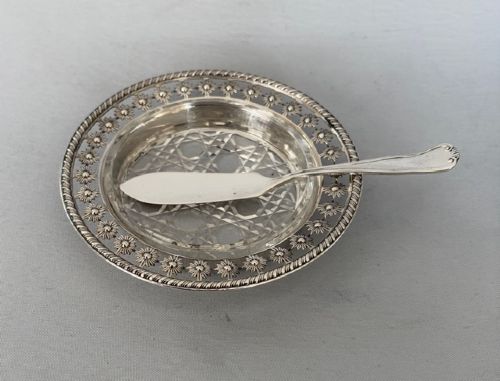
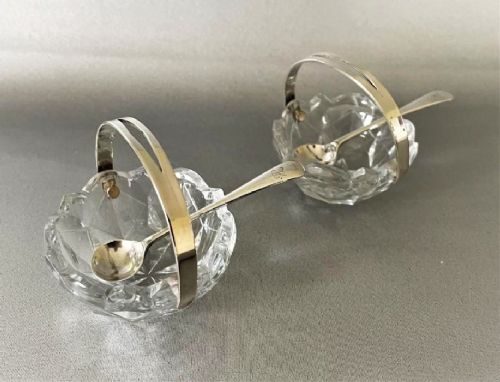
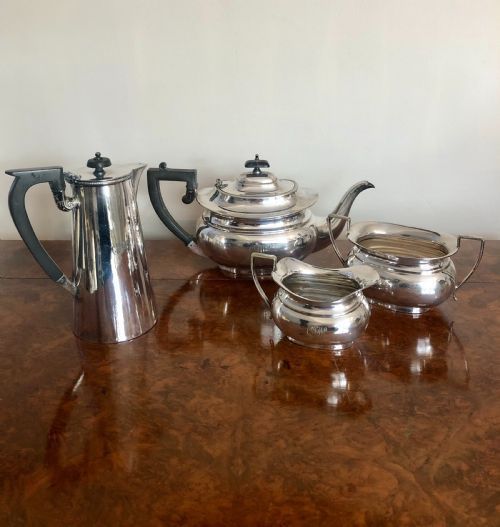
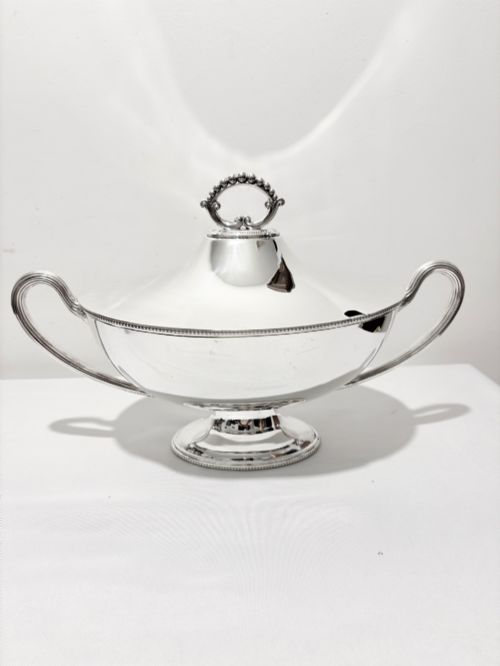
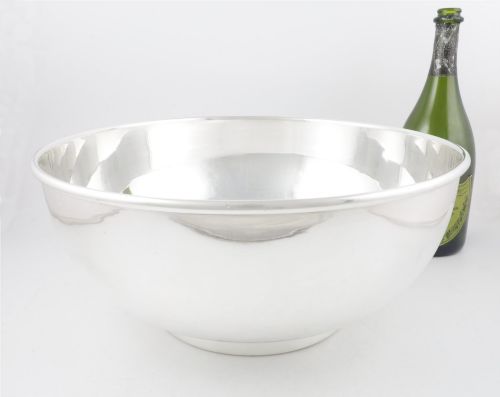
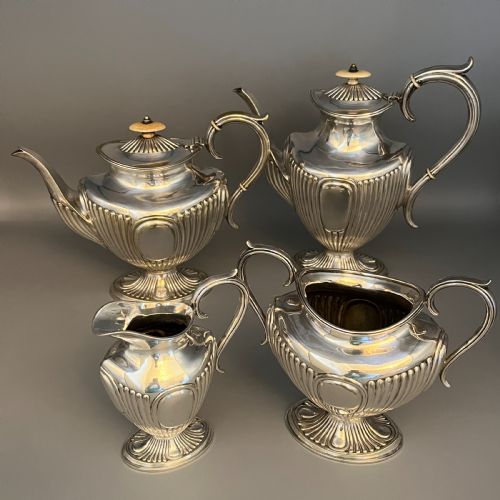
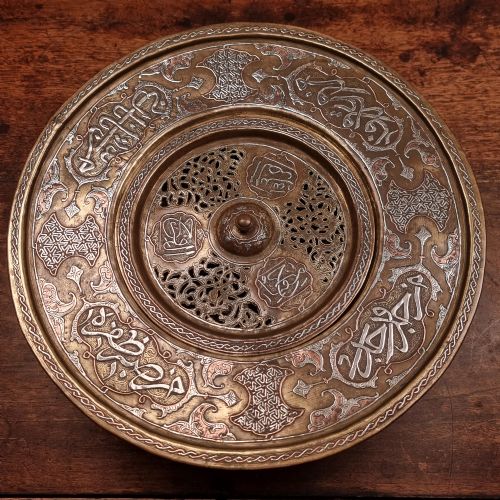
A vintage silver plated bowl encompasses a wide range of domestic vessels, from fruit baskets and rose bowls to condiment stands and tazzas. The forms span the nineteenth century through the early twentieth century, reflecting shifting domestic habits from formal tea services to decorative dining accessories.
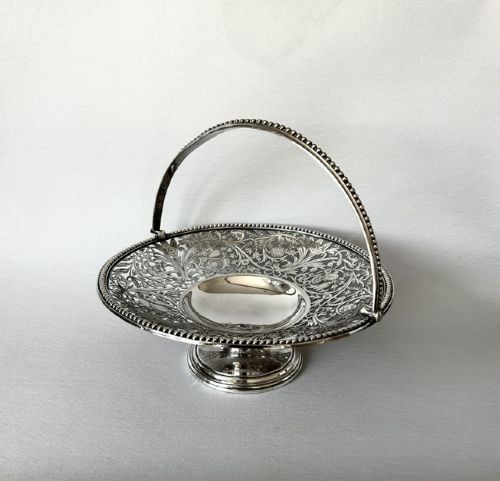
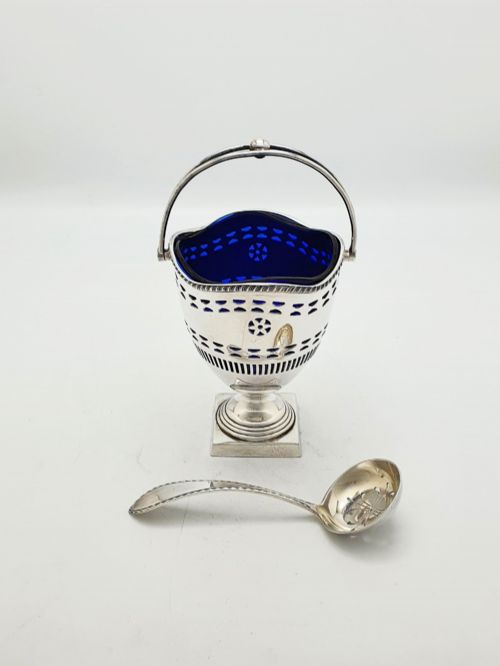
Edwardian and Victorian pieces dominate the selection, often taking the shape of pierced fruit baskets with swing handles or mounted glass liners. Alongside these, early twentieth century pieces introduce Art Nouveau floral motifs and Art Deco geometric lines to the serving table.
Materials and Technique
Makers utilised base metals such as copper, nickel silver, and electroplated nickel silver as the foundation for a thin layer of applied silver. Techniques like electroplating allowed workshops to produce substantial domestic vessels with the appearance of solid silver at a lower cost.
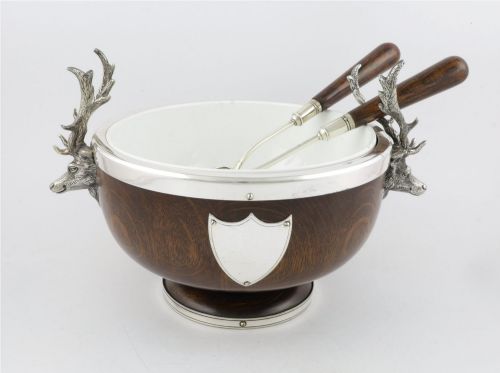
Decoration relied on hand skills including repoussé work, piercing, and chasing to ornament rims and handles. Combination pieces frequently integrated cut glass, cranberry glass, cobalt glass, ceramic, or oak alongside the plated metal.
Vintage Silver Plated Bowl Retail Price Guide 2026
Typical asking prices for vintage silver plated bowl among the pieces listed under this phrase on Sellingantiques today, from the lower quarter to the upper quarter. They describe what is for sale here now, not the wider market.
Listings feature periods spanning from the nineteenth century through the 1960s, incorporating materials like cut glass, oak, and electroplated nickel silver.
Judging Quality
Quality rests in the weight of the underlying metal and the crispness of decorative detailing such as repoussé borders and cast handles. Heavier base metals provide structural integrity, preventing distortion in large fruit baskets and entree dishes over time.
The durability of the silver plating and the retention of original glass liners or interior gilding differentiate standard production items from finer presentation pieces. Maker marks from established firms indicate higher standards of smithing and plating thickness.
Joseph Rodgers & Sons·Walker and Hall·Mappin & Webb·Elkington·Barker Ellis·WMF
The Vintage Silver Plated Bowl Glossary
- Electroplated Nickel Silver
- A copper, nickel and zinc alloy coated with a layer of pure silver through an electrolytic process. This material became the standard base for plated wares from the mid-nineteenth century onwards.
- Old Sheffield Plated
- An early method of fusing a thin sheet of silver to a thicker copper core by heat and pressure before rolling. Pieces made this way often reveal a thin line of copper along cut edges.
- Repoussé
- A metalworking technique where the artisan hammers the design from the reverse side to form raised patterns in relief on the front. It is frequently seen on Edwardian fruit baskets and bowls.
- Tazza
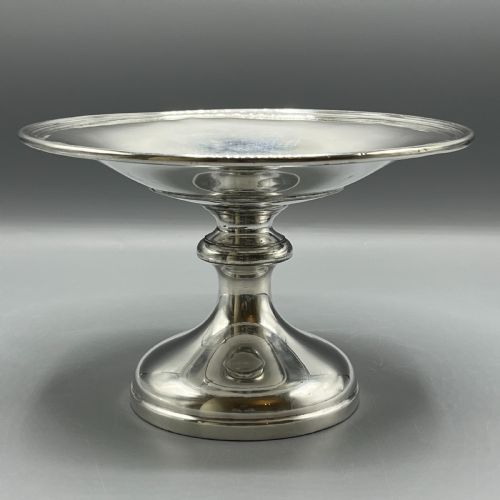
- An ornate shallow cup or dish mounted on a stem and foot, used historically for serving fruit or confections. On this page, they appear in silver plate from the early twentieth century.
- EPNS
- An abbreviation commonly stamped on silver plated wares to denote electroplated nickel silver. It serves as a guarantee of the underlying metal composition used by British manufacturers.
Vintage Silver Plated Bowl: Frequently Asked Questions
How do I clean a silver plated bowl?
Clean silver plate using a soft cloth and a specialised silver polish formulated to avoid stripping the thin metal layer. Rinse gently in warm water and dry thoroughly with a soft cloth to maintain the shine.
Avoid abrasive scouring pads or harsh chemical dips that can damage the plated surface and expose the underlying copper or nickel silver.
Can I use these bowls for food?
Most vintage silver plated bowls and baskets serve well for dry foods, fruit, bread, or wrapped confectionery. Pieces featuring glass or ceramic liners are particularly suitable for preserves or damp items.
Wash them by hand promptly after use rather than leaving acidic foods in contact with the metal surface for extended periods.
How do I date a silver plated bowl?
Dating relies on a combination of maker marks, stylistic clues such as Victorian pierced work or Art Nouveau whiplash lines, and manufacturing methods. Old Sheffield Plate generally indicates an earlier nineteenth century origin.
Examination of retailer stamps and registry marks often narrows the production period down to a specific decade or reign.
What is Old Sheffield Plate?
Old Sheffield Plate is an early composite material created by fusing silver to a copper ingot prior to shaping. This technique predates modern electroplating and produces a distinct dual-metal structure.
Collectors prize these pieces for their soft lustre and historical significance in the evolution of silver manufacturing.