





Vintage Silver Matchbox
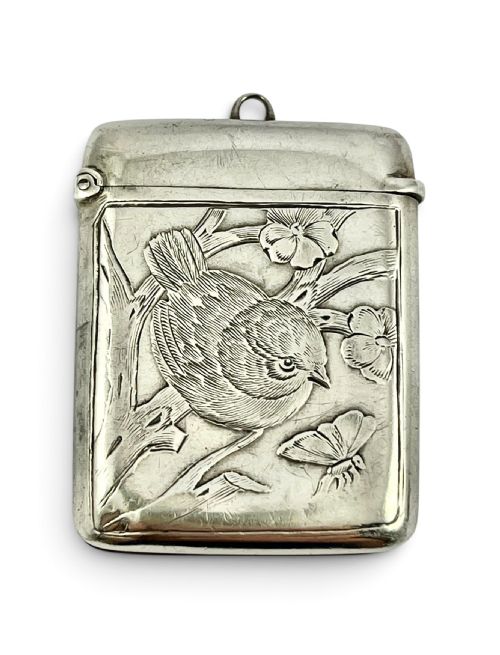
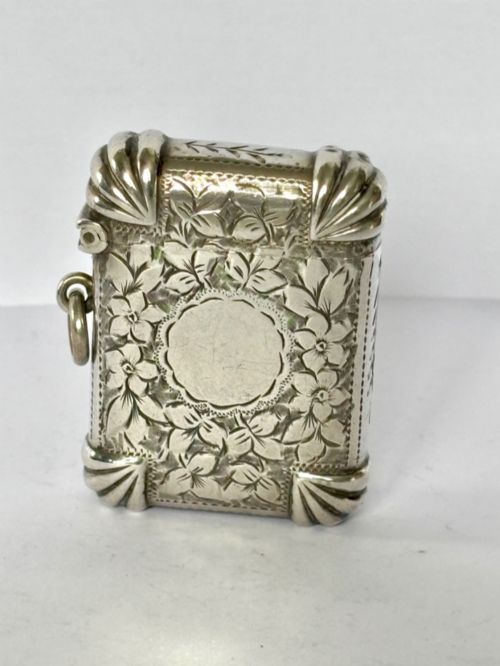
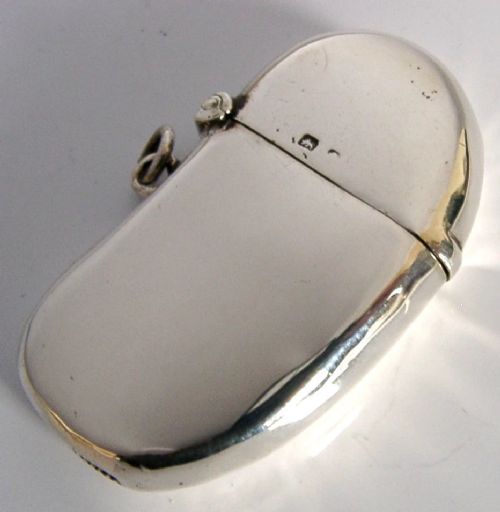
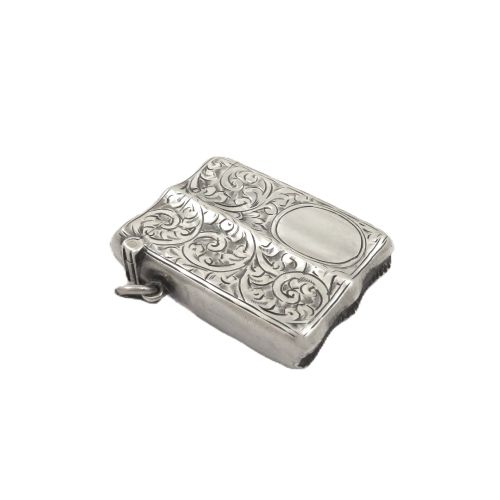
These vintage silver matchbox pieces are pocket and table containers for keeping vestas dry, offering tactile pocket history from the late nineteenth century onward.
Vintage Silver Matchbox
When you search for vintage silver matchbox, you encounter small personal accessories and smoking accessories made to hold matches safely in the pocket or on a table. The pieces on this page span the Victorian, Edwardian, and George V periods, extending into Art Deco designs.
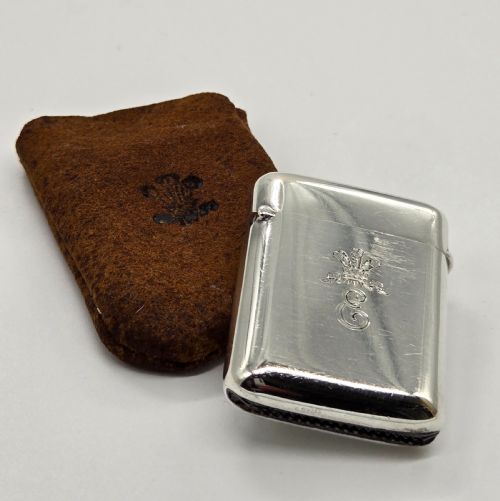
The most common forms are vesta cases and matchbox covers designed for daily pocket carry. You also find novelty match boxes, table vesta cases, and matchbook holders.
Origins range across English assay offices, notably Birmingham and Chester, with makers working in sterling silver, nickel-plated brass, and silver gilt.
How they were made
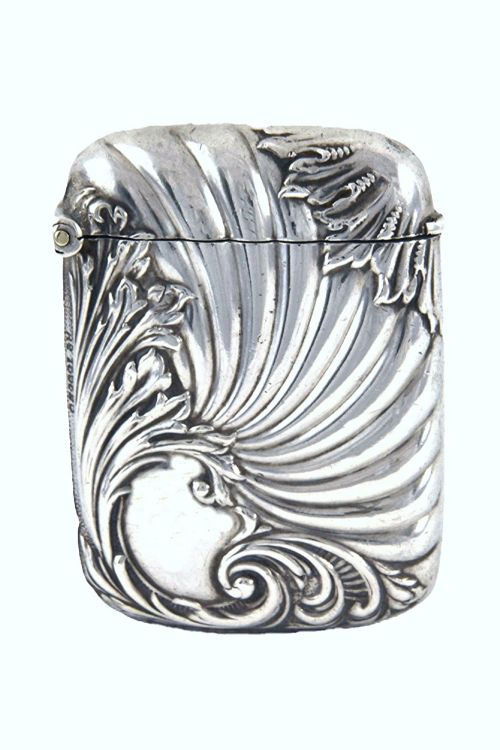
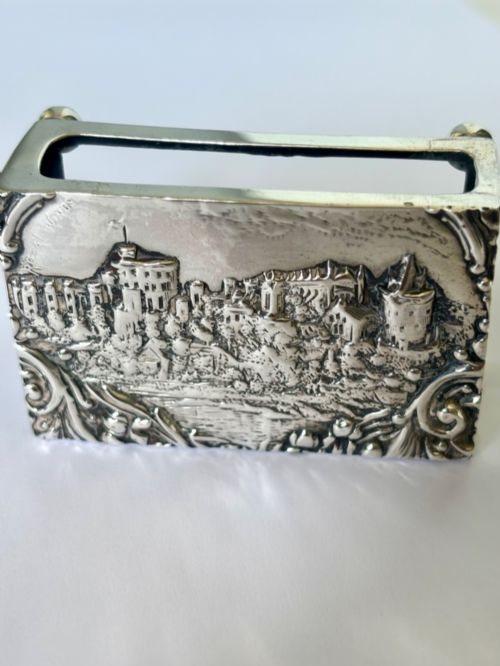
Silversmiths constructed these items using sterling silver and silver gilt, frequently applying engraving, repousse work, and casting techniques. Castle top matchbox covers display detailed architectural scenes pressed or cast into the metal.
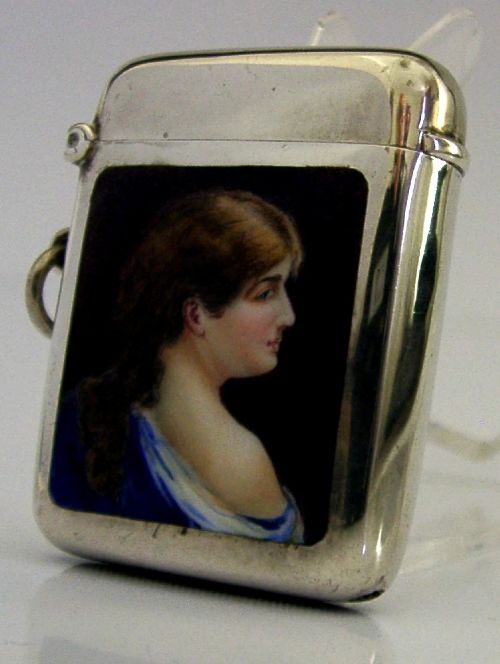
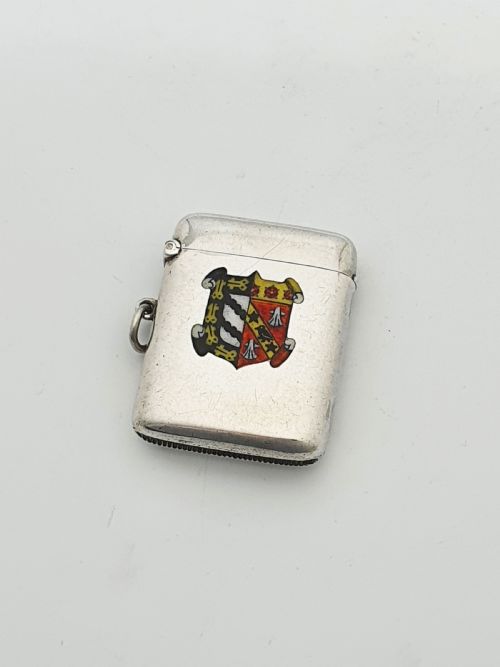
Enamel work appears across many examples, including vitreous enamel, hand-painted details, and enamel crests or portrait faces. Some pieces incorporate gold, suede, onyx, lapis lazuli, and gemstones into the silver body.
Listings include sterling silver, enamel, onyx, lapis lazuli, and nickel-plated brass across Victorian, Edwardian, George V, and Art Deco styles.
What varies in quality
Quality rests on the crispness of the hallmark stamping, the depth of the hand engraving or repousse relief, and the integrity of any applied enamel. Thicker gauge metal provides a more rigid case that resists denting in daily pocket use.
Specialised decorative elements, such as hand-painted portraits, inlaid gemstones like lapis lazuli, or figural forms such as pugs and mermaids, elevate pieces beyond standard production items.
EV Pledge & Son·Robert Pringle·Alfred Clark·George Betjemann
The Vintage Silver Matchbox Glossary
- Vesta case
- A small pocket box designed to hold safety matches or vestas, fitted with a striker on the base. These cases protected matches from moisture before the widespread adoption of safety matches.
- Hallmark
- An official stamp applied by an assay office indicating the purity of the metal, the maker, and the year of assay. English silver carries marks such as the lion passant and town marks.
- Repousse
- A metalworking technique where the silversmith hammers the design from the reverse side to form a raised relief on the front. This method creates tactile depth on match cases.
- Sterling silver
- An alloy consisting of ninety-two point five percent silver and seven point five percent other metals, usually copper. This standard is traditional for British silver articles.
- Castle top
- A style of decorative metalwork featuring a notable building or landscape scene on the lid. Royal Windsor appears among these architectural subjects.
Vintage Silver Matchbox: Frequently Asked Questions
How do I date a silver matchbox?
Examine the hallmarks stamped into the metal, which include a specific letter code for the year of assay and symbols for the assay office and silver standard.
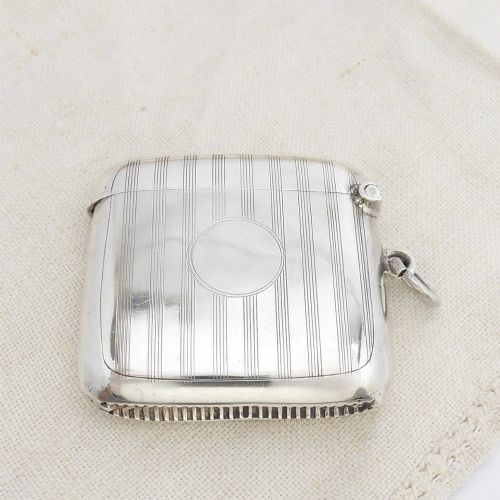
Style indicators such as Edwardian lettering, Victorian engraving, or Art Deco geometric lines also help place the piece within a broad decade.
What is the difference between a vesta and a matchbox holder?
A vesta case is a complete enclosed box with a hinged lid and a striking surface on the bottom, made for loose matches. Matchbox covers and matchbook holders are open sleeves designed to slide over standard cardboard matchboxes.
Both serve smoking accessories functions but handle the matches differently.
Can I still use these for modern matches?
Pocket vesta cases accommodate short matches if the interior length permits, though modern safety matches often exceed historical dimensions. Many collectors use them to hold specialty matches or simply display them as smoking antiques.
Ensure the hinge and snap closure remain secure before carrying matches in a pocket.
Why do some have stones or enamel?
Makers added vitreous enamel, gemstones, and gold accents to personalise or elevate standard silver match cases for wealthy clientele. Heraldic crests, portraits, and novelty animal shapes turned functional objects into statements of personal taste.