





Vintage Silver Match Safe
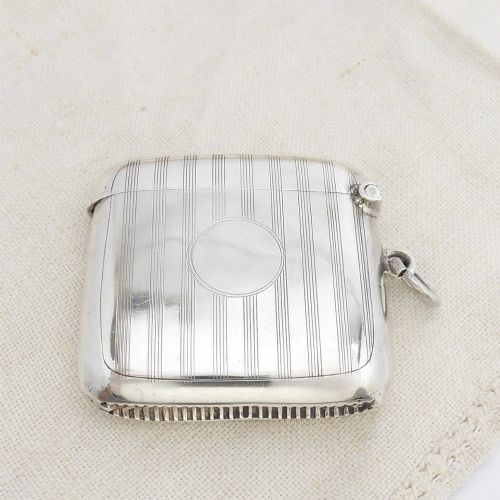
These vintage silver match safe pieces are pocket-sized pocket companions for striking matches safely, fashioned by silversmiths to hold early vestas.
Vintage Silver Match Safe
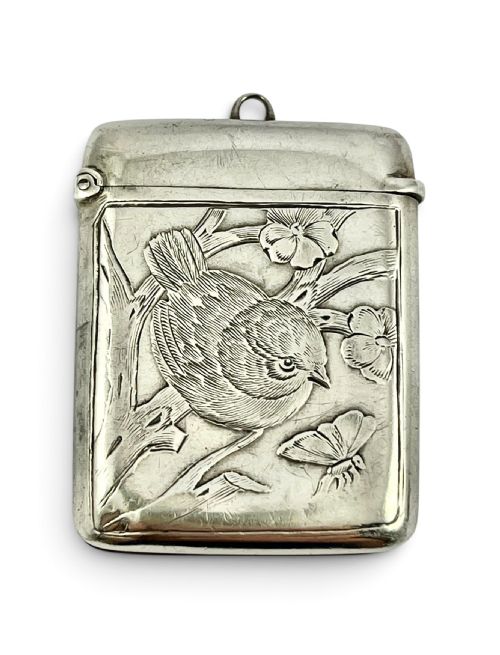
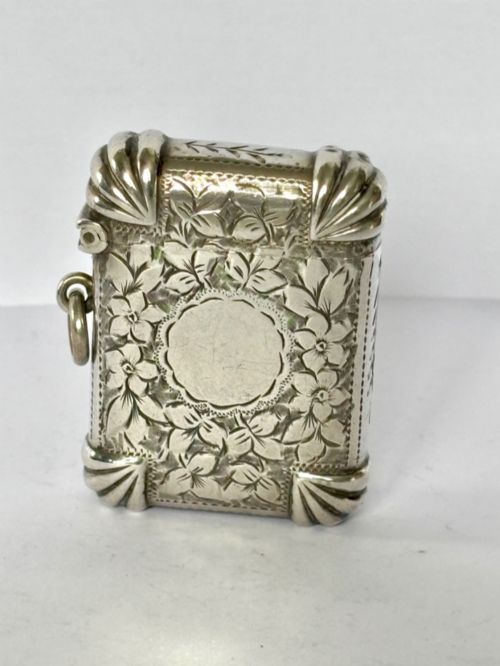
A vintage silver match safe is a small pocket container designed to hold matches securely while protecting them from dampness and accidental friction. The pieces seen here span from the late nineteenth century through the Edwardian and George V periods into the Art Deco era.
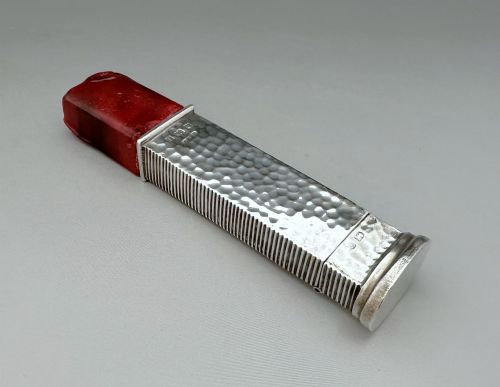
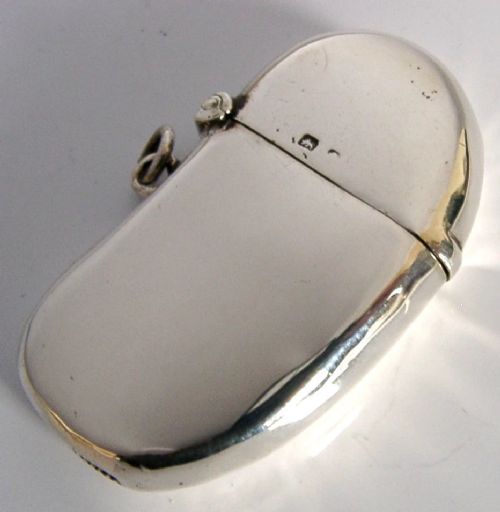
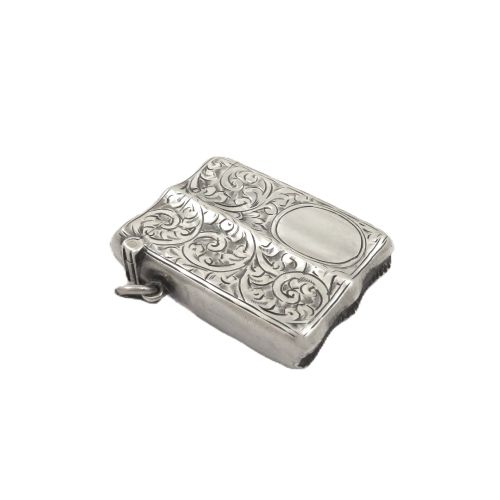
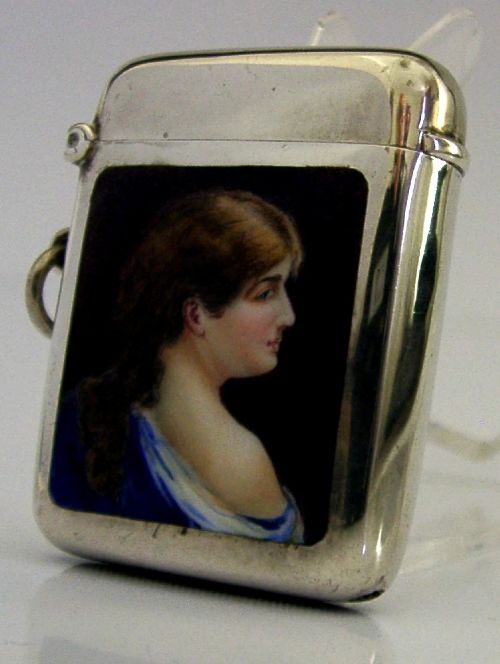
You will encounter standard rectangular vesta cases alongside novelty forms modelled as animals, human portraits, kidney bean shapes, and combination pieces holding sealing wax. Most examples originate from British assay offices, particularly Birmingham and Chester, bearing clear hallmarks that date their manufacture.
Materials and construction
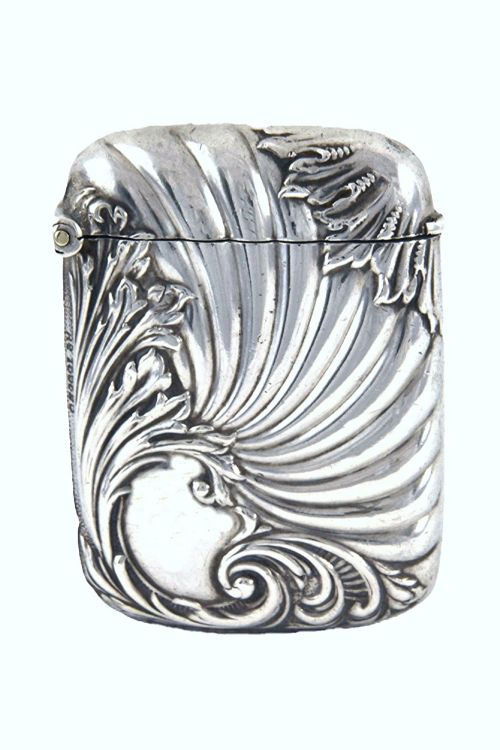
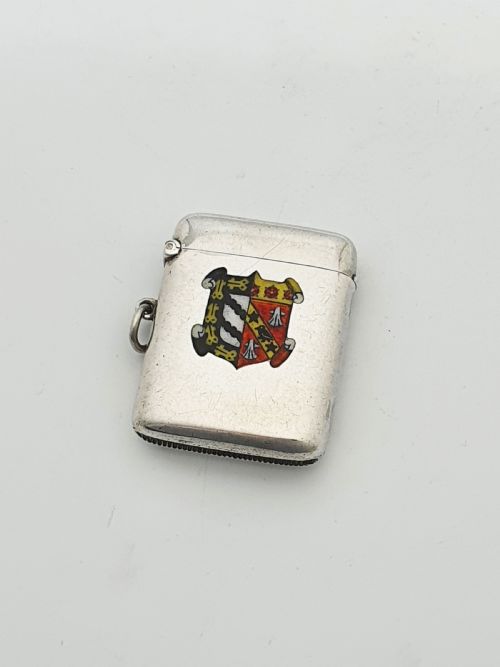
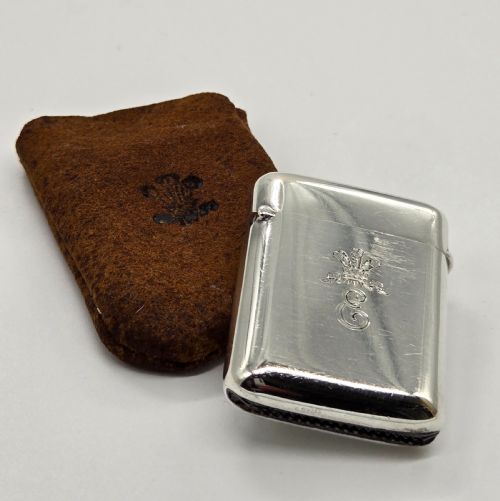
Makers shaped sterling silver into protective shells using techniques such as repousse work, casting, and hand engraving. Many pieces incorporate vitreous enamel, hand-painted details, gold accents, or inset gemstones to elevate the surface design.
Interior surfaces often retain original gilding to prevent corrosion from sulphur matches, while hinged lids rely on tight springs to keep the contents secure during everyday carry.
The listings here feature sterling silver alongside enamel, gold, and suede materials spanning the Victorian, Edwardian, and Art Deco eras.
Assessing quality and craftsmanship
Quality rests in the crispness of the chasing or repousse work, the weight of the sterling silver, and the precision of the hinge mechanism. Finer examples display intricate hand painting in the enamel or sculptural modelling that retains sharp definition across every contour.
Plain polished boxes depend entirely on unblemished metal surfaces and robust structural integrity, whereas novelty forms succeed through anatomical accuracy and expressive detail in the casting.
EV Pledge & Son·Robert Pringle·Alfred Clark
The Vintage Silver Match Safe Glossary
- Vesta case
- A small pocket container specifically designed to hold safety matches or vestas. These items became essential accessories during the nineteenth and twentieth centuries.
- Hallmark
- An official stamp struck into precious metals indicating the standard of silver, the assay office, and the year of manufacture. British hallmarks provide an exact date for the piece.
- Repousse
- A metalworking technique where the artisan hammers the design from the reverse side to form a raised relief on the front. This method creates tactile decoration across the silver surface.
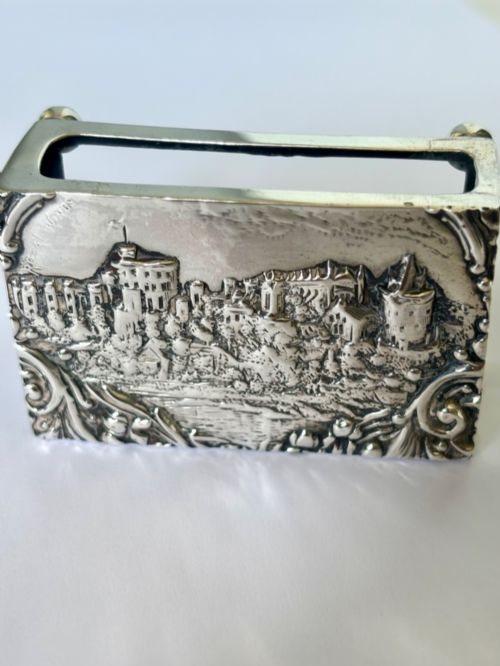
- Castle top
- A specific style of matchbox cover or vesta featuring an engraved or cast depiction of a famous building or landmark on the lid. Royal Windsor appears among these architectural motifs.
- Vitreous enamel
- Glass fused to metal under high heat to create a durable, coloured decorative surface. This material allows for miniature painted portraits and vibrant crests.
Vintage Silver Match Safe: Frequently Asked Questions
How do I date a silver match safe?
You date a piece by reading the hallmarks stamped into the metal, which include date letters corresponding to specific assay office records.
Additional clues come from the prevailing stylistic periods, such as Victorian florid engraving or clean Art Deco geometric lines.
What is a vesta case?
A vesta case is a small portable container used to carry matches safely in the pocket or handbag before the widespread adoption of modern safety matchbooks.
They typically feature a striated surface on the bottom for striking the match upon removal.
How were these match safes carried?
Owners usually carried them suspended from a chatelaine on a belt, tucked into a waistcoat pocket, or held within a dedicated pocket in a handbag.
Small suspension loops attached to the frame allowed for secure attachment to chains or cords.