


Vintage Silver Locket
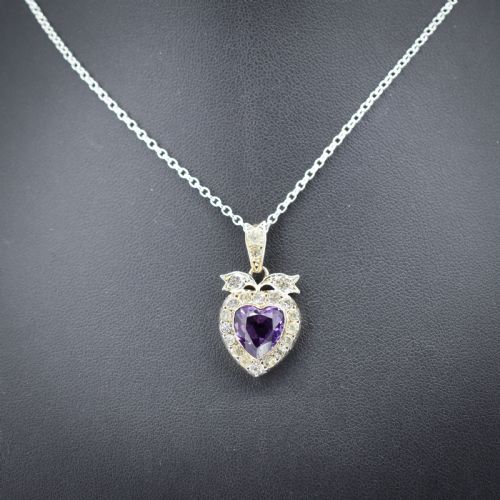
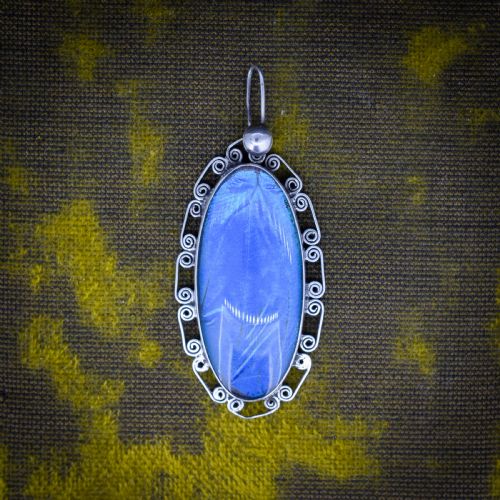
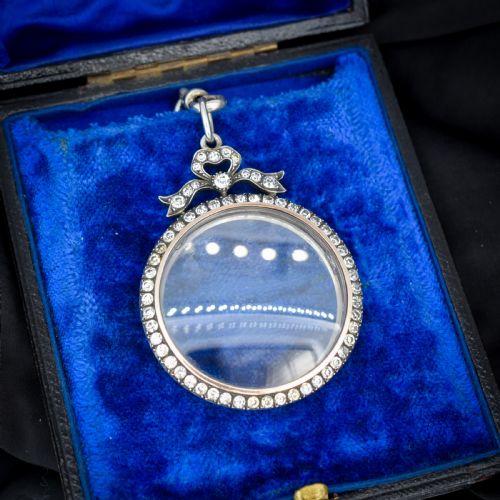
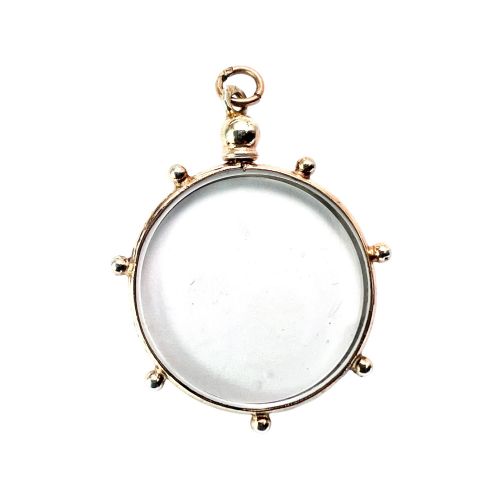
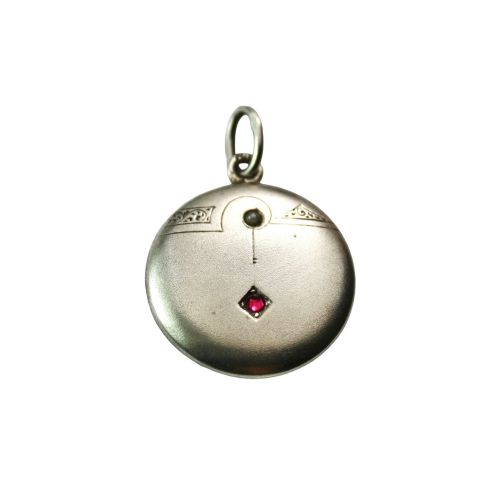
Vintage silver locket pieces are hinged metal pendants designed to hold tiny portraits, hair, or mementos close to the heart.

Vintage Silver Locket
A vintage silver locket bridges personal sentiment and decorative art, taking forms from simple engraved ovals to elaborate jewelled designs. When exploring this selection, buyers encounter pieces spanning the Victorian, Edwardian, and Art Deco eras alongside earlier Georgian and 19th-century examples.
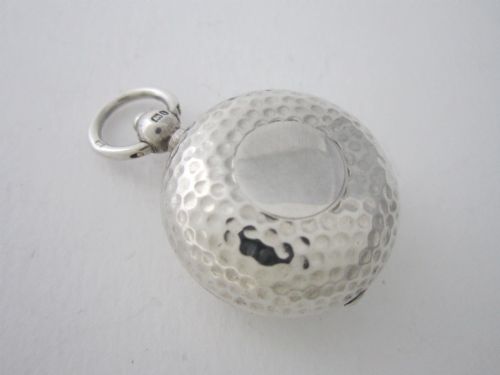
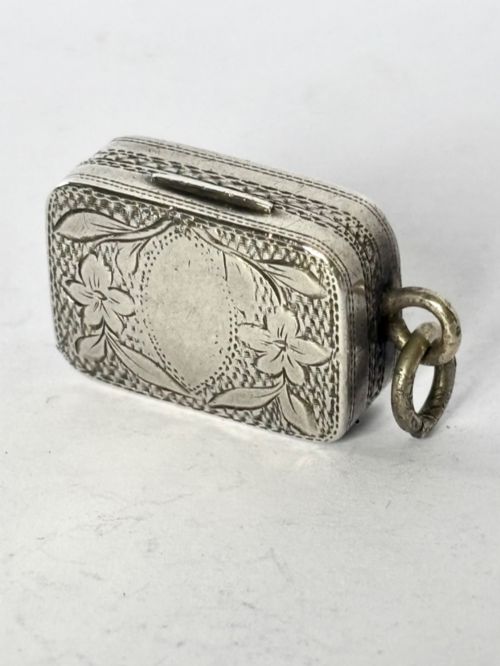
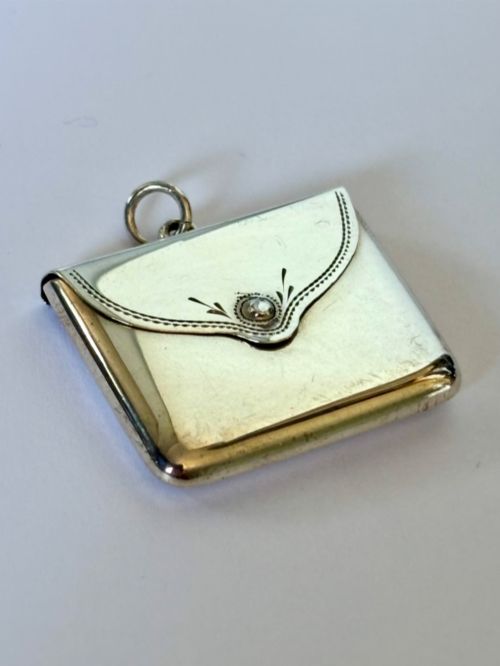
The objects listed here extend beyond standard hinged pendants to include related personal accessories like stamp cases, sovereign cases, powder compacts, and multi-functional charm pendants. These variations showcase how silversmiths applied locket mechanisms and decorative techniques to everyday pocket items.
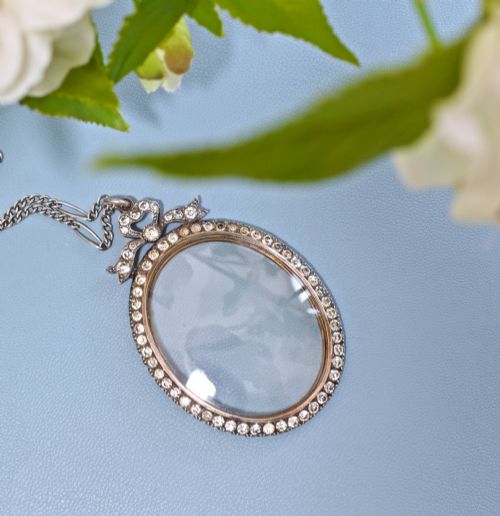
Originating from British workshops, Scandinavian centres, and continental makers such as Viennese studios, the assortment reflects diverse regional tastes. Pieces commonly incorporate sterling silver or silver gilt, frequently paired with supplementary materials like gold, enamel, glass, and paste.
How They Were Made
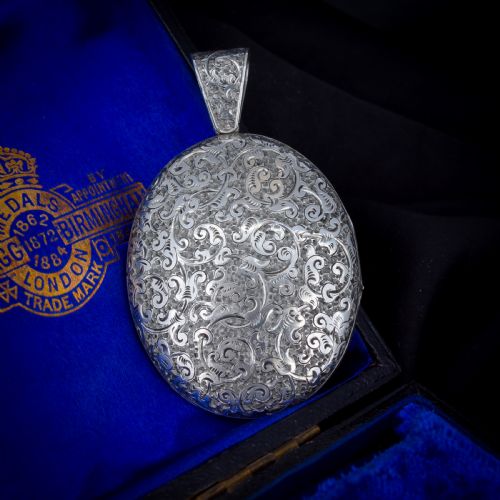
Silversmiths constructed these pieces primarily using sterling silver and silver gilt, shaping metal through hand engraving, stamping, and delicate filigree work. Structural elements often integrated gold accents to highlight bezels, hinges, or decorative borders.
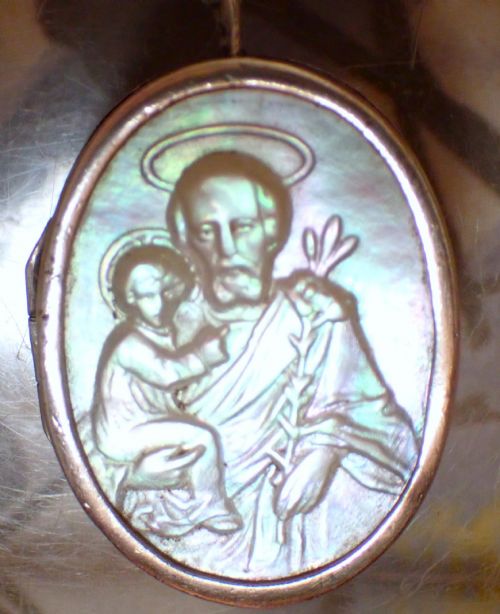
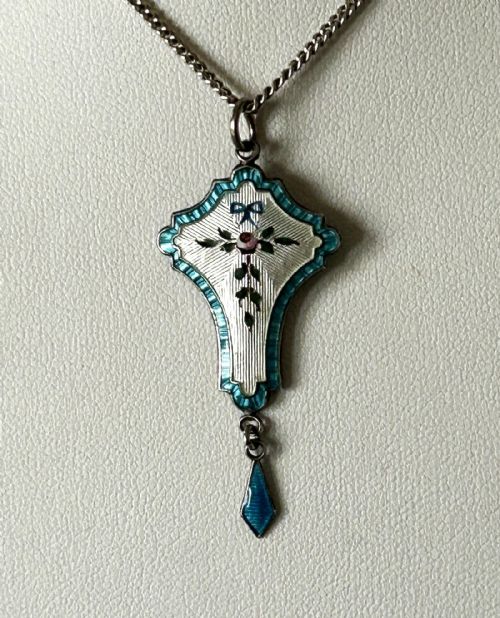
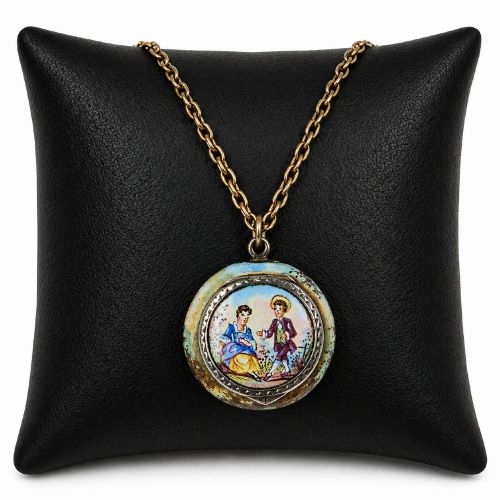
Surface ornamentation relied on traditional techniques, notably vitreous and guilloche enamel, alongside applied marcasite, pearls, and paste stones. Makers also utilised natural media such as mother-of-pearl, tortoise-shell glass, and carved gemstones to front their hinged compartments.
Vintage Silver Locket Retail Price Guide 2026
Typical asking prices for vintage silver locket among the pieces listed under this phrase on Sellingantiques today, from the lower quarter to the upper quarter. They describe what is for sale here now, not the wider market.
What Varies in Quality
Quality rests upon the crispness of hand-engraved motifs, the structural integrity of internal bezel frames, and the snugness with which the hinged clasp shuts. Superior examples maintain precise alignment when closed, ensuring miniature photographs or mementos remain secure.
The artistry of the decorative elements further distinguishes the range, separating mass-produced stamped items from pieces featuring hand-applied enamel work, custom-cut paste, or complex filigree. Maker attribution and documented hallmarks provide additional measures of distinction among surviving items.
Samuel Pemberton·Crisford and Norris·Albert Ernest Jenkins·Henry Perkins and Sons·John Paul Cooper·Meyle and Mayer·Levinger and Bissinger·Theodor Fahrner·Charles Horner
The Vintage Silver Locket Glossary
- Sterling silver
- A silver alloy containing 92.5 percent pure silver and 7.5 percent other metals, typically copper, used widely in British silver manufacturing.
- Guilloche enamel
- A decorative technique where translucent enamel is layered over engine-turned metalwork, creating geometric patterns beneath the glossy coloured surface.
- Paste
- Hand-cut and polished glass designed to imitate gemstones, frequently utilised in Georgian and Victorian jewellery for brilliant sparkle.
- Silver gilt
- Sterling silver that has been coated with a thin layer of gold, sometimes referred to as vermeil.
- Filigree
- Delicate jewellery-making work consisting of twisted silver threads soldered together to form openwork patterns.
Vintage Silver Locket: Frequently Asked Questions
How do I date a silver locket?
Dating relies primarily on official assay office hallmarks stamped into the metal, which indicate the exact year of testing and the town of origin. Stylistic markers such as Edwardian garland motifs, Art Nouveau whiplash lines, or Art Deco geometric symmetry also point to specific eras.
Examining the construction of the hinge and the style of the jump ring provides additional clues regarding the period of manufacture.
Can I wear a locket every day?
Most solid silver lockets are robust enough for regular wear, provided the hinge and clasp mechanism remain secure and tightly aligned. Care should be taken with antique items featuring delicate glass fronts, enamel work, or glued components like pearls.
Removing the piece before swimming, bathing, or engaging in strenuous physical activity helps protect the aged metal and delicate internal linings from damage.
What is the difference between a pendant and a locket?
While all lockets function as pendants, not all pendants contain the opening compartments that define a locket. Lockets specifically feature a hinged cover and an interior cavity designed to conceal personal mementos.
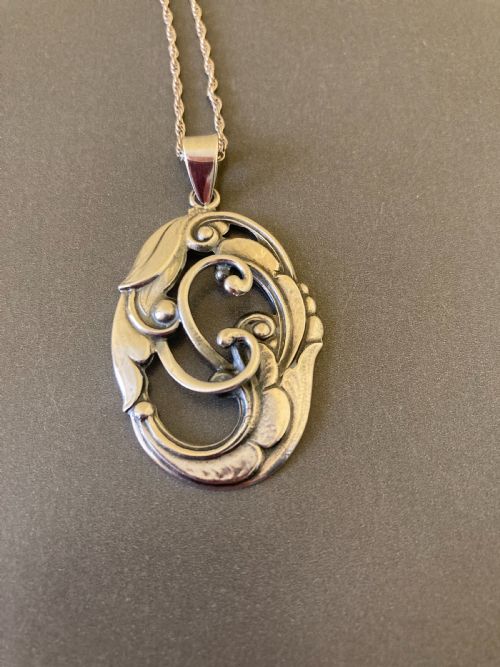
Pendants encompass a broader category of decorative items that hang from a necklace without necessarily opening or enclosing objects.