




Vintage Silver Letter Opener
These vintage silver letter opener examples bring tactile desk culture to life, combining precious metal with horn, shell and enamel.
Vintage Silver Letter Opener
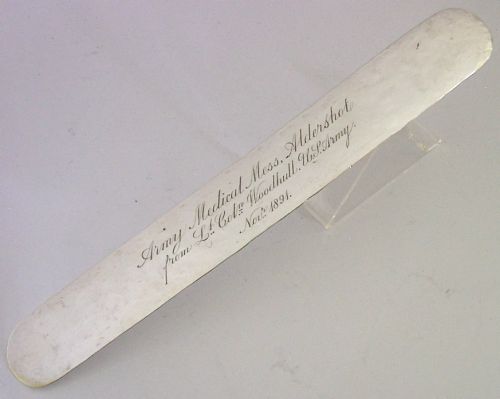
A vintage silver letter opener functions as a functional desk accessory designed for slitting envelopes and turning pages. The selection spans compact metal blades to substantial page turners fashioned from diverse materials.
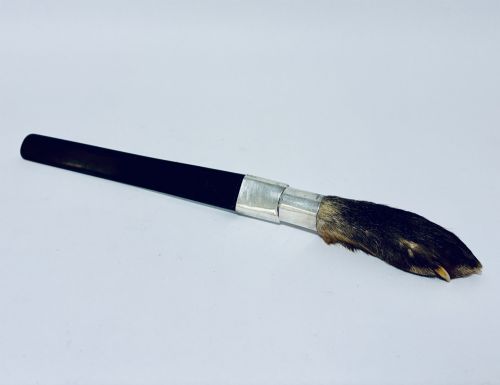
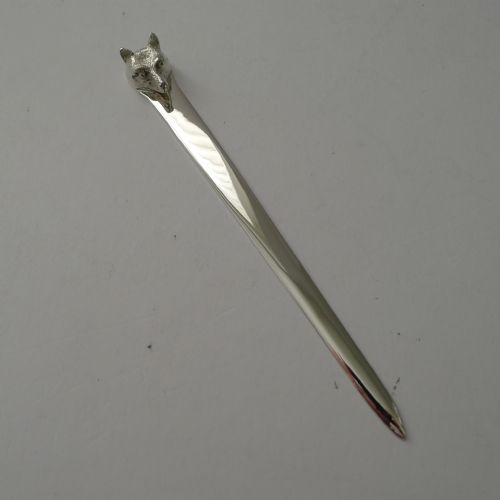
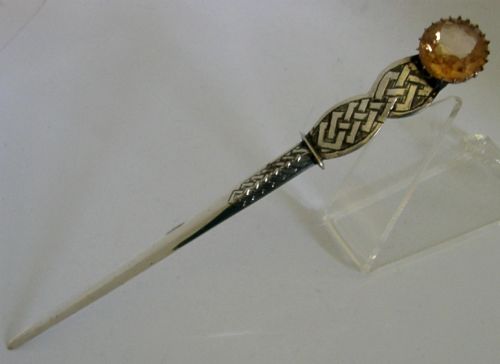
Buyers encounter Edwardian and Georgian examples alongside Art Deco geometric designs and mid-century commemorative pieces. Scottish provincial work and novelty animal forms appear frequently across the inventory.
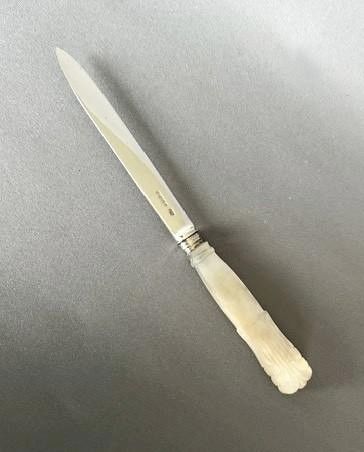
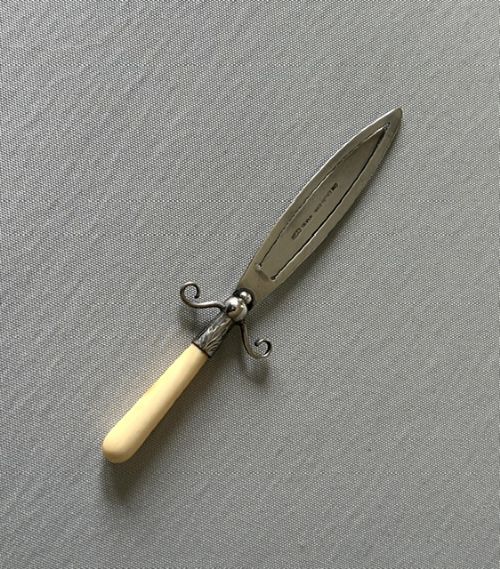
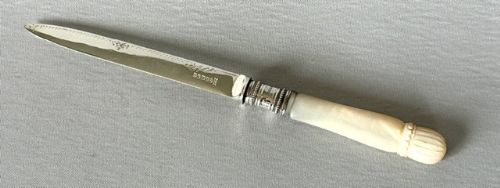
Makers integrated sterling silver with organic elements like tortoiseshell, mother-of-pearl, horn and Connemara marble. Certain items double as paper knives or incorporate gemstones such as citrine and agate.
Distinguishing quality across the range
Quality rests on the integrity of the join between handle and blade, and the crispness of cast animal figures or engraved decoration. Substantial gauge silver and flawless organic inserts elevate a piece above standard utilitarian examples.
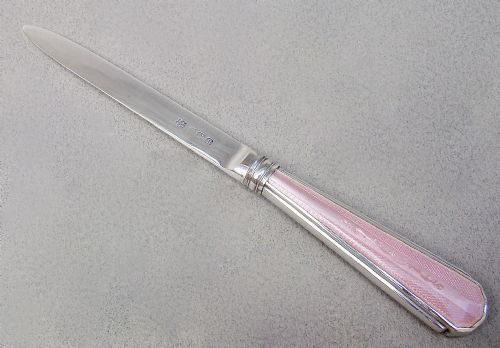
The precision of guilloche enamel work and the selection of decorative stones such as agate or citrine differentiate standard workshop production from notable maker output. Wear on tortoiseshell or mother-of-pearl panels affects overall preservation.
Vintage Silver Letter Opener Retail Price Guide 2026
Typical asking prices for vintage silver letter opener among the pieces listed under this phrase on Sellingantiques today, from the lower quarter to the upper quarter. They describe what is for sale here now, not the wider market.
Materials documented across the inventory include sterling silver, tortoiseshell, mother-of-pearl, horn, enamel, citrine and Connemara marble.
The Barker Brothers·Sampson Mordan and Co·Hermes Paris
The Vintage Silver Letter Opener Glossary
- Page turner
- A larger desk implement designed for separating uncut book pages. These items often feature extended blades of tortoiseshell, horn or mother-of-pearl with silver mountings.
- Guilloche enamel
- A decorative technique where mechanical patterns are engraved beneath a translucent enamel layer. This method was widely utilised during the Art Deco period.
- Game skewer
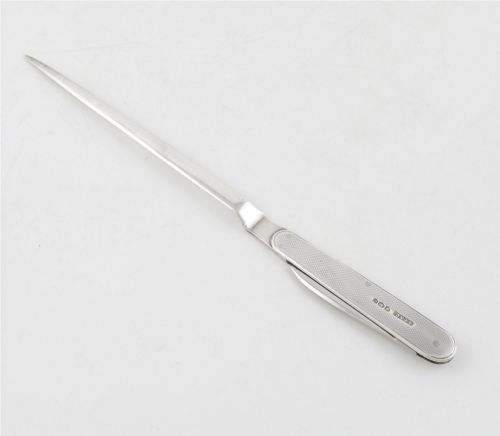
- A traditional metal skewer repurposed as a letter opener or manufactured in a related slender form. Georgian examples demonstrate this crossover in desk accessories.
- Connemara marble
- A distinctive green Irish limestone utilised for decorative handles and terminals. It frequently appears alongside mother-of-pearl in Edwardian pieces.
- Provincial silver
- Silverware marked and manufactured outside major assay towns like London. Scottish provincial items from locations such as Inverness or Glasgow display distinct regional characteristics.
Vintage Silver Letter Opener: Frequently Asked Questions
What is the difference between a letter opener and a page turner?
Letter openers are generally shorter blades intended specifically for slicing open envelopes upon delivery. Page turners feature longer, flatter blades designed to cut and separate folded paper pages in bound books.
Many antique examples combine both functions, allowing owners to manage daily correspondence and read volumes with the same desk accessory.
How were novelty animal handles used?
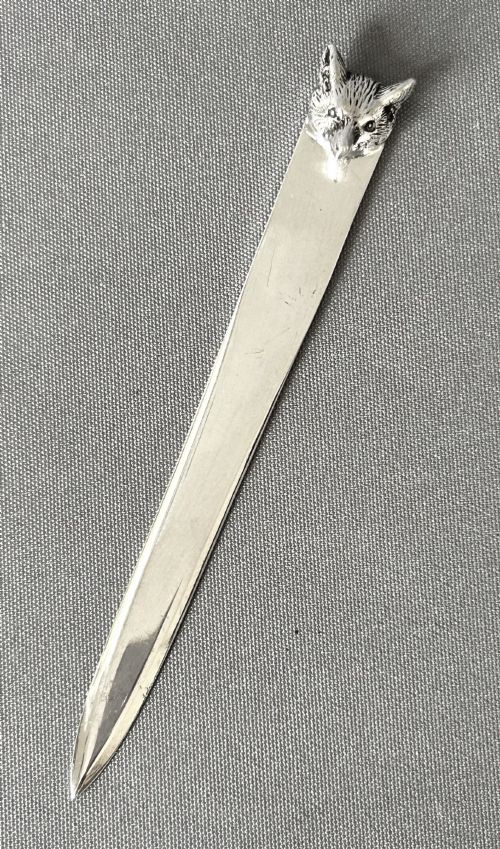
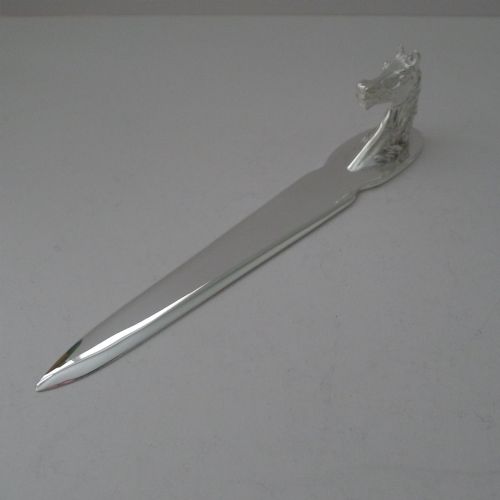
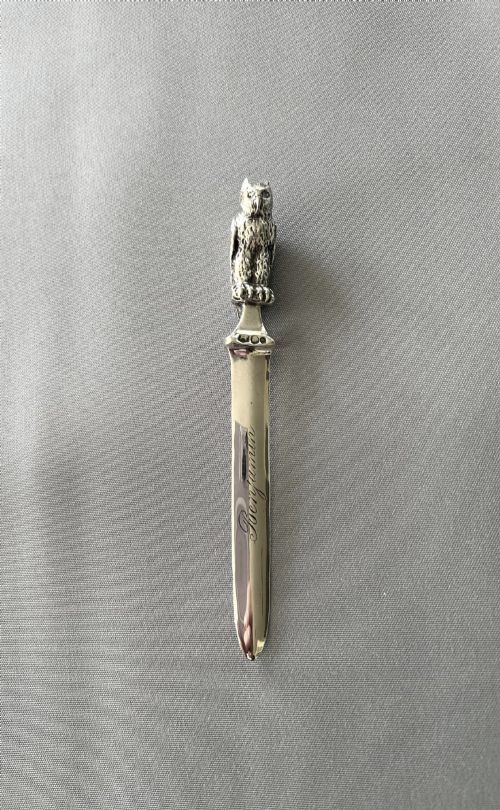
Novelty animal handles depicting ducks, foxes, greyhounds and pheasants served as decorative conversation pieces for executive desks. They provided a secure ergonomic grip while projecting the owner's personal taste.
Makers cast these figures in solid silver, integrating the animal's body or head directly into the handle terminal of the blade.
How do I care for silver and tortoiseshell?
Silver components require occasional gentle polishing with a soft cloth to maintain their lustre without abrading surrounding materials. Tortoiseshell and horn need protection from direct sunlight and extreme temperature fluctuations to prevent warping.
Keep organic inserts clean by wiping them with a damp cloth rather than submerging the entire piece in liquid cleaner.
How are periods identified on these items?
Periods are identified through official hallmarks stamped onto the metal, indicating the assay office and year of manufacture. Stylistic indicators such as Art Deco geometric enamel or Georgian skewer forms also point to specific eras.
Material combinations like mother-of-pearl paired with silver frequently correspond to Edwardian or late Victorian production standards.