
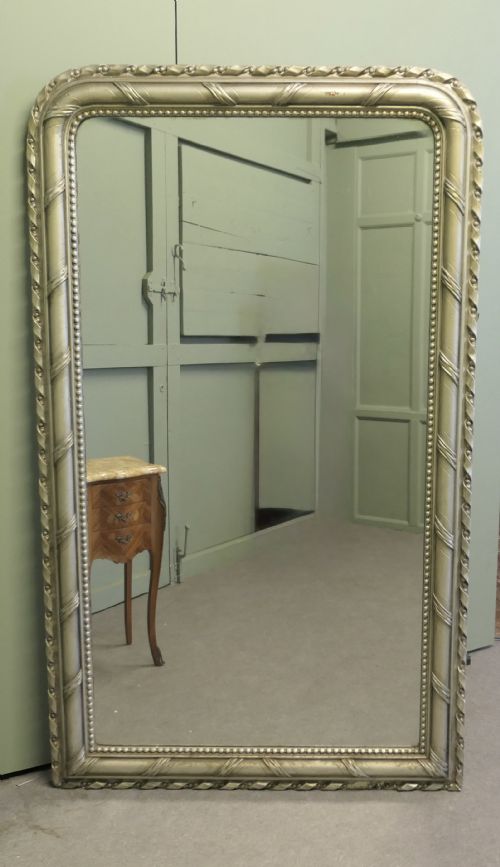


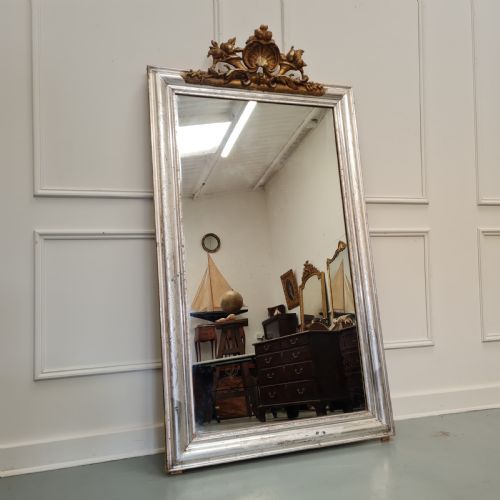


Vintage Silver Leaf Mirror
A vintage silver leaf mirror brings deep metallic warmth and architectural presence to a room, offering reflective depth through hand-applied metal leaf.
Vintage Silver Leaf Mirror
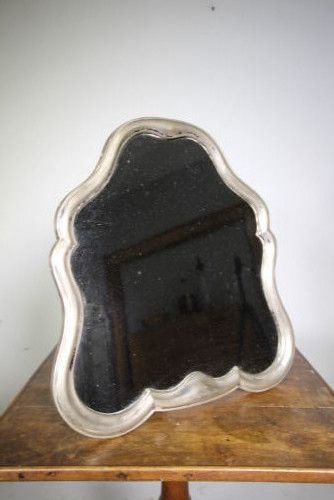
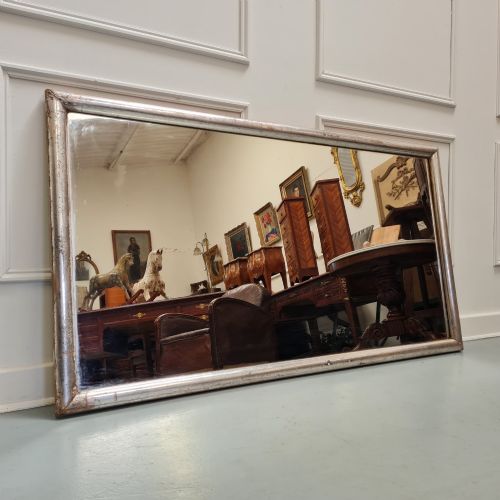
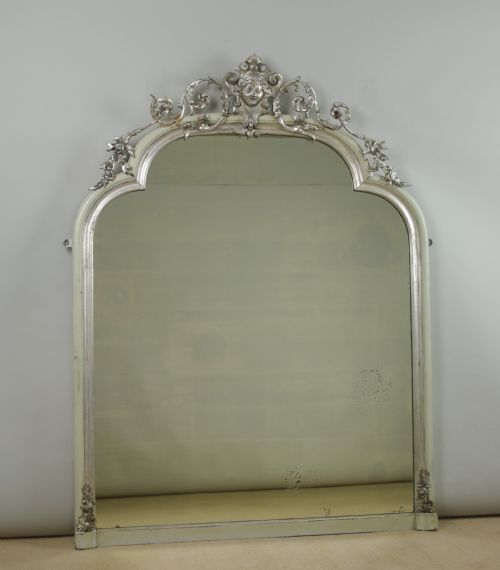
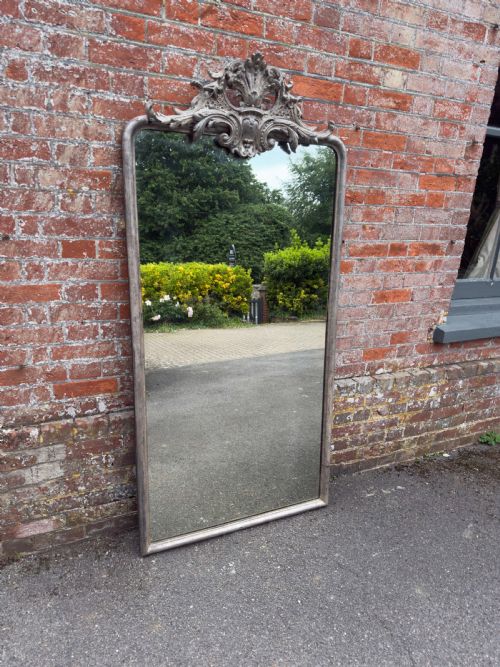
A vintage silver leaf mirror encompasses wall mirrors and overmantel mirrors ranging from the seventeenth century through to the twentieth century. These pieces display a variety of regional characteristics, with French designs like the Louis Philippe form appearing frequently alongside Victorian overmantels.
The styles represented across these pieces draw heavily on historical design vocabularies, including Rococo Revival, Louis XVI style, and Napoleon III aesthetics. Buyers encounter both restrained classical silhouettes and heavily ornamented arched or shaped top frames.
Originating predominantly from French and British workshops, these mirrors function as significant decorative focal points. The selection balances grand architectural proportions with smaller bistro formats suitable for intimate spaces.
Materials and construction
The underlying structure of these frames typically relies on carved wood or composition applied over a wooden base to form intricate surface details. Artisans then built up the surface using gesso before applying delicate layers of silver leaf or silver gilt.
The reflective surfaces consist of traditional glass plates, which often exhibit subtle imperfections and foxing accumulated over decades of existence. Finishes range from bright silvered wood to patinated combinations of silver and gold leaf.
Several mirrors carry the quiet ghost of a nineteenth-century Parisian bistro, having spent generations reflecting lively dining rooms before finding their way here.
Distinctions in craftsmanship
The fineness of the carved wood and gesso ornamentation determines much of the visual distinction among these mirrors. Crisp, deeply defined scrolling and architectural moulding reflect a higher degree of artisan skill than softer, more repetitive cast composition work.
The integrity of the original silver leaf finish and the character of the glass plate further separate examples. Surviving surfaces that retain their uncleaned, patinated metallic warmth offer greater historical depth than later re-silvered or heavily altered pieces.
The Vintage Silver Leaf Mirror Glossary
- Silver leaf
- Extremely thin sheets of beaten silver applied to a prepared gesso and wood substrate. This technique creates a luminous, reflective metallic surface that develops a rich patina over time.
- Gesso
- A mixture of binder and chalk used to coat wooden frames before gilding. It provides a smooth, absorbent base that artisans could carve and shape with fine detail.
- Louis Philippe
- A nineteenth-century French style characterised by simple, elegant lines, often featuring rounded upper corners and subdued classical moulding. This form remains a staple of period wall mirrors.
- Overmantel mirror
- A large horizontal mirror designed specifically to be hung above a fireplace mantel. These pieces frequently incorporate architectural proportions intended to draw the eye upward.
- Rococo Revival
- A nineteenth-century design movement inspired by the ornate, asymmetric scrolls and naturalistic motifs of the eighteenth century. Frames in this style display exuberant floral and C-scroll carving.
Vintage Silver Leaf Mirror: Frequently Asked Questions
How do I hang a heavy overmantel mirror?
Due to the substantial weight of carved wood and gesso frames, these mirrors require secure wall fixings anchored directly into structural studs or masonry. Professional installation is strongly advised to support the combined weight of the timber and glass safely.
Positioning the mirror at the correct height above a mantel or console ensures proper visual balance within the room. The hanging hardware should distribute the load evenly across the frame's primary wooden structure.
What is the difference between silver gilt and silver leaf?
Silver leaf consists purely of beaten silver metal applied to the frame, while silver gilt refers to silver leaf that has been lightly toned or washed with a golden hue. This subtle wash softens the stark white metallic glare and creates a warmer transitional tone.
Both finishes age distinctively, with silver prone to developing a darker oxidized patina over the decades. Identifying the distinction helps in understanding the original aesthetic intent of the maker.
How should I clean the glass and frame?
Cleaning requires a soft, dry cloth to gently remove dust from the delicate silver leaf or gesso surfaces without applying moisture or pressure. Chemical cleaning agents can strip or permanently damage historical metallic finishes.
When tending to the glass plate, apply a mild glass cleaner to a cloth rather than spraying directly onto the glass. This prevents liquid from seeping behind the plate and damaging the silvered backing or the frame joints.