



Vintage Silver Goblet Cup
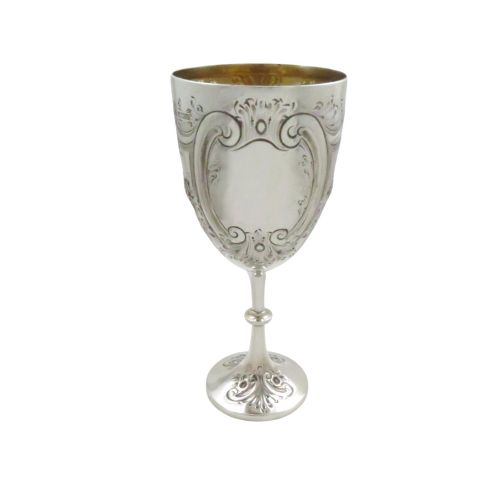
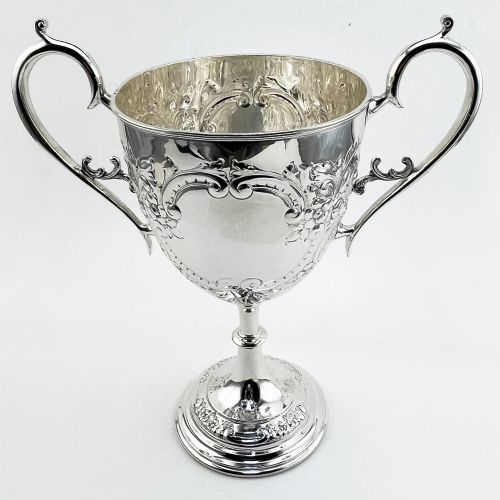
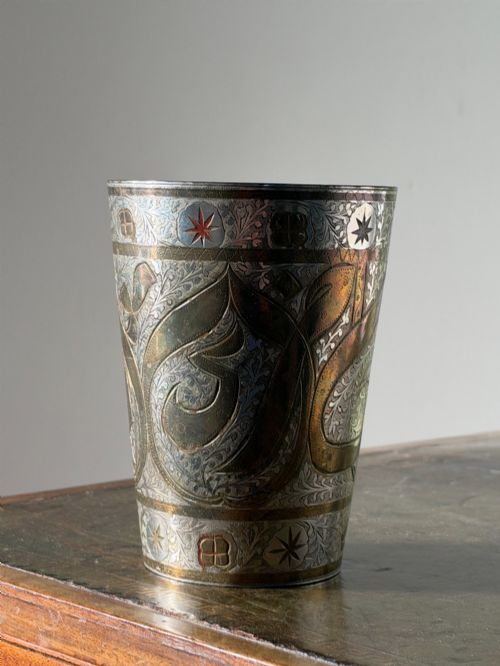
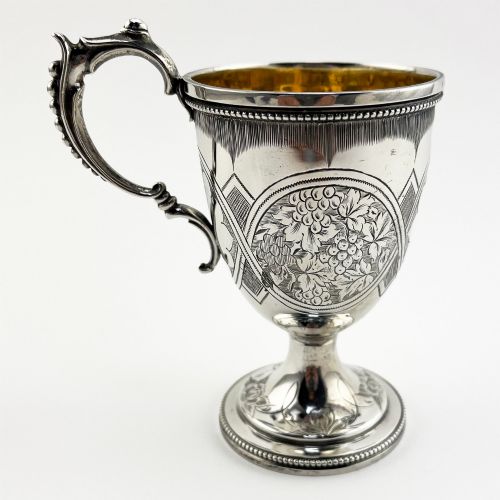
These vintage silver goblet cup selections offer drinking vessels spanning the nineteenth and twentieth centuries, ideal for collectors of historical barware and ritual silver.
Vintage Silver Goblet Cup
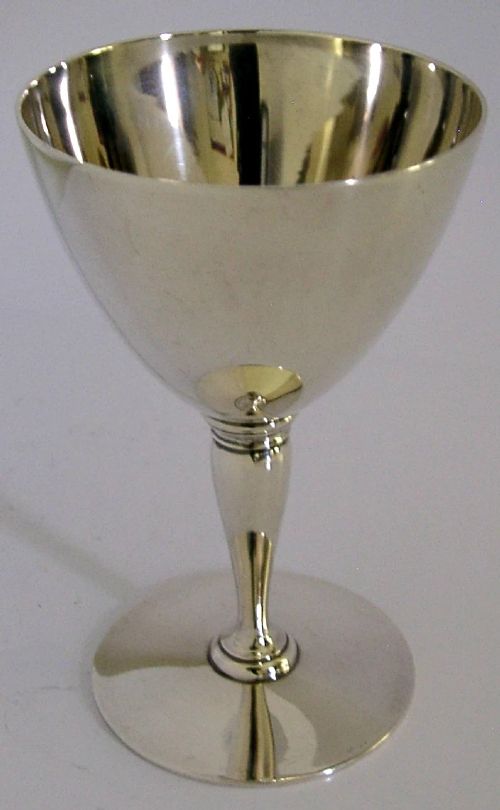
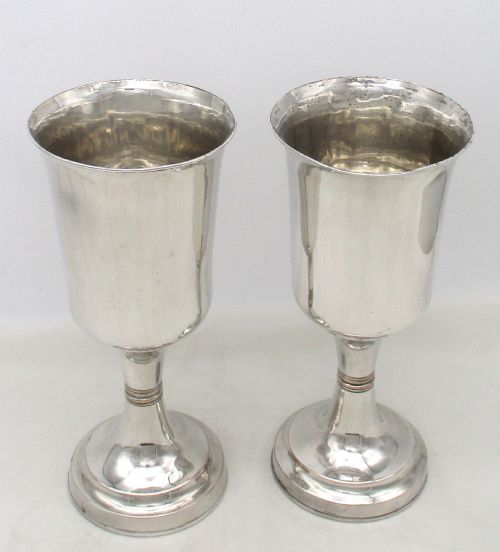
A vintage silver goblet cup encompasses a diverse range of drinking vessels, extending from Georgian and Victorian examples to mid-century modern designs. When searching this phrase, buyers encounter everything from secular barware and trophies to sacred chalices and ceremonial Kiddush cups.
The assortment relies heavily on British and international silver, featuring sterling silver, silver plate, and silver gilt forms. Pieces take the shape of mugs, tankards, and chalices, reflecting domestic, sporting, and religious uses across multiple centuries.
Materials and Construction
Construction methods range from heavy cast sterling silver to Old Sheffield plate and nickel silver. Many items utilise traditional hammering, embossing, and bright-cut engraving techniques to create decorative surface patterns.
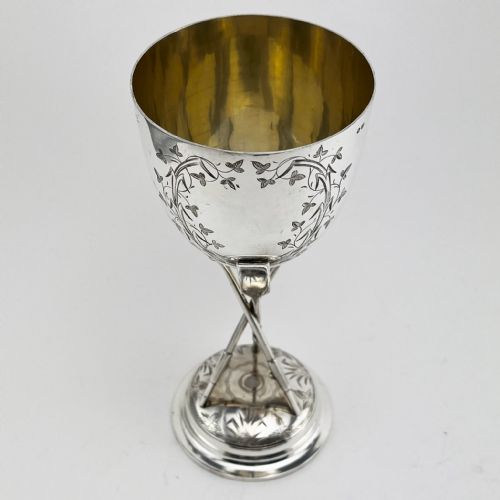
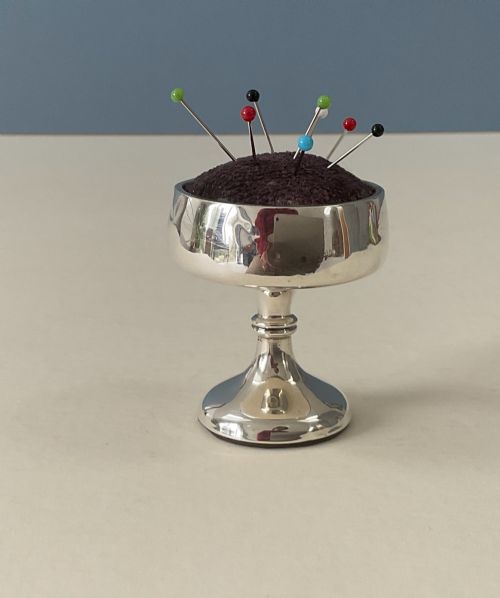
Makers frequently combined solid silver with gilt interiors, known as silver gilt, while specific novelty pieces incorporated materials such as copper and velvet.
Vintage Silver Goblet Cup Retail Price Guide 2026
Typical asking prices for vintage silver goblet cup among the pieces listed under this phrase on Sellingantiques today, from the lower quarter to the upper quarter. They describe what is for sale here now, not the wider market.
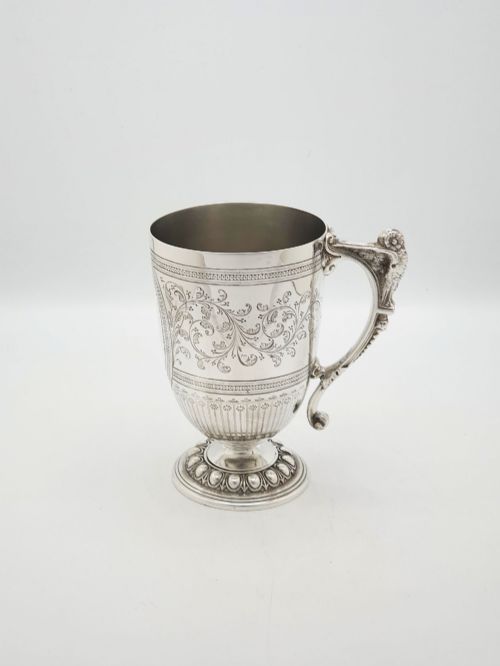
Certain antique silver tankards feature whimsical details, including sculpted owl handles that bring a touch of animal character to nineteenth-century drinking vessels.
Assessing Craftsmanship
Quality in these vessels rests upon the weight of the metal, the crispness of the chased or engraved ornamentation, and the structural integrity of handles and stems. Substantial gauge silver and clear hallmarks indicate superior manufacturing standards.
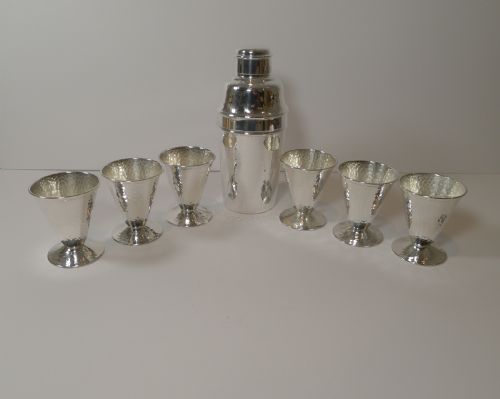
Artisanal touches, such as hand-hammered surfaces or figural elements like owl handles, elevate certain examples above standard utilitarian production.
William Eaton·James Deakin and Sons·Joseph Rodgers and Sons·Tiffany and Co
The Vintage Silver Goblet Cup Glossary
- Sterling silver
- An alloy containing 925 parts of pure silver per thousand. This standard denotes high-grade British and international silver items.
- Silver plate
- A base metal substrate coated with a thin layer of silver. Old Sheffield plate employs a fused sheet method distinct from later electroplating.
- Chalice
- A large ceremonial cup typically used in religious communion or ritual services. These often feature an elongated stem and a wide base.
- Kiddush cup
- A ritual goblet used in Jewish households for the blessing sanctifying the Sabbath or festivals. They frequently appear in silver and silver gilt.
- Bright-cut engraving
- A surface decoration technique utilising faceted angled cuts to reflect light. It creates a brilliant geometric or floral pattern on the metal.
Vintage Silver Goblet Cup: Frequently Asked Questions
What is a Kiddush cup?
A Kiddush cup is a ritual goblet utilised in Jewish religious ceremonies for blessing the Sabbath or festivals. These vessels appear frequently in silver and silver gilt.
They range in style from traditional nineteenth-century craftsmanship to Edwardian and later forms, often featuring distinct engraving or regional designs.
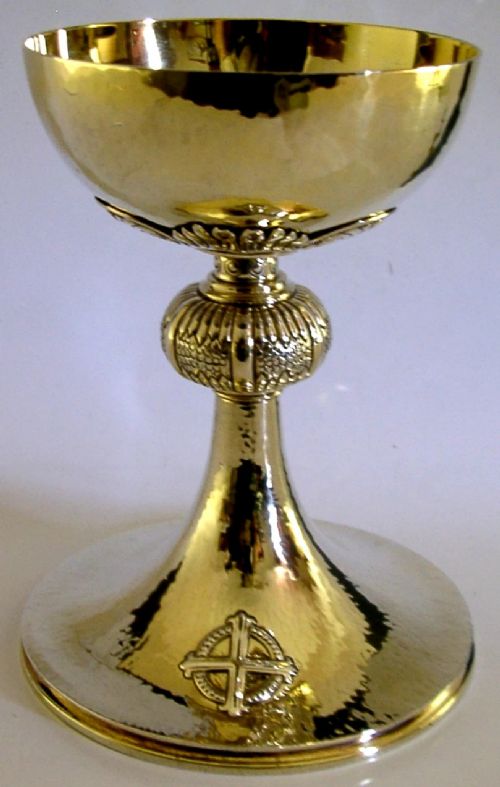
How do I identify a church chalice?
Church chalices are distinguished by their heavier construction, taller stems, and wide supportive bases. They were specifically produced for religious communion services.
Materials often include silver gilt interiors paired with sterling silver or Old Sheffield plate exteriors.
What is Old Sheffield plate?
Old Sheffield plate is an early form of plating where a thin sheet of silver is fused to a copper base. This technique creates a durable dual-metal material.
Items utilising this method usually date from the eighteenth and nineteenth centuries.
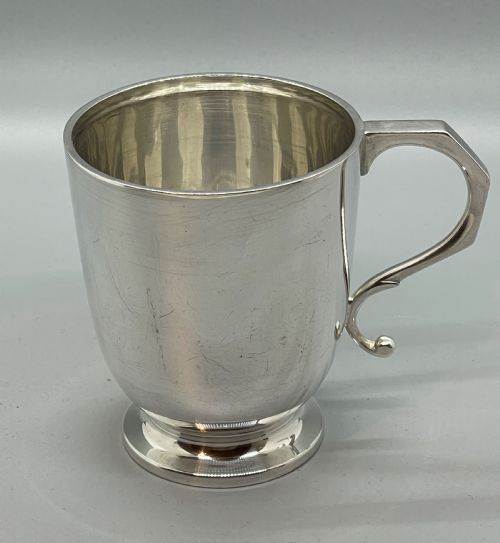
How were christening mugs used?
Christening mugs and cups were traditionally given as gifts to mark the birth or baptism of a child. They served as lasting keepsakes made from solid silver or plated metal.
Victorian and mid-century examples often feature engraved inscriptions or decorative embossing.