



Vintage Silver Fork
A vintage silver fork brings domestic history directly to the table, offering tactile connection to past dining rituals through solid metal and careful handwork.
Vintage Silver Fork
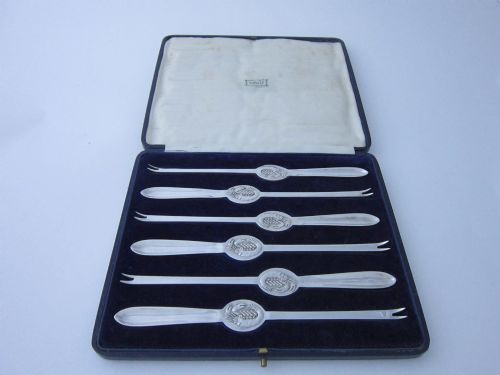
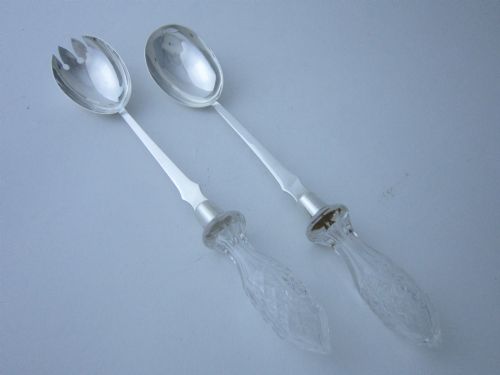
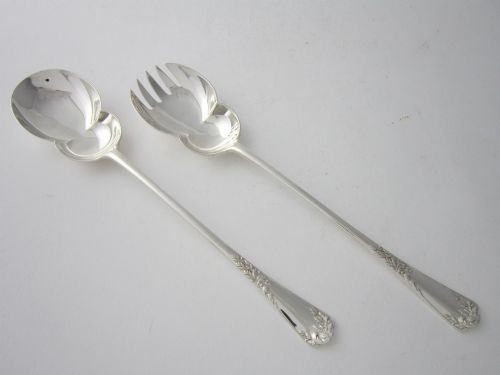
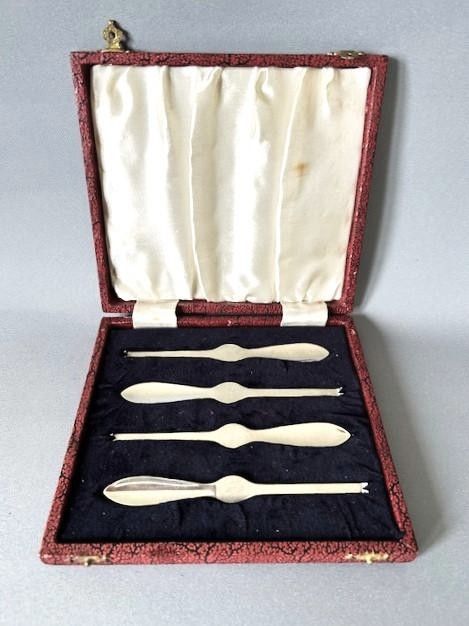
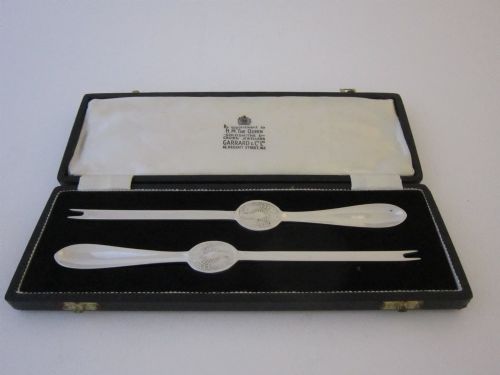
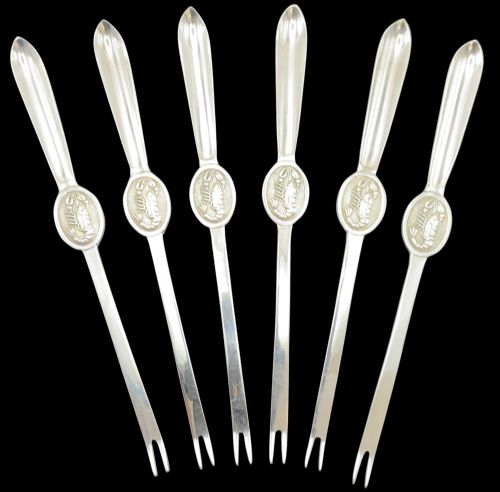
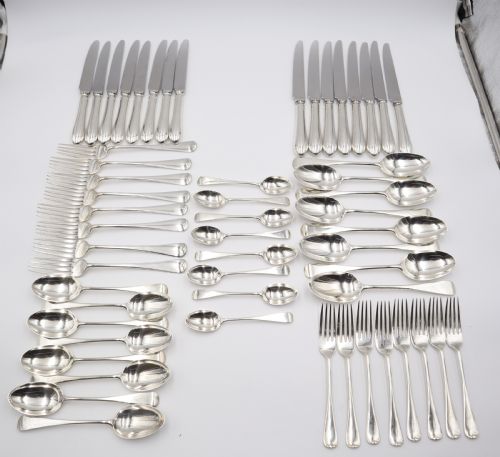
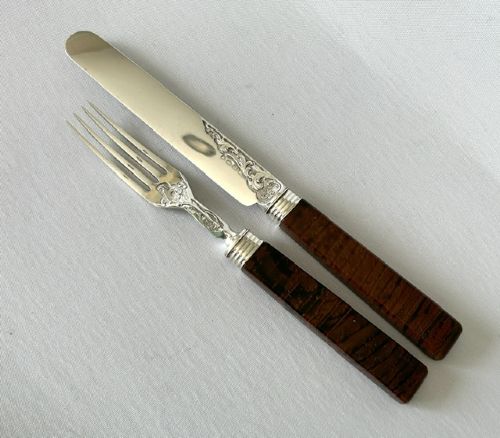
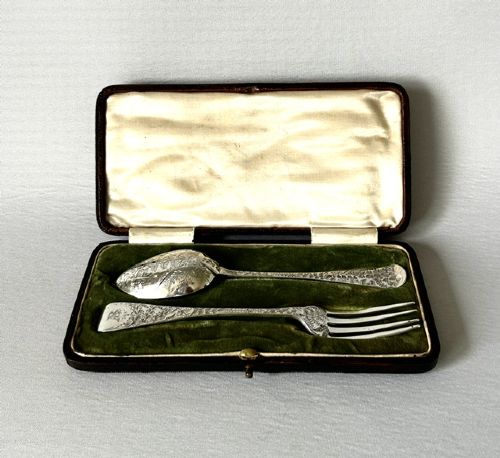
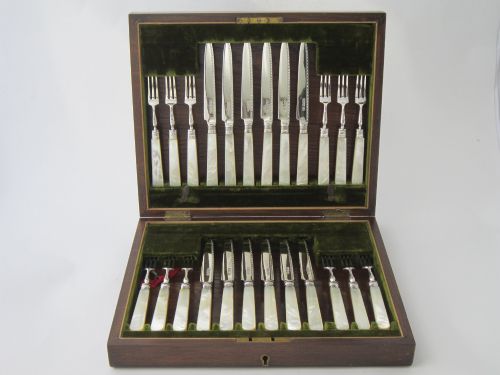
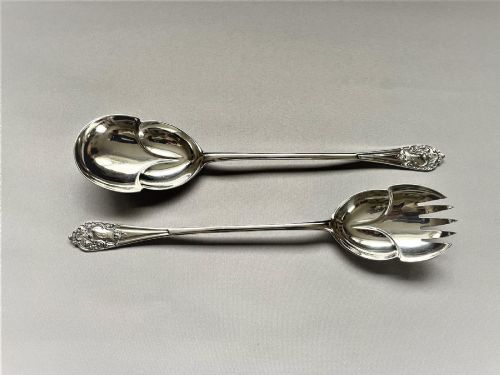
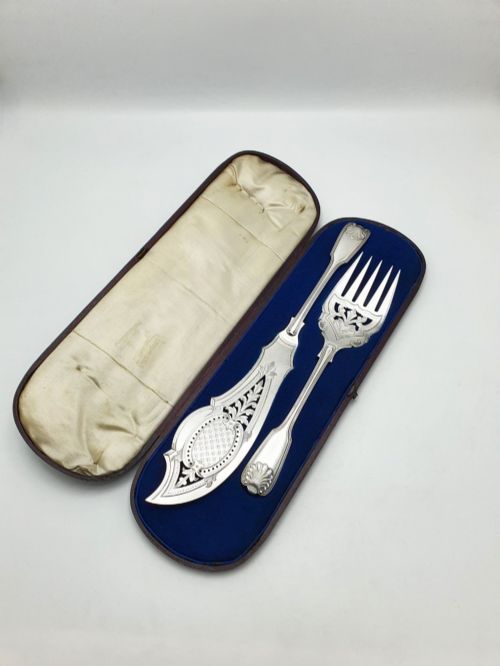
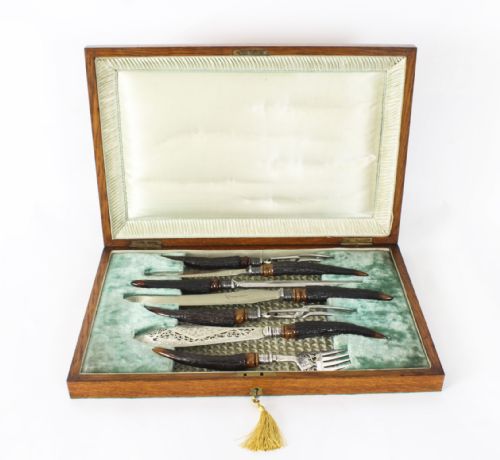
A vintage silver fork encompasses everything from single seafood picks and pickle forks to boxed sets of cake forks and serving pieces originating across the Victorian, Edwardian, and mid-century periods. Buyers seeking a vintage silver fork will encounter individual specialty items like lobster picks alongside standard cutlery sets fashioned in sterling silver or silver plate.
The assortment spans formal dining implements intended for fish, dessert, and salad courses, reflecting the elaborate table service requirements of the nineteenth and twentieth centuries. These utensils bridge practical utility and decorative craftsmanship, appearing in fitted boxes or as solitary surviving pieces.
Most examples originate from British workshops, though continental European and American manufacturers also contribute significant regional styles to the selection. Such pieces demonstrate how domestic dining habits evolved from large canteens to specialised serving implements.
How they were made
Makers utilised sterling silver and silver plate over base metals, shaping the bowls and tines through stamping, casting, and hand hammering. Handles frequently incorporated organic materials such as mother of pearl, antler horn, and wood, secured to metal shafts with pins or ferrules.
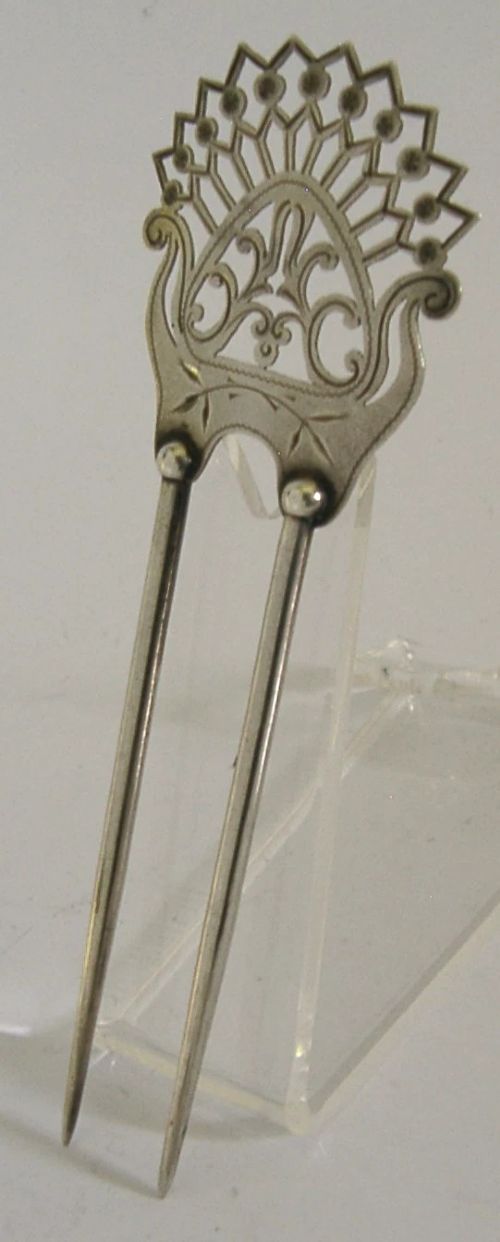
Decoration relied on engraving, chasing, and applied cast motifs, ranging from floral patterns like Hildesheim rose to hunting scenes and rat tail reinforcements. Silversmiths balanced durability with ornamental design, ensuring the tines and handles could withstand regular use while maintaining visual appeal.
Vintage Silver Fork Retail Price Guide 2026
Typical asking prices for vintage silver fork among the pieces listed under this phrase on Sellingantiques today, from the lower quarter to the upper quarter. They describe what is for sale here now, not the wider market.
Several pieces are specifically designed for hunting dogs or lobster feasts, proving past diners possessed very specific priorities.
What varies in quality
Quality depends upon the weight of the metal and the integrity of construction where the handle meets the tine section. Solid sterling silver pieces hold their value differently than silver-plated counterparts, though thick plating and crisp engraving elevate specific plated examples.
The choice of handle material and the precision of decorative chasing also distinguish standard utility cutlery from finer maker-marked presentation pieces. Preservation of original fitted boxes and matching sets adds another layer of distinction.
Garrard·Suckling Ltd·William Devenport·Waring and Gillows·International Silver Co·Georg Jensen·Alvin
The Vintage Silver Fork Glossary
- Sterling silver
- An alloy containing 92.5 percent silver by mass, with the remainder composed of copper or other metals for strength. This standard is frequently denoted by hallmarks on British pieces.
- Silver plate
- A manufacturing method where a thin layer of silver is bonded to a base metal core, such as nickel silver or copper. This technique offered an affordable alternative to solid silver.
- Rat tail
- A traditional strengthening ridge down the back of a fork bowl or spoon bowl, originating from seventeenth-century techniques. It provides structural reinforcement at the junction of the handle.
- Hallmark
- An official stamp applied to precious metals indicating the maker, assay office, standard of purity, and date of manufacture. These marks serve as essential records for dating antiques.
Vintage Silver Fork: Frequently Asked Questions
How do I clean vintage silver forks?
Use a specialised silver polishing cloth or a mild liquid silver dip designed for antiques, avoiding harsh abrasive pastes that wear away thin plating or fine engraving.
Rinse the pieces thoroughly in warm water and dry them immediately with a soft cloth to prevent water spots and tarnish buildup.
Can I use vintage silver forks daily?
Sterling silver forks handle regular meals quite well, provided they are washed by hand rather than placed in an automated dishwasher that uses harsh detergents.
Silver-plated items require slightly more gentle handling to preserve the underlying metal surface over years of consistent use.
How do I identify the date of a fork?
British pieces typically bear town marks, maker initials, and date letters stamped directly into the metal near the handle junction or on the back.
Comparing these punches against standard hallmarking reference tables reveals the exact year and assay office of manufacture.