


Vintage Silver Enamel Jewellery
These vintage silver enamel jewellery pieces combine precious metal with vitreous glass, offering collectors vibrant colour and intricate metallic detail from the early twentieth century onwards.
Vintage Silver Enamel Jewellery
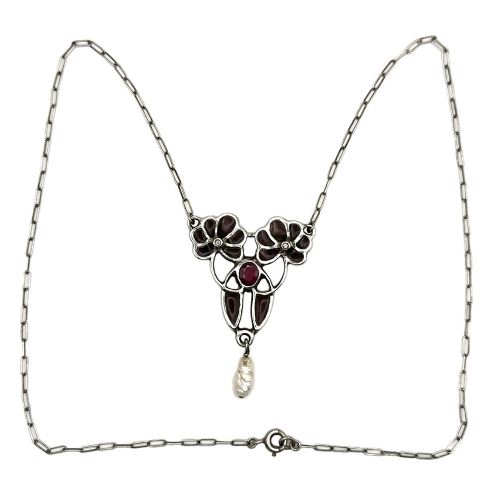
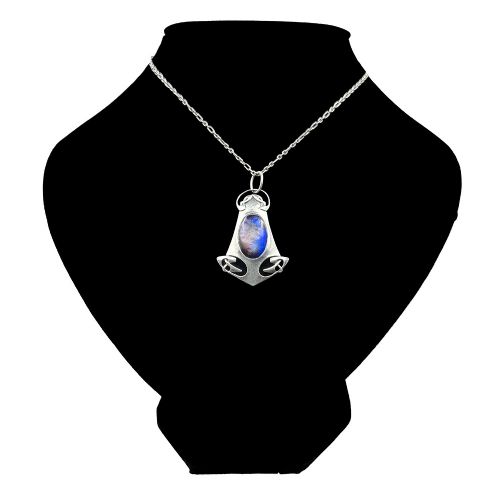
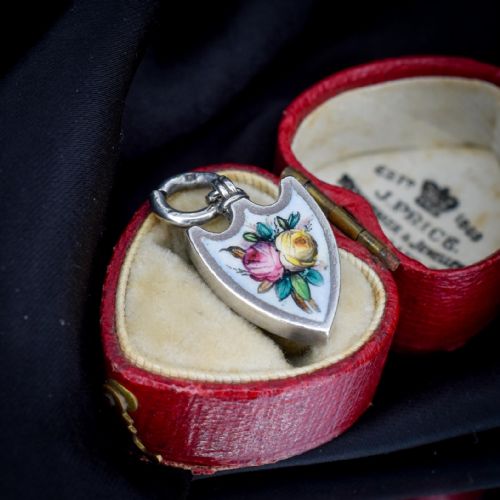
Vintage silver enamel jewellery encompasses wearable items fashioned primarily from sterling silver and decorated with fused glass colours. Buyers seeking these items will frequently encounter brooches, bracelets, and pendant necklaces originating from various European workshops.
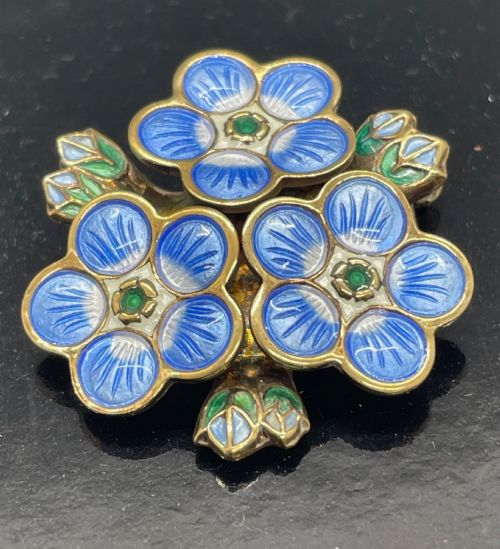
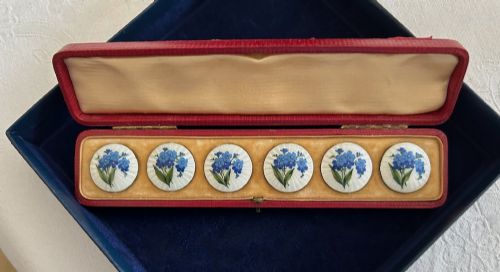
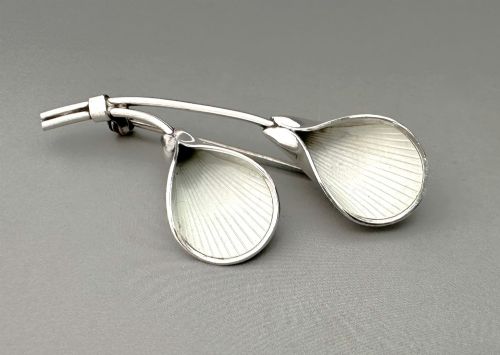
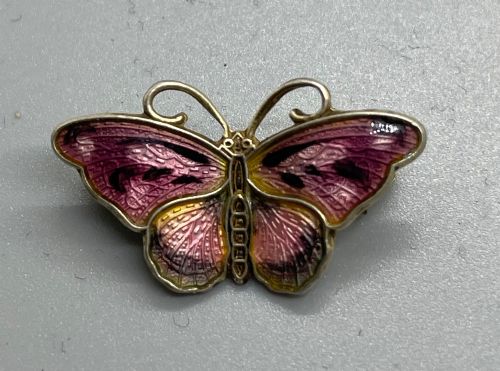
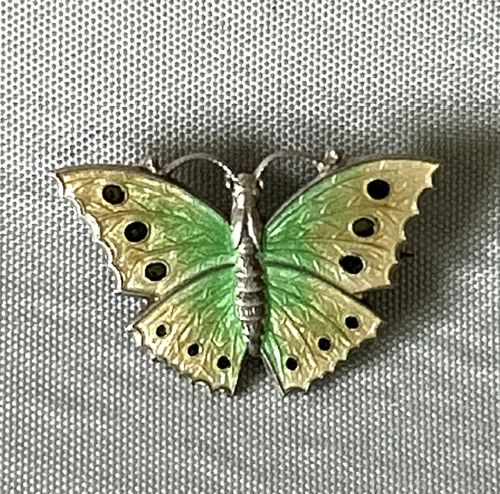
The objects span multiple periods, with strong representation from the Art Deco, Art Nouveau, and Mid-Century Scandinavian movements. Floral motifs, butterflies, and geometric patterns dominate the available forms across these decades.
Materials and Techniques
Maker's workshops shape silver bases into detailed frames, frequently applying silver gilt to enhance the brilliance of the underlying metal. Artisans fuse vitreous enamel directly onto the silver surface through intense kiln firing.
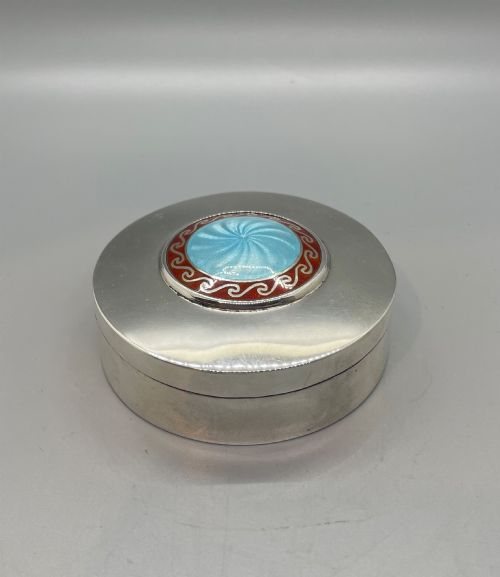
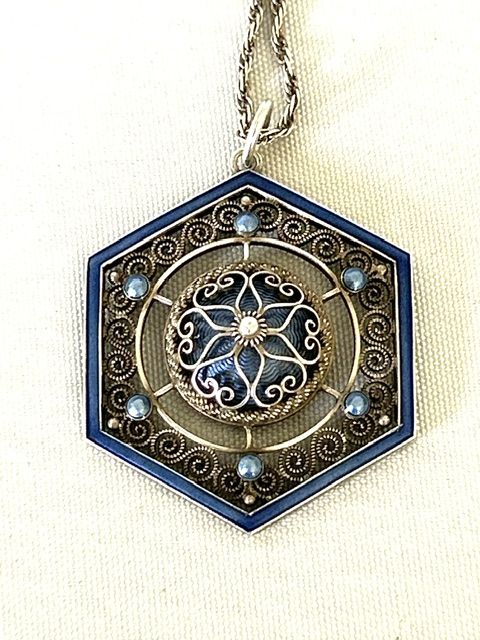
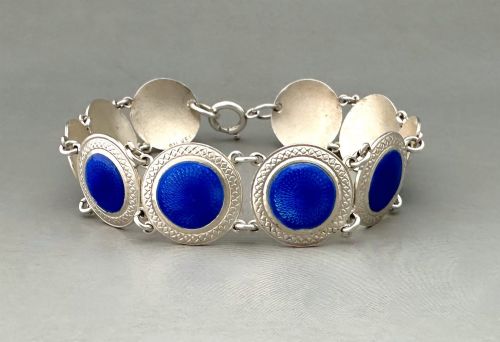
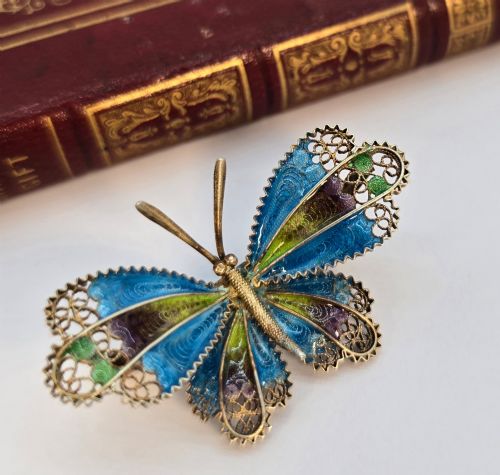
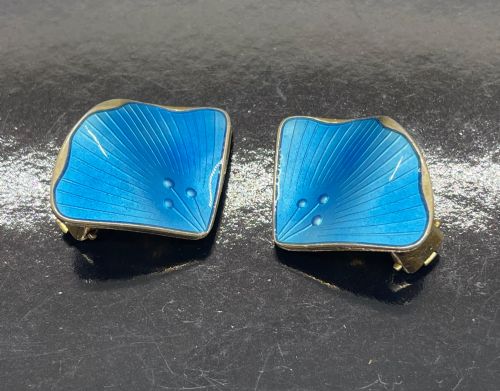
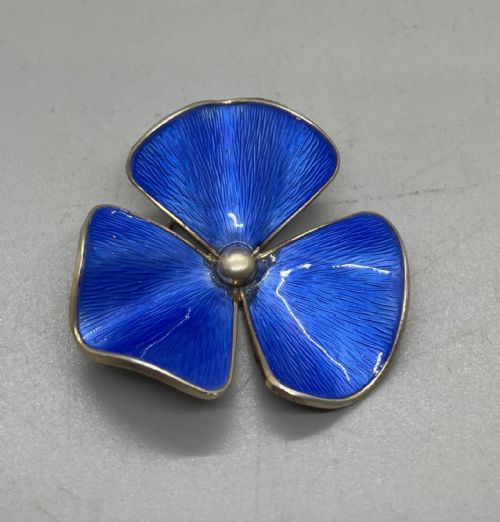
Techniques such as guilloche engrave precise geometric patterns beneath translucent enamel coatings to create shimmering light effects. Filigree work twists fine silver wires into delicate openwork compartments that hold the coloured glass.
Listings feature items from the nineteenth century, Edwardian period, and nineteen-thirties Art Deco era through to nineteen-sixties Scandinavian modern design.
Quality and Craftsmanship
Quality rests upon the precision of the metalwork and the clarity of the fused enamel layers. Superior pieces display complex engine-turned guilloche patterns that reflect light evenly through translucent glass colours without cloudiness.
The skill of the individual designer and workshop influences desirability, particularly when specific maker marks are present. Intricate hand-formed filigree and well-preserved fire gilding distinguish finer examples from standard production items.
Marius Hammer·Aksel Holmsen·A H Darby & Son·Hroar Prydz·Harold Arthur Lazarus·Jakob Bengel·Liberty's
The Vintage Silver Enamel Jewellery Glossary
- Guilloche
- A decorative technique where a mechanical lathe engraves a precise, intricate pattern into metal before translucent enamel is applied over the top. This allows light to pass through the coloured glass and bounce off the engraved design underneath.
- Vitreous Enamel
- A material made by fusing powdered glass to a substrate by firing, usually between seven hundred and nine hundred degrees Celsius. The powder melts, flows, and hardens to a smooth, durable glass coating.
- Silver Gilt
- Silver that has been coated with a thin layer of gold over its surface. This finish provides the warm appearance of gold while retaining a silver base.
- Filigree
- An ornate form of delicate metalwork using fine silver wire soldered together. Artisans twist and shape these wires into open lace-like patterns often filled with enamel.
- Art Deco
- A design style characterised by sleek geometric shapes, streamlined forms, and bold colours. It flourished internationally during the nineteen-twenties and nineteen-thirties.
Vintage Silver Enamel Jewellery: Frequently Asked Questions
How do I clean silver enamel jewellery safely?
Clean enamel pieces gently using a soft cloth dampened with mild soapy water. Avoid harsh silver dips and ultrasonic cleaners because chemical solutions can damage the glass surface or weaken the metal settings.
Dry the items thoroughly after wiping. Store them separately in soft pouches to prevent scratching the delicate enamel finish against other metallic objects.
What periods do these pieces come from?
The pieces span from the nineteenth century through the Edwardian era and the Art Nouveau period. Significant numbers originate from the Art Deco era and mid-century Scandinavian workshops.
Stylistic shifts distinguish these eras clearly. Naturalistic floral motifs characterise earlier pieces, while geometric guilloche designs dominate the nineteen-thirties and later twentieth-century items.
How is guilloche enamel different from standard enamel?
Guilloche enamel requires the underlying metal to be mechanically engraved with precise patterns before the coloured glass is added. This engraved texture creates a shimmering depth beneath translucent enamel.
Standard enamel sits as a flat, opaque or transparent layer directly on a smooth metal surface. It lacks the reflective patterned background characteristic of guilloche work.
Can I wear these brooches and pendants daily?
Daily wear is possible if handled with care, though vitreous enamel remains a form of glass subject to chipping upon impact. Pendants and earrings experience fewer knocks than bracelets or rings.
Remove these items before swimming, bathing, or engaging in physical labour. Proper storage ensures the delicate silver settings and glass surfaces remain protected over time.