





Vintage Silver Chalice
These vintage silver chalice pieces combine ritual function with secular display, offering a tangible link to past craftsmanship and ceremonial use.
Vintage Silver Chalice
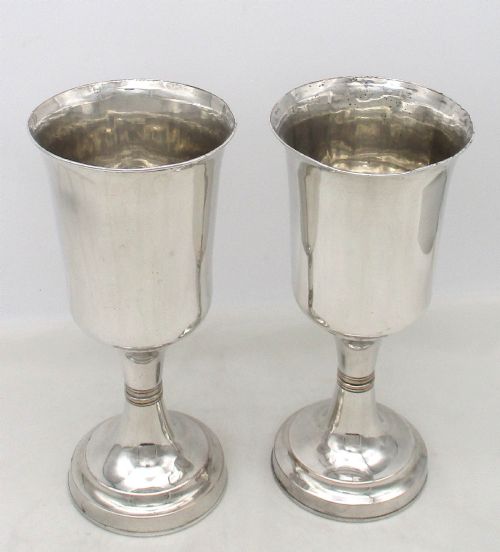
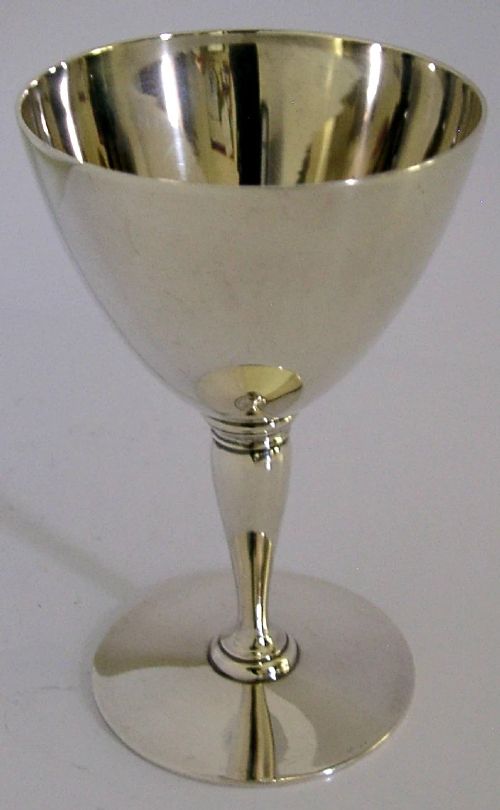
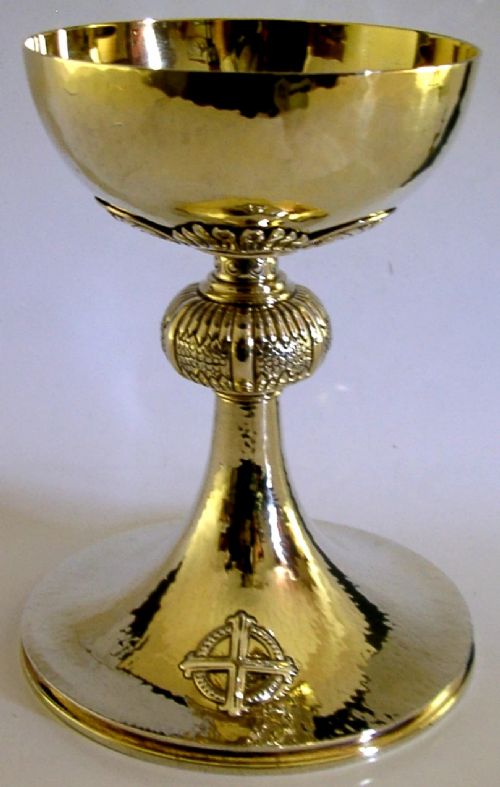
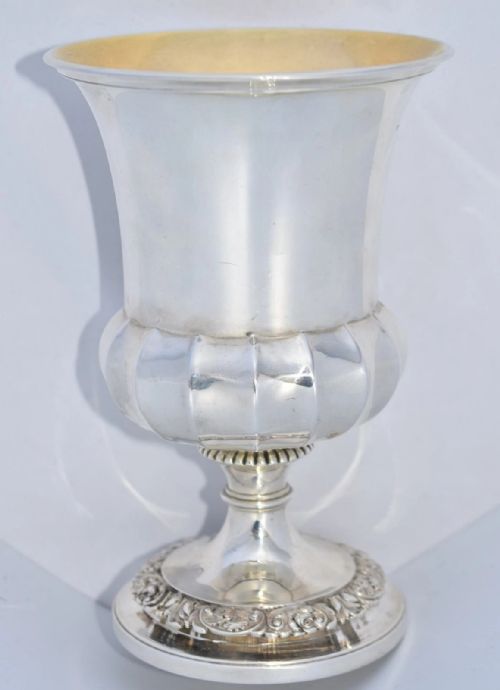
When searching for a vintage silver chalice, collectors encounter a diverse group of drinking vessels, communion cups, and presentation trophies spanning multiple centuries. The selection ranges from ecclesiastical silver gilt examples and Edwardian Kiddush cups to Art Deco cocktail goblets and Chinese Export rowing trophies.
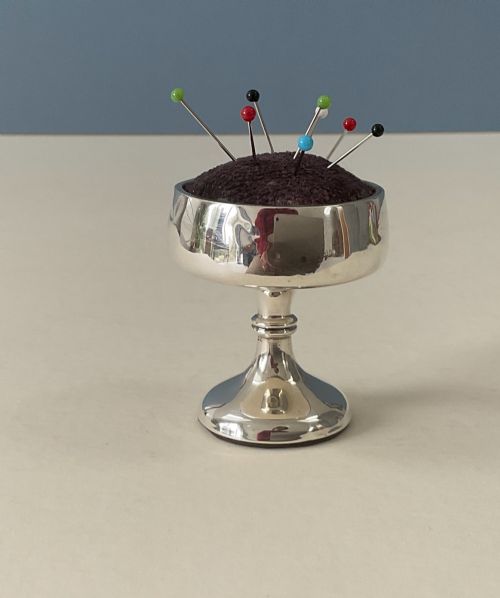
Most pieces date from the nineteenth and twentieth centuries, encompassing Victorian, Edwardian, and Art Deco design movements. Alongside traditional church chalices, the category embraces secular loving cups, wager cups, and novelty pin cushions shaped as goblets.
Makers utilised various metals including sterling silver, silver plate, copper, base metal, and 875 silver, occasionally pairing them with velvet linings. These items served both sacred liturgical functions and commemorative secular roles before entering the antique market.
How They Were Made
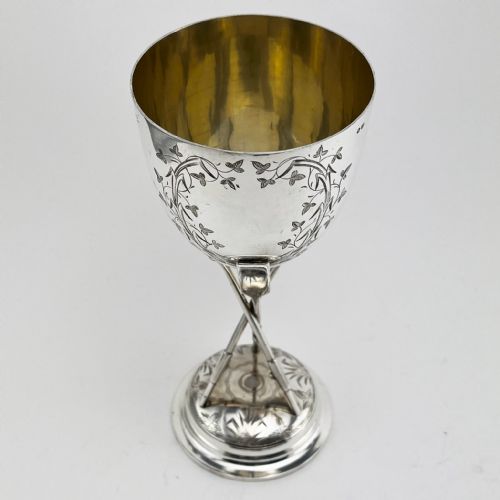
Silversmiths shaped solid sterling silver and silver plate through traditional techniques of raising, spinning, and casting, often applying mercury gilding to create rich silver gilt interiors. Surface decoration frequently involved bright cut engraving, chased ornamentation, and Celtic revival motifs.
Old Sheffield plated items relied on fusing a thin sheet of silver to a thicker copper base before forming the vessel, a method visible at seams and worn edges. Pewter and base metal alternatives offered more accessible production routes for arts and crafts or utilitarian mess hall cups.
What Varies in Quality
The distinction between ordinary and exceptional examples rests upon the heaviness of the gauge, the crispness of the chasing or bright cut engraving, and the structural integrity of the stem and foot. Substantial weight in the hand indicates a superior grade of solid metal rather than thin plating over base alloy.
Provenance and maker attribution elevate certain pieces significantly, particularly those bearing clear hallmarks from notable silversmiths or established firms such as Tiffany and Elkington. The harmony of proportions between the bowl, knop, and foot determines the aesthetic balance of the finished vessel.
Tiffany and Co·Elkington Mason·William Eaton·James Deakin and Sons·Joseph Rodgers and Sons
The Vintage Silver Chalice Glossary
- Silver Gilt
- Silver that has been coated with a thin layer of gold on its surface. This technique was frequently applied to the interior of ecclesiastical chalices to protect the metal from acidic communion wine.
- Kiddush Cup
- A ritual goblet used in Jewish households to bless the Sabbath and festivals. These cups often feature regional decorative motifs and Hebrew inscriptions.
- Old Sheffield Plate
- An early form of composite metal made by fusing silver to a copper ingot before rolling it into sheets. It differs markedly from later electroplate through its sandwich construction visible at cut edges.
- Wager Cup
- A double-cup drinking vessel used in old wedding and tavern customs where a guest had to drink from the larger swivelling bowl without spilling from the smaller suspended one. They tested the drinker's dexterity during celebrations.
- Bright Cut Engraving
- A surface decoration technique utilising faceted cutting tools to create shallow, light-reflecting geometric or floral patterns. It was especially popular on late eighteenth and nineteenth-century tableware.
Vintage Silver Chalice: Frequently Asked Questions
How do I clean tarnished silver chalices?
Use a gentle silver polishing cloth and warm soapy water to remove surface tarnish without abrading delicate engravings or hallmarks.
Avoid abrasive dips that can strip away original patination or damage plated surfaces on antique copper cores.
Can I drink from a vintage silver chalice?
Solid sterling silver vessels are generally safe for consumption provided they are thoroughly washed before use.
Silver plated or base metal items require inspection to ensure the underlying metal is not exposed through worn plating.
How do I identify the date of a silver chalice?
Examine the base or body for hallmarks, sponsor marks, and date letters that correspond to official assay office records.
Stylistic indicators such as Art Deco geometric lines or Victorian bright cut engraving also help narrow down the period of manufacture.