


Vintage Silver Caddy Scoop
A vintage silver caddy scoop measures out dry tea leaves with precision and style, bringing period craftsmanship directly to the modern tea table.
Vintage Silver Caddy Scoop
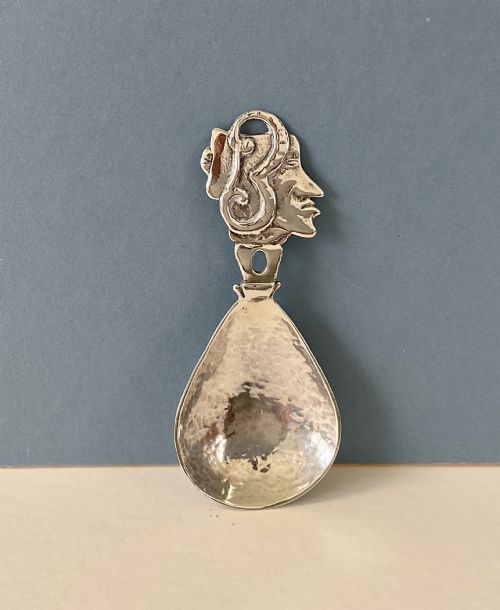
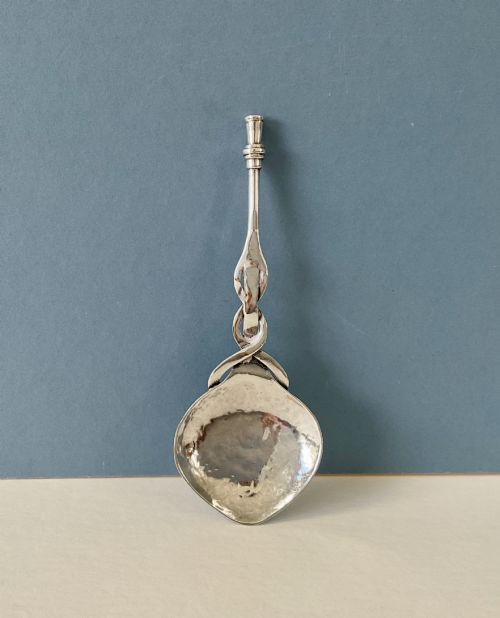
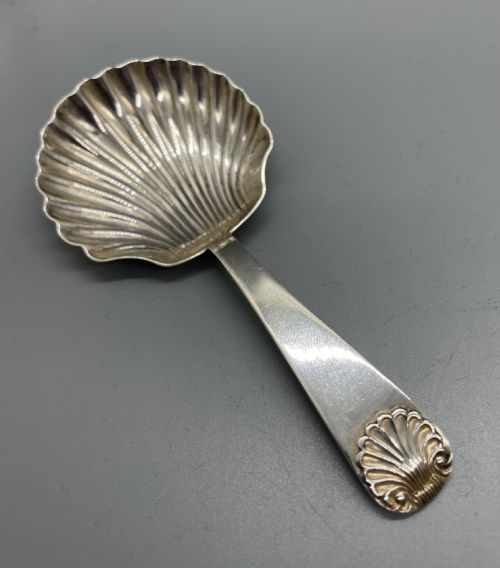
A vintage silver caddy scoop is a small utensil designed specifically for measuring loose leaf tea from a caddy into a pot. The pieces found here span multiple eras, including Georgian, Victorian, Edwardian, and mid-century modern designs.
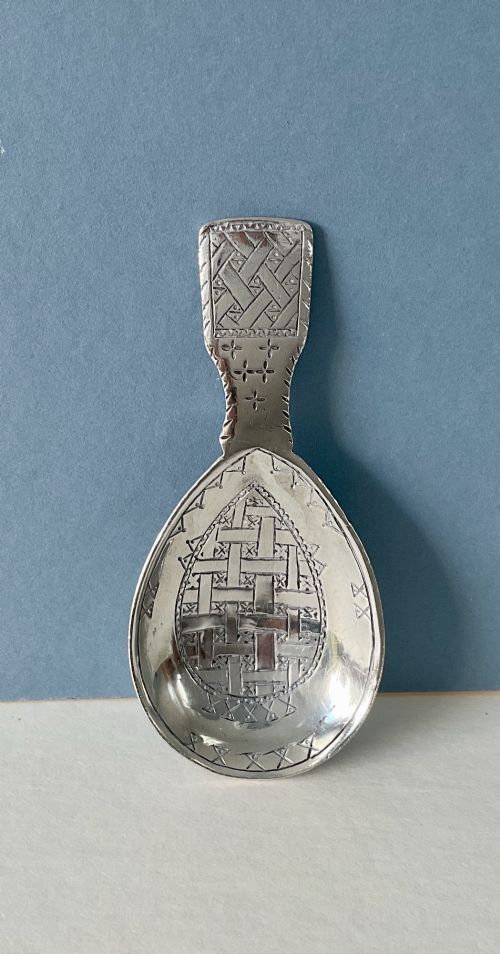
Makers and origins vary widely across the inventory, ranging from English provincial and London workshops to Scandinavian studios. Buyers frequently encounter both traditional floral engravings and starkly modernist shapes from the twentieth century.
How these pieces were made
Silversmiths constructed these scoops primarily using sterling silver, shaping the bowls by hand-hammering or stamping sheet metal before soldering them to handles. Techniques such as double-striking added crisp relief to the handles of Georgian examples.
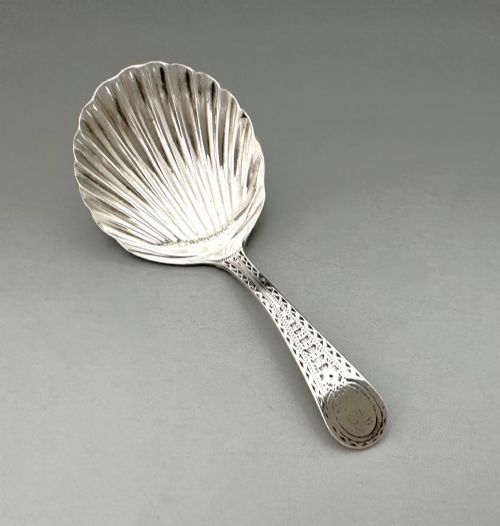
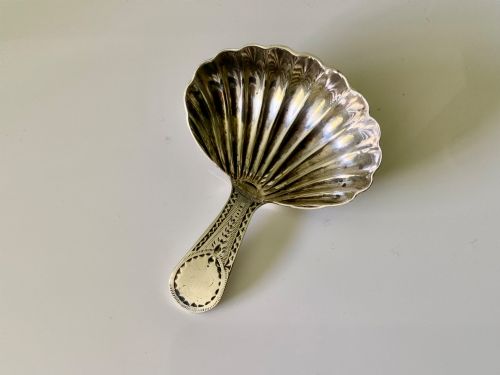
Enamel work appears on select mid-century pieces, fusing coloured glass powder onto silver bases under high heat. Makers also applied delicate hand-engraving to decorate handles and bowls with geometric or naturalistic patterns.
Vintage Silver Caddy Scoop Retail Price Guide 2026
Typical asking prices for vintage silver caddy scoop among the pieces listed under this phrase on Sellingantiques today, from the lower quarter to the upper quarter. They describe what is for sale here now, not the wider market.
Tea drinkers can scoop their morning leaves with a miniature jockey cap made of solid silver.
What varies in quality
Quality in a vintage silver caddy scoop rests upon the crispness of the maker's marks, the weight of the metal, and the dexterity of the hand-finishing. Early Georgian pieces often display superior engraving depth and thicker gauge silver.
Design ambition also divides the range, distinguishing standard utility pieces from sculptural Arts and Crafts or Art Nouveau creations. Pieces featuring integrated enamel work or novelty forms require advanced technical skill from the silversmith.
David Andersen·Georg Jensen·Plucknett
The Vintage Silver Caddy Scoop Glossary
- Sterling silver
- An alloy containing 92.5 percent silver and 7.5 percent other metals, usually copper, chosen for durability. This standard metal appears across the vast majority of antique spoons.
- Silver gilt
- Silver that has been coated with a thin layer of gold on its surface. This technique provided a rich interior colour to protect the metal from tea staining.
- Assay office
- An official body that tested precious metals and stamped items with hallmarks. Marks from London and Sheffield help date these pieces accurately.
- Arts and Crafts
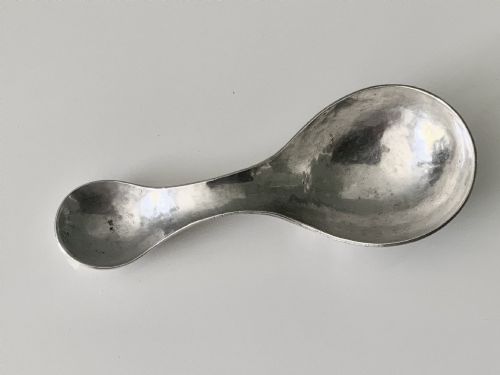
- A design movement valuing handcraftsmanship and simple forms over mass production. Pieces from this style often feature hand-beaten surfaces and organic motifs.
- Novelty scoop
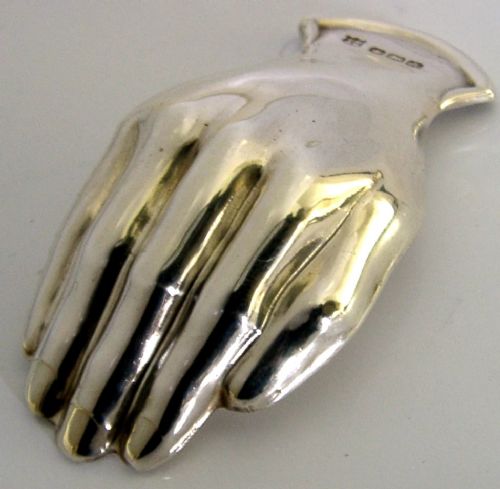
- A spoon shaped to resemble a recognisable object, such as a jockey cap or shell. These imaginative forms were popular collectables in the eighteenth and nineteenth centuries.
Vintage Silver Caddy Scoop: Frequently Asked Questions
What is a caddy scoop used for?
A caddy scoop measures dry tea leaves from a storage caddy into a teapot. Their small bowls and short handles were specifically proportioned for tea caddies.
Historically, they replaced fingers or larger spoons to ensure the correct strength of tea was brewed.
How do I date a silver scoop?
Silver scoops are dated using the hallmarks stamped directly onto the metal by official assay offices. These marks indicate the year of testing and the maker's mark.
Stylistic cues, such as Georgian engraving or Art Deco geometry, also point towards specific manufacturing decades.
Can I use an antique scoop daily?
These silver scoops function well for measuring dry tea leaves in modern kitchens. Sterling silver is durable enough for everyday use when handled with care.
Hand washing in warm soapy water keeps the metal clean without damaging the historic surface.
What styles are most common?
Traditional Georgian and Victorian shell-shaped bowls appear frequently alongside Edwardian designs. Novelty shapes like jockey caps also feature in the historical record.
Later twentieth-century pieces lean towards Danish Modern and Arts and Crafts aesthetics.