


Vintage Silver Bottle Coaster
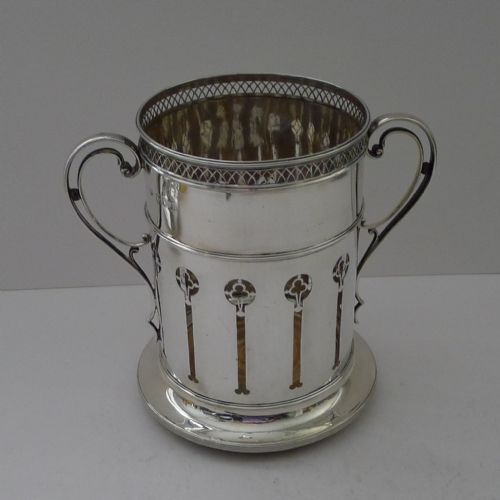
A vintage silver bottle coaster protects the dining table while holding a wine or champagne bottle in style.
Vintage Silver Bottle Coaster
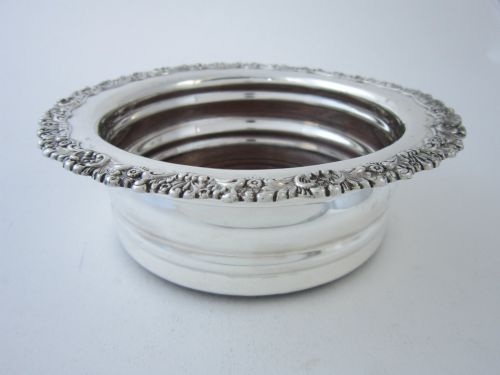
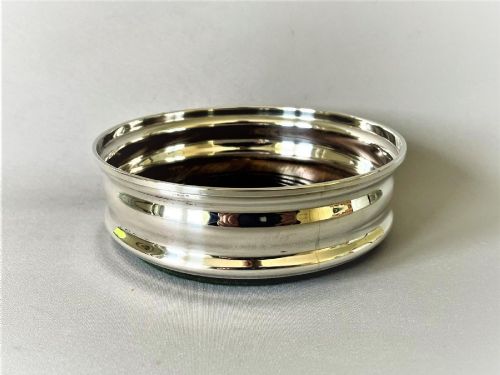
When you search for a vintage silver bottle coaster, you encounter dining table accessories designed to hold wine, champagne, or decanter bottles securely. The pieces on this page span several periods, including Victorian, Edwardian, and Georgian examples alongside mid-century modern designs from the nineteen-sixties.
Most items take the form of circular holders intended for single bottles, though the selection also includes multi-bottle carts, larger fruit bowls, and pairs matching older traditional British styles. Origins range from nineteenth-century workshops to twentieth-century makers, reflecting shifting dining habits over generations.
Materials and construction
Maker workshops utilised sterling silver, solid silver, and silver plate, frequently pairing metallic finishes with contrasting wooden bases made from mahogany. Older examples often employ Old Sheffield Plate, a technique fusing a thin layer of silver onto a copper base.
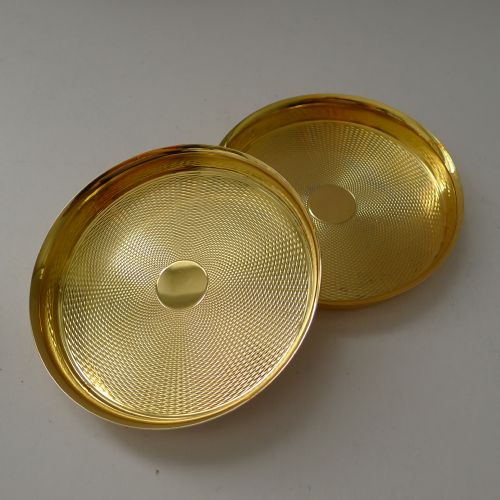
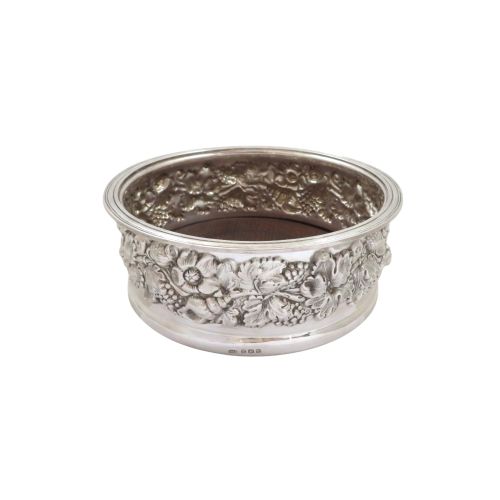
Many items incorporate gilt details, vermeil, or decorative cast borders featuring grape and vine motifs. Bases frequently lined with felt or wood protect the underside of the vessel and the surface of the dining table.
Listings feature sterling silver, silver plate, and Old Sheffield Plate alongside wooden elements like mahogany.
Distinctions in craftsmanship
Quality rests in the weight of the metal, the crispness of chased or pierced decoration, and the integrity of the base. Pieces featuring heavy sterling silver or substantial Old Sheffield Plate demonstrate superior handling of materials compared to lighter plated alternatives.
Makers known for exceptional output distinguish their pieces through refined proportion and balanced mounts. The precision of the join between the metal gallery and the wooden or metal base determines the durability of the holder.
Hermes Paris·Brook and Son·Christofle·Asprey·Rupert Favell and Co·Matthew Boulton
The Vintage Silver Bottle Coaster Glossary
- Silver Plate
- A base metal coated with a thin layer of silver. This technique provided the appearance of solid silver at a lower cost for domestic dining ware.
- Old Sheffield Plate
- An early method of fusing silver to a copper core by heat and pressure. This process often reveals subtle hints of copper showing through worn highlights.
- Vermeil
- Sterling silver plated with a layer of gold. This finish adds warmth and protects the underlying silver from tarnishing.
- Gallery
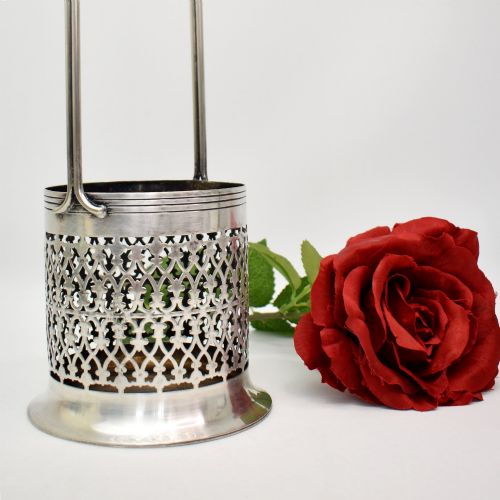
- The upright decorative wall of a coaster. These are often pierced, chased, or cast with floral and vine patterns.
- Magnum
- A larger bottle format requiring wider coasters. These substantial holders accommodate oversized wine and champagne bottles.
Vintage Silver Bottle Coaster: Frequently Asked Questions
How do I use a vintage silver bottle coaster?
Place the coaster directly on the dining table to hold a wine or champagne bottle during a meal. The raised sides keep the bottle steady while protecting table linens from drips and condensation.
Larger multi-bottle versions and carts allow hosts to serve several drinks simultaneously. They move easily across the surface of the table between guests.
Are these coasters suitable for modern wine bottles?
Standard single bottle holders accommodate most typical wine and decanter sizes found today. Standard diameters suit regular table wines effectively.
Magnum bottles require larger dedicated holders specifically designed for wider circumferences. Checking the interior diameter ensures a proper fit for bulkier champagne vessels.
How do I care for silver and plated coasters?
Clean the metal surfaces using a soft cloth and appropriate silver polish to maintain the shine. Avoid abrasive materials that can damage delicate plating or engraving.
Keep wooden bases dry and avoid submerging pieces that combine metal with wood. Proper storage in dry conditions prevents excessive tarnishing over time.
How can I tell the period of a coaster?
Examine hallmarks, base construction, and decorative styles to determine the approximate age. Georgian and Victorian pieces often feature heavier casting and hand-finished details distinct from later production methods.
Twentieth-century examples display cleaner modernist lines or revival Georgian styles. Maker marks stamped into the metal provide further clues to dating.