



Vintage Silver Bottle Chiller
These vintage silver bottle chiller options bring undeniable presence to a table, combining practical cooling with enduring metalwork.
Vintage Silver Bottle Chiller
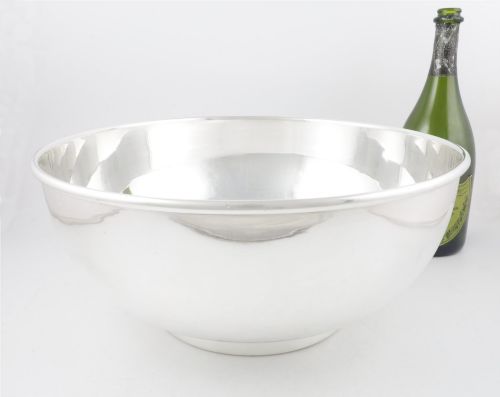
A vintage silver bottle chiller serves to keep wine and champagne at the correct temperature while entertaining guests at the table. When you search for this phrase, you encounter vessels designed primarily as wine coolers and champagne buckets.
The pieces listed here span several decades and stylistic movements, including Edwardian, Art Deco, and Mid-Century designs. You are most likely to meet French and English examples originating from the late nineteenth century through to the mid-twentieth century.
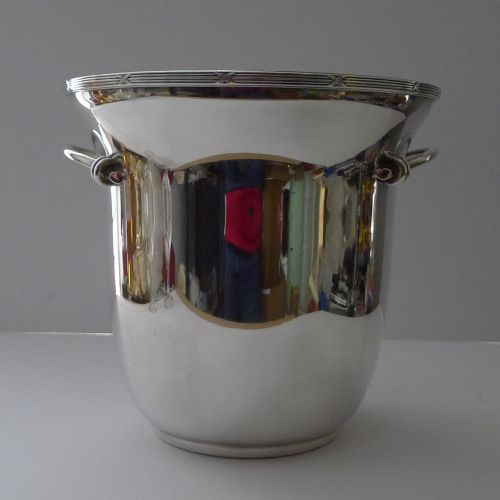
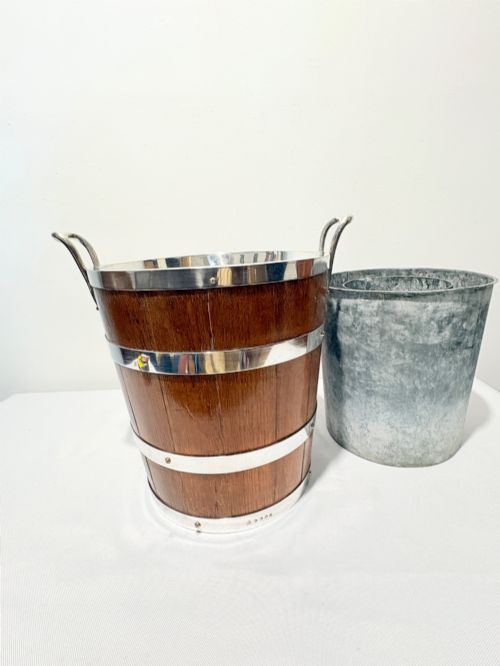
Forms range from heavily embossed bucket bodies to sleek geometric profiles associated with prominent Parisian makers. Oak and silver plate combinations also appear alongside standard metal constructions to offer distinct visual textures.
Materials and construction methods
Makers utilised silver plate over base metals to achieve a polished finish that mimics solid silver without the prohibitive weight and cost. This plating process was applied to robust metal bodies designed to withstand regular immersion and handling.
Certain period examples incorporate solid oak wooden staves bound with metal fittings, bringing a rustic warmth to the traditional wine cooler form. Embossing techniques were frequently employed by artisans to create raised decorative motifs around the exterior walls.
Vintage Silver Bottle Chiller Retail Price Guide 2026
Typical asking prices for vintage silver bottle chiller among the pieces listed under this phrase on Sellingantiques today, from the lower quarter to the upper quarter. They describe what is for sale here now, not the wider market.
Some nineteenth century makers thoughtfully added oak staves so wine lovers could pretend they were hoisting a miniature beer barrel at the dinner table.
Assessing quality in silver chillers
The distinction between standard production items and superior pieces often lies in the depth of the metalwork and the crispness of any embossed decoration. Heavier gauge silver plate maintains its integrity better over decades of use.
Attribution to documented Parisian or English firms elevates a piece through superior finishing details and heavier handles. The integration of materials, such as tight joints in oak and metal combinations, indicates careful workshop production.
James Dixon And Sons·Ercuis Paris·Christofle Paris·Luc Lanel·Lino Sabattini
The Vintage Silver Bottle Chiller Glossary
- Silver Plate
- A thin layer of silver bonded to a base metal core such as copper or brass. This technique allowed manufacturers to produce substantial tableware items with the appearance of solid silver.
- Art Deco
- A design movement prevalent in the 1920s and 1940s characterised by stylised geometric shapes and clean lines. Pieces from this period often display symmetry and modernist influences.
- Edwardian
- A stylistic period spanning the early twentieth century defined by refined elegance and decorative revivalism. Items from this era reflect the social dining customs of the time.
- Magnum Bucket
- A larger vessel capacity intended to hold oversized wine or champagne bottles. These wider forms accommodate greater volumes of ice alongside the bottle.
Vintage Silver Bottle Chiller: Frequently Asked Questions
What is a vintage silver bottle chiller used for?
These vessels were created to hold ice and water alongside wine or champagne bottles to maintain temperature during meals.
They function as both practical dining accessories and decorative centrepieces for entertaining.
How do I identify an Art Deco chiller?
Art Deco pieces typically feature streamlined geometric forms, clean vertical lines, and minimal ornamentation compared to earlier Victorian styles.
They often bear maker marks or stylistic signatures associated with the 1920s to 1940s period.
Are these chillers made of solid silver?
The vast majority of pieces from this era utilise silver plate over a durable base metal rather than solid silver.
This method provided the necessary structural strength and thermal properties required for cooling wine.
Where were most of these coolers made?
The examples available originate primarily from established workshops in France and England during the late nineteenth and mid-twentieth centuries.
Noted centres of production include Birmingham and Paris.