


Vintage Silver Bonbon Dish
These vintage silver bonbon dishes bring ornamental flair to a table, offering small, delicate vessels designed for sweets and confectioneries.
Vintage Silver Bonbon Dish
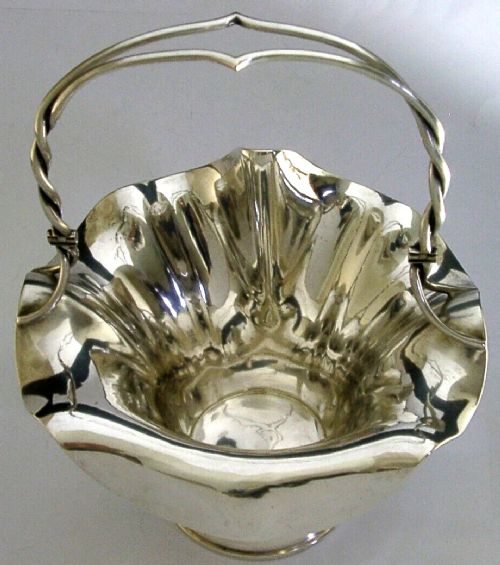
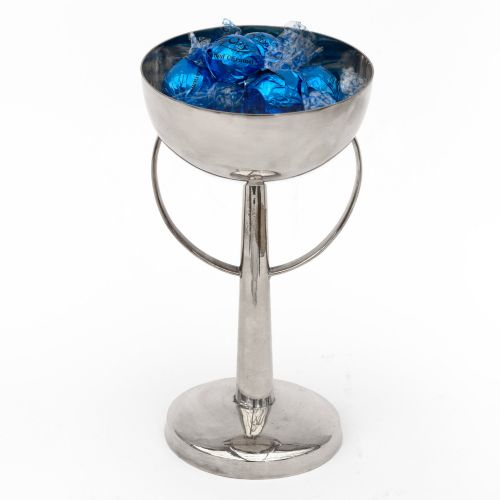
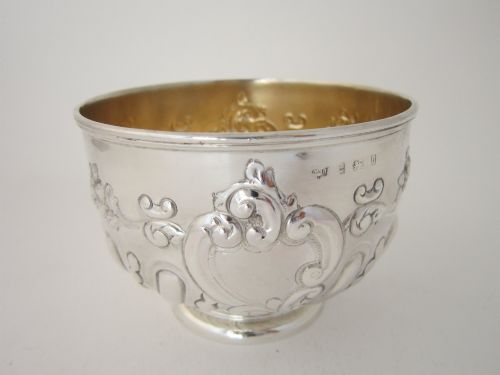
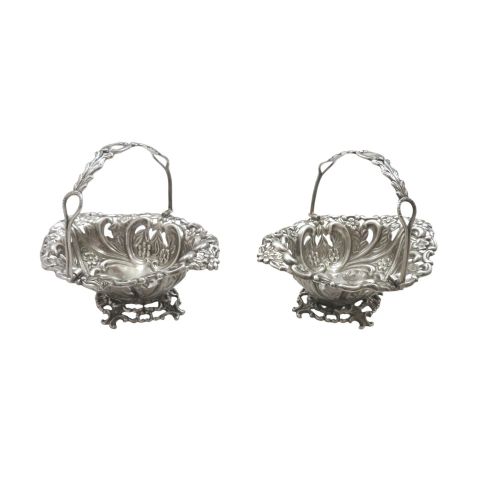
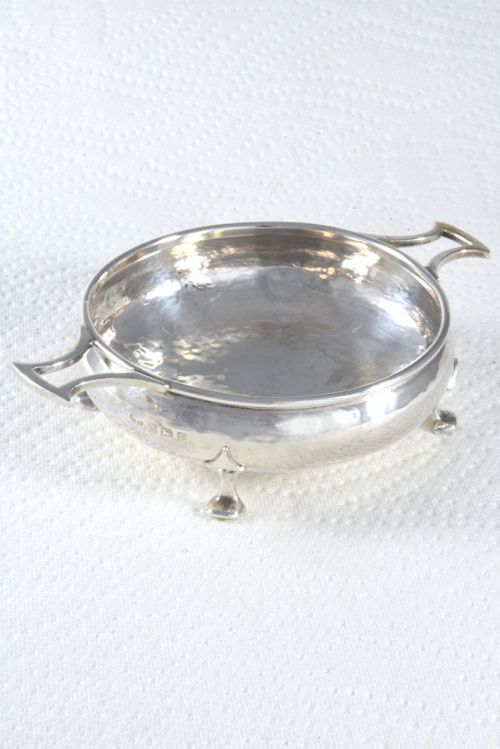
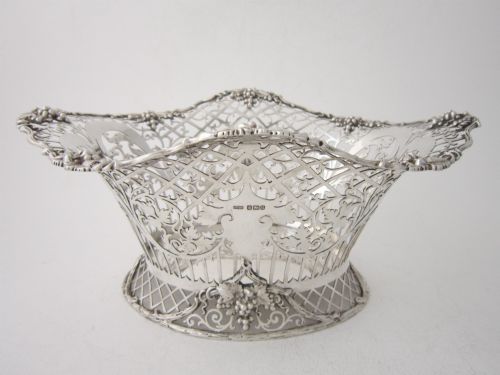
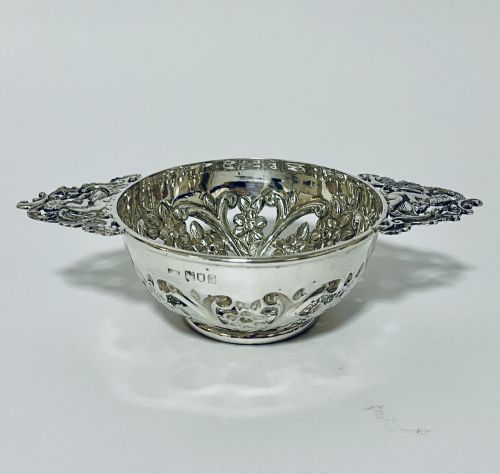
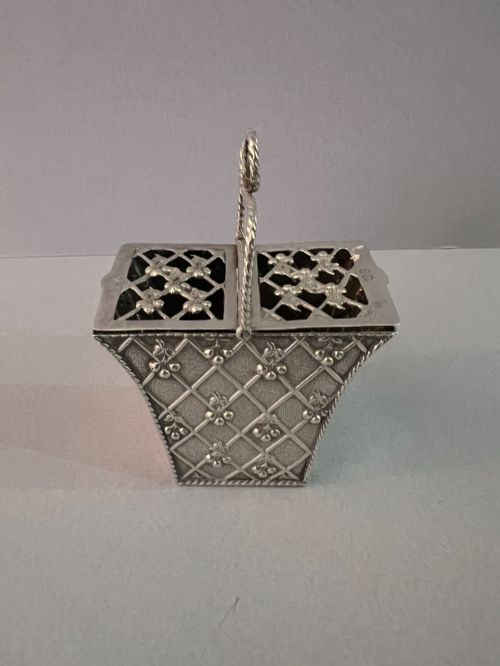
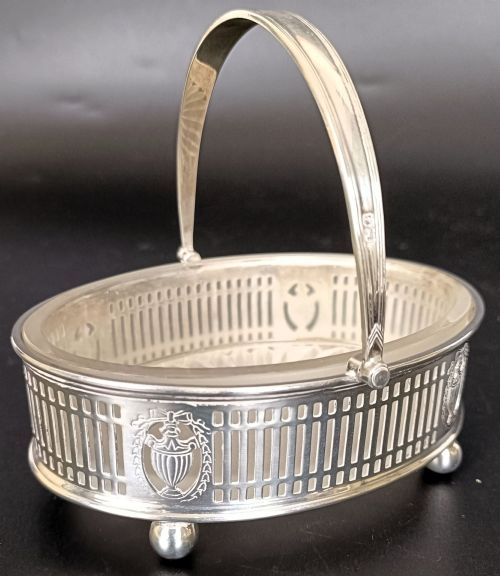
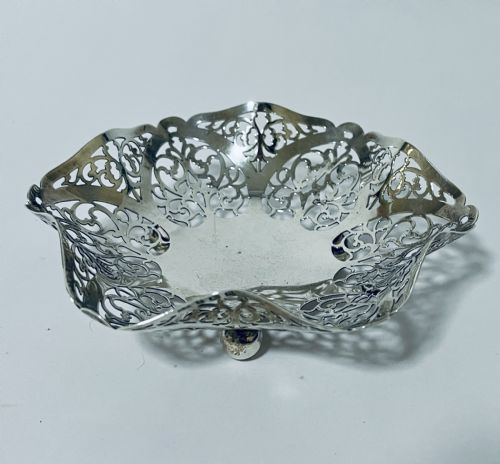
When you search for a vintage silver bonbon dish, you encounter a variety of forms including handled baskets, pierced bowls, footed dishes, and combined glass and metal vessels. The pieces span from the late nineteenth century through the Edwardian and Art Deco periods, capturing shifts in design from naturalistic floral motifs to geometric lines.
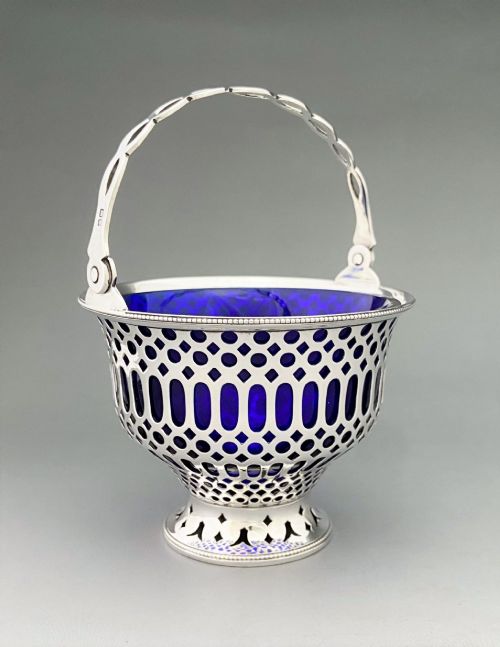
You are most likely to meet sterling silver and silver-plated examples shaped as small serving baskets or sweetmeat dishes. Many incorporate cut glass, cobalt blue glass, or cranberry glass inserts held within pierced or solid metal frameworks.
How they were made
The construction relies heavily on sterling silver and silver plating, often shaped through piercing, lattice work, and casting techniques. Metalsmiths utilised hammers, presses, and soldering irons to form swing handles, delicate feet, and decorative borders.
Many examples combine metalwork with glass components, such as cut glass, cobalt blue glass, and cranberry preserve liners. Artisans secured these glass inserts within fitted silver or plated frames, sometimes incorporating tortoiseshell elements.
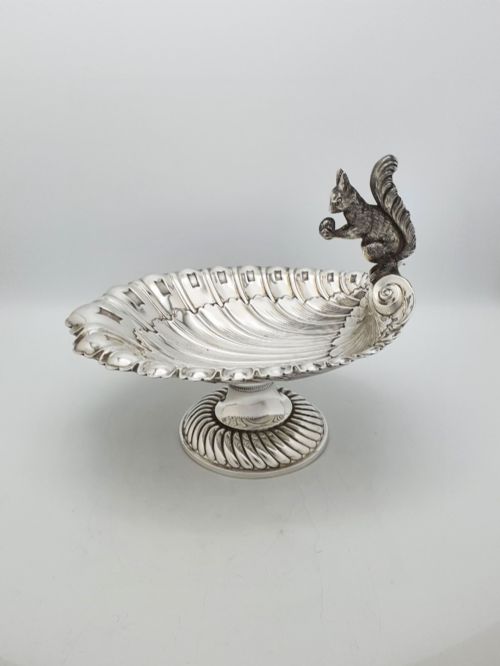
A charming metal squirrel sits perched upon one particular nut dish, keeping watch over the contents.
What varies in quality
Quality rests upon the weight of the metal, the crispness of pierced lattice patterns, and the integrity of any incorporated glass inserts. Substantial solid silver pieces display distinct hallmarks and heavier gauge metal that resists bending.
Design execution distinguishes standard production from finer work, seen in the fluency of Art Nouveau curves or the precision of Art Deco geometric symmetry. The presence of intact coloured glass liners and maker marks elevates the standing of a piece.
Fenton·Roberts and Belk·Mappin & Webb
The Vintage Silver Bonbon Dish Glossary
- Bonbon dish
- A small vessel specifically intended for holding sweets, nuts, or small confectioneries at the table.
- Sweetmeat basket
- An open-work or handled small container historically used for sweetmeats and delicacies.
- Quaich
- A traditional two-handled drinking vessel of Scottish origin, occasionally adapted in silver as a small dish.
- Silver gilt
- Silver that has been coated with a thin layer of gold on its surface, creating a warm golden finish.
- Pierced
- Metalwork decorated by cutting or piercing patterns through the surface to create lattice or open designs.
Vintage Silver Bonbon Dish: Frequently Asked Questions
What is a vintage silver bonbon dish used for?
These small vessels served as ornamental containers for sweets, mints, and small treats during formal teas and dinner parties. They sat centrally on tables or sideboards for guests to help themselves.
Today, they function well on dressing tables for small trinkets or displayed on shelves to showcase period metalwork and glass.
How can I tell solid silver from silver plate?
Solid silver pieces usually bear official hallmarks indicating the standard of purity and the assay office. These stamps provide details on the metal composition and the year of manufacture.
Silver-plated items often feature maker marks that denote plating techniques rather than solid precious metal content.
What periods do these dishes come from?
The selections span the late nineteenth century through the Edwardian era and into the interwar Art Deco period. Styles shift from ornate Victorian and Aesthetic Movement designs to flowing Art Nouveau lines and geometric Deco forms.
Each era introduced distinct manufacturing methods, from heavy cast components to delicate pierced lattice work.
How do I care for silver and glass dishes?
Maintenance involves gentle cleaning with appropriate silver polish to preserve the finish without wearing down fine details. Glass inserts can be removed and washed separately in warm soapy water.
Storing pieces away from damp environments prevents tarnishing and protects delicate glass or tortoiseshell elements.