
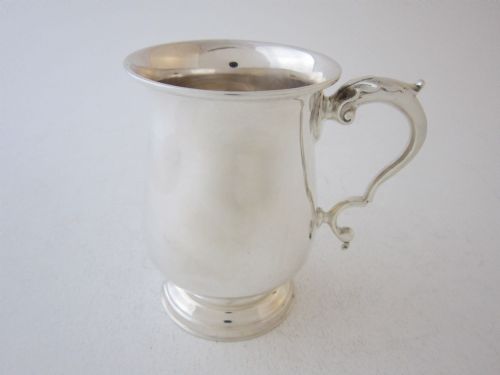
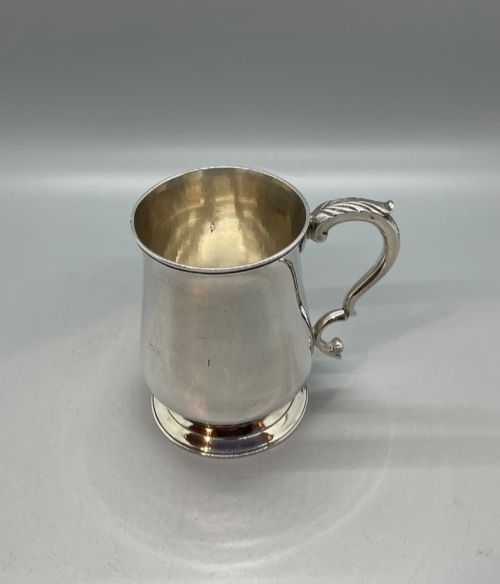
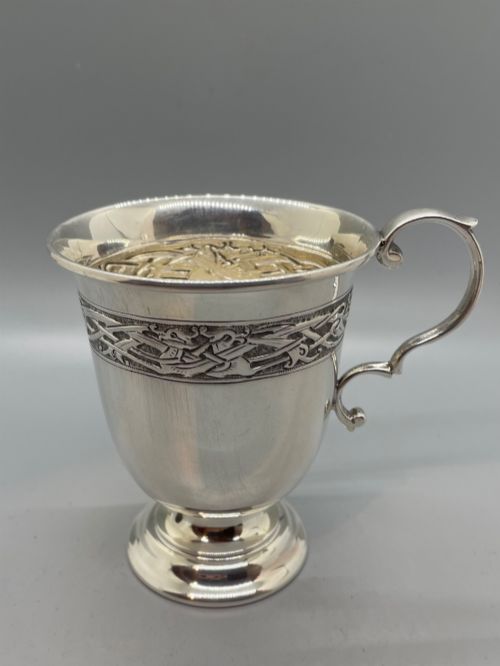
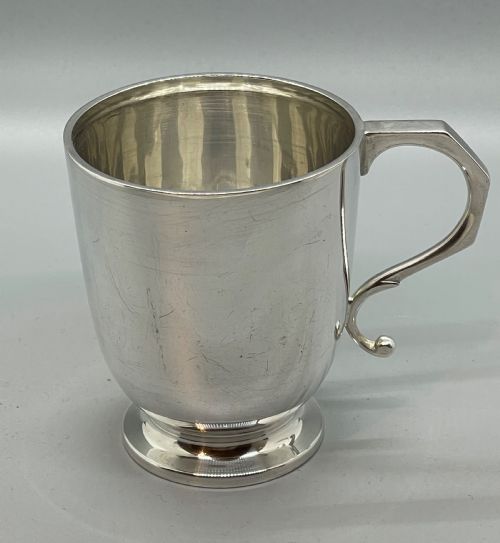


Vintage Silver Beaker
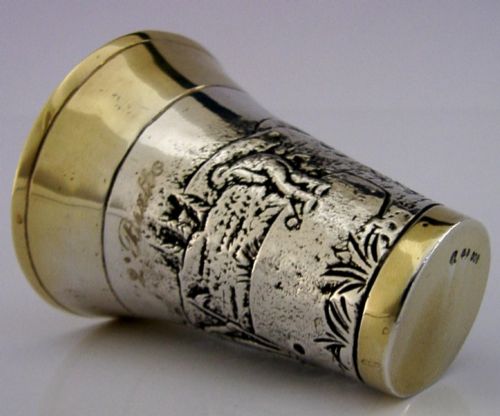
A vintage silver beaker brings solid weight and clean metal to the table, offering a direct link to historical drinking vessels.
Vintage Silver Beaker
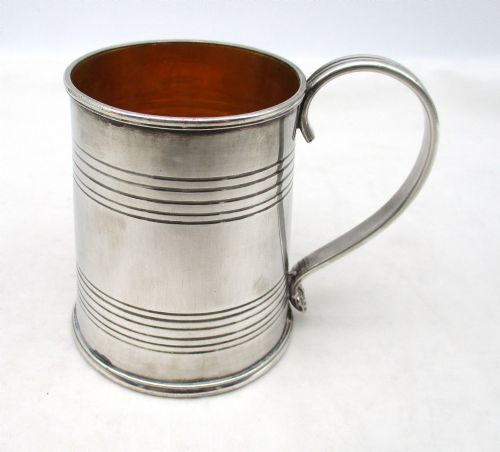
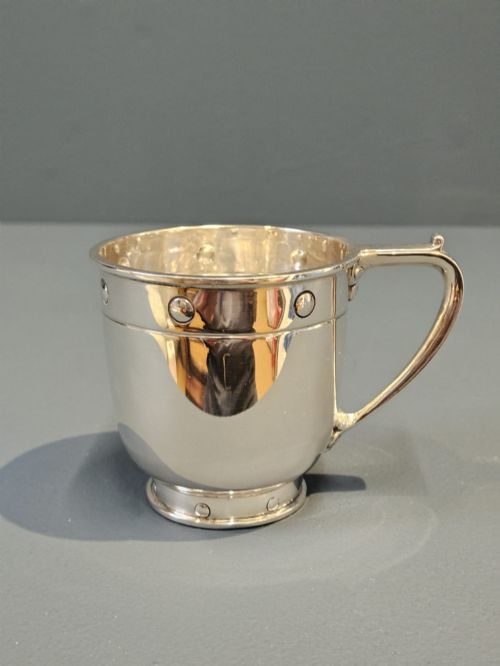
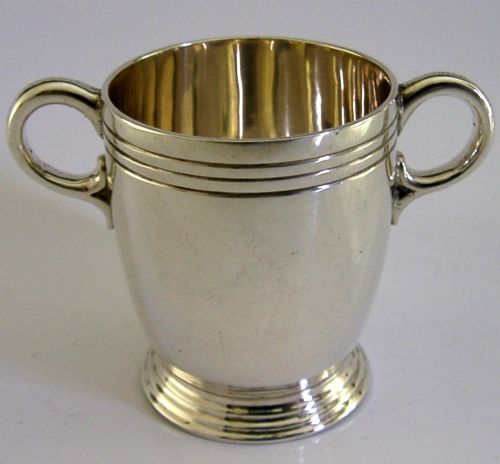
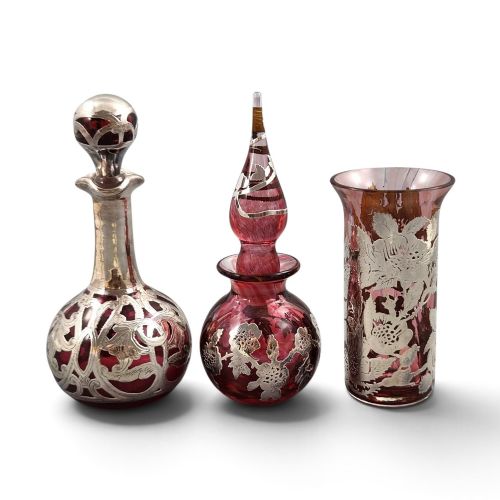
When you search for a vintage silver beaker, you encounter an array of drinking vessels, christening mugs, and barware spanning multiple centuries. The selection ranges from plain early forms to decorated twentieth-century specimens.
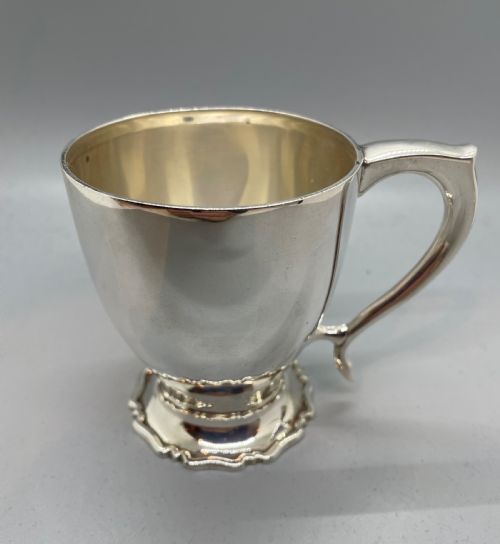
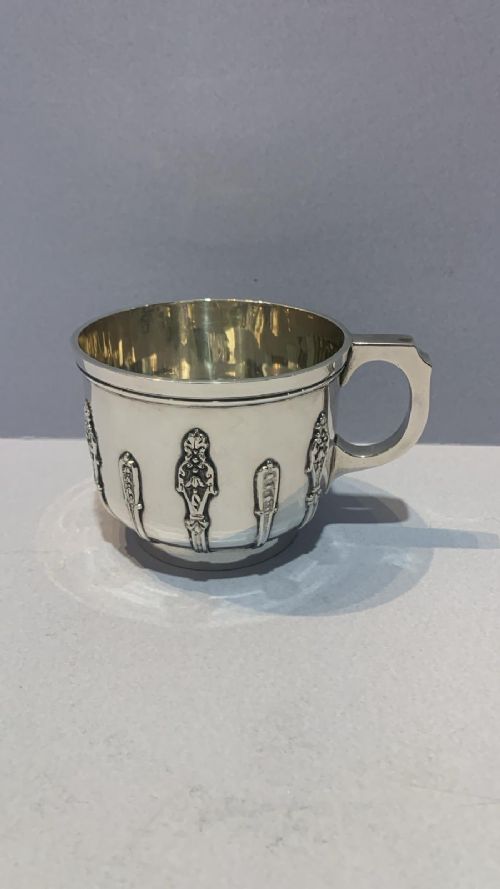
You are most likely to meet twentieth-century sterling silver mugs and christening cups from the Edwardian and George V periods on this page. These everyday items reflect the domestic metalwork traditions of their respective decades.
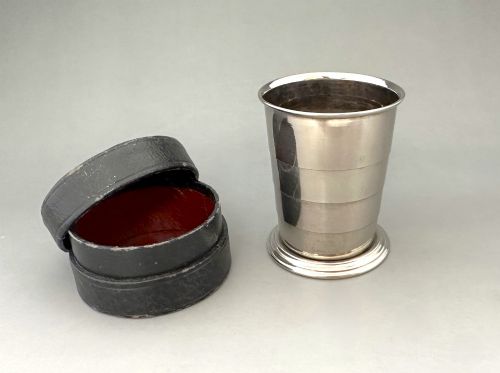
The inventory also includes specialised items such as collapsible stirrup cups, spirit flasks with beakers, and cocktail shaker sets. Each type serves a distinct function rooted in hospitality and travel.
How they were made
The objects are constructed primarily from sterling silver, silver plate, and 800 silver, often shaped into baluster forms or straight-sided cylinders. Metalsmiths utilised hammering, casting, and spinning techniques to achieve the desired wall thickness and structural rigidity.
Surface decoration frequently involves hand engraving, embossing, and applied scroll handles, alongside occasional combinations with glass, leather, and silk. Makers marked their output with standard assay office punches to denote metal purity and origin.
What varies in quality
Quality rests upon the gauge of the metal and the crispness of any engraved or embossed ornament. Substantial weight in the hand indicates a superior grade of silver that resists denting during daily use.
The refinement of the handle attachment and the clarity of the maker marks and hallmarks distinguish finer workshops from standard commercial production. Well-preserved original surfaces without excessive polishing wear retain greater integrity.
Barker Bros·Gorham·R E Stone·Tiffany and Co·William Bateman·Maison Barra
The Vintage Silver Beaker Glossary
- Sterling silver
- An alloy consisting of 92.5 percent silver and 7.5 percent other metals, usually copper, chosen for durability. This standard forms the basis for the majority of British and American domestic silver.
- Christening mug
- A small drinking vessel traditionally given to a child to mark a baptism or birth. These pieces often feature engraved personal initials or dates alongside floral motifs.
- Stirrup cup
- A cup historically handed to a rider before a hunt while still seated in the saddle. Many vintage versions feature a rounded or conical base that prevents them from being set down upright.
- Baluster form
- A vertical architectural shape characterised by a swelling lower portion tapering toward a narrower neck. This contour appears frequently on traditional drinking mugs and tankards.
- Assay mark
- A stamped symbol indicating the purity of the metal and the office where it was tested. These official marks help establish the date and geographical origin of the piece.
Vintage Silver Beaker: Frequently Asked Questions
What is a silver beaker used for?
These vessels were designed for everyday dining, ceremonial gift-giving, or portable drinking during travel. They held water, wine, or spirits depending on their size.
Today, collectors use them as desk accessories, display items, or functional barware for small gatherings.
How do I clean a silver beaker?
Maintenance requires a soft cloth and a specialised silver cream to remove tarnish without abrading the metal surface. Harsh chemical dips can strip away desirable patinas built up over decades.
After cleaning, rinse the vessel thoroughly in warm water and dry it completely with a lint-free cloth to prevent spotting.
How can I date my silver beaker?
British pieces typically feature a series of hallmarks that include a date letter, a city mark, and a standard purity mark. Comparing these stamps against published assay records reveals the exact year of manufacture.
For unmarked or foreign items, stylistic clues such as Art Deco geometric lines or Edwardian scrollwork help narrow down the period of production.
Are silver plate and sterling silver different?
Sterling silver consists of solid alloy throughout the entire thickness of the object. It maintains its intrinsic metal value and can be polished repeatedly over generations without wearing through.
Silver plate involves a thin layer of pure silver bonded to a base metal core, such as copper or nickel brass. Care must be taken during cleaning to avoid wearing away the plated surface.