
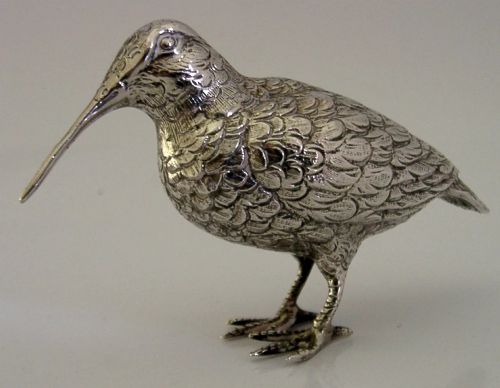


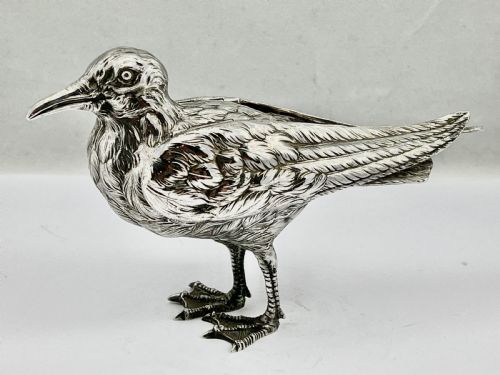

Vintage Silver Animal Figure
These vintage silver animal figure pieces range from detailed birds to striking mammalian studies, bringing character and craftsmanship to any interior.
Vintage Silver Animal Figure
A vintage silver animal figure encompasses a diverse range of decorative sculptures, table ornaments, and practical items such as pin cushions modelled after creatures both domestic and wild. When searching for this phrase, collectors encounter pieces spanning from the late Victorian and Edwardian eras through to mid-century British, European, and colonial workshops.
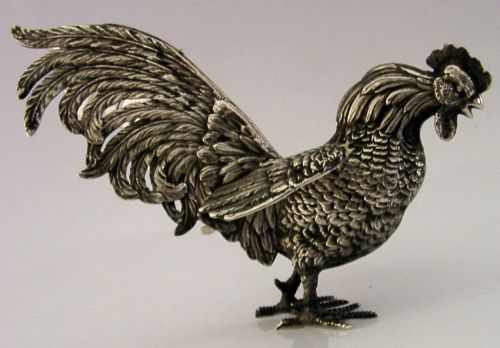
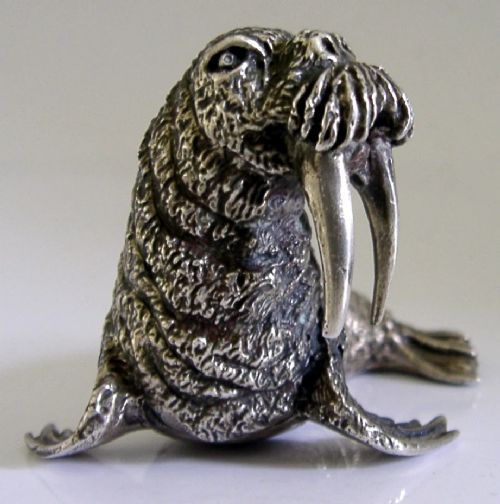
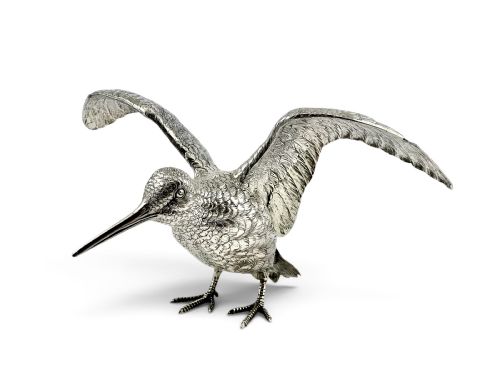
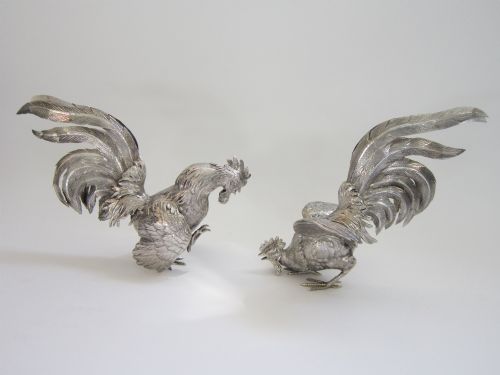
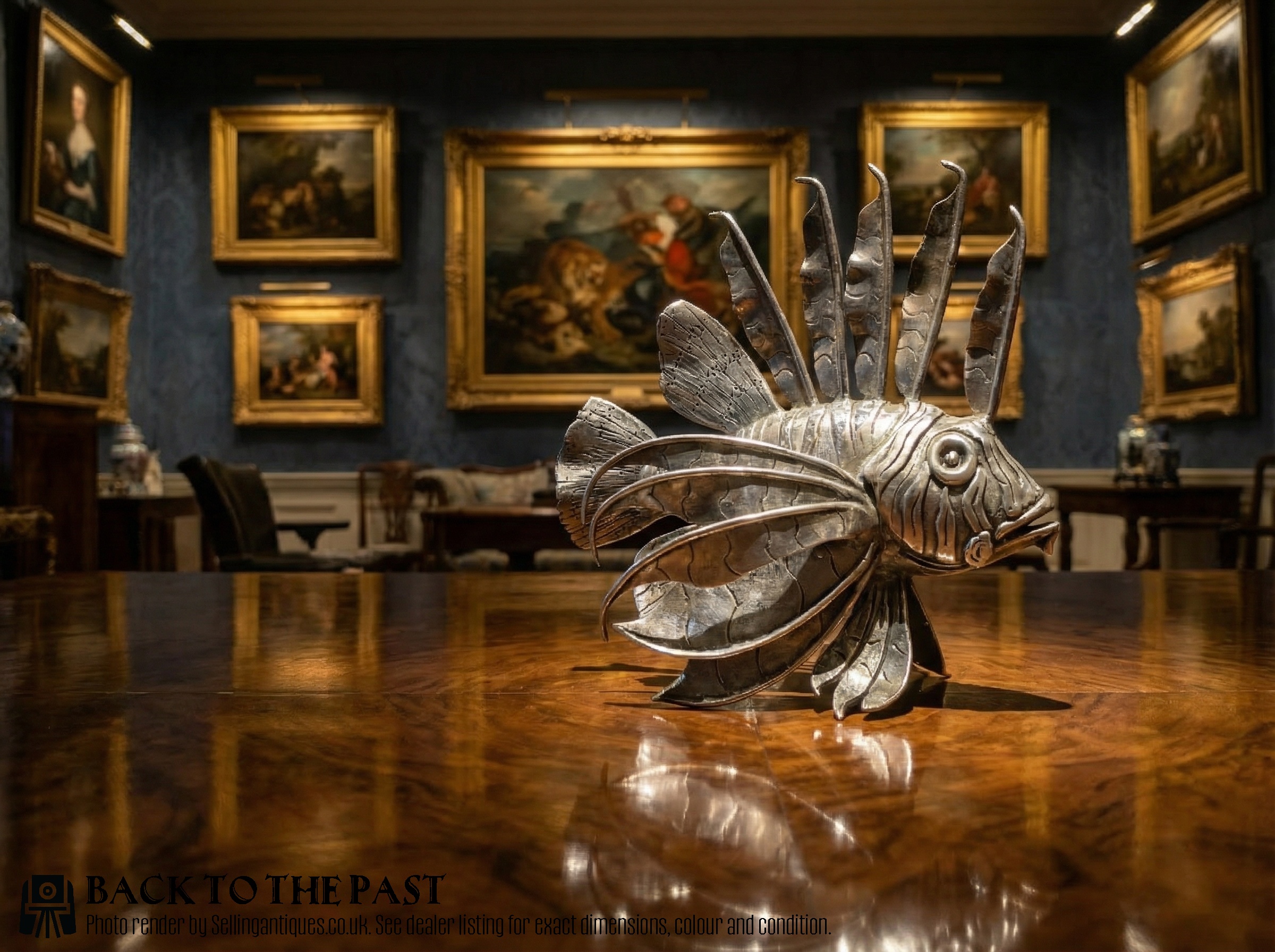
The assortment on this page draws heavily from naturalistic depictions of birds, including cockerels, chickens, wading birds, and woodcocks, alongside land mammals like foxes, lions, greyhounds, kangaroos, and horses, plus occasional marine life such as walruses and lion fish. Forms vary from miniature pin cushions and paperweights to substantial presentation trophies and cabinet sculptures.
Dating ranges from the late nineteenth century into the mid-twentieth century, capturing stylistic shifts from Victorian realism and Edwardian detail to Art Deco minimalism and mid-century European modernism. Buyers will find solid silver alongside silvered bronze and silver gilt iterations, often mounted on bases of marble or ebonised wood.
How They Were Made
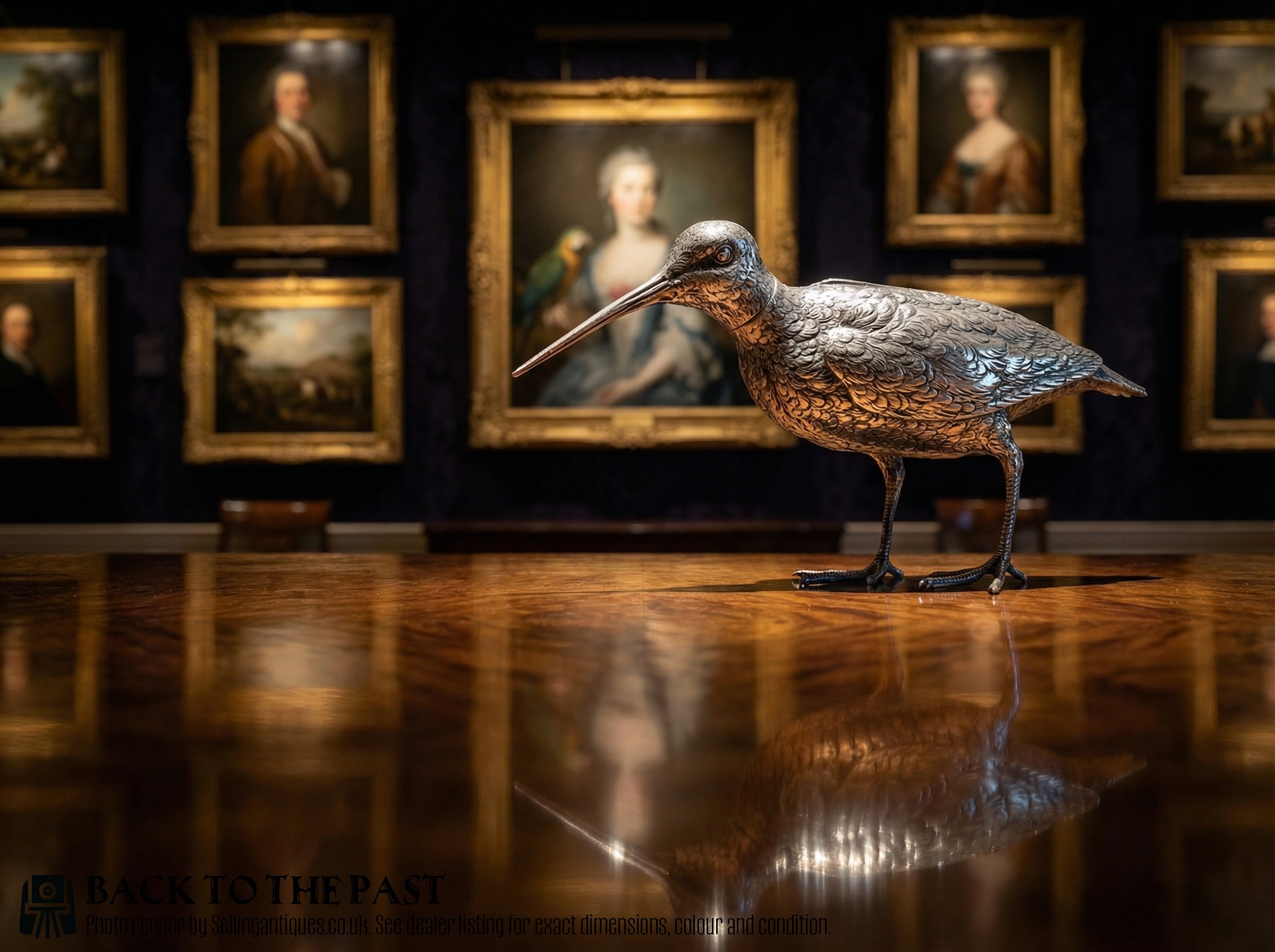
Secondary materials appear where figures interact with their environment, incorporating marble bases for stability or ebonised wood to frame the metalwork. Maker techniques extend to specialised forms like miniature pin cushions and signed sculptural studies requiring meticulous hand-finishing.
A tiny silver kangaroo pin cushion stands ready to hold pins in the most unorthodox pouch imaginable.
What Varies in Quality
Quality in a vintage silver animal figure rests upon the sharpness of the chasing and the anatomical accuracy achieved by the maker, separating generic cast items from works by recognised workshops and silversmiths. Weight distribution and substantial gauge metal contribute significantly to the tactile presence of the piece.
The fidelity of surface detailing, such as the individual rendering of plumage or musculature, dictates the visual standard. Furthermore, the incorporation of secondary materials like marble or specialised finishes like silver gilt distinguishes standard ornaments from sculptural works of art.
Karl Hagenauer·Mario Bucellati·Michel Decoux
The Vintage Silver Animal Figure Glossary
- Sterling silver
- A standard alloy consisting of ninety-two point five percent silver and seven point five percent other metals, usually copper, chosen for durability.
- Silvered bronze
- A bronze metal base treated with a surface application of silver to achieve the appearance of solid silver metalwork at a different weight.
- Pin cushion
- A small domestic object incorporating a padded insert, frequently fashioned here in the miniature shape of animals like lions or kangaroos.
- Silver gilt
- Silver objects that have been coated with a thin layer of gold on the exterior surfaces, producing a warm two-tone metallic effect.
- Chasing
- A metalsmithing technique where the artisan hammers metal from the front to sink the surface and define fine decorative lines like fur or feathers.
Vintage Silver Animal Figure: Frequently Asked Questions
What animals were commonly depicted?
Makers modelled a wide variety of creatures, with birds such as cockerels, chickens, and woodcocks appearing frequently alongside terrestrial mammals like foxes, lions, greyhounds, and horses. Marine life and exotic beasts also emerge in smaller numbers.
These subjects reflect both domestic fondness for pets and sporting themes associated with country pursuits, shooting, and equestrian events.
How do I identify the period?
Dating relies on stylistic markers ranging from the ornate realism of late Victorian and Edwardian pieces to the geometric lines of Art Deco and the clean forms of mid-century European design. Hallmarks and stamps where present provide specific civic and chronological markers.
Examining the manufacturing technique and base materials further helps anchor the piece within its historical decade of production.
Were these figures purely decorative?
While many examples function strictly as cabinet sculptures, table ornaments, or paperweights, others served specific utilitarian purposes. Miniature pin cushions combined decorative animal forms with practical sewing accessories.
Larger items sometimes originated as presentation trophies, merging commemorative utility with sculptural animal representation.
What is silvered bronze?
Silvered bronze is a composite medium where a sculpted bronze core receives a surface coating of silver. This technique allowed makers to achieve the visual appeal of silver while working with a different metal alloy.
Such pieces often feature integrated bases made of materials like marble to provide adequate weight and structural balance.