




Vintage Silk Shade Lamp
These vintage silk shade lamp options combine period bases with soft textiles to warm a room.
Vintage Silk Shade Lamp
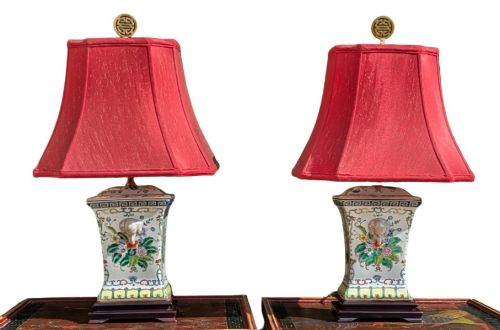
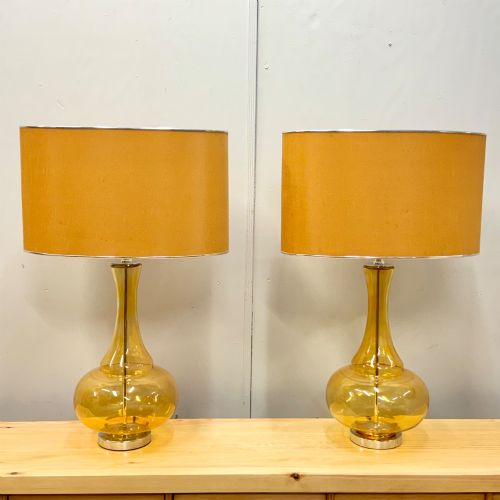
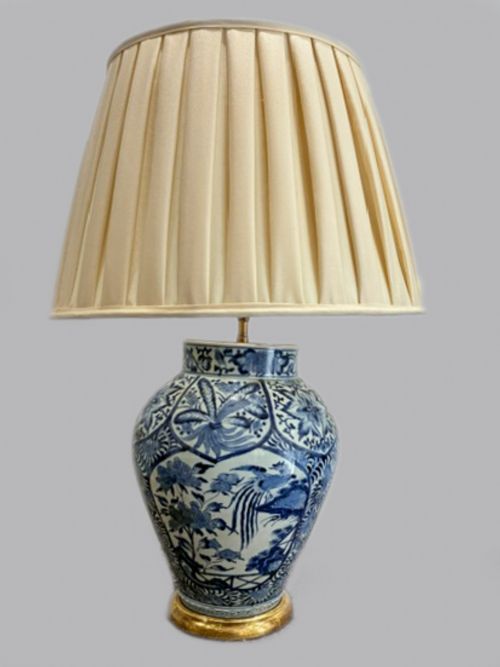
A vintage silk shade lamp brings together a period base and a fabric diffuser to cast a soft, ambient glow in a room. Buyers seeking a vintage silk shade lamp will find table lamps and floor lamps formed from converted vases, classical columns, and metal standards.
The versions most commonly met on this page combine bases of silver plate, brass, or glass with fabric shades. Pieces draw on styles ranging from Victorian and Edwardian to Mid-Century Modern and Japanese Meiji periods.
Origins span English, French, and Asian workshops, often repurposing earlier vessels into functional lighting during the nineteenth and twentieth centuries. Each piece pairs a structural base with a silk or fabric shade.
How they were made
Makers utilised metalworking techniques like silver plating, casting, and pressing to form columns and standards from brass and polished metal. Gilt bronze and ormolu add ornate metallic detail to select bases.
Ceramic and glass components include amber glass, porcelain, and converted vases from Japanese and Chinese traditions. These vessels are mounted with electrical fittings while retaining their original glaze and form.
Fabric shades paired with these lamps rely on silk and other textiles to diffuse the light directed through the fitting. Structural support comes from solid timber elements like walnut or gilded wood frames.
Vintage Silk Shade Lamp Retail Price Guide 2026
Typical asking prices for vintage silk shade lamp among the pieces listed under this phrase on Sellingantiques today, from the lower quarter to the upper quarter. They describe what is for sale here now, not the wider market.
Current listings feature materials including silk, amber glass, porcelain, and silver plate across table and floor lamp formats.
What varies in quality
The standard of a piece rests on the integrity of the base materials, whether solid brass, heavy silver plate, or porcelain. Heavier metal castings and finely glazed ceramic bodies demonstrate superior execution by the maker.
Conversion work determines how successfully an antique vessel or column transitions into a lamp without compromising its original form. Precision in mounting and wiring preserves the balance and character of the object.
The refinement of decorative details, from Corinthian column capitals to pressed brass patterns, separates standard production from finer examples. Harmony between the base and the accompanying silk shade completes the composition.
The Vintage Silk Shade Lamp Glossary
- Corinthian column
- A classical architectural column form featuring ornate acanthus leaves on the capital, frequently used for nineteenth-century metal table lamps. This design originates from ancient Greek architecture.
- Ormolu
- Gilt bronze ornamentation applied to furniture and lamp bases, providing a bright golden finish through a mercury amalgamation process. Makers used this technique extensively during the eighteenth and nineteenth centuries.
- Flambe vase
- A ceramic vessel finished with a complex copper-based glaze that produces streaked, vibrant red and purple tones. These vases were often converted into lamps in the twentieth century.
- Satsuma
- Japanese earthenware pottery decorated with intricate enamel patterns and gilt over a crackled cream glaze. These pieces frequently appear mounted as decorative table lamps.
Vintage Silk Shade Lamp: Frequently Asked Questions
What is a vintage silk shade lamp?
A vintage silk shade lamp pairs a period lighting base with a fabric shade to provide soft illumination. These pieces often feature bases made from converted vases, classical columns, or metalwork.
Such lamps combine historical materials with functional lighting for domestic interiors.
How do I style a vintage silk shade lamp?
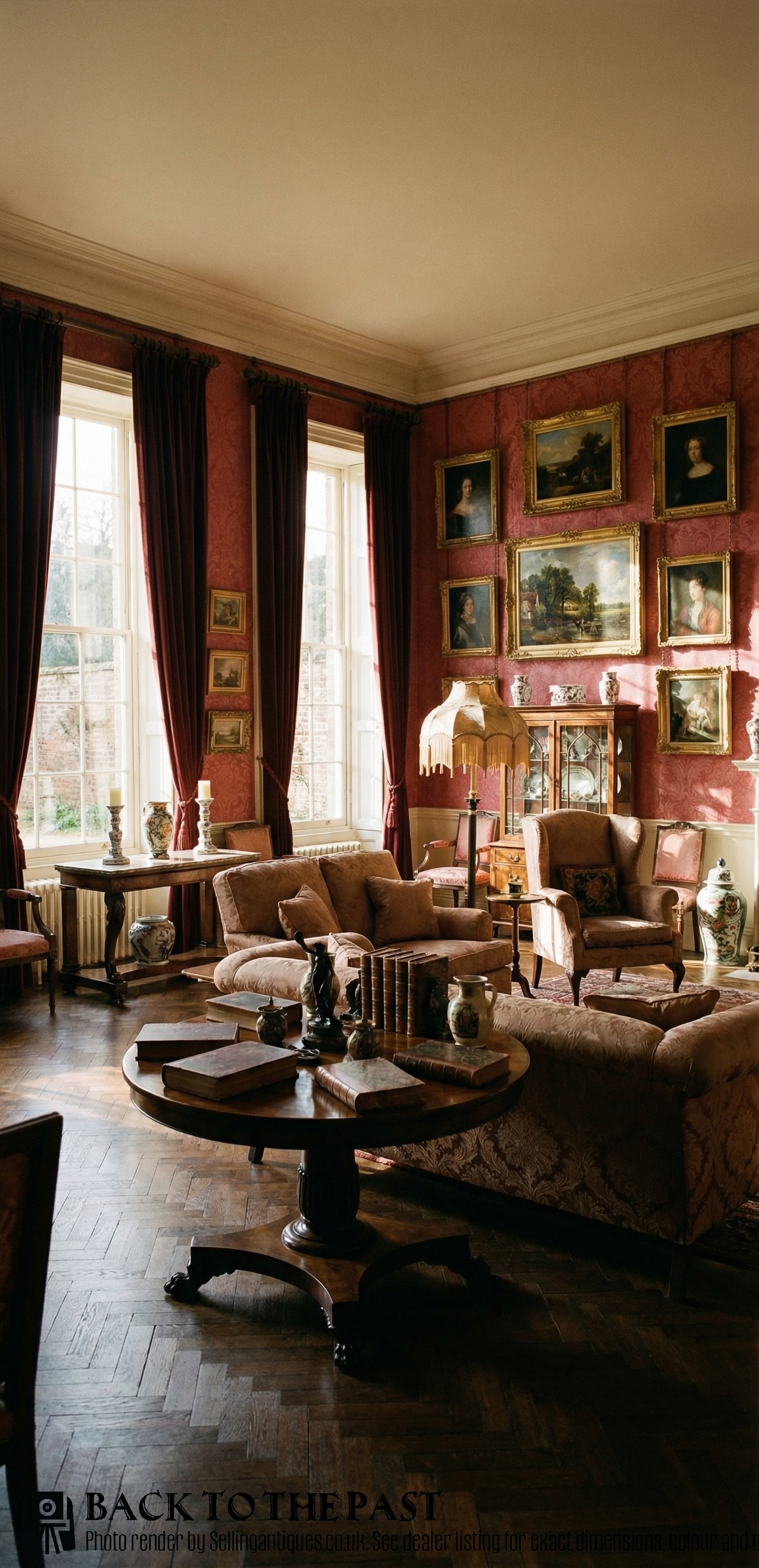
Place these lamps on side tables, buffets, or desks where the soft diffusion of a silk shade can light a specific corner. They suit both traditional rooms and eclectic interiors by adding texture and period character.
Matching the scale of the base to the surrounding furniture ensures the lamp sits comfortably in the space.
How are different periods identified?
Dating relies on the materials, manufacturing methods, and stylistic cues visible in the base and fittings. Victorian and Edwardian pieces often display neoclassical columns or silver plate, while later twentieth-century items show streamlined forms.
Examining the wiring components and construction joins also helps determine the approximate age of the conversion.
Can converted vases be used safely?
Converted vases are wired to modern electrical standards to ensure safe operation as table lamps. Professional conversion preserves the integrity of the original ceramic or glass vessel while adding a secure fitting.
Checking the internal wiring and base stability confirms the piece is ready for daily use.