



Gold Fabric Standard Lamp
A gold fabric standard lamp brings warm illumination and period presence to a corner, combining brass columns and fabric shades.
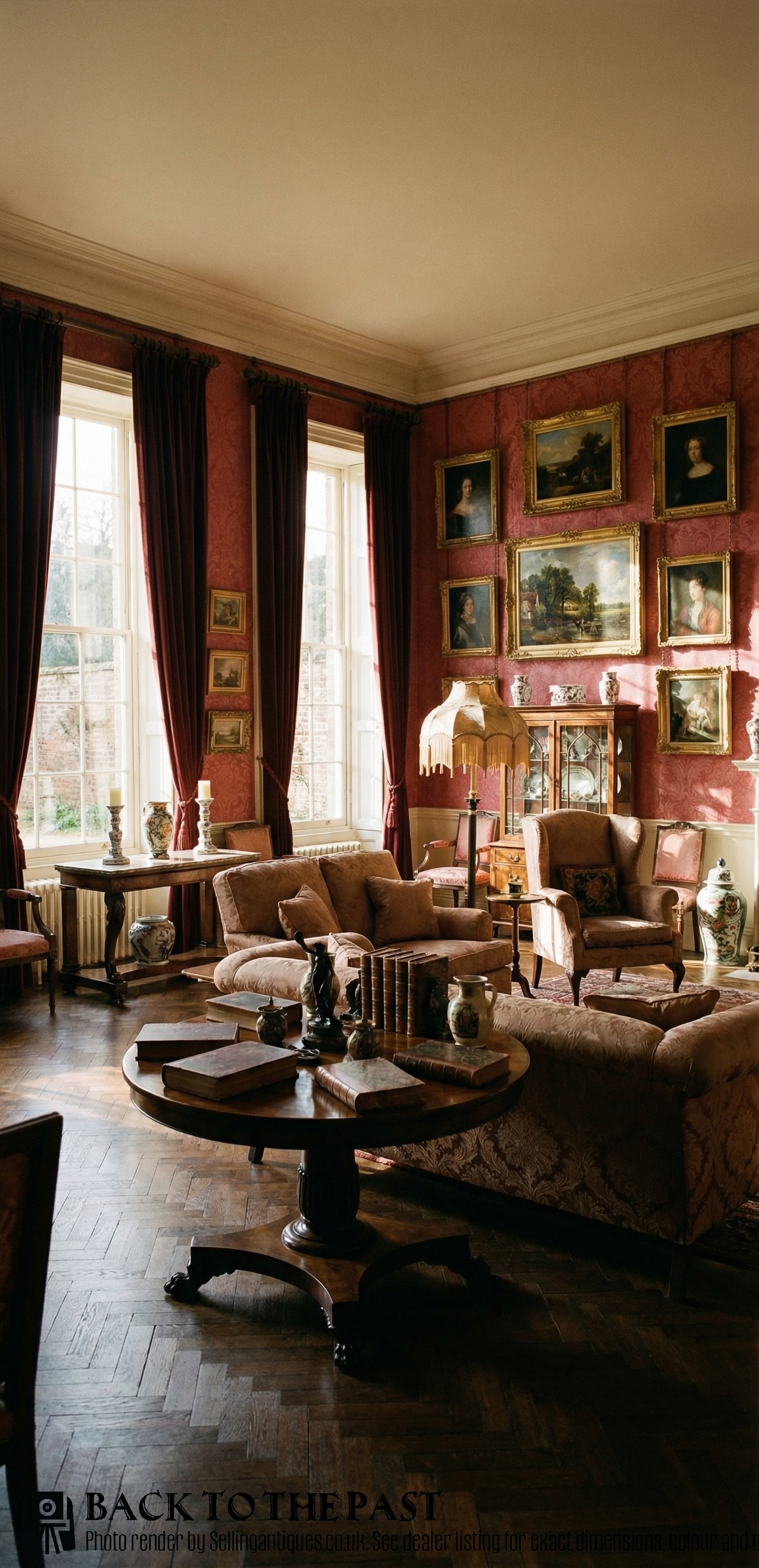
Gold Fabric Standard Lamp
A gold fabric standard lamp comprises tall floor and table lighting forms originating from the Victorian, Edwardian, and early twentieth-century periods. These pieces serve to brighten interior spaces while offering decorative metalwork and textured shades.
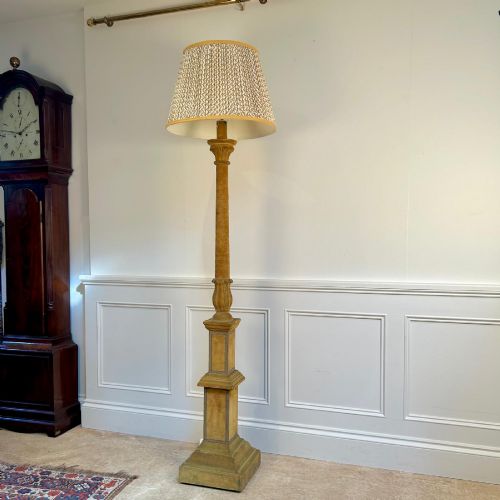
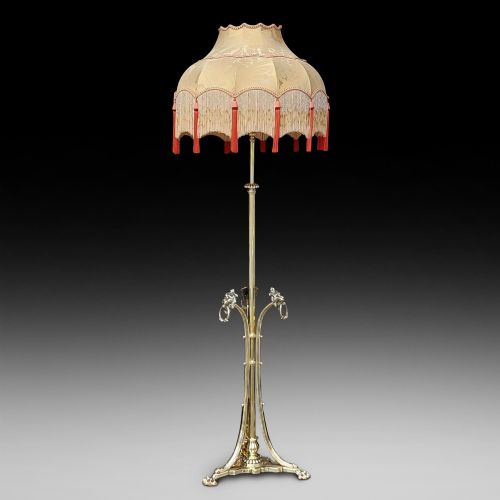
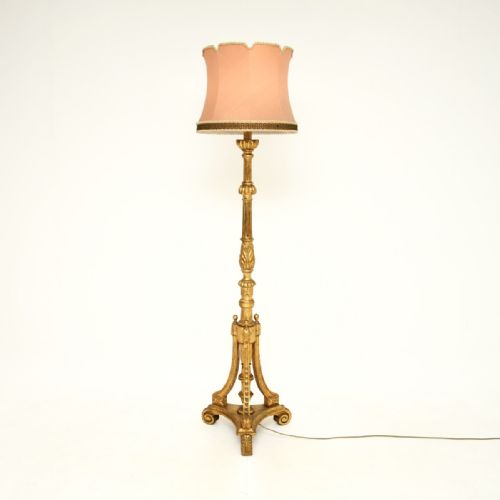
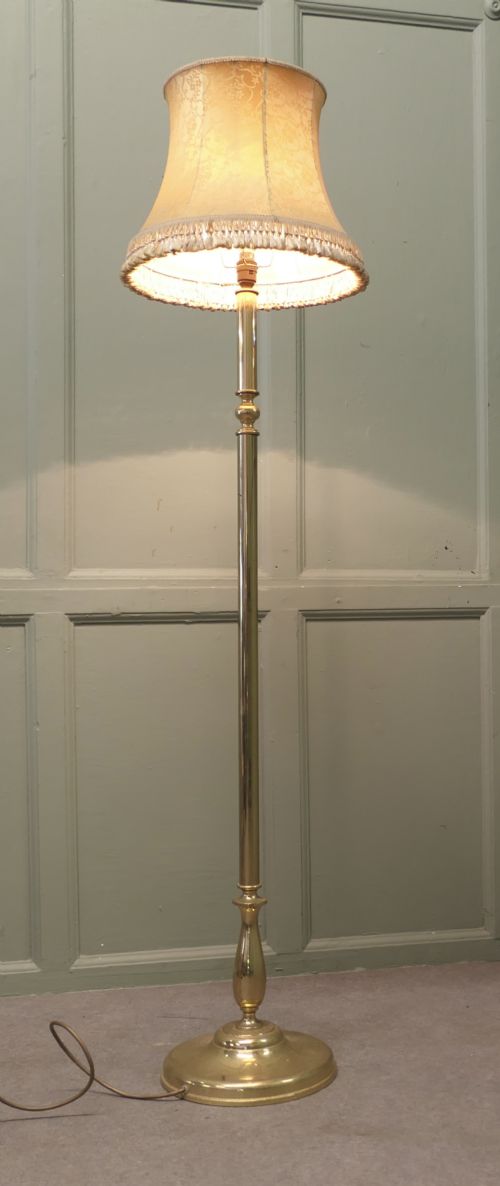
The versions met most often on this page take the form of standard lamps and floor lamps constructed from brass, gilt wood, and gilt bronze. They combine period frames with fabric elements to create vertical presence in a room.
Makers and manufacturers from the nineteenth and twentieth centuries produced these items using styles such as Art Nouveau, Neoclassical, and French Chateau. Each piece reflects the lighting technology and aesthetic preferences of its decade.
How they were made
Makers constructed the structural frames of these lamps using cast and turned brass, gilt wood, and gilt bronze. These heavy metallic and wooden bases provided the necessary stability for tall floor-standing columns.
Shades and decorative accents incorporate fabric, silk, fringe, glass beads, and thread. These textile components were sewn and fitted directly to frames, often featuring beaded trimming and delicate cordwork.
Gold Fabric Standard Lamp Retail Price Guide 2026
Typical asking prices for gold fabric standard lamp among the pieces listed under this phrase on Sellingantiques today, from the lower quarter to the upper quarter. They describe what is for sale here now, not the wider market.
Some Victorian reading lamps were designed small enough to sit on boudoir tables for late-night novel enthusiasts.
What varies in quality
The calibre of metalwork distinguishes superior examples from simpler ones, visible in the depth of chasing on brass and the richness of the gilt finish. Heavier castings and more intricate turning denote greater workshop skill.
The preservation of the textile elements dictates the overall integrity of the piece. Original silk, fringe, and thread work that remains intact without heavy degradation elevates the historical value of the lamp.
The Gold Fabric Standard Lamp Glossary
- Standard lamp
- A tall floor lamp designed to stand independently on the floor and illuminate a room from a raised height. These fixtures usually feature a heavy base and a vertical column.
- Gilt bronze
- Copper alloy covered with a thin layer of gold, often utilised in high-end decorative objects. This material offers a rich, lasting metallic sheen.
- Art Nouveau
- An international style of art and architecture prominent around the turn of the twentieth century, characterised by organic, flowing lines. It appears frequently in period lighting design.
- Fringe
- An ornamental border consisting of hanging threads or cords used to edge textile shades. This detail adds movement and period texture to the lamp.
Gold Fabric Standard Lamp: Frequently Asked Questions
Where should a standard lamp go?
These tall lamps suit dark corners of reception rooms or beside reading chairs where vertical height assists illumination.
Positioning them away from heavy foot traffic protects delicate silk shades and fringing from accidental damage.
How do I date a brass lamp?
Examining the weight of the brass casting, the method of assembly, and the switches reveals the manufacturing era. Earlier examples rely on heavy turned metal components and simpler wiring pathways.
Stylistic cues like organic curves point to Art Nouveau, while formal symmetry suggests Neoclassical or Victorian origins.
Can I replace the silk shade?
Replacing the shade is straightforward provided the fitting matches the original harp or shade carrier system. Many collectors prefer keeping period fabric when it remains stable.
When replacement is necessary, matching the period style preserves the visual balance of the standard lamp.
How do I clean gilt wood?
Gilt wood requires gentle dusting with a soft, dry brush to prevent damage to the delicate gold leaf finish. Moisture and chemical cleaners strip the historic surface.
Maintaining a stable indoor humidity prevents the wooden base from cracking or warping over time.