



Vintage Silk Ottoman
These vintage silk ottoman pieces are rich textiles, rugs, and footstools that bring historic craftsmanship and texture into a room.
Vintage Silk Ottoman
When you search for vintage silk ottoman, you encounter a diverse selection ranging from embroidered fragments and jackets to floor rugs and footstools. These items span various periods, including the eighteenth and nineteenth centuries, reflecting rich traditions from Turkish, Greek Island, and Victorian origins.
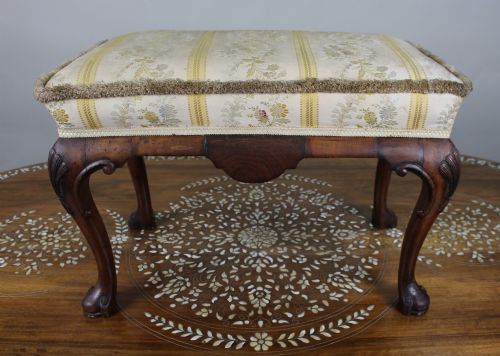
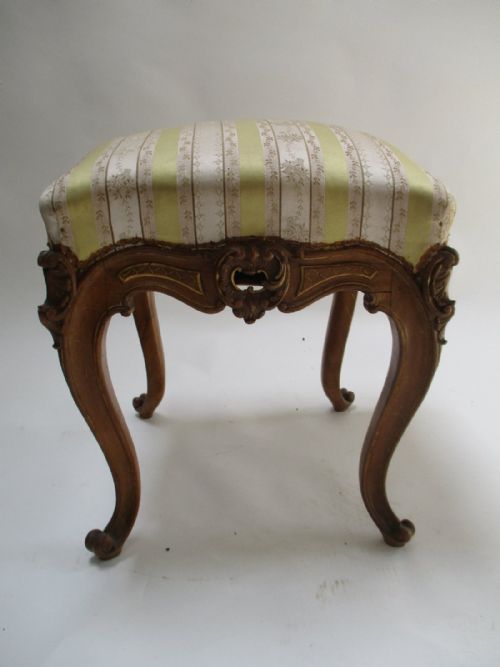
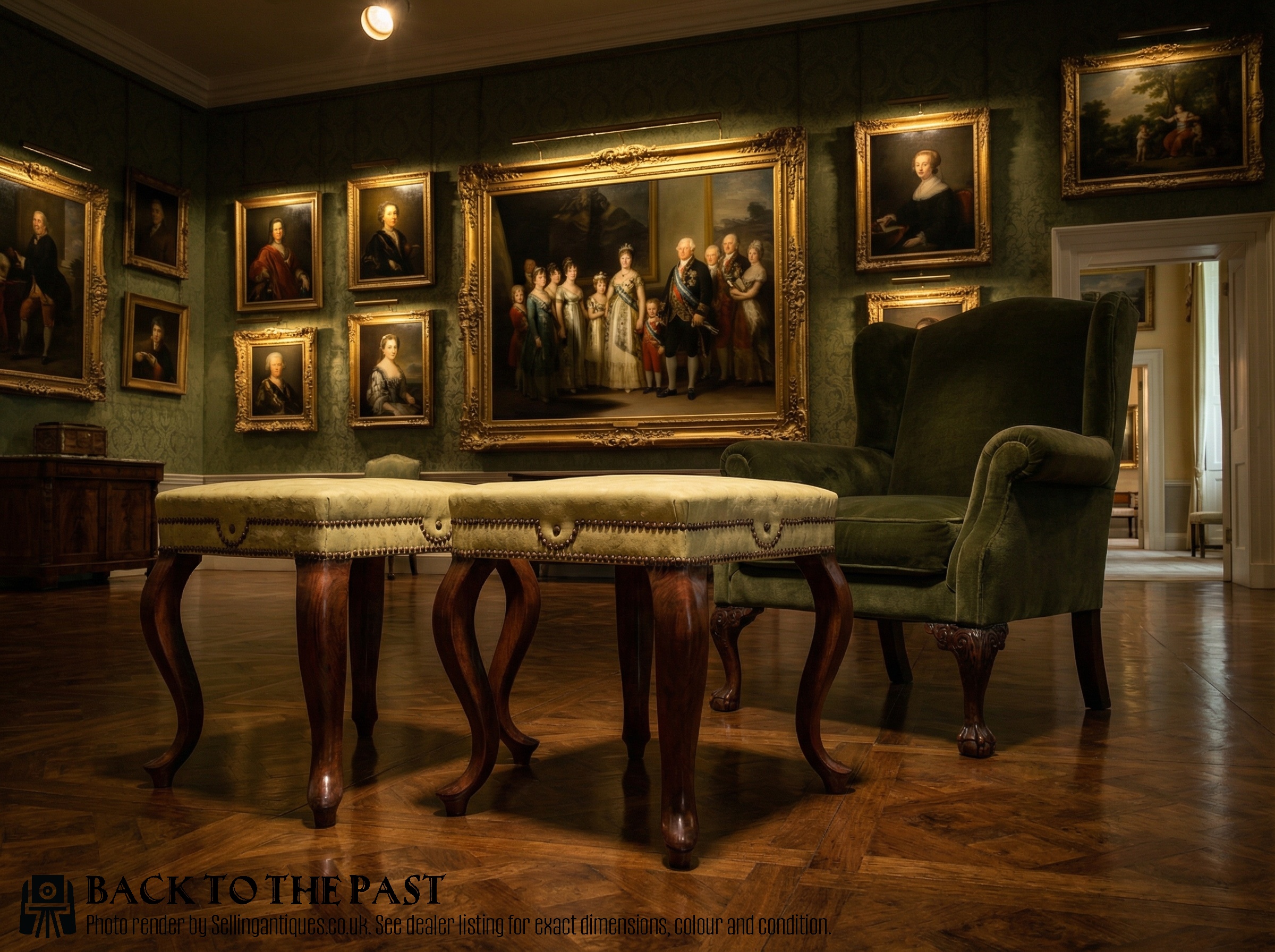
The objects on this page bridge two distinct categories: textile art and traditional seating furniture. You find framed embroidered fragments alongside walnut gout stools and deep button stools upholstered in silk.
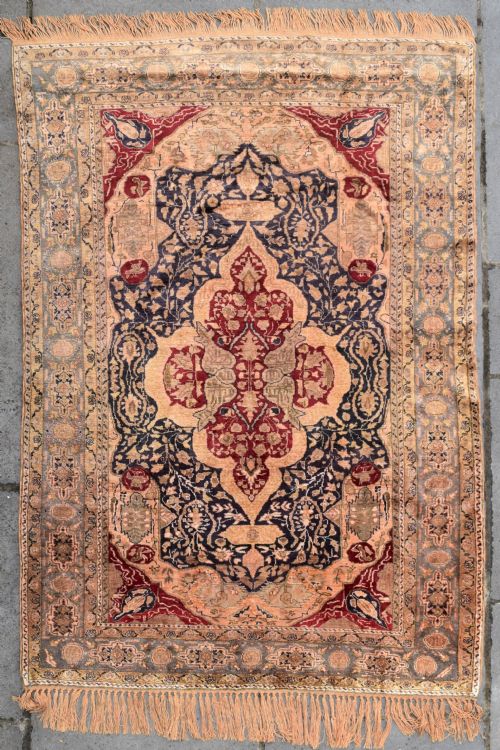
Geographic influences are prominent, with specific pieces originating from Bursa, Kayseri, and Sivas alongside broader Ottoman Empire and traditional Anatolian styles.
How they were made
Makers utilised fine materials such as silk, cotton, linen, and metallic thread to create intricate surface patterns on embroideries and rugs. Floss silk is specifically recorded in knots for rugs, giving a distinct texture.
Wooden frames for the seating utilise walnut, mahogany, and giltwood, often paired with brass details and velvet upholstery. Hand-knotted and embroidered techniques dominate the textile pieces.
Listings feature periods spanning from the seventeenth century through to the early twentieth century, utilising silk, walnut, and metallic thread.
What varies in quality
Quality rests upon the preservation of the delicate silk threads and metallic elements across embroideries and rugs. Finer pieces maintain their structural integrity and colour vibrancy despite centuries of age.
For the furniture elements, the joinery of the walnut or mahogany frames and the execution of the deep buttoning define the standard of the piece.
The Vintage Silk Ottoman Glossary
- Ottoman Empire
- A historical empire whose artistic output heavily influences the styles and embroidery techniques seen in these textiles.
- Floss silk
- Unspun silk fibres used to create a soft, lustrous pile in traditional rugs.
- Gout stool
- A nineteenth-century footstool designed specifically to elevate and support feet affected by gout.
- Skyros embroidery
- Needlework originating from the Greek islands, characterised by distinct regional motifs.
Vintage Silk Ottoman: Frequently Asked Questions
What is a vintage silk ottoman?
A vintage silk ottoman encompasses historic textiles, embroidered fragments, rugs, and upholstered footstools from various periods.
They reflect traditional craftsmanship utilising silk, metallic thread, and carved wood frames.
How were these rugs made?
These rugs are hand-knotted using materials like floss silk on foundational warps.
Craftsmen incorporated regional Anatolian designs and pastel colour palettes into the weaving process.
What materials are used in the stools?
The stools typically feature wooden frames made from walnut, mahogany, or giltwood.
Upholstery consists of silk, velvet, and deep buttoning techniques with occasional brass hardware.
Where do these textiles originate?
The pieces originate from regions such as the Ottoman Empire, Turkey, Bursa, Kayseri, Sivas, and the Greek Islands.
Victorian and French pieces also appear within the seating selection.