


Vintage Shirvan Wool Rug
A vintage shirvan wool rug brings geometric energy and rich eastern Caucasus history directly to your floor.
Vintage Shirvan Wool Rug
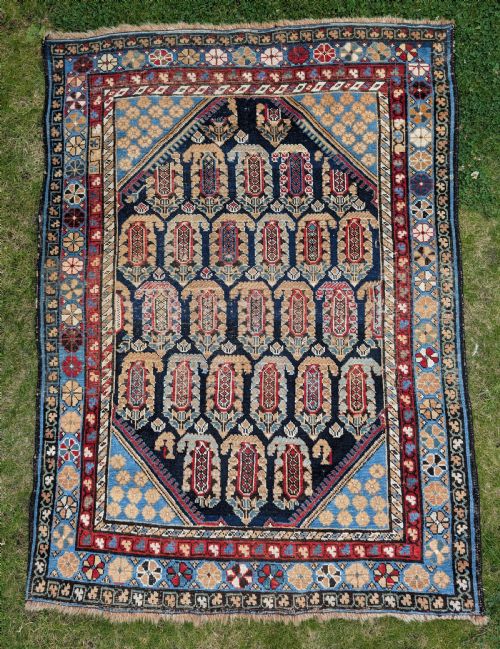
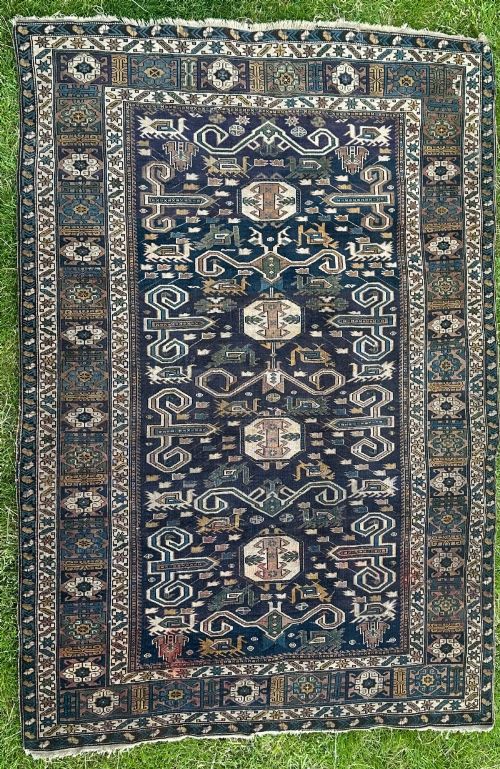
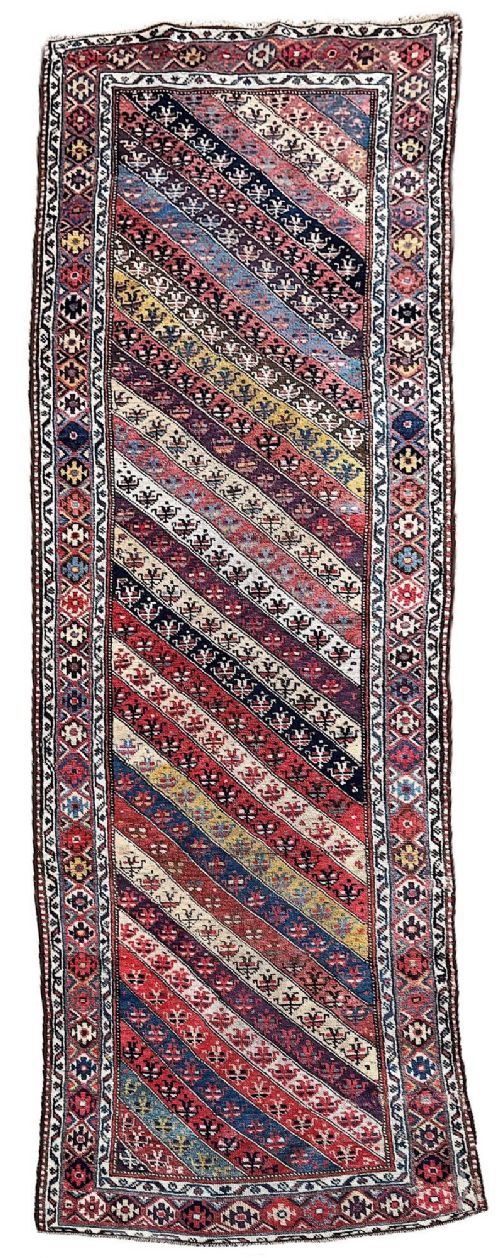
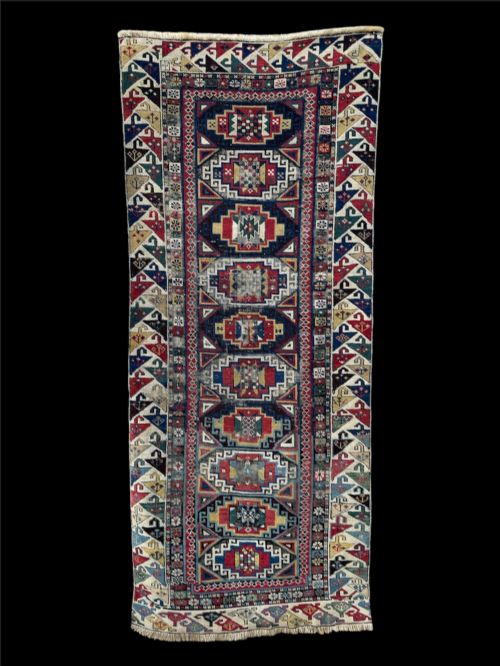
When you search for a vintage shirvan wool rug, you encounter woven textiles originating from the eastern Caucasus during the nineteenth and early twentieth centuries. These pieces encompass various formats including runners, area formats, prayer rugs, and flatwoven kilims.
The specimens on this page typically span from the Victorian era up to the 1920s, reflecting traditional Caucasian tribal designs. Buyers frequently select these floor coverings for their distinctive geometric patterns, rectilinear medallions, and historical significance.
Originating specifically from the Shirvan region and surrounding Caucasian districts, each item demonstrates regional weaving traditions established generations ago. You will discover examples bearing specific design motifs such as bird patterns, prayer niches, and banded layouts.
How they were made
Weavers utilised wool and hand-spun wool for the foundational piles and structural foundations of these textiles. Cotton also appears in certain structural elements, providing stability to the woven format.
Makers applied natural dyes to colour the wool, creating the soft tones and varied palettes visible across the pieces. These organic colorants interact with hand-spun fibres to produce the subtle shifts in shade observed over time.
Certain Shirvan weavers hid tiny zoomorphic creatures and stray avian figures inside rigid geometric borders just to amuse observant buyers.
What varies in quality
The refinement of the weave separates standard examples from superior specimens. Tightly packed knots and precise geometric execution demonstrate greater technical mastery by the original weaver.
The integrity of the natural dyes and the clarity of the design motifs dictate the visual impact of each textile. Examples retaining harmonious colour palettes and balanced proportions represent the higher end of the range.
The Vintage Shirvan Wool Rug Glossary
- Shirvan
- A weaving region situated in the eastern Caucasus known for producing distinctive geometric rugs and flatweaves. Items from this area often feature crisp rectilinear patterns and balanced borders.
- Kilim
- A flatwoven textile produced without a pile, created by tightly interweaving warp and weft threads. These pieces offer a lighter weight and distinct geometric surface designs.
- Prayer rug
- A specialised format featuring a mihrab or niche design used historically for devotional purposes. Collectors value these for their directional iconography and symbolic motifs.
- Runner
- A long, narrow carpet format designed originally for corridors or hallways. They display repeated central medallions or continuous geometric patterns down their length.
- Natural dyes
- Organic colorants derived from plants, insects, and minerals used traditionally before synthetic alternatives became widespread. They yield harmonious hues that age gracefully.
Vintage Shirvan Wool Rug: Frequently Asked Questions
How do I clean a wool rug?
Professional specialist cleaning is recommended to preserve the natural wool fibres and organic dyes.
Regular gentle vacuuming without a rotating brush helps remove surface dust safely.
Where were these textiles made?
These pieces originate from the eastern Caucasus, specifically the Shirvan region and nearby weaving centres.
Local tribal traditions heavily influenced the specific motifs and structural techniques employed.
Can I place these on heated floors?
Natural wool handles ambient warmth adequately, provided excessive heat does not dry out the fibres.
Utilising a breathable underlay helps maintain proper air circulation beneath the textile.
What is a prayer niche?
A prayer niche represents an architectural archway depicted graphically within the textile design.
This motif points toward Mecca during devotional use and anchors the composition of the rug.