
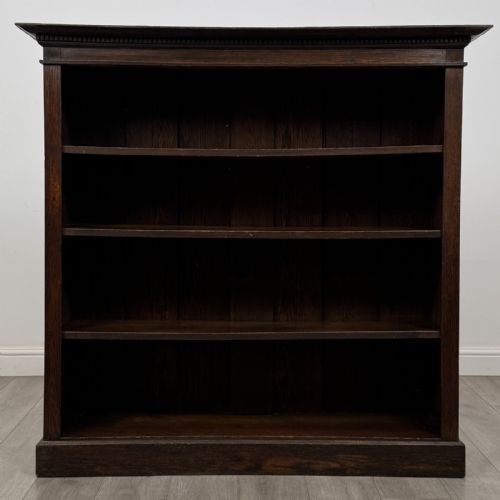
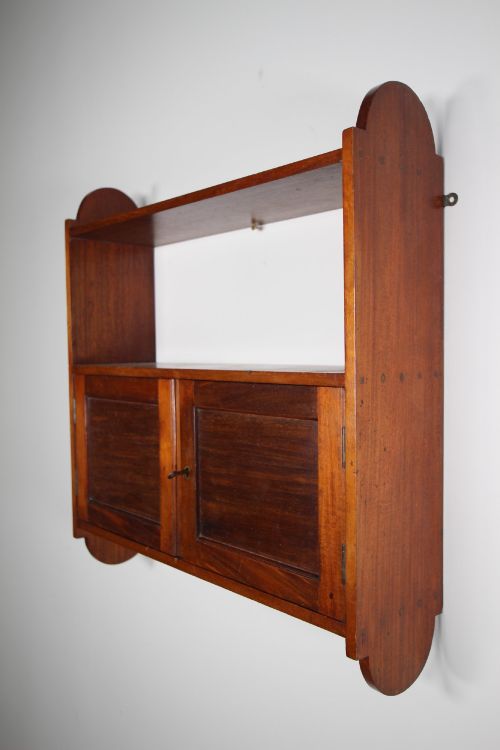
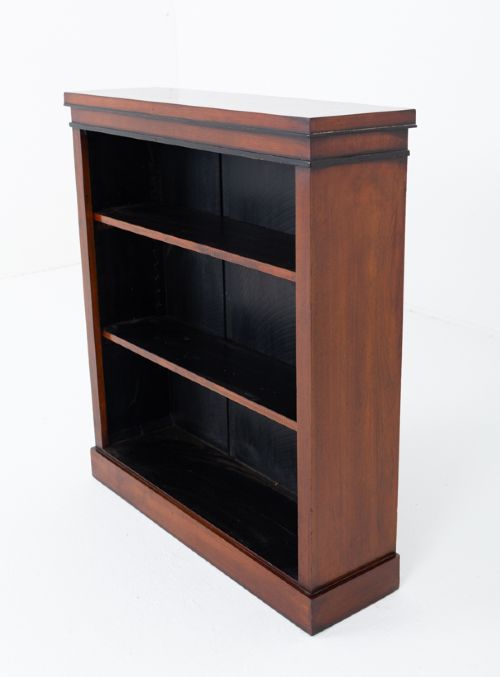
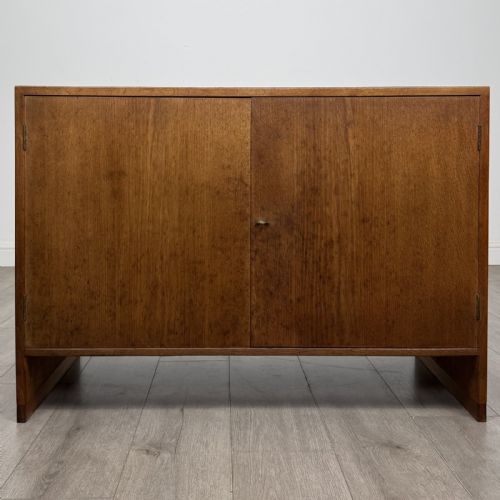
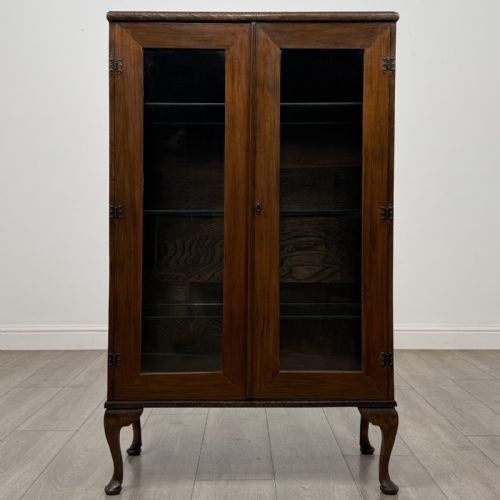
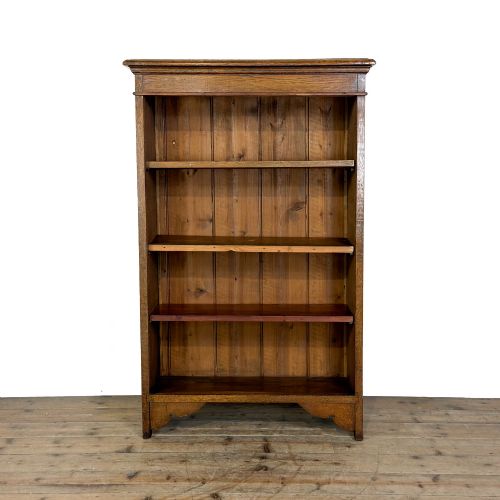
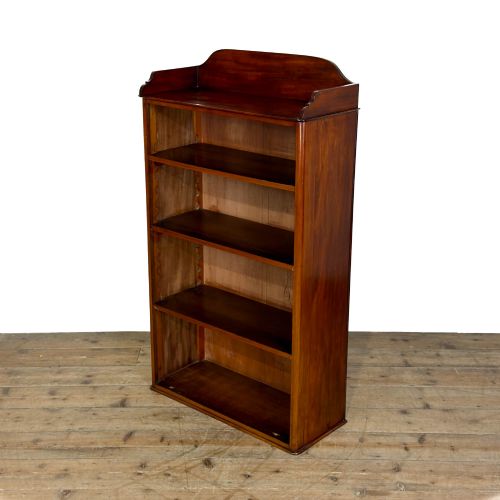
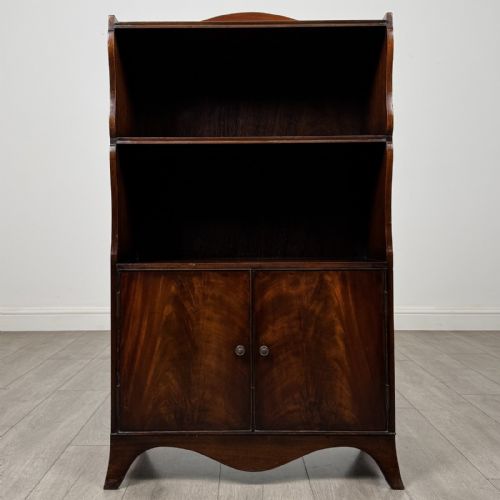
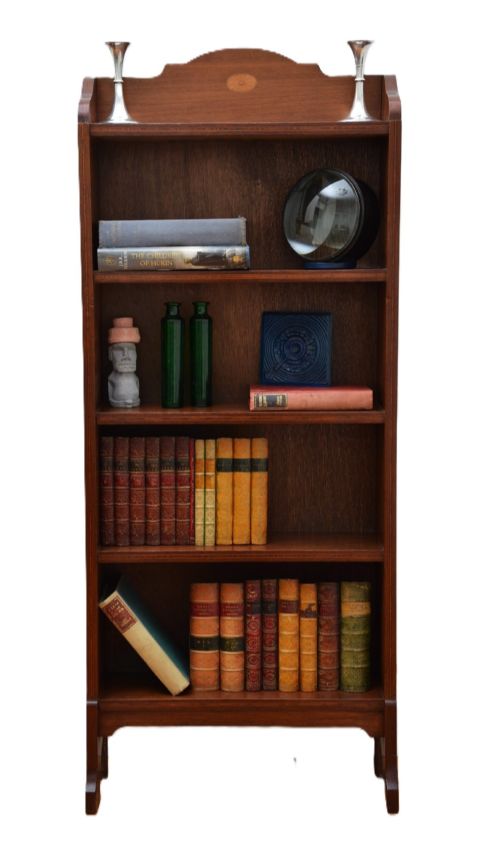
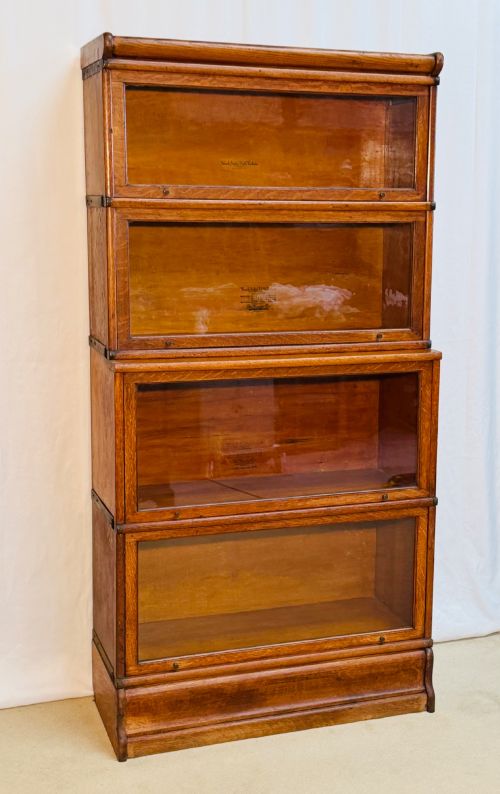
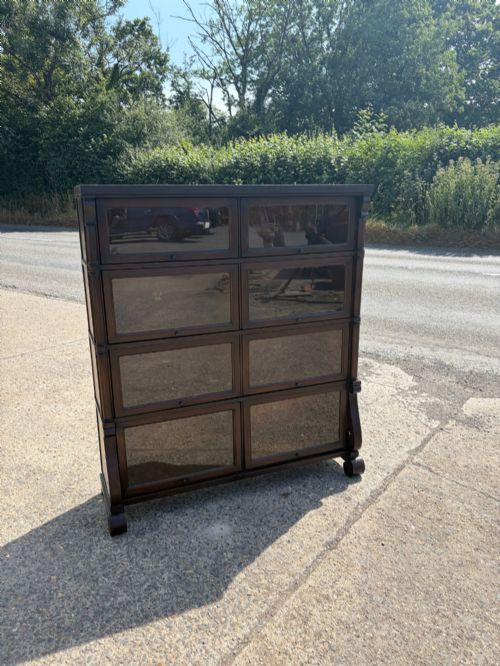
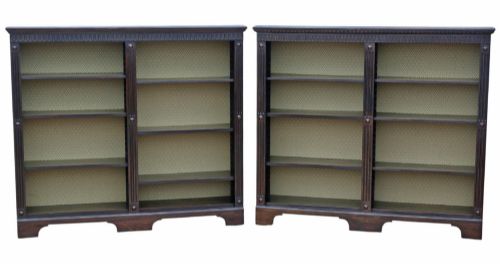
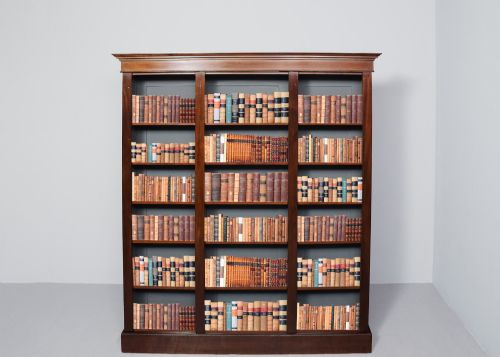
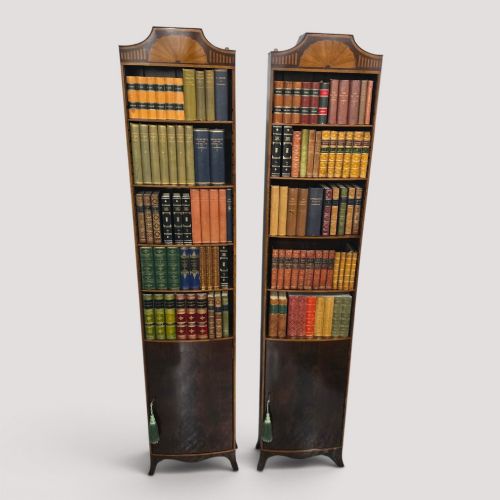
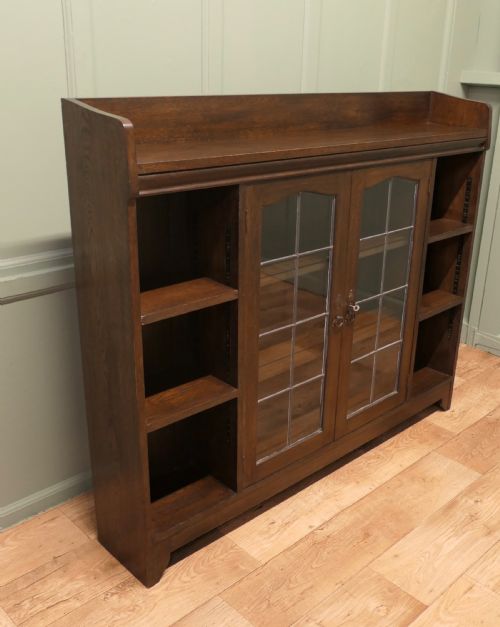
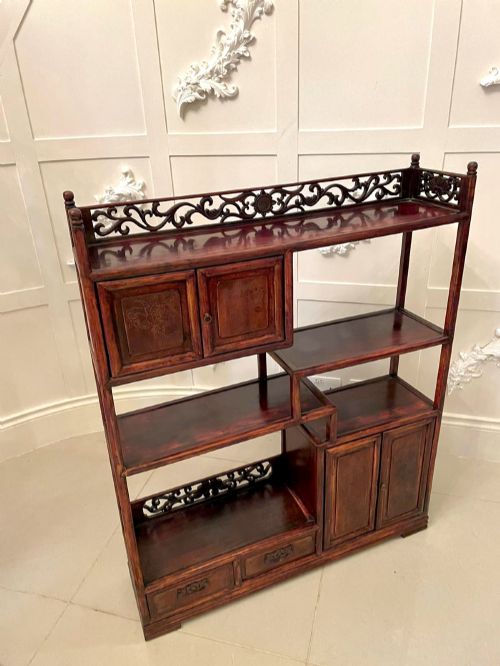
Vintage Shelving Cabinet
These vintage shelving cabinet pieces combine practical storage with period display, offering character and utility for any room.
Vintage Shelving Cabinet
When you search for a vintage shelving cabinet, you encounter a diverse range of furniture designed for display and storage. The selections span multiple periods, including the Victorian and Edwardian eras, alongside pieces from the nineteenth and twentieth centuries.
The forms vary considerably across the inventory. Bookcases, display cabinets, dressers, wall shelves, and corner shelves all fall under this heading, constructed from woods like oak, mahogany, and walnut.
You are most likely to meet practical open bookcases and glazed display units from the Edwardian and Victorian periods. These pieces serve immediate organisational needs while retaining traditional aesthetic qualities.
Materials and construction methods
Cabinet makers utilised a variety of solid timbers and veneers to build these storage pieces. Oak and mahogany dominate the selection, often complemented by walnut, pine, and exotic hardwoods.
Surface finishes include natural grain polishes, dark wax applications, and painted surfaces. Brass fittings and glass panels appear frequently on glazed display cabinets and wall shelves.
The listings feature oak and mahogany predominantly, spanning the Georgian, Victorian, Edwardian, and Art Deco periods.
Assessing quality in period shelving
The distinction between standard items and finer examples lies in timber selection and joinery detail. Solid woods like tiger oak and figured walnut indicate superior material choice by the maker.
Proportion and decorative restraint separate well-designed items from utilitarian furniture. Pieces with integrated cornices, beaded edges, or fine glazing demonstrate greater craftsmanship.
Heals
The Vintage Shelving Cabinet Glossary
- Waterfall bookcase
- A set of open shelves that steps back progressively from bottom to top, creating a cascading profile. These items date predominantly from the Regency and Edwardian periods.
- Welsh dresser
- A traditional combination of lower cupboards and upper display shelves used for storing kitchenware or books. They appear frequently in solid oak and pine.
- Barristers stacking bookcase
- A modular shelving unit featuring glazed doors that lift and slide into the cabinet above each shelf. This design gained popularity in the early twentieth century.
- Étagère
- A set of open shelves for displaying small ornaments or books, often wall-mounted or freestanding. French revival examples introduce decorative painted and gilt finishes.
- Chiffonier
- A low cabinet or sideboard equipped with shelving or a small superstructure on top. These pieces serve as compact storage units in reception rooms.
Vintage Shelving Cabinet: Frequently Asked Questions
What is a vintage shelving cabinet?
A vintage shelving cabinet is a piece of furniture designed for storing and displaying books or decorative items, originating from periods like the Victorian and Edwardian eras.
These items range from open bookcases and corner cabinets to glazed display units and Welsh dressers constructed in wood.
How do I date an oak bookcase?
Dating an oak bookcase involves examining the construction methods, timber figure, and stylistic details such as beaded edges or carved motifs. Victorian and Edwardian examples often feature solid tiger oak or golden oak.
Cabinet makers of the nineteenth century utilised different joint techniques compared to twentieth-century producers, helping to narrow the manufacturing period.
Where should I place a wall shelf?
Wall shelves and small display racks suit spaces where floor area is limited, such as kitchens, hallways, or smaller reception rooms. Pine and mahogany wall units provide accessible storage for books or kitchenware.
Ensure the wall construction supports the weight of solid timber shelving before mounting.
How do I care for mahogany furniture?
Mahogany shelving benefits from regular dusting with a dry, soft cloth to prevent particle accumulation on polished surfaces. Avoid placing wooden furniture in direct sunlight or near heat sources.
Applying appropriate wax polishes periodically maintains the lustre of the timber without building up heavy residues.