
Vintage Sheffield Silver
Vintage sheffield silver brings lasting weight to a room through centuries of refined metalwork.
Vintage Sheffield Silver
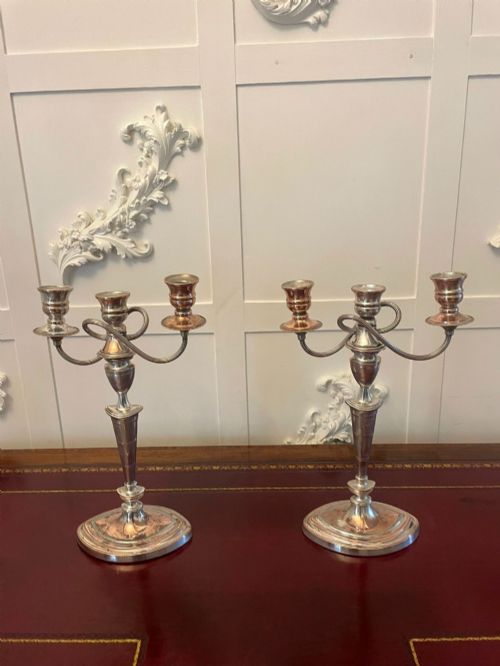
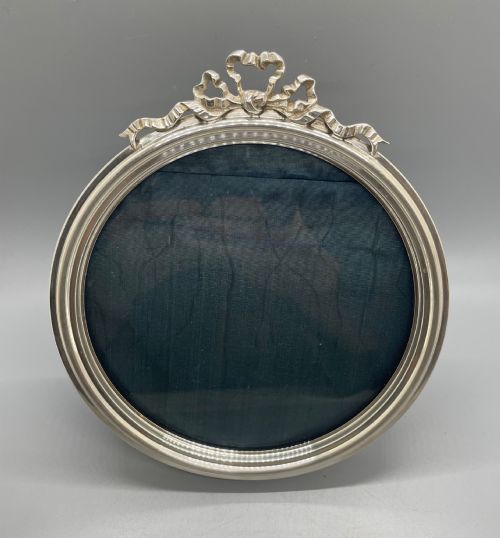
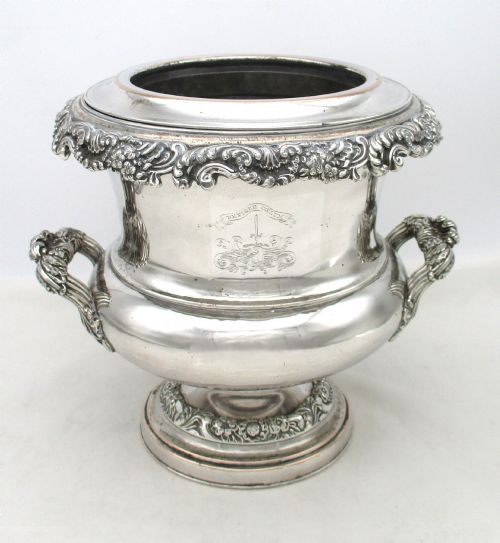
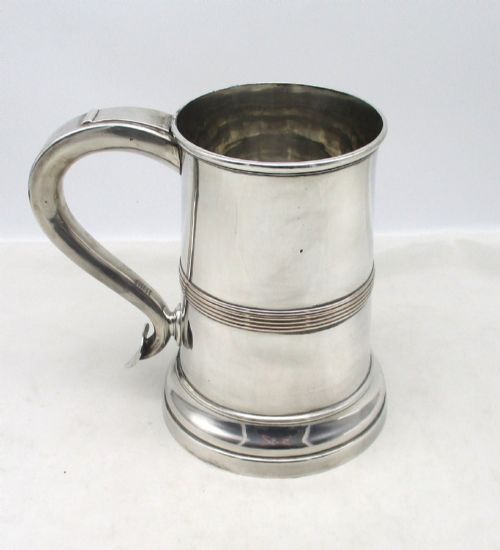
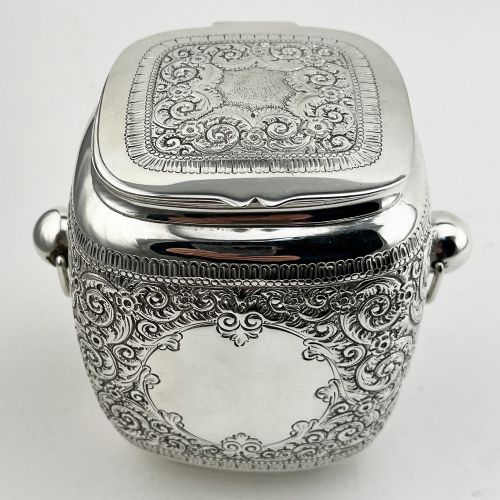
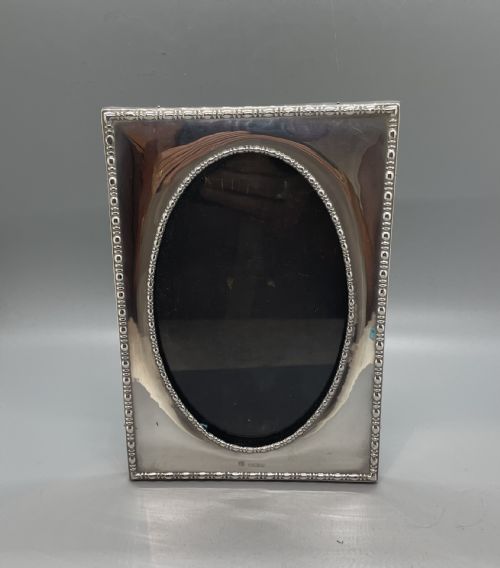
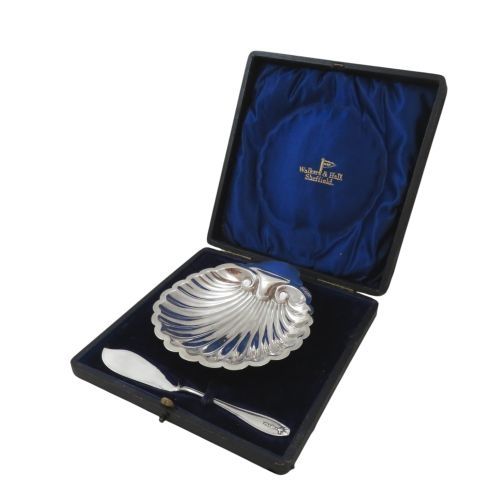
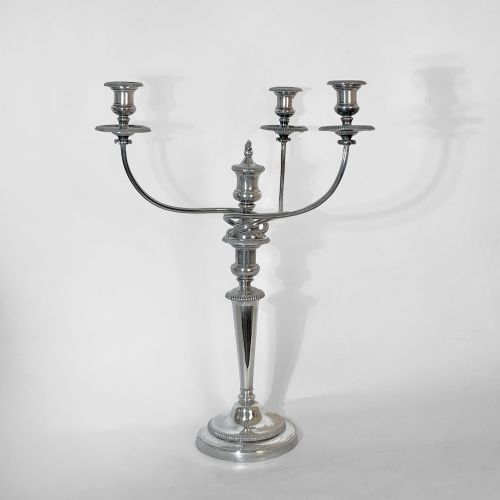
When buyers search for vintage sheffield silver, they encounter a diverse range of domestic objects that span several centuries of design. These pieces include sturdy tankards, elaborate wine coolers, practical candlesticks, and substantial tea urns originating from different British eras.
The items found within this category frequently display Georgian, Victorian, and Edwardian aesthetic influences. A high proportion of the pieces rely on traditional plating methods or solid sterling silver stamped with local hallmarking.
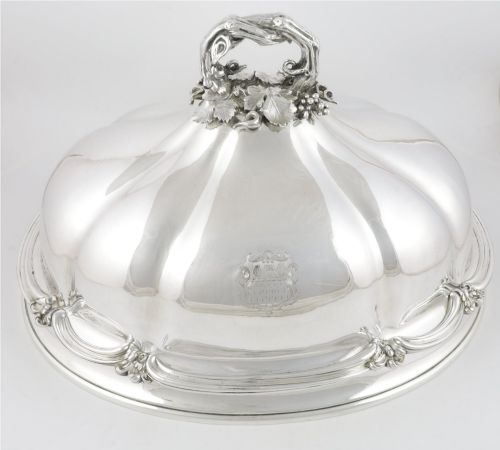
Form and function intersect directly in these objects, whether through telescopic candlesticks designed for dining tables or lidded meat domes meant for formal serving. Buyers routinely select these works to add period character and functional utility to domestic spaces.
Materials and construction methods
Makers utilised copper as a foundational base for early fused plate, applying a thin sheet of pure silver over the metal through heat and pressure. This technique, known as Old Sheffield Plate, often reveals faint traces of the copper base where edges wear over generations.
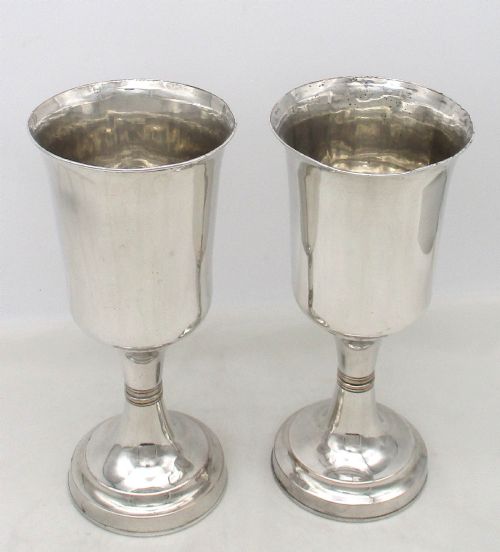
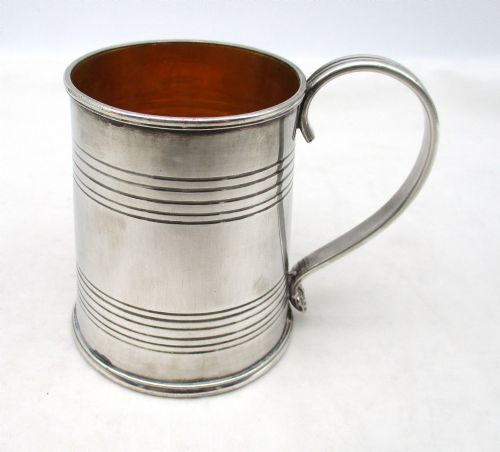
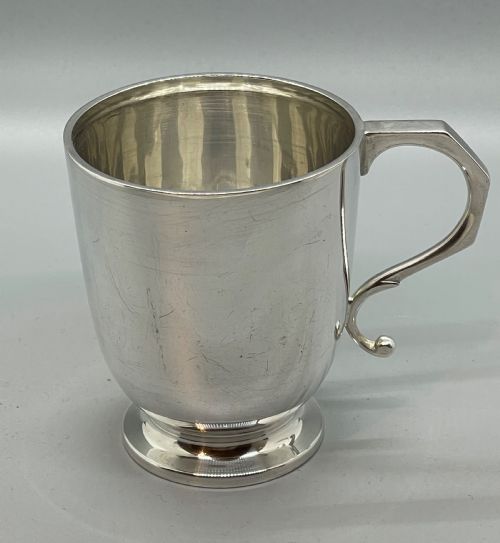
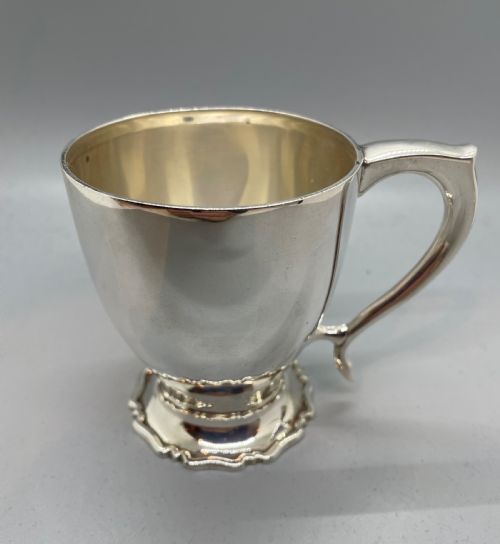
Later production shifted towards electroplating or utilised solid sterling silver cast in moulds and finished by hand. Workshops incorporated supplementary materials such as gold gilt interiors for drinking vessels and added enamel accents for decorative tableware.
Listings feature 19th Century, Georgian, Edwardian, and Art Deco periods alongside solid silver and Old Sheffield Plate materials.
Assessing quality in silverwork
Quality in these items rests upon the crispness of chased decoration, the weight of the underlying metal, and the integrity of applied crests or borders. Pieces finished with heavy cast mounts display sharper detail and superior durability compared to lighter pressed alternatives.
The preservation of the original silver layer significantly influences the character of plated items. Superior examples maintain balanced coverage without excessive base metal exposure through heavy cleaning.
Mappin And Webb·Walker And Hall·Roberts Cadman·Henry Wilkinson·Viners Of Sheffield·Martin Hall And Co
The Vintage Sheffield Silver Glossary
- Old Sheffield Plate
- A composite material formed by fusing a sheet of silver to a copper core before rolling them into sheets. This method preceded modern electroplating.
- Wine Cooler
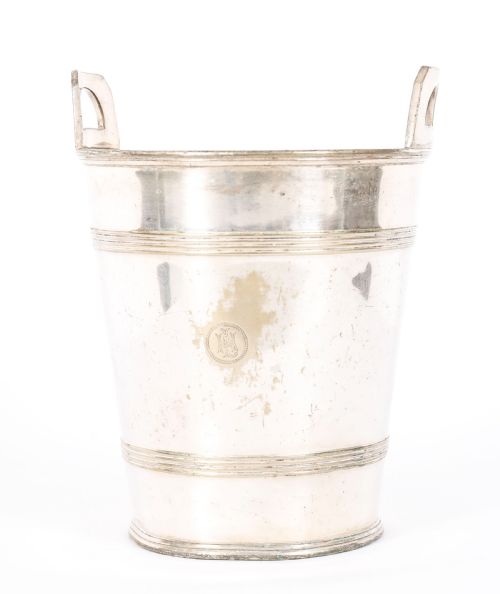
- A large vessel designed to chill bottles at the dining table, often featuring handles and cast decorative motifs. These pieces typically appear in matched pairs.
- Meat Dome
- A large domed cover used to keep joints of meat warm during transit from the kitchen to the dining table. They frequently incorporate engraved family crests.
- Hallmark
- An official stamp applied to precious metals indicating the standard of purity, the assay office, and the year of testing. Sheffield pieces carry the crown or rose symbol depending on the era.
- Candelabra
- A branched candlestick holding multiple lights on a single base. These often feature removable arms to convert into single candlesticks.
Vintage Sheffield Silver: Frequently Asked Questions
How do I clean tarnished silver?
Clean silver using a soft cloth and a specialised polish designed for precious metals to avoid scratching the surface.
Take care around engraved crests or thin plated areas where vigorous scrubbing might remove the silver layer entirely.
What is Old Sheffield Plate?
Old Sheffield Plate is an early technique where a thin sheet of silver was fused to a copper ingot using heat.
This method differs entirely from later electroplating because the silver and copper are mechanically bonded together before shaping.
How can I date my piece?
Dating relies heavily on stamped hallmarks, maker marks, and stylistic clues such as Regency curves or Art Deco geometries.
Comparing the form against documented historical periods provides a reliable window of production.
Were these items used daily?
Many of these objects served practical roles in wealthy households for dining, tea service, and hospitality.
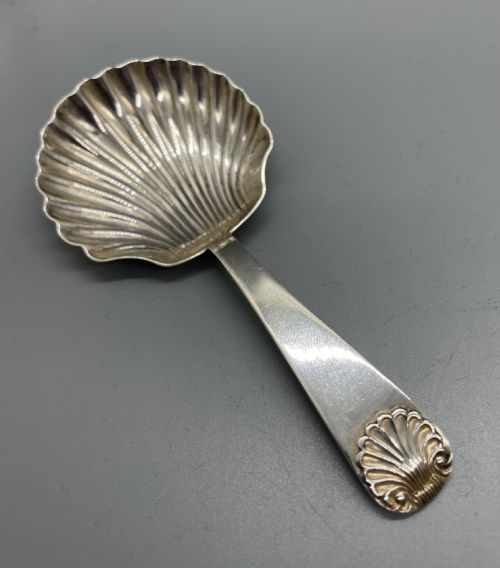
Items like tankards, caddy spoons, and toast racks saw regular use rather than resting purely as display pieces.