




Vintage Serving Cutlery
When you search for vintage serving cutlery, you uncover specialised utensils shaped for fish, grapes, salad and soup across the Georgian, Victorian and Edwardian eras.
Vintage Serving Cutlery
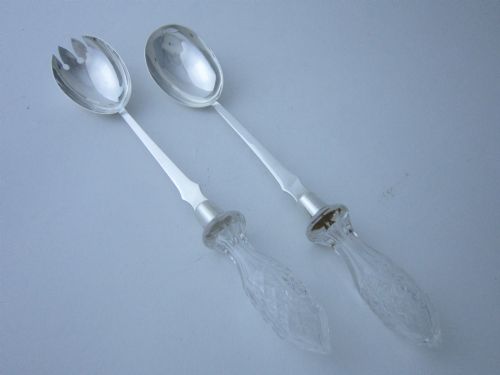
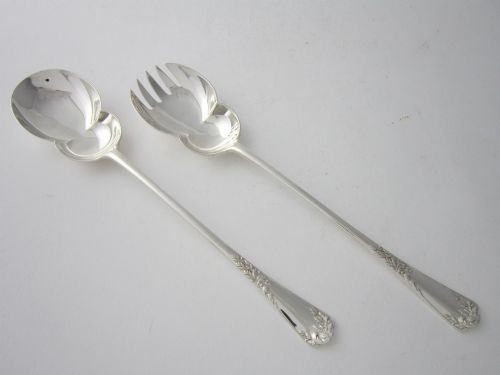
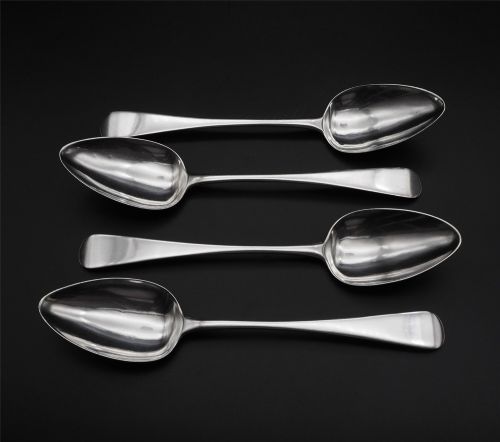
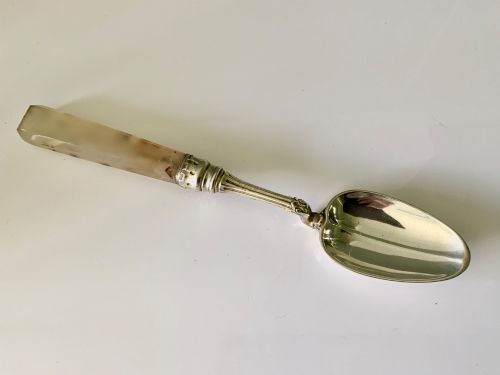
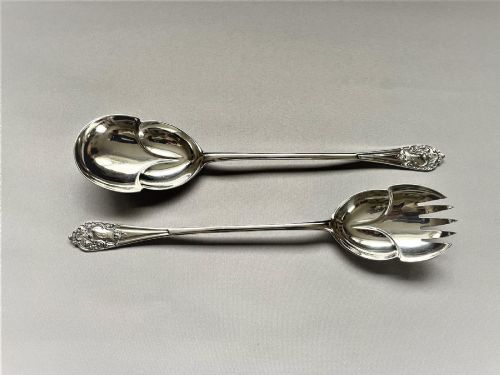
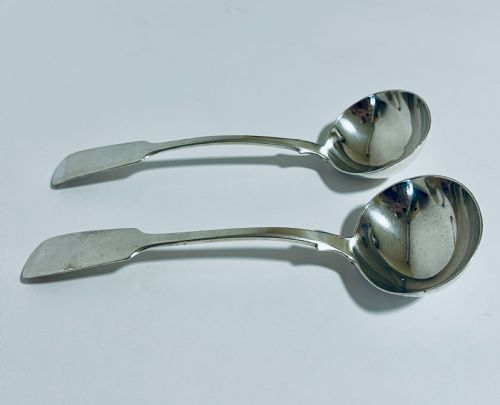
Vintage serving cutlery spans specific utensils designed for hosting meals, including salad servers, fish slices, grape shears, soup ladles and gravy spoons. These implements emerge most frequently from Victorian, Edwardian and Georgian periods, alongside pieces bearing Art Nouveau and Art Deco styling.
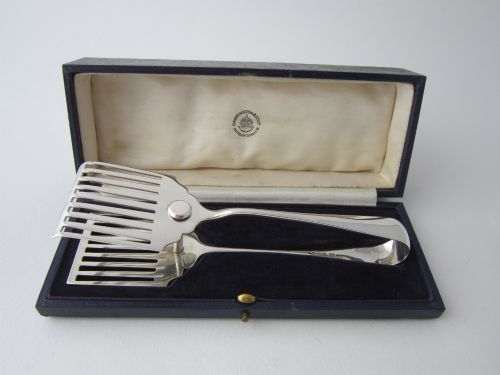
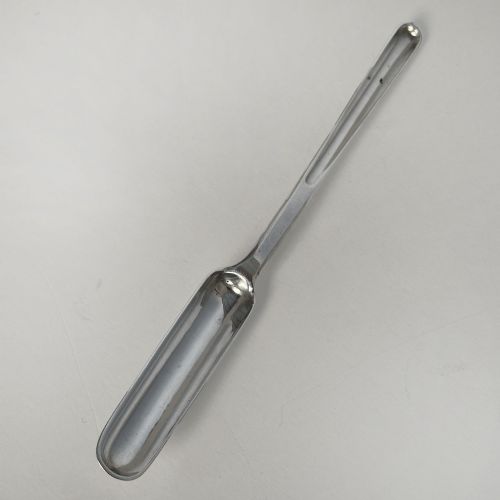
Buyers encountering this selection regularly meet silver plated and sterling silver sets, often accompanied by fitted presentation cases lined in silk or velvet. Specialised forms such as asparagus tongs, marrow scoops and bread forks appear alongside conventional serving spoons and forks.
Origin points range across English, Scottish, Dutch, Danish and French workshops, utilising regional styles from Neo-Renaissance to Regency. Formats vary from single serving items to complete boxed fruit sets complete with nutcrackers.
Differentiating quality in serving pieces
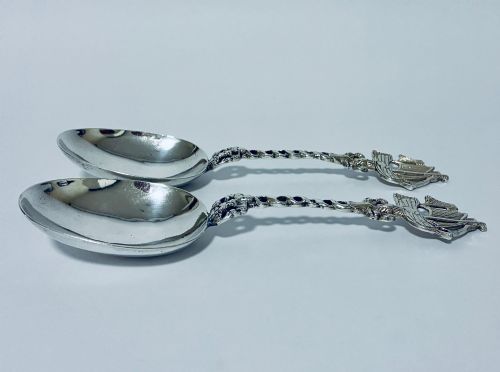
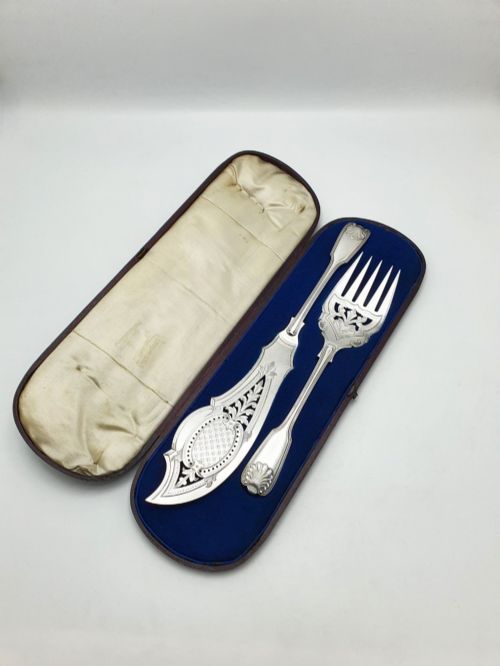
Quality rests upon the crispness of cast or engraved ornamentation on the silver surfaces, particularly on fish servers and grape shears where vine or hunting motifs appear. Heavier gauge silver provides a more substantial feel in the hand compared to lighter plated alternatives.
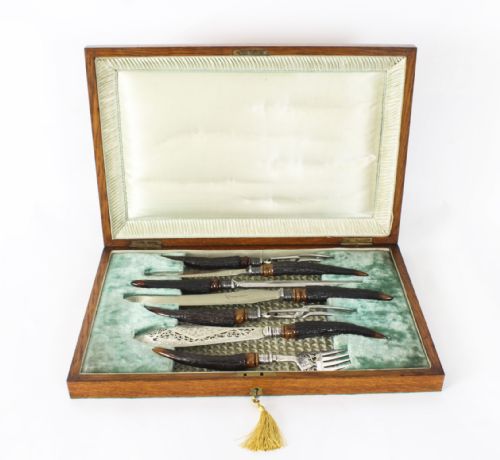
The integrity of fitted presentation boxes and the selection of handle materials like mother-of-pearl or antler horn elevate certain sets above standard production. Hallmarks denoting specific assay offices and makers add documented provenance to individual pieces.
Vintage Serving Cutlery Retail Price Guide 2026
Typical asking prices for vintage serving cutlery among the pieces listed under this phrase on Sellingantiques today, from the lower quarter to the upper quarter. They describe what is for sale here now, not the wider market.
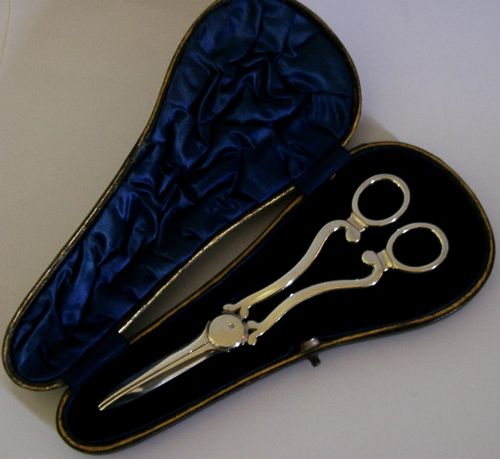
Grape shears ensure nobody has to wrestle a fruit bowl with their bare hands.
Jonathan Hayne·Creswick·William Devenport·Tiffany and Co·Georg Jensen·Hukin and Heath
The Vintage Serving Cutlery Glossary
- Sterling silver
- A silver alloy containing 92.5 percent pure silver and 7.5 percent other metals, typically copper, used for high-end dining implements.
- Silver plate
- A base metal layer coated with a thin layer of pure silver, common in Victorian and Edwardian serving sets.
- Bifurcate
- A utensil featuring a divided or two-pronged end, frequently seen on specific serving forks and fruit knives.
- Rat tail
- A strengthening tongue of metal extending from the handle down the reverse of a spoon bowl, characteristic of traditional cutlery design.
- Marquise or slice
- A broad, flat serving blade designed specifically for transferring portions of fish or pastries at the table.
Vintage Serving Cutlery: Frequently Asked Questions
What is the difference between fish servers and salad servers?
Fish servers comprise a wide pierced slice and a matching pronged fork designed to navigate delicate flakes without breaking them. Salad servers typically feature larger spoons and forks, occasionally incorporating wooden or glass components.
Fish implements often display engraved marine or hunting motifs, whilst salad utensils focus on bowl capacity for tossing and serving greens.
How do I care for silver plated serving cutlery?
Silver plated items require gentle hand washing in warm soapy water followed by immediate drying with a soft cloth. Avoid abrasive cleaners that can wear away the thin silver layer over time.
Store pieces in tarnish-resistant cloths or lined presentation boxes when not in use to protect the metal finish.
Can I use antique grape shears for daily dining?
Grape shears function primarily as ceremonial table implements for snipping small clusters of fruit from a larger bunch. Their delicate hinged scissor construction suits light fruit service rather than heavy kitchen tasks.
Proper handling preserves the tension in the pivot and protects the cast or engraved ornamentation on the handles.
How do I identify Victorian serving pieces?
Victorian items frequently exhibit heavy ornamentation, floral chasing, and elaborate engraving styles that reflect the aesthetic movements of the nineteenth century. Look for hallmarks stamped directly onto the metal that correspond to British assay offices active during that reign.
Many pieces from this period arrive in fitted wooden cases lined with silk or velvet, indicating their original status as gift sets.