
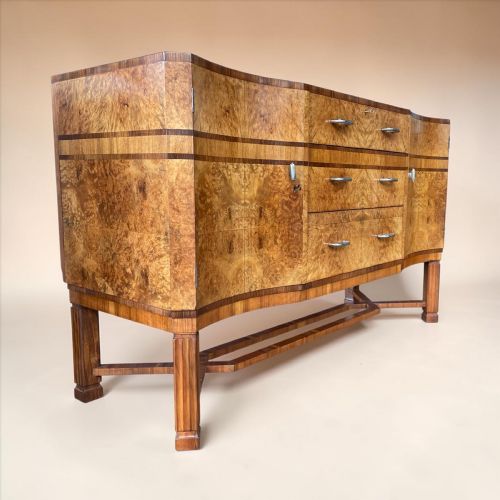
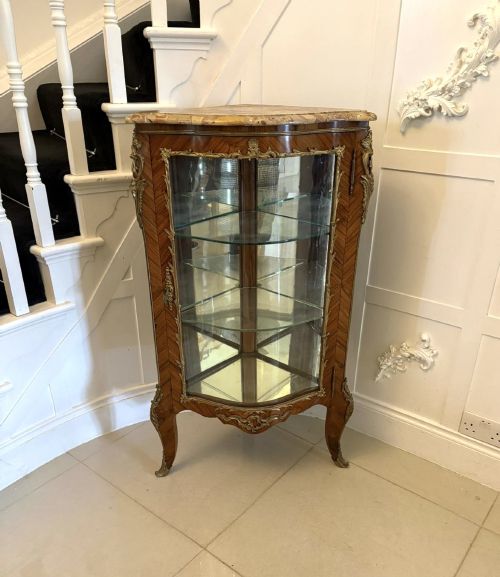
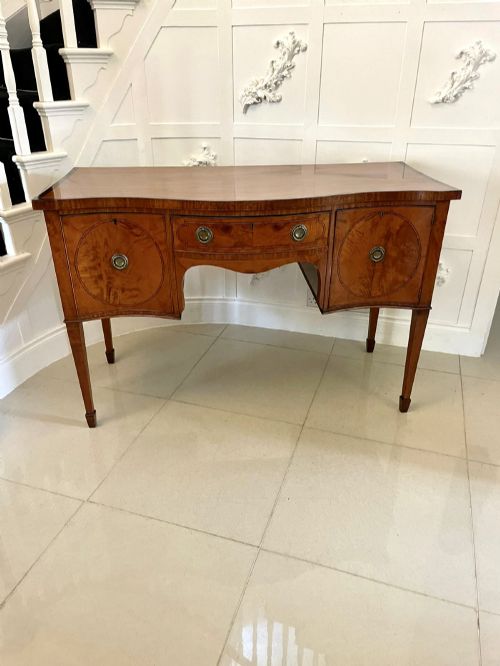
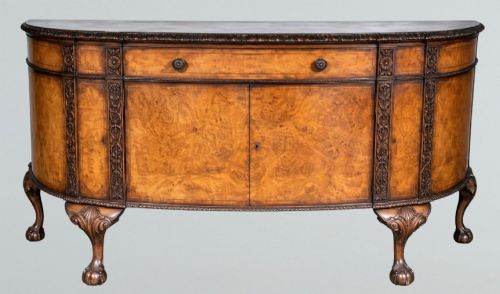
Vintage Serpentine Cabinet
A vintage serpentine cabinet brings fluid, curved lines and rich timber into a room, offering practical storage alongside distinctive period character.
Vintage Serpentine Cabinet
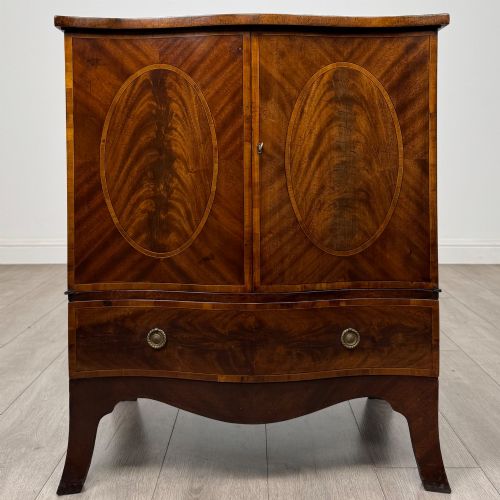
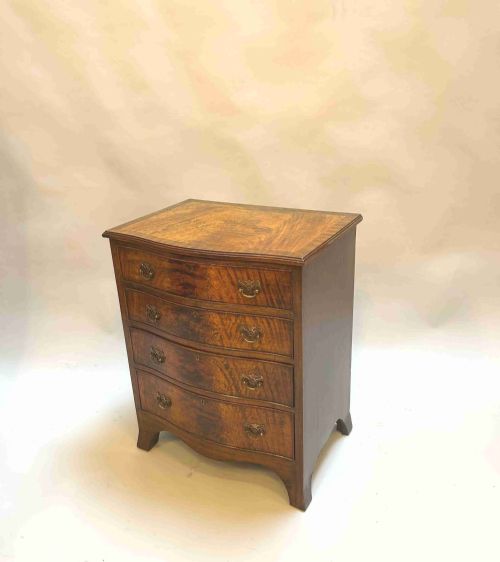
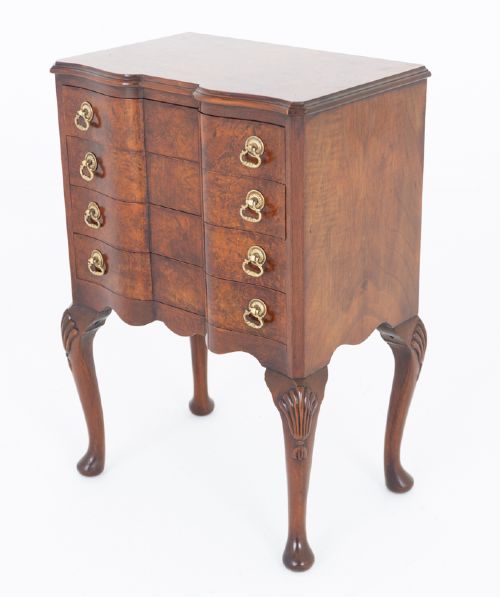
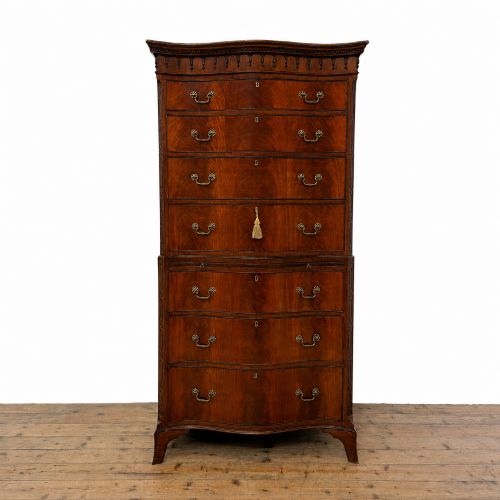
A vintage serpentine cabinet encompasses a range of case furniture defined by a convex centre flanked by concave ends, creating a flowing silhouette. The selections span from the eighteenth century through Victorian, Edwardian, and twentieth-century revival periods.
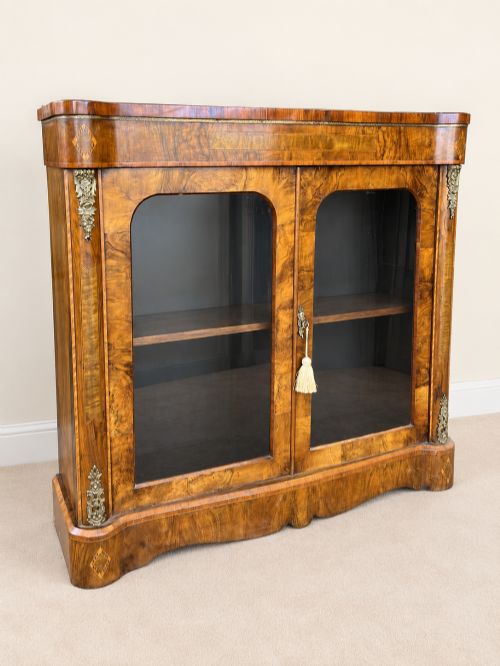
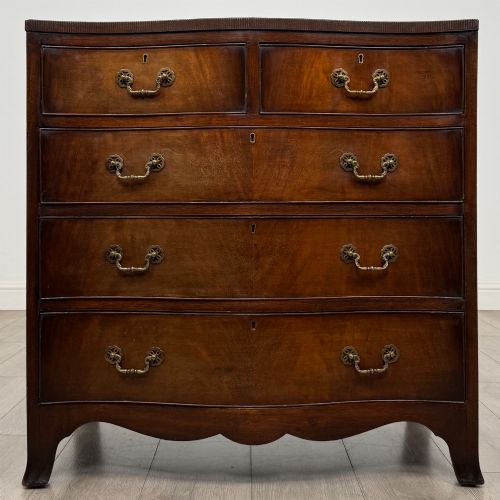
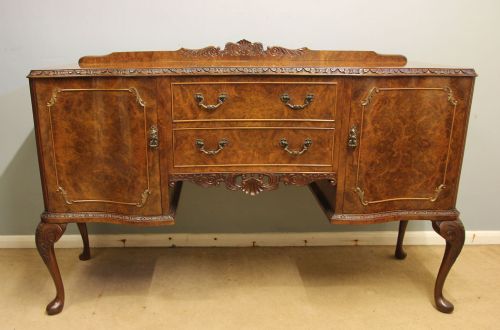
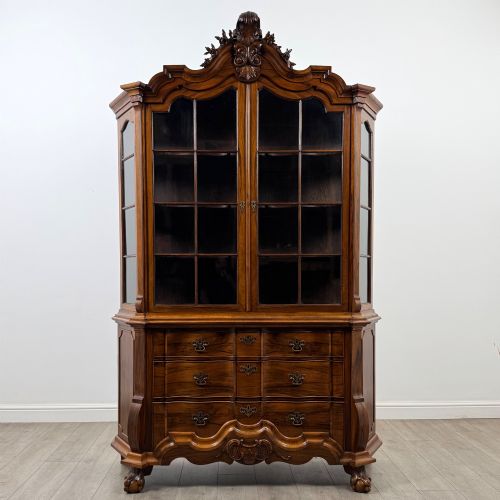
Buyers encounter diverse forms matching this description, including display cabinets, bedside tables, sideboards, and chests of drawers. Mahogany and walnut dominate the offerings, frequently enhanced by contrasting veneers.
Revival styles from the Georgian and Louis XV eras appear regularly alongside pieces bearing the direct hallmarks of nineteenth-century craftsmanship. These items serve functional storage needs while introducing strong architectural interest to interiors.
Materials and construction methods
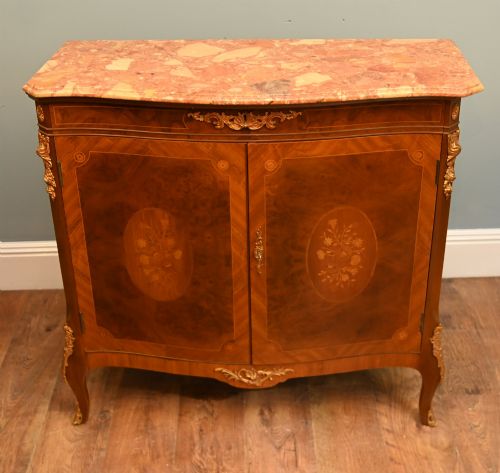
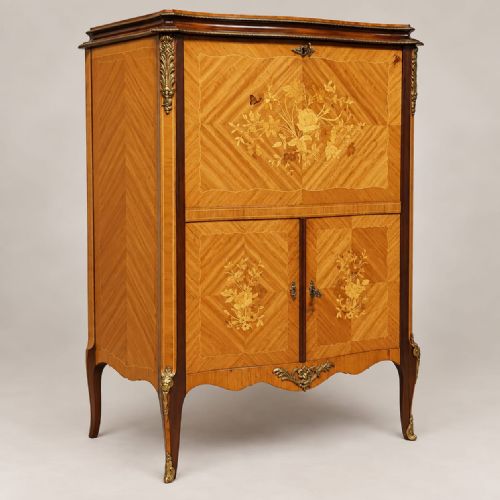
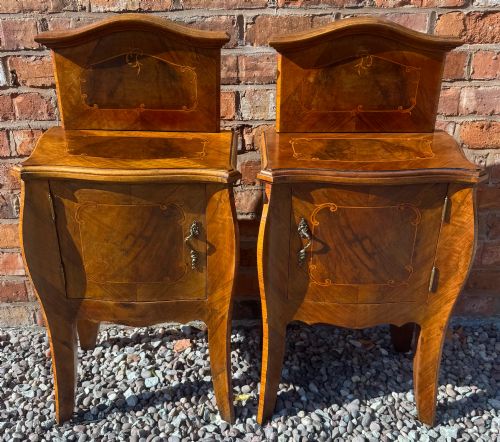
Cabinet makers utilised dense hardwoods such as mahogany and walnut as the primary structural timbers, often applying burr walnut or kingwood veneers to achieve highly figured surfaces. Marquetry inlay work frequently decorates the primary panels of French and English examples alike.
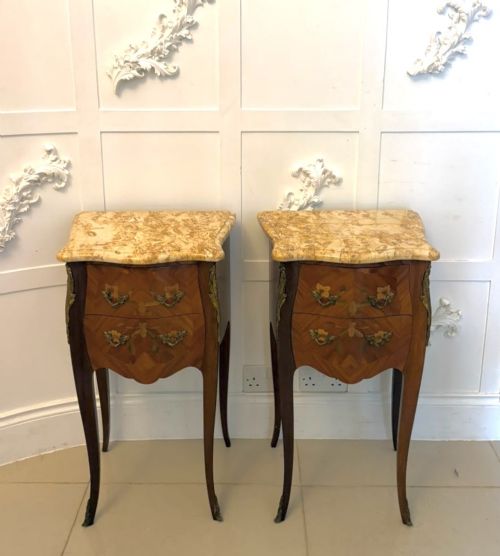
Marble tops appear alongside gilt bronze and ormolu mounts on continental pieces, particularly commodes and bedside cabinets from the nineteenth century. Brass hardware functions as handles and key escutcheons across the surviving inventory.
Listings span from the eighteenth century to the 1930s, featuring walnut, mahogany, marble, and ormolu across various sideboards and display cabinets.
Factors determining quality
The precision of the curved drawer fronts and the alignment of the timber grain dictate the upper tiers of craftsmanship. Superior pieces exhibit seamless continuity in veneering across the sweeping contours of the serpentine shape.
The integration of secondary materials such as matched marble slabs, fire-gilded ormolu mounts, and intricate marquetry distinguishes exhibition pieces from standard utilitarian storage. Construction integrity in the drawer framing and joint work separates workshops of higher repute.
Waring s Gillows
The Vintage Serpentine Cabinet Glossary
- Serpentine
- A cabinet front featuring a convex central section flanked by two concave curves. This contour requires specialised woodworking skill to shape accurately.
- Ormolu
- Gilt bronze mounts applied to furniture for decorative effect. It appears frequently on French revival commodes and display pieces.
- Marquetry
- Decorative patterns created by fitting small pieces of veneer into a backing panel. Cabinet makers utilise various fruitwoods and exotic timbers for this work.
- Credenza
- A low dining room sideboard or cabinet for displaying objects. Many examples feature glass doors or central cupboards flanked by curved ends.
Vintage Serpentine Cabinet: Frequently Asked Questions
Where should I place a serpentine cabinet?
These cabinets suit hallways, living rooms, and bedrooms where their curved profile softens rigid wall lines. Their modest depth relative to storage capacity makes them useful in narrower reception spaces.
Position them away from direct heat sources to protect historic wood veneers and polished surfaces from drying out or cracking over time.
How do I care for marble top cabinets?
Wipe marble surfaces with a soft damp cloth and neutral soap, avoiding acidic cleaning products that etch the stone. Use coasters under glasses and plates to prevent liquid marks.
Apply a microcrystalline wax periodically to protect the polished finish from staining and minor surface wear.
Are these cabinets practical for daily storage?
Most pieces provide substantial internal capacity through drawers, cupboards, or shelving behind fitted doors. The curved fronts mean internal compartments may have specific dimensions compared to rectangular furniture.
Check the internal depth and door clearance of individual items to ensure they accommodate your specific storage requirements.
How do I distinguish revival periods from older pieces?
Examine the secondary timbers inside drawers and the backing boards for tool marks and ageing characteristics consistent with the stated era. Revival pieces from the Edwardian and Georgian revival periods often utilise machine-sawn timber and standardised hardware.
Consult the construction joints, as hand-cut dovetails typically indicate eighteenth or early nineteenth-century origins rather than later twentieth-century production.