


Vintage Seating Pair
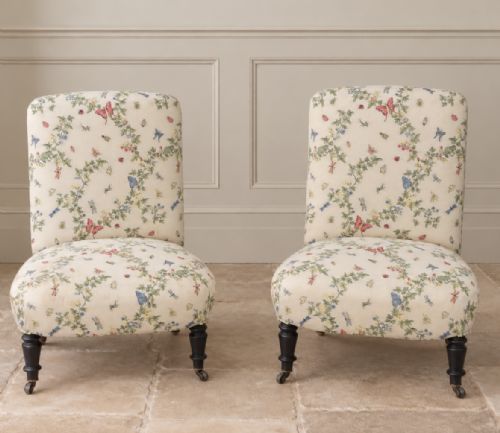
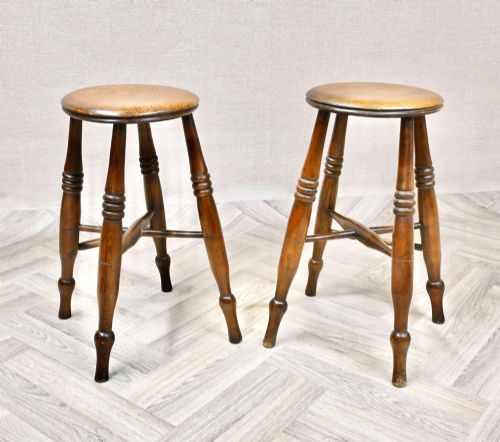
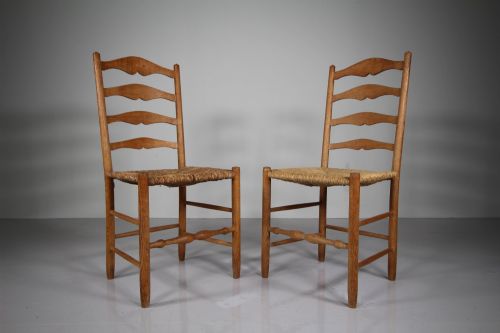
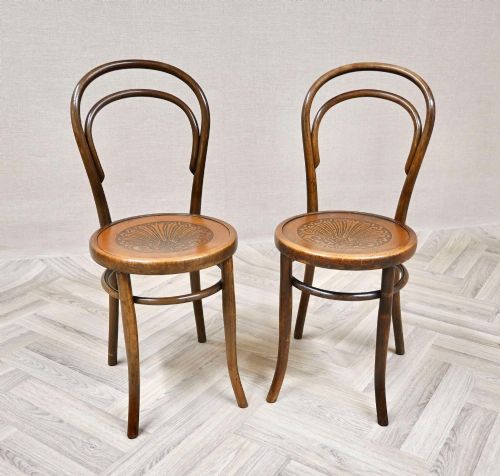
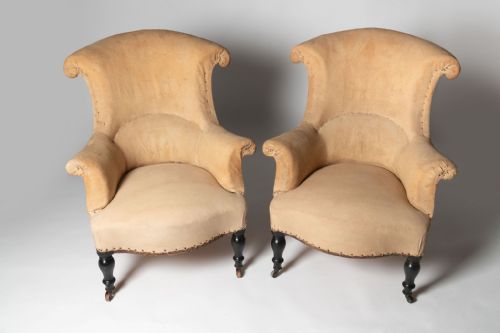
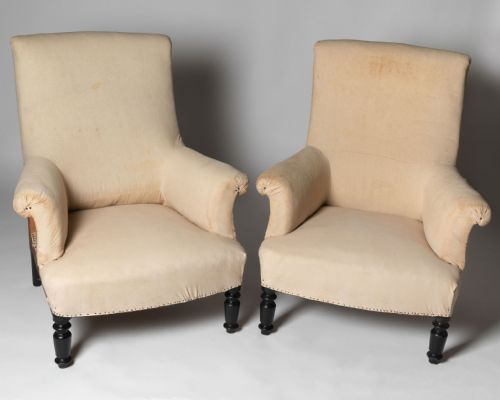
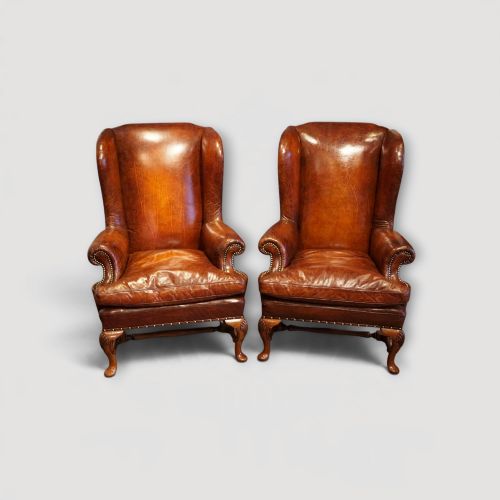
These vintage seating pair selections bring matching character to a room through dual forms ranging from industrial iron stools to French club chairs.
Vintage Seating Pair
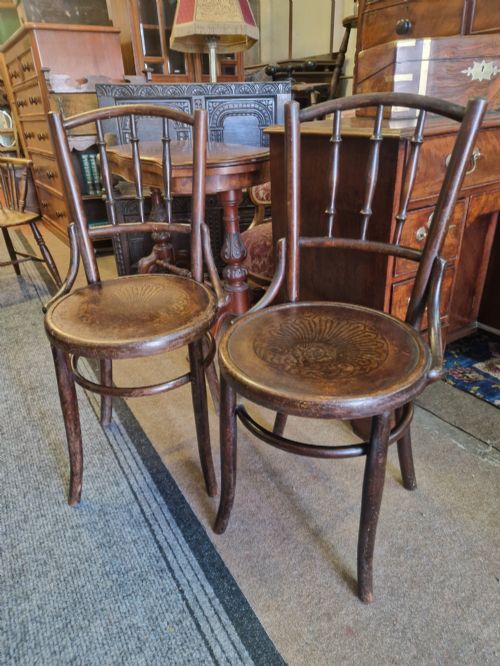
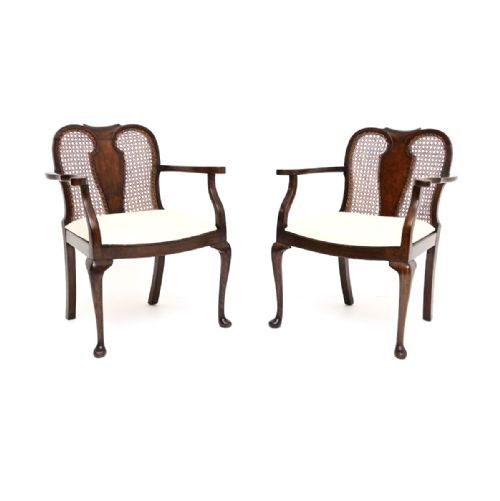
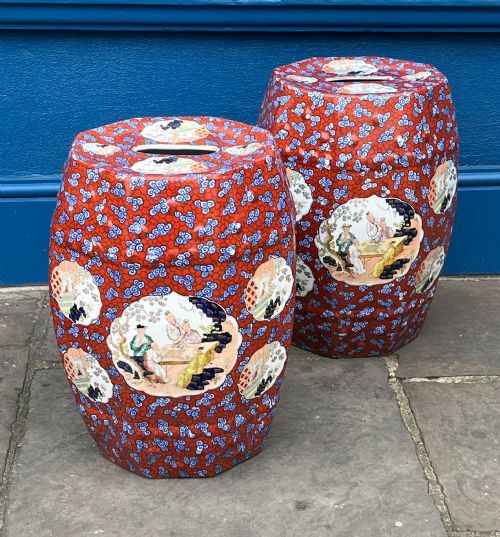
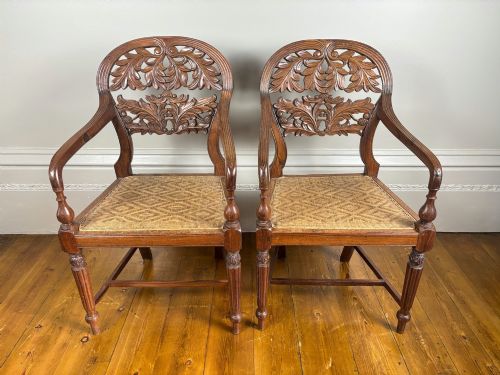
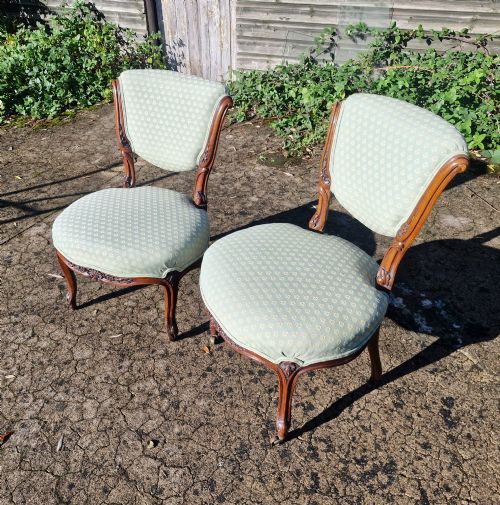
A vintage seating pair unites two matching chairs, benches or stools designed to function together within a domestic or commercial interior. Buyers seeking this phrase encounter formats spanning formal armchairs, dining chairs, bar stools, and garden benches from various historical periods.
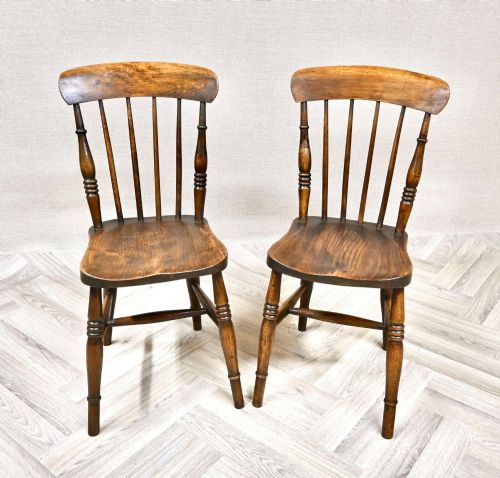
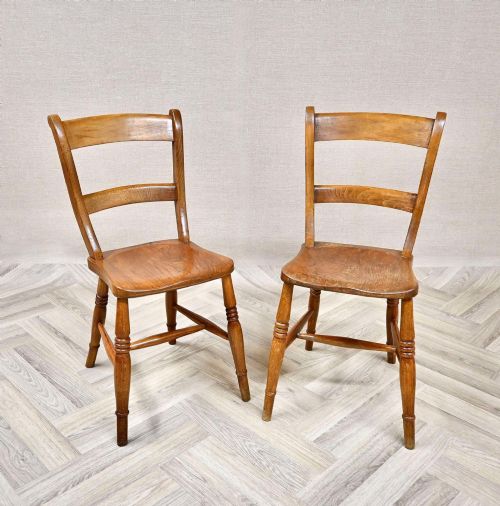
The selection on this page draws heavily from early twentieth-century designs, including Art Deco club chairs and Swedish satin birch seating, alongside nineteenth-century oak hall chairs and rustic country benches. Forms range from heavy industrial cast-iron seating to upholstered French bergere tub chairs and Windsor kitchen chairs.
How They Were Made
Construction relies on traditional timber framing using woods such as oak, elm, laburnum, walnut, beech, and satin birch, often shaped into sturdy joints for daily use. Metal elements incorporate cast iron and brass, utilised in heavy industrial bases, gear cogs, and intricate garden bench frames.
Upholstery and surface treatments feature leather, fabric, cane, split cane, and tapestry, alongside original paint finishes and parcel gilt detailing. Artisans employed carving, cane-weaving, and metal-founding techniques to build lasting structural forms.
Vintage Seating Pair Retail Price Guide 2026
Typical asking prices for vintage seating pair among the pieces listed under this phrase on Sellingantiques today, from the lower quarter to the upper quarter. They describe what is for sale here now, not the wider market.
Listings feature seating from the eighteenth century up through the mid-twentieth century, utilising oak, elm, satin birch, leather, and cast iron.
What Varies in Quality
Quality diverges in the integrity of the primary framework, where dense hardwoods and heavy cast-iron components maintain structural stability better than softer timbers. The retention of original surfaces, such as early paintwork, patinated leather, or intact cane work, distinguishes superior examples from heavily altered pieces.
Execution of detail defines the finer tiers, visible in crisp wood carvings, precise joinery, and matching grain patterns across both items in a set. The balance between preserved historical character and structural soundness determines the standing of each pair.
Maurice Adams·Whytock and Reid·Falkirk Carron Foundry·Blackstone and Co
The Vintage Seating Pair Glossary
- Bergere
- An enclosed upholstered armchair with wooden framing, typically featuring cane panels to the back and sides. This French seating form often includes a loose seat cushion.
- Club chair
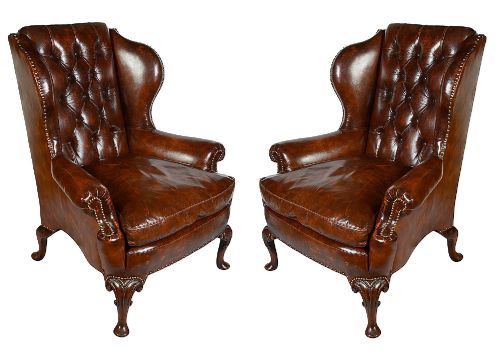
- A deep, comfortable armchair upholstered in leather or heavy fabric, originating in twentieth-century clubs and salons. French variants from the interwar period are particularly sought after.
- Windsor chair
- A wooden chair constructed with a solid elm or timber seat into which the legs and back spindles are directly inserted. Regional variants include wheelback and kitchen utility designs.
- Hall chair
- A rigid wooden seat traditionally placed in entrance halls or corridors for brief usage, often featuring carved or painted family crests and solid timber construction.
- Cane
- Strips of rattan woven into open mesh patterns for chair backs and seats. Split cane provides a lighter alternative to solid upholstery.
Vintage Seating Pair: Frequently Asked Questions
How do I match a vintage seating pair with modern furniture?
Mixing period seating with contemporary pieces relies on balancing wood tones and metal finishes within the space. A pair of industrial iron stools or Art Deco armchairs acts as a focal point against neutral modern surroundings.
Matching the scale of the chairs to existing tables or room dimensions ensures the seating integrates harmoniously without overwhelming the layout.
How should I care for leather and wood vintage chairs?
Wooden frames benefit from regular dusting and occasional treatment with appropriate waxes to nourish the timber and prevent drying. Leather upholstery requires specialised balms to maintain flexibility and protect the surface from cracking over time.
Keeping such seating away from direct heat sources and strong sunlight preserves both the structural materials and original finishes.
What is the difference between an armchair and a club chair?
Standard armchairs incorporate wooden or upholstered armrests within a structured, often upright frame suited for dining or reception rooms. Club chairs prioritize deep, low seating proportions wrapped in thick leather or heavy fabric for relaxed lounging.
Club chairs emerged as robust, comfortable seating forms, whereas traditional armchairs often reflect formal stylistic periods like Regency or Victorian.
Can garden benches be used indoors?
Iron and timber garden benches function well inside homes, serving as hallway seating, conservatory furniture, or rustic dining room alternatives. Their durable construction handles indoor environments easily once cleaned and sealed.
Placing protective pads beneath metal or wooden feet prevents floor scratching in domestic settings.