





Vintage Seascape Watercolour
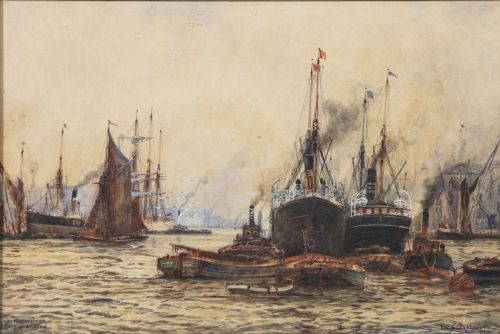
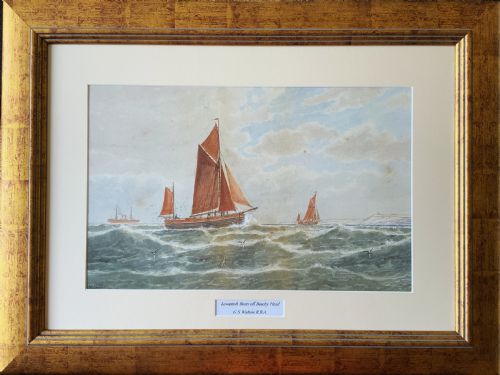
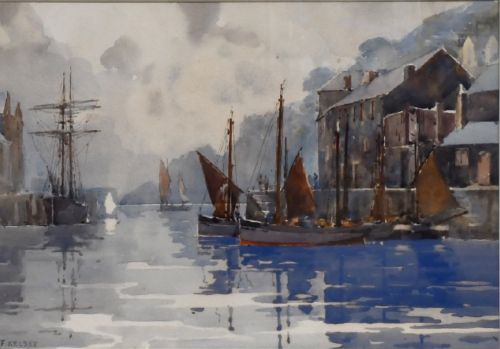
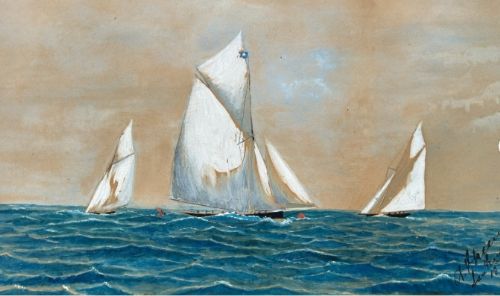
When you search for vintage seascape watercolour, you find original maritime paintings capturing coastal harbours, sailing ships and breaking waves from past centuries.
Vintage Seascape Watercolour
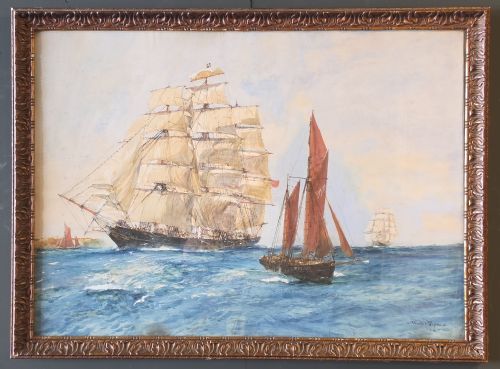
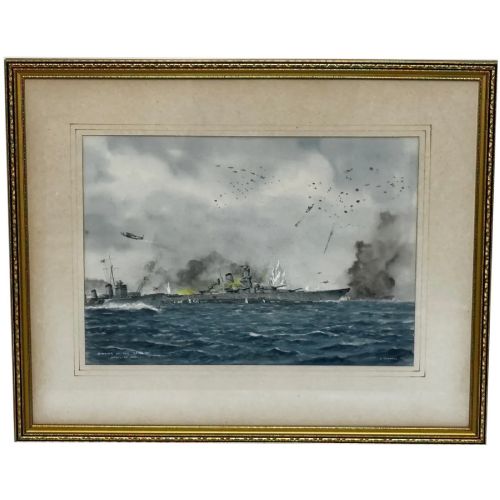
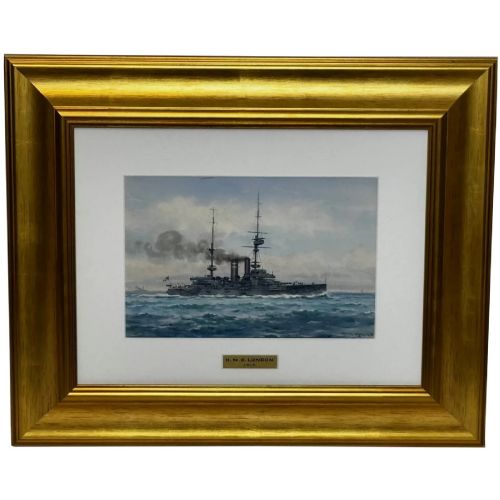
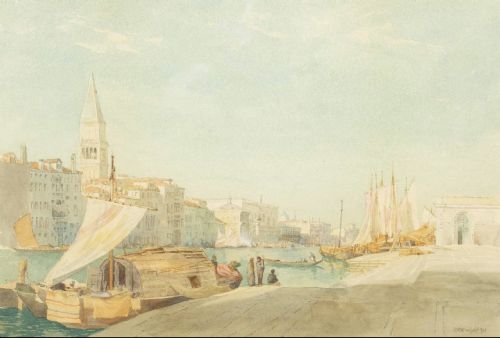
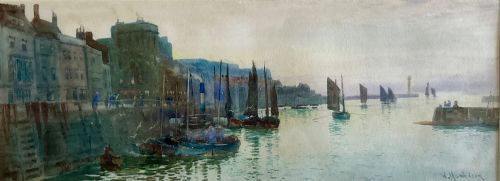
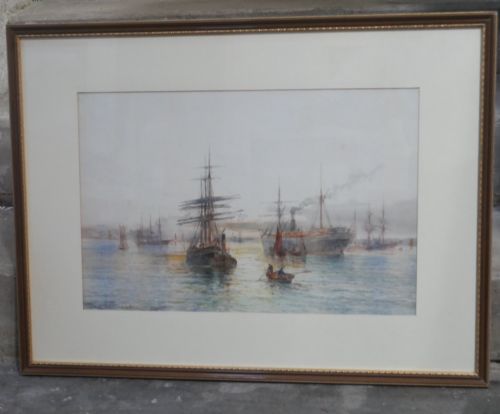
A vintage seascape watercolour brings maritime life and coastal scenery into focus through hand-painted works created on paper. These paintings range from Victorian fine art compositions to early twentieth-century views of British harbours and Cornish fishing villages.
Buyers will most frequently encounter framed examples dating from the late nineteenth century through to the mid twentieth century. Subjects stretch from bustling ports in Whitby and St Ives to quiet coastal inlets and naval vessels under sail.
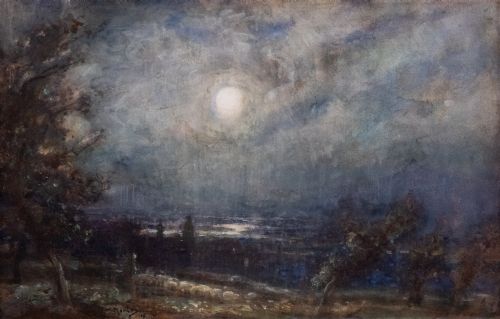
The selection includes both signed pieces by listed artists and atmospheric anonymous works. Every painting records a specific moment on the water, preserved through traditional pigments and paper.
Materials and techniques
Artists relied primarily on watercolour pigment applied to paper, often combining ink for definition and occasional gouache for opaque highlights. This water-based medium allowed painters to capture the translucent quality of seawater and changing coastal light.
Finished works were protected behind glass within wooden frames, frequently enhanced with gilt or ebonised finishes. The combination of paper supports and traditional pigments requires stable indoor conditions to prevent fading over time.
Materials recorded in the archive include watercolour pigment, ink, glass, gilt wood and paper.
Factors that define quality
Quality rests upon the artist's ability to handle light, atmosphere and the fluid movement of the sea. Superior works demonstrate confident brushwork and precise draughtsmanship in rendering rigging, hulls and breaking waves.
Condition plays an important role, with well-preserved paper free from heavy foxing and strong original colour retention marking out the finest examples. The harmony between the original frame and the artwork also influences the overall integrity of the piece.
Charles Edward Dixon·Eric Tufnell·William Banks Fortescue·Frank Watson Wood·Thomas William Morley·George Stanfield Walters·William Frederick Settle·Vincenzo D'Esposito·William Lee Hankey·Thomas Bush Hardy·Sir William Russell Flint·Angelos Giallina
The Vintage Seascape Watercolour Glossary
- Watercolour pigment
- Finely ground colour particles mixed with a water-soluble binder. This medium allows for transparent washes that simulate the appearance of water and sky.
- Foxing
- Brown spots or patches that appear on older paper due to chemical reactions over time. Proper conservation helps limit this natural ageing process.
- Gouache
- An opaque watercolour paint containing added white pigment. Artists utilise this material to create solid highlights on cresting waves and ship sails.
- Ebonised frame
- Wood treated to imitate ebony wood, creating a dark finish. These frames were popular for framing works on paper during the Victorian and Edwardian periods.
- Provenance
- The documented history of a painting's ownership and origin. Clear attribution adds context to signed works by named maritime artists.
Vintage Seascape Watercolour: Frequently Asked Questions
What periods do these watercolours cover?
The available selection spans from the late nineteenth century through the Edwardian era and into the mid twentieth century. Works reflect changing artistic styles across these decades.
Victorian and Edwardian pieces often focus on traditional coastal trading vessels and Cornish harbours, while later twentieth-century works capture naval vessels and wider marine views.
How should I hang and protect them?
Watercolours on paper are sensitive to direct sunlight and high humidity. Hang them on interior walls away from direct sun to prevent the pigments from fading.
Ensure the framing remains sealed behind glass to protect the paper surface from atmospheric moisture and dust.
Are these paintings original?
Every listed piece is an original hand-painted work on paper rather than a modern reproduction or print. Artists applied wet pigments directly to the sheet.
Signatures, dates and historical inscriptions on the front or reverse often provide direct evidence of their origin.
What subjects are most common?
Coastal scenes feature heavily, particularly working fishing boats, luggers and sailing ships navigating British and European waters. Harbour walls, piers and rolling waves recur across the selection.
Depictions of specific locations in Cornwall, Yorkshire and Venice appear frequently among the maritime views.