



Vintage Seascape Art
Vintage seascape art brings maritime history and coastal atmospheres into your home through oil paintings and watercolours spanning the Victorian period to the mid-twentieth century.
Vintage Seascape Art
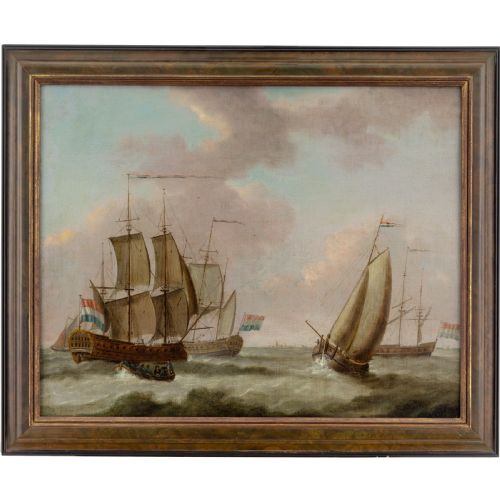
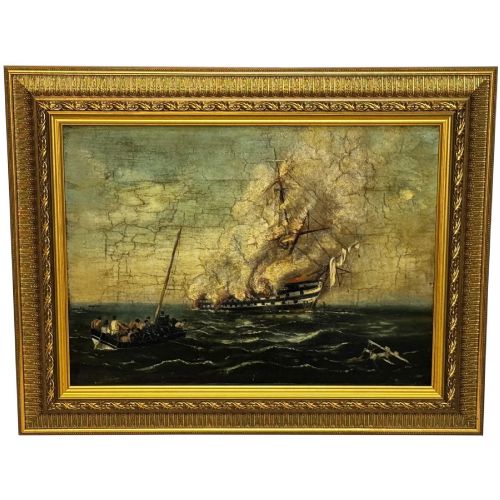
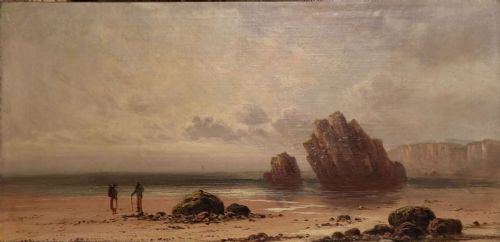
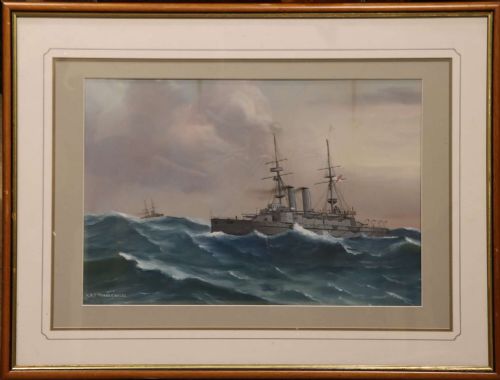
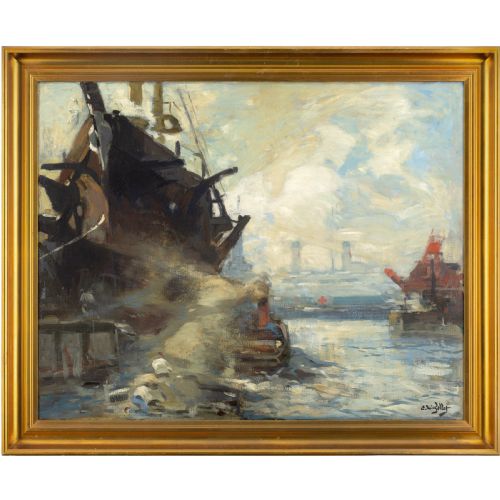
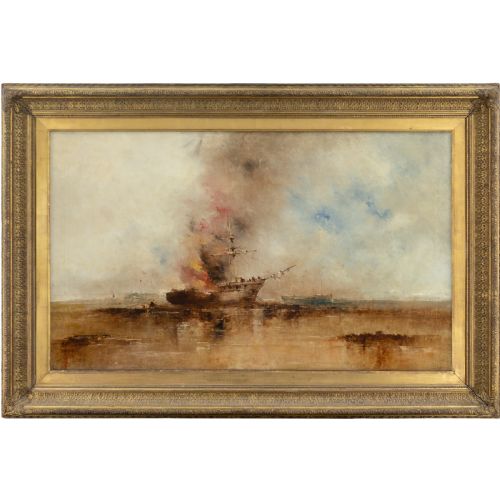
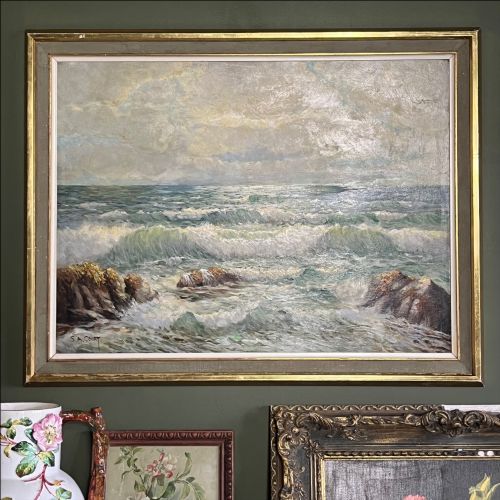
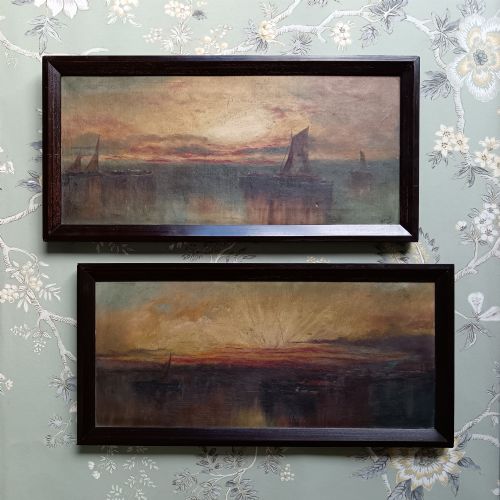
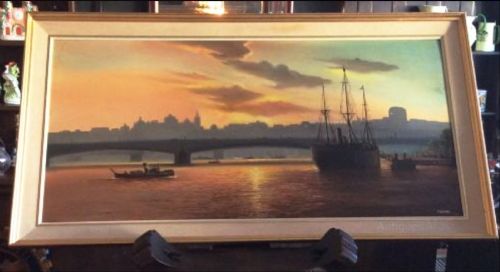
When searching for vintage seascape art, you encounter oil paintings, watercolours, and gouache works depicting coastal views, harbour scenes, and open waters. These pieces range from nineteenth-century depictions of shipping vessels in heavy seas to mid-twentieth-century harbour landscapes.
The selections available span multiple decades, including Victorian marine pieces, Edwardian watercolours, and mid-century coastal works. Many capture specific British coastal locations such as Cornwall, Whitby, and the Thames, alongside international harbours and naval engagements.
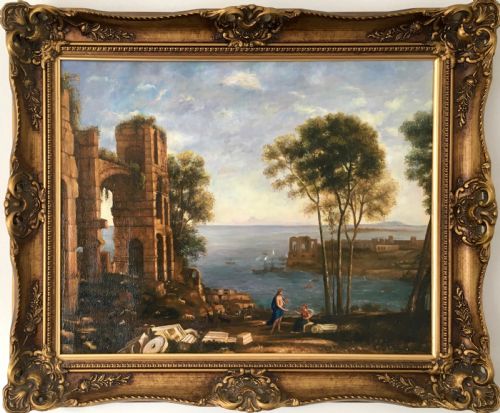
You will find these works executed on various supports, including canvas, artist board, and paper. Framed artwork frequently retains period surrounds such as gilt wood frames that complement the maritime subject matter.
Materials and methods of creation
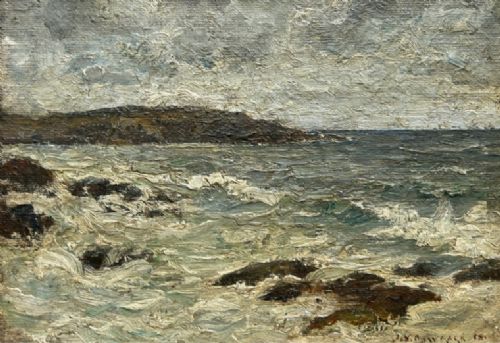
Artists creating vintage seascape art relied primarily on oil paint or watercolour applied to canvas, wood, paper, or board. Oil paintings on canvas or board often utilise heavy impasto technique to render the texture of rough waves and coastal weather.
Watercolour paintings on paper capture the luminosity of coastal light and atmosphere, sometimes finished with gouache highlights for detail on ships and foam. Works were housed in wood and gilt wood frames appropriate to their period.
Listings feature oil paintings, watercolours, and gouache works on canvas, paper, and wood spanning the nineteenth century to the 1960s.
Distinctions in quality and execution
Quality in vintage seascape art rests upon the artist's ability to capture movement, light, and maritime accuracy in water and vessels. Superior pieces demonstrate confident brushwork, whether through expressive en plein air oil application or precise watercolour washes.
The handling of atmosphere, from moonlit coastal darkness to bright sunrise views, separates accomplished works from standard decorative pieces. Additionally, the survival of the original support, pigment stability, and framing contribute to an artwork's standing.
Kenneth Cozens·Clifford Hanney·Eugène-Louis Gillot·William McAlpine·Sidney A Court·B Nash·Edward Mills·Charles Edward Dixon·Eric Tufnell·William Banks Fortescue·James Kay·Frank Watson Wood·Bernard Gribble·Thomas William Morley·Frank William Scarbrough·F Corpuz·Clive Browne·Peter Brannan·Richard Henry Wright·Bernard Benedict Hemy·Willem Bos·Cecil Allan Mould·Lai Fong·William Matthison·Nicholas Condy
The Vintage Seascape Art Glossary
- En plein air
- Painting outdoors to capture direct natural light and atmospheric conditions. This method was widely utilised by coastal landscape painters.
- Impasto
- Paint applied thickly to a surface, leaving visible brush or knife marks. It creates texture and helps render rough water or stormy skies.
- Maritime art
- Artwork depicting ships, shipping, sea views, and coastal scenes. This encompasses naval battles, harbour views, and coastal landscapes.
- Gouache
- An opaque water-based paint used alongside watercolour for highlights and solid colour. It allows artists to add sharp details to marine watercolours.
Vintage Seascape Art: Frequently Asked Questions
What periods do these seascapes cover?
The works span from the nineteenth century through the Edwardian era and into the mid-twentieth century. You will find Victorian marine pieces alongside 1950s and 1960s coastal views.
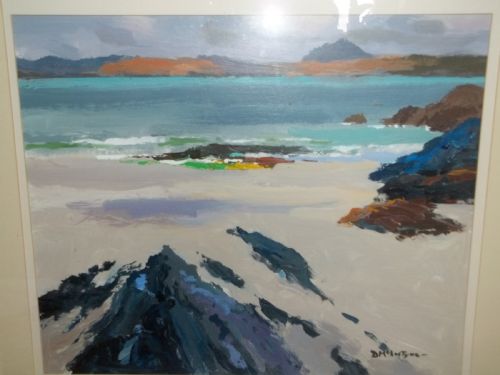
Earlier pieces often focus on sailing vessels and naval history, while mid-century works lean towards impressionistic or modernist coastal landscapes.
How do I know if a piece is original?
Original works show visible brushstrokes, plate marks in watercolours, or the distinct texture of paint on canvas and board. Signatures, dates, and artist inscriptions often appear on the front or reverse.
Examining the materials, support edges, and framing helps confirm the period and authenticity of the artwork.
Were these painted outdoors?
Many coastal works were painted en plein air to capture immediate weather conditions, shifting light, and tidal movements. Artists worked directly on beaches, harbour walls, and aboard vessels.
Studio paintings were also common, created from earlier sketches and watercolours made on location.
How should I frame and display a vintage seascape?
Display vintage seascapes away from direct sunlight to protect watercolours and oil pigments from fading. Many pieces retain their period gilt wood frames, which should be preserved where possible.
Ensure hanging environments maintain stable humidity levels to protect canvas and paper supports.