





Georgian Aquatint Engravings
Georgian aquatint engravings bring muted tones and fine tonal gradations to walls, offering the collector a distinct window into past sporting, maritime and domestic life.
Georgian Aquatint Engravings
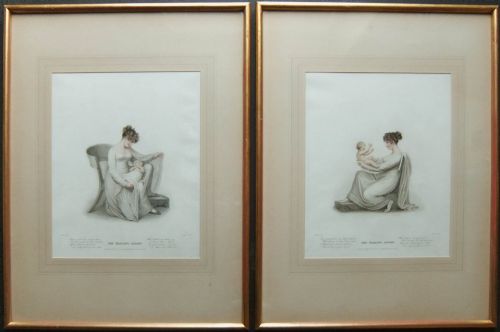
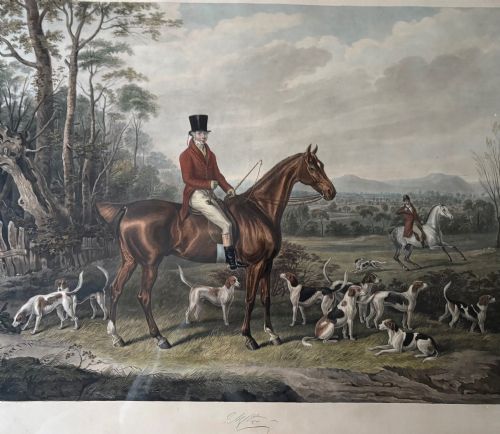
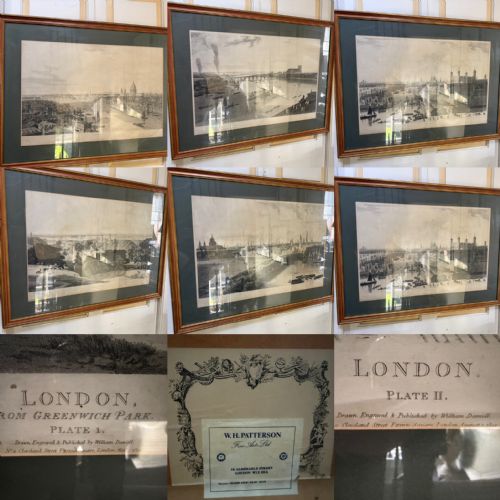
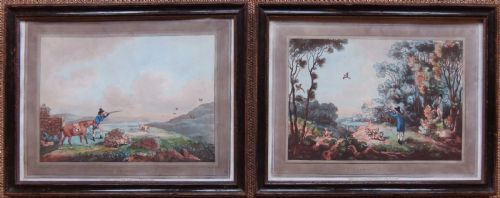
When someone searches for georgian aquatint engravings, they seek works produced during the Georgian and Regency eras that utilise a specialised etching technique to achieve watercolour-like washes. These pieces take the form of framed artwork, wall art and antique prints depicting subjects such as maritime scenes, shooting, hunting and domestic portraits. The selection on this page ranges across the nineteenth century, including sets of prints alongside individual framed works.
Buyers most frequently encounter framed prints and book-related plates dating from the opening decades of the nineteenth century. These items often capture dynamic subjects, from South Sea whale fisheries to sporting contests, rendered on paper with ink and sometimes enhanced by hand-colouring. The physical formats vary from single plates to pairs and larger sets by named artists and engravers.
How they were made
The creation of these works relies upon etching a copper plate using acid through a porous ground, which yields tonal areas rather than simple lines. Printers then apply ink to the prepared plate before transferring the image onto paper. Many examples receive subsequent hand-colouring with watercolour to enrich the visual depth of the scene.
Framing materials reflect the traditional presentation of the period, combining wood, glass and gilt or gold leaf surrounds. These protective housings preserve the delicate paper and ink surfaces from environmental damage while maintaining the period appearance of the artwork.
What varies in quality
Quality in these works rests upon the clarity of the tonal graduation and the precision of the plate impression. Finer examples retain crisp details across both dark washes and lighter highlights, whereas lesser items suffer from muddy tones or worn plate marks. The delicacy of the original application governs how successfully the image survives over time.
The execution of the hand-colouring also distinguishes superior items from standard production. Skillful application of watercolour enhances the underlying ink without obscuring the fine grain of the aquatint process.
Adam Buck·W. Collard·W J Huggins·Joseph Farrington RA·Joseph Constantime Stadler·Sam. Howitt
The Georgian Aquatint Engravings Glossary
- Aquatint
- A printmaking technique that produces tonal effects resembling watercolour washes by using acid-resistant resin on a copper plate. This method allows the artist to create subtle gradations of shadow and light.
- Regency
- A style period spanning the early nineteenth century defined by specific aesthetic preferences in British art and architecture. Pieces from this era often display refined classical influences.
- Hand-Coloured
- The practice of applying watercolour pigments by hand to a printed ink outline after the printing process. This adds individual character and vibrant hues to the finished sheet.
- Plate Mark
- The indented impression left on the paper by the edge of the metal printing plate under pressure. Its presence confirms the traditional intaglio printing method used to create the work.
Georgian Aquatint Engravings: Frequently Asked Questions
What is an aquatint engraving?
An aquatint engraving is a print made by etching a copper plate through a porous ground to create tonal areas resembling watercolour washes. Printers ink and press these plates onto paper, often finishing the details by hand.
This technique allows artists to capture subtle shades of light and shadow that standard line etching cannot achieve.
How should I display these prints?
These works require framing behind glass with appropriate mounts to separate the paper from the surface. Hang them away from direct sunlight to protect the ink and watercolour pigments from fading.
Stable indoor humidity levels help preserve the antique paper base over time.
How do I date these pieces?
Dating relies on the paper characteristics, printing style, framing materials and any inscribed publication details or artist signatures. Costume, architecture and subject matter within the image also provide reliable chronological clues.
Comparative study with known works by contemporary engravers narrows the likely period of production.
What subjects are most common?
Common subjects include maritime scenes, whaling operations, rural shooting parties, hunting expeditions and domestic character studies. These themes reflect the popular visual tastes of the period.
Artists frequently published these works in sets to satisfy contemporary demand for sporting and topographical art.