



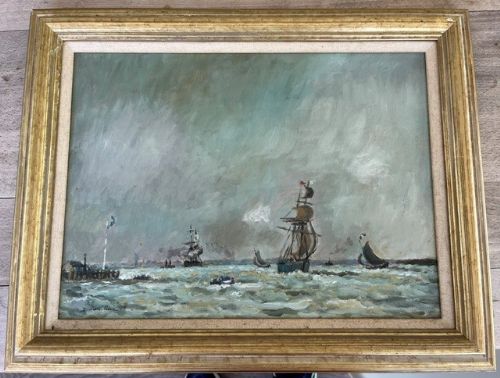
Vintage Sea Oil Painting
When acquiring a vintage sea oil painting, collectors secure maritime history rendered through nineteenth-century realism, Edwardian shipping studies, and mid-century coastal impressions.
Vintage Sea Oil Painting
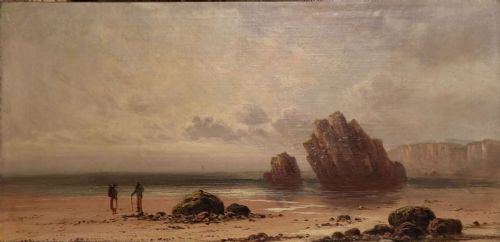
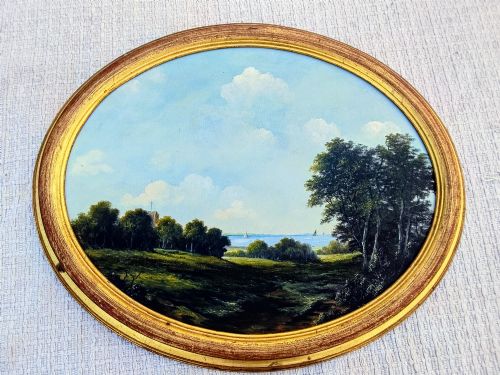
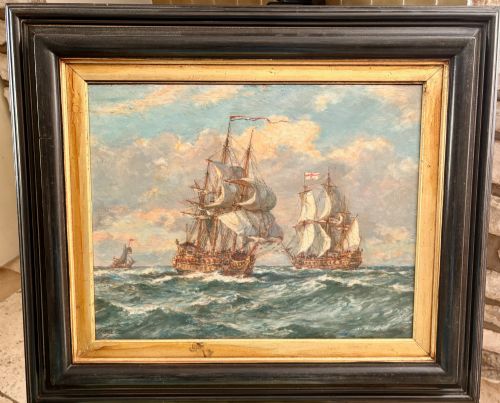
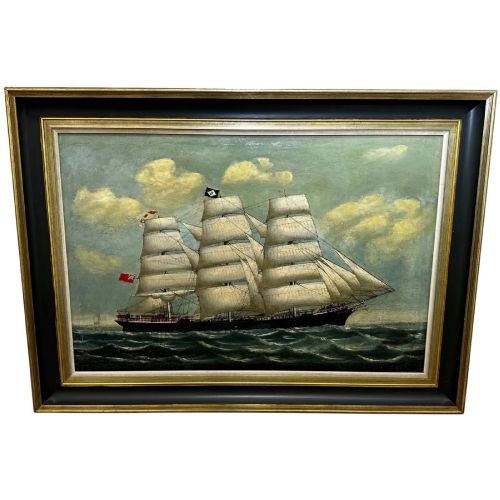
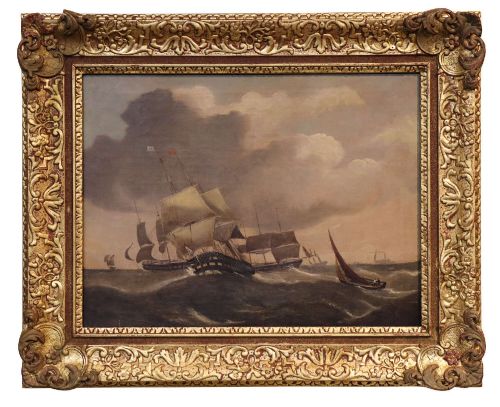
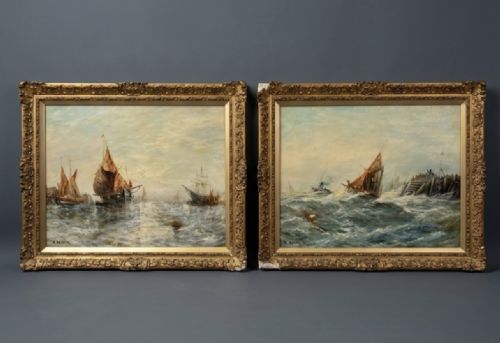
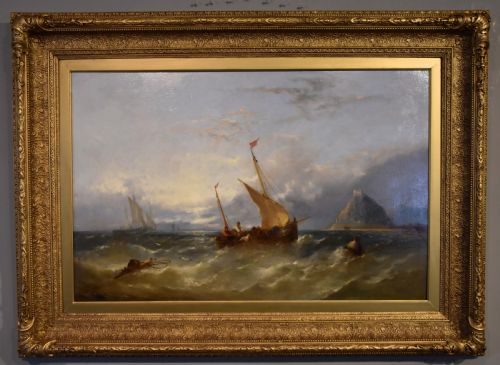
A vintage sea oil painting captures maritime subjects, ranging from nineteenth-century coastal scenes with figures on rocky beaches to twentieth-century harbours and stormy seas.
The selections available include works on canvas, board, and card, spanning Victorian maritime realism, British impressionism, and post-impressionism.
Buyers encounter depictions of specific vessels, lighthouses, and fishing trawlers alongside en plein air studies of Cornwall, France, and Italy.
Materials and construction
Artists painted primarily with oil on stretched canvas or wooden board, occasionally utilising card or panel supports.
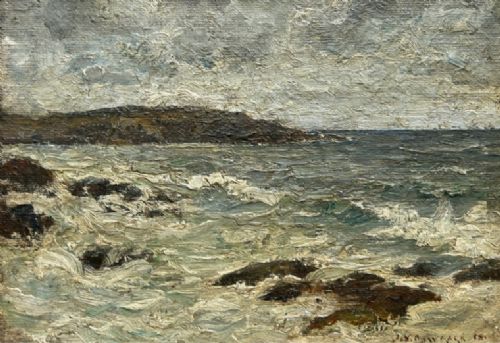
Impasto technique appears in textured seascapes, building up thick layers of pigment to render crashing waves and wind-swept skies.
Many works retain their period frames, constructed from wood with gilt decoration or gold leaf finishes.
The listings on this page span the nineteenth century through the 1960s, executed in oil on canvas, board, and card.
Distinctions in execution
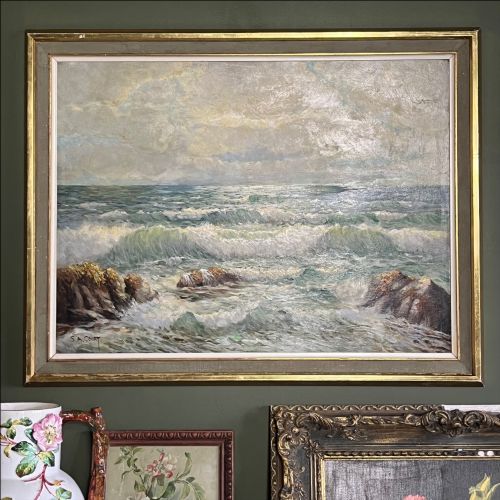
Superior works demonstrate confident brushwork and accurate handling of light on water, particularly in capturing turbulent sea conditions or atmospheric mist.
Author attribution elevates certain pieces, with signed works by recorded marine artists commanding closer attention than anonymous school paintings.
Compositional depth and the convincing portrayal of naval architecture or rigging separate accomplished maritime art from standard decorative views.
Reginald Arthur Borstel·Sidney A Court·Bernard Gribble·Bernard Benedict Hemy·William Henry Williamson·Charles Napier Hemy·Jean-Baptiste Olive·Dion Pears·Roger de la Corbiere·James Torrington Bell
The Vintage Sea Oil Painting Glossary
- Impasto
- Paint applied thickly to a canvas or board, leaving visible brush or palette knife marks that create a textured surface.
- En plein air
- Painting outdoors to capture natural light and atmospheric conditions directly from the subject.
- Pierhead painting
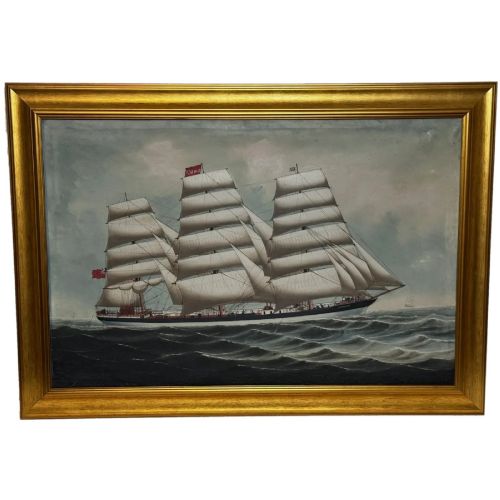
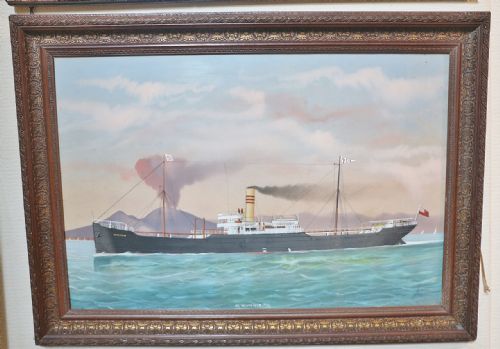
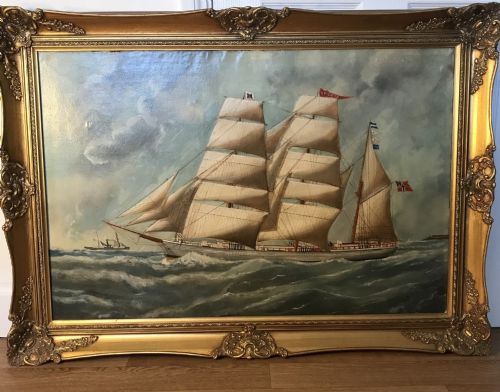
- A specific genre of marine art depicting vessels entering or leaving a port, often commissioned by shipowners or captains.
- Seascape
- A work of fine art depicting the sea, coastal views, shipping, or marine weather.
- Gilt wood
- Wood coated with a thin layer of gold leaf or metallic paint, commonly found on period frames.
Vintage Sea Oil Painting: Frequently Asked Questions
How do I date a vintage sea oil painting?
Dating relies on stylistic evidence, artist signatures, and framing methods. Nineteenth-century examples often display traditional maritime realism, whereas mid-century works lean towards impressionist coastal studies.
Examine the reverse of the canvas or board for inscribed dates, artist signatures, or old gallery labels. The construction of the wooden stretcher or frame can also indicate the period of production.
Where were these marine paintings typically displayed?
Historically, maritime art hung in domestic parlours, maritime offices, and captain's quarters. Collectors today place them in living spaces, studies, and hallways where natural light enhances the oil pigments.
Pairing a framed canvas with traditional or contemporary interiors highlights the rich textures of the brushwork. Proper placement avoids direct sunlight to protect the surface integrity.
What is the difference between marine and coastal art?
Marine art primarily focuses on ships, naval battles, and open waters in varying weather conditions. Coastal art concentrates on the shoreline, beaches, cliffs, and harbour activities.
Many vintage pieces overlap these categories, featuring both a rocky coastline and vessels navigating choppy seas or entering port.
Why do some paintings show specific ships?
Many works function as pierhead paintings or historical records documenting named vessels, steamers, and royal yachts. Commissioned works often celebrated a particular ship's maiden voyage or notable journey.
Researching the vessel name inscribed on a frame or canvas adds historical context to the artwork.