


Vintage Scottish Art
Vintage scottish art brings together landscapes, silver quaichs and oak furniture shaped by distinct northern traditions.
Vintage Scottish Art
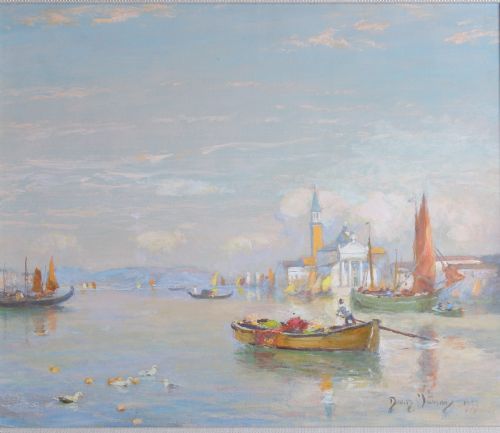
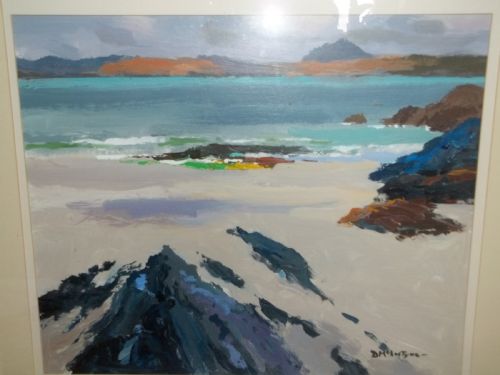
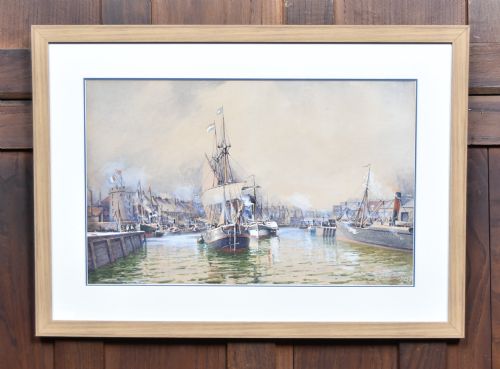
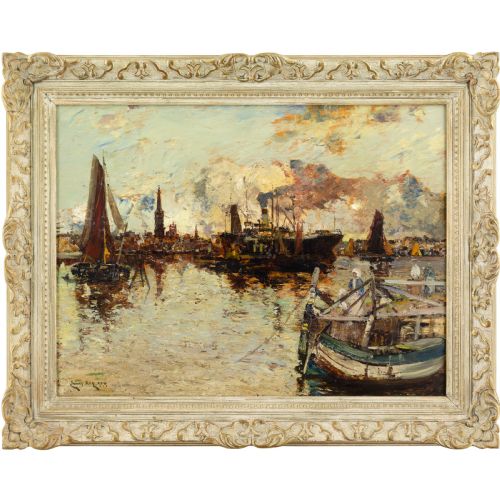
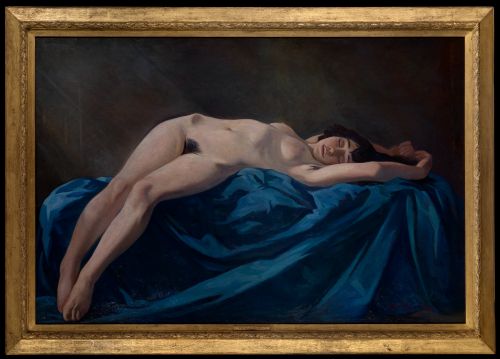
Vintage scottish art encompasses oil paintings, watercolours, silverwork and furniture spanning the nineteenth century through the mid-twentieth century. The selection ranges from Highland landscapes and Scottish Impressionist river scenes to Arts and Crafts silver quaichs and oak chairs.
Buyers encountering this grouping most frequently meet early twentieth-century landscapes, Arts and Crafts silver brooches, and oak furniture bearing the hallmarks of Glasgow workshops. These pieces reflect the output of regional schools and makers active between the Victorian era and the nineteen-sixties.
Materials and construction
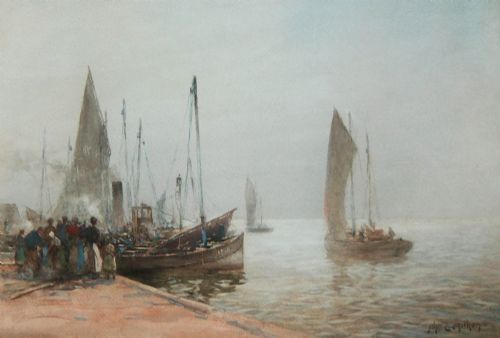
Works on canvas, wood panel and paper utilise oil paint and watercolour to capture coastal and highland subjects. Silver items employ sterling silver, often paired with citrines, moonstones or chalcedony in the Arts and Crafts manner.
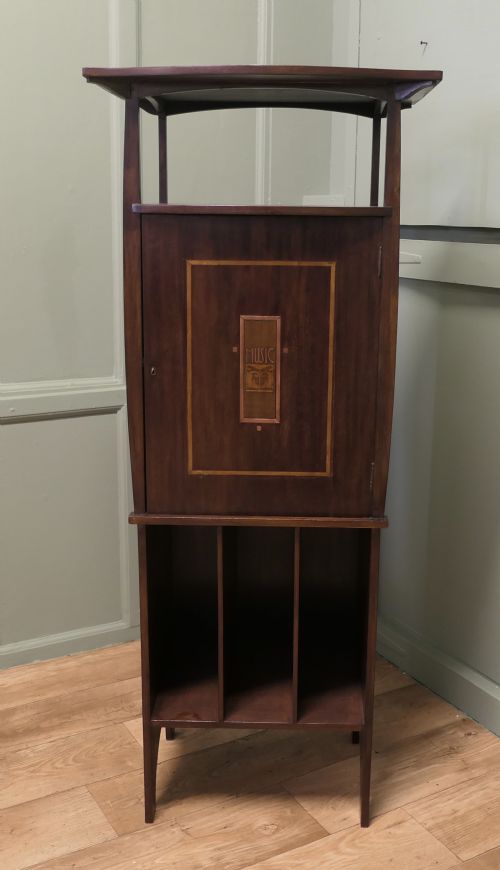
Furniture and decorative objects rely on oak, elm and walnut, frequently featuring planished surfaces, hand-carved details or reverse glass painting techniques.
Listings feature periods from the Georgian era through the 1960s, spanning oil paintings, silver quaichs, and oak furniture.
Assessing quality
Quality rests on the directness of the maker's hand and the integrity of the materials, from the depth of impasto in a landscape to the weight and planishing of sterling silver. Finer pieces demonstrate confident brushwork by listed artists or crisp hand-craftsmanship in metal and wood.
Provenance and original condition separate standard production from exceptional examples, particularly in regional furniture and signed watercolours where maker attributions remain clear.
R E Stone·GM Elwood·JS Henry·Tom Campbell·James E Aitken·George Houston·James Kay·Eric Robertson·Whytock and Reid·Vasart Glass·Hamilton and Inches·Charles Horner·Charles James McCall·George Rankin·George Henry Paulin·Ralston Gudgeon·Archibald Kay·Wylie Lochhead·E A Taylor·Henry Robinson Hall·Thomas Bromley Blacklock·Mary Thew·Sir Robert Stoddart Lorimer
The Vintage Scottish Art Glossary
- Quaich
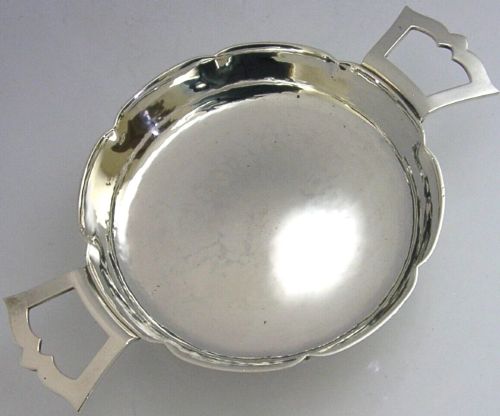
- A traditional two-handled drinking vessel originating in Scotland, often rendered in sterling silver or wood with Celtic motifs.
- Planished
- A metalworking finish achieved by hammering the surface with a round-faced tool to create a textured, light-reflecting pattern.
- Impasto
- A technique where paint is laid onto a canvas in thick layers, standing proud of the surface to create visible texture.
- Glasgow School
- A circle of influential artists and designers active in the late nineteenth and early twentieth centuries who modernised decorative arts and painting.
- Reverse glass painting
- An art form where the image is painted directly onto the back of a glass panel to be viewed from the front.
Vintage Scottish Art: Frequently Asked Questions
What defines a scottish landscape painting?
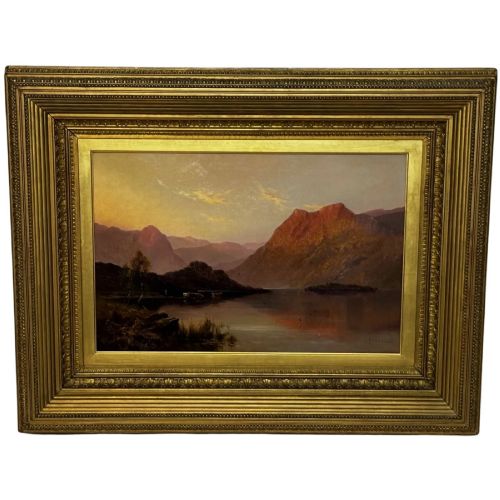
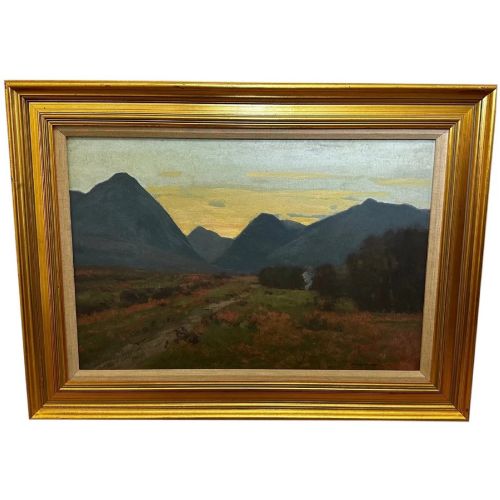
Scottish landscape paintings from this era typically capture highland vistas, lochs, and coastal settlements with specific attention to northern light and weather. Artists utilised oil on canvas or wood panel, as well as watercolour, to render these atmospheric scenes.
Many works bear signatures from members of regional schools who focused on en plein air painting across the Highlands and islands.
How were arts and crafts silver items made?
Makers utilised sterling silver, shaping vessels and jewellery by hand with techniques like planishing, where hammer marks remain visible on the surface. These pieces frequently incorporated local stones such as citrines or moonstones.
Workshops in Glasgow and Edinburgh drove this production, aligning with broader British design reforms of the early twentieth century.
What is an orkney chair?
An Orkney chair is a traditional piece of vernacular furniture characterised by a high straw-backed frame woven from oat straw. The base typically uses solid oak or driftwood with a wooden seat box.
These chairs were designed to protect sitters from drafts in harsh coastal cottages.
How do I care for vintage oil paintings?
Keep paintings away from direct sunlight and fluctuating humidity to prevent canvas tension issues and paint cracking. Dust them gently with a soft, dry brush without applying pressure to the impasto.
Avoid using water or chemical cleaners on the paint surface or the historic frame.